The Bunka knife is highly versatile because of its unique blade design, which combines a straight and slightly curved edge with a sharp, angled tip. Its high-quality materials, like VG-10 steel, keep it sharp longer and allow precise cuts. Its ideal size makes it comfortable for slicing vegetables and meats alike. If you want to master its techniques and care tips, explore further to reveal its full potential in your kitchen.
Key Takeaways
- The Bunka knife features a versatile blade with a straight edge, curved profile, and angular tip for precise slicing of vegetables and meats.
- Crafted from high-quality steels like VG-10 and layered Damascus, ensuring sharpness, durability, and rust resistance.
- Its optimal dimensions and lightweight design allow for easy control and efficient tap and push cutting techniques.
- The broad, flat blade supports controlled slicing, while the angular tip enables garnishing and detailed tasks.
- Proper handling, regular honing, and maintenance preserve its sharpness and multifunctional performance for various ingredients.
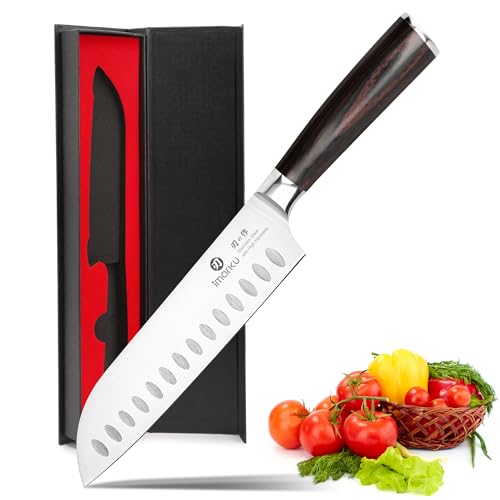
imarku Chef Knife 7 Inch Kitchen Knife Ultra Sharp Santoku Knife - High Carbon Japanese Chefs Knife, Kitchen Gadgets 2025, Apartment Essentials, Birthday Gifts for Him Her, Best Gifts for Women Men
Professional Santoku Knife: This imarku super sharp santoku knife is made of high carbon stainless steel that resists...
As an affiliate, we earn on qualifying purchases.
The Unique Blade Design of the Bunka Knife
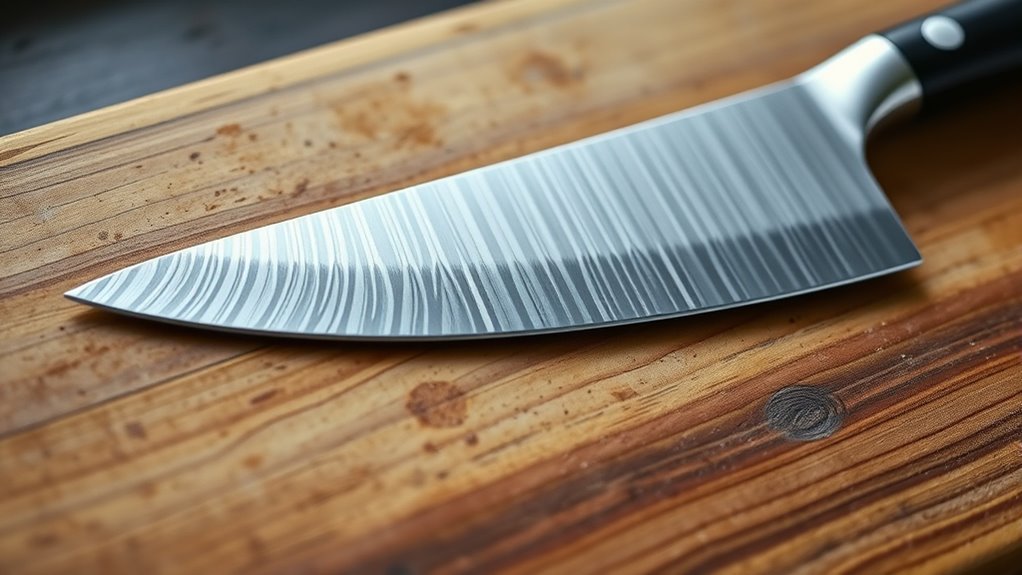
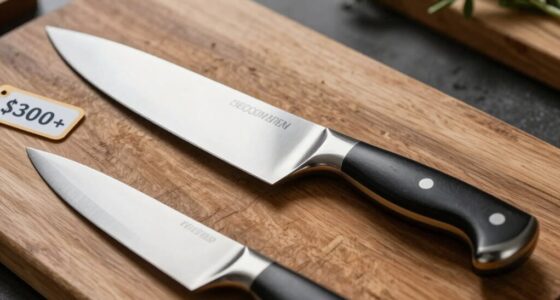
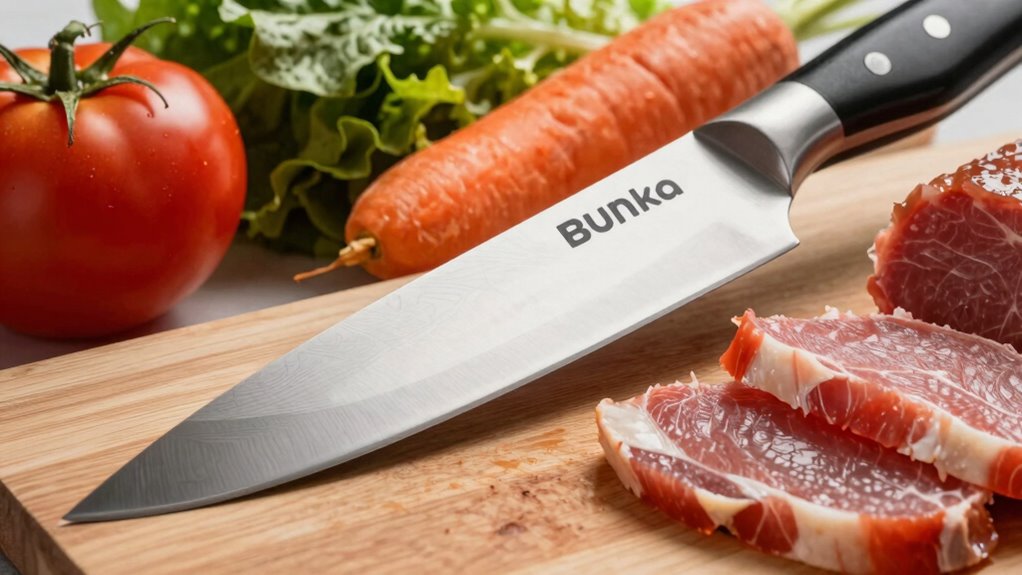
Have you ever noticed how the Bunka knife’s blade stands out from other Japanese knives? Its design combines a straight edge with a slightly curved profile, giving it a versatile cutting surface. The blade features a diagonally truncated tip, creating a sturdy, sharp point perfect for precision work. Unlike a traditional chef’s knife, the flat edge is ideal for tap and push chopping motions, allowing you to control cuts efficiently. The wider profile provides ample knuckle clearance, making slicing comfortable and safe. Its thin, double-beveled 15-degree angle ensures exceptional sharpness and precision. This combination of characteristics makes the Bunka versatile, capable of handling everything from vegetables to meats with ease. Its unique shape enhances control, precision, and efficiency in your kitchen tasks. Additionally, the blade’s blade geometry contributes significantly to its versatility by optimizing edge retention and ease of sharpening. The ergonomic design further enhances user comfort during extended use, making it a preferred choice for many chefs. Moreover, the blade material plays a crucial role in maintaining sharpness and durability, further elevating its functionality.
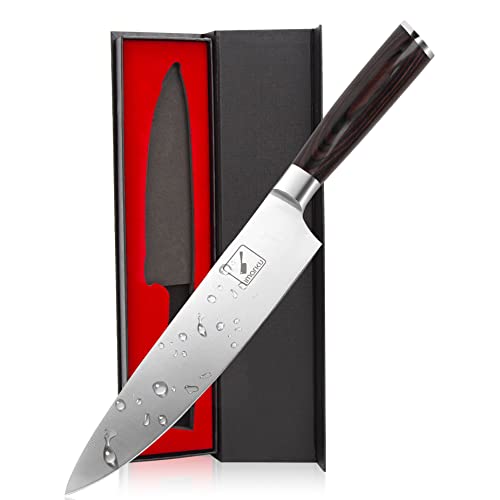
imarku Japanese Chef Knife - Sharp Kitchen Knife 8 Inch Chef's Knives HC Steel Paring Knife, Unique Gifts for Men and Women, Gifts for Mom or Dad, Kitchen Gadgets with Gift Box, Gyutou Knives
High-Carbon Stainless Steel Blade: It is manufactured from high-quality stainless steel that maintains its functionality for a long...
As an affiliate, we earn on qualifying purchases.
Material Composition and Its Impact on Performance
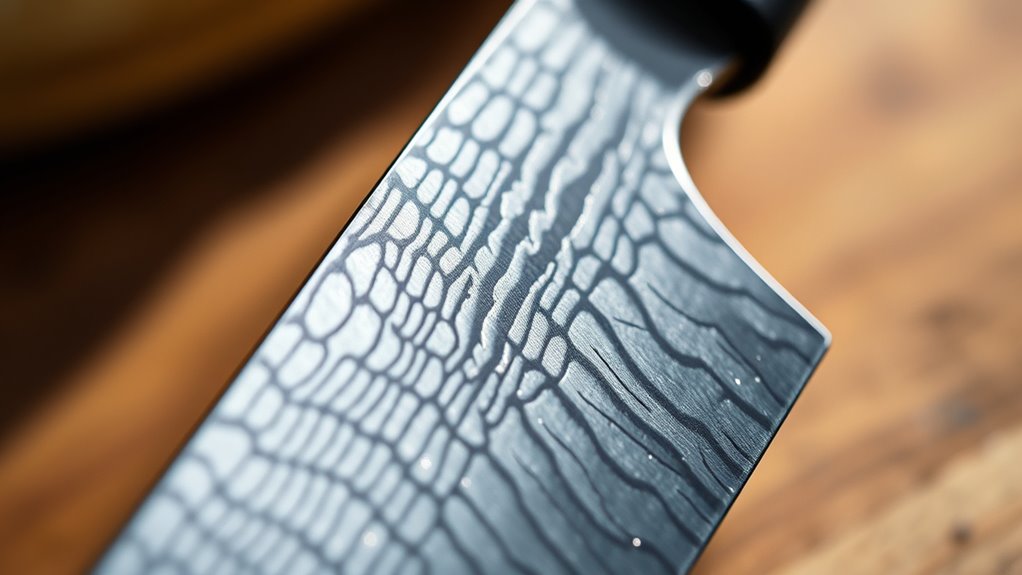
The material composition of a Bunka knife plays a crucial role in its overall performance, combining hardness, durability, and corrosion resistance to deliver ideal cutting results. High-quality steels like VG-10 with cobalt provide exceptional edge retention and strength. Enveloping the core in Damascus stainless steel adds layers of toughness and aesthetic appeal. Alternatively, high-carbon stainless steels such as X70Cr17MoV balance durability with resistance to rust. Here’s what makes the material work for you: Material selection significantly influences the knife’s performance characteristics, ensuring that it meets the demands of both veg and meat preparation.
Bunka knives combine high-quality steel, layered construction, and corrosion resistance for optimal cutting performance.
- Hardness (57-66 HRC): Ensures the blade stays sharp longer and resists dulling during use.
- Corrosion Resistance: Prevents rust and stains, especially important in humid kitchens.
- Layered Construction: Adds strength, flexibility, and visual beauty, making your Bunka versatile and reliable for various tasks.

HOSHANHO Kitchen Knife in Japanese High Carbon Steel, Professional High-Class Chef's Knife 8 inch, Non-slip Ultra Sharp Cooking Knives with Ergonomic Handle
【High-End Japanese Steel Chef's Knife】 HOSHANHO chef's knife is made of Japanese high carbon steel 10Cr15CoMoV, 2x of...
As an affiliate, we earn on qualifying purchases.
Optimal Dimensions for Versatile Kitchen Tasks
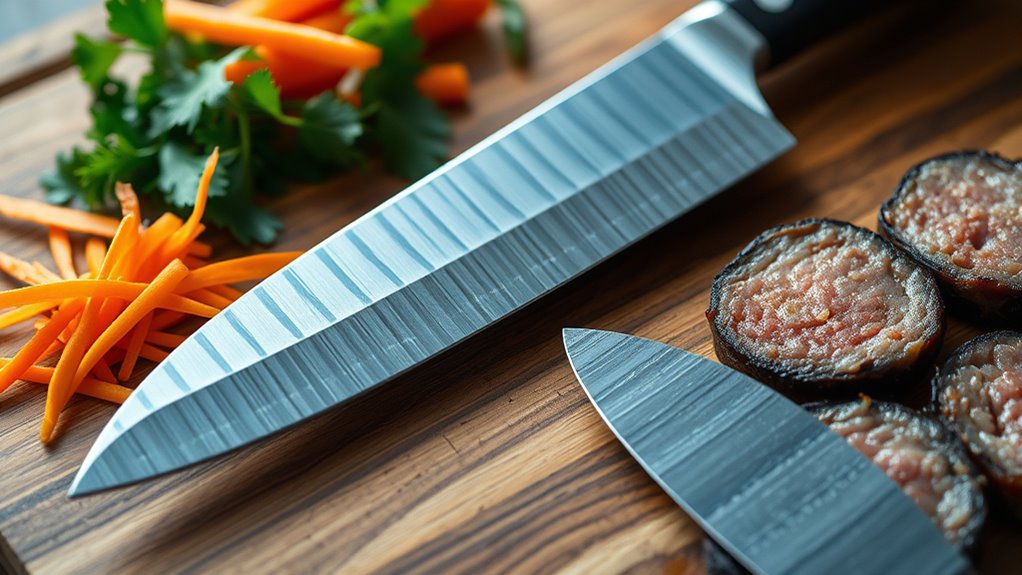
Selecting the ideal dimensions for a Bunka knife guarantees it performs well across a variety of kitchen tasks. Its blade length, typically between 5.9 and 7 inches, strikes a balance between control and efficiency, making it suitable for slicing, chopping, and detailed work. The wide, flat blade provides ample knuckle clearance, allowing you to use tap, push, or down-stroke motions comfortably. A total length around 11.5 inches offers good maneuverability without feeling cumbersome. The weight, approximately 0.42 pounds, provides stability while remaining nimble. This lighter, thinner profile enhances precision, reduces fatigue, and allows for delicate cuts. Additionally, competitive pricing and transparent fee structure make it accessible for a wide range of home cooks and professional chefs. Overall, these dimensions make the Bunka versatile, enabling you to handle vegetables, meats, and seafood with ease and accuracy across various kitchen tasks. Proper blade dimensions are essential for achieving optimal control and versatility in your cooking. Additionally, ergonomic design considerations contribute to comfort during extended use, making the knife a reliable tool in your culinary arsenal.

Japanese Chef Knife, 8 Inch Damascus Kitchen Knife with VG10 Steel, Handcrafted Sharp Knife with Ergonomic Handle, Cooking Knives for Home Chefs, Cooking Gifts for Men and Women
【Premium Damascus Chef Knife with VG-10 Steel Core】Our Japanese knives feature a VG-10 steel core (60 HRC) for...
As an affiliate, we earn on qualifying purchases.
How Bunka Excels in Vegetable Preparation
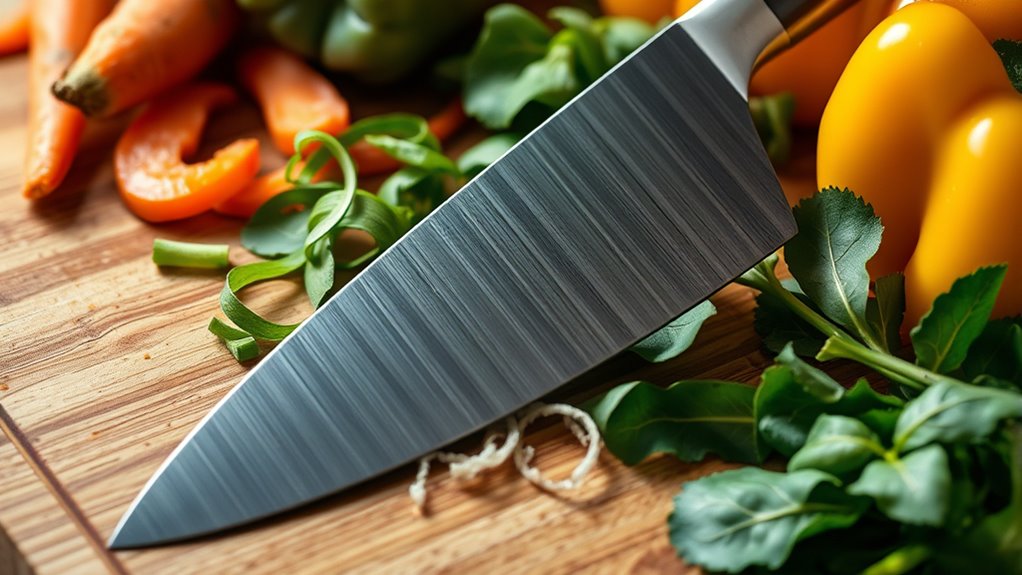
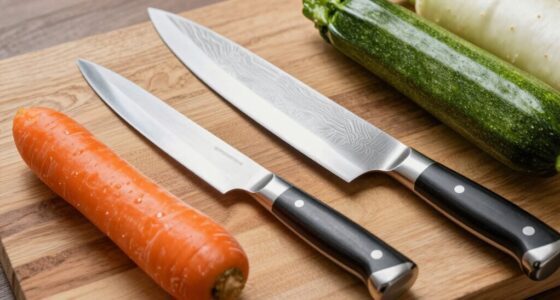
Thanks to its wide, flat blade and sharp double-bevel edge, the Bunka knife is particularly well-suited for vegetable preparation. Its design allows you to perform precise, controlled cuts with ease. Here’s how it excels:
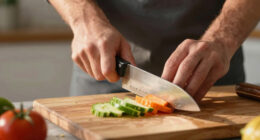
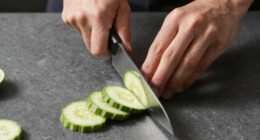
- Tap and push chopping: The flat edge makes it perfect for slicing through vegetables with a smooth, downward motion, reducing strain on your wrist.
- Uniform slices: The angular tip helps you create even, thin slices of cucumber, zucchini, or carrots, maintaining texture and appearance.
- Decorative cuts: The versatility of the sharp, precise blade allows you to craft garnishes, julienne strips, or brunoise with accuracy, elevating presentation.
- Consistent technique ensures that your vegetable prep remains efficient and safe, highlighting the importance of effective storytelling in mastering culinary skills.
This knife’s balance and sharpness make vegetable prep faster, cleaner, and more enjoyable.
The Advantages of Its Design for Meat and Seafood
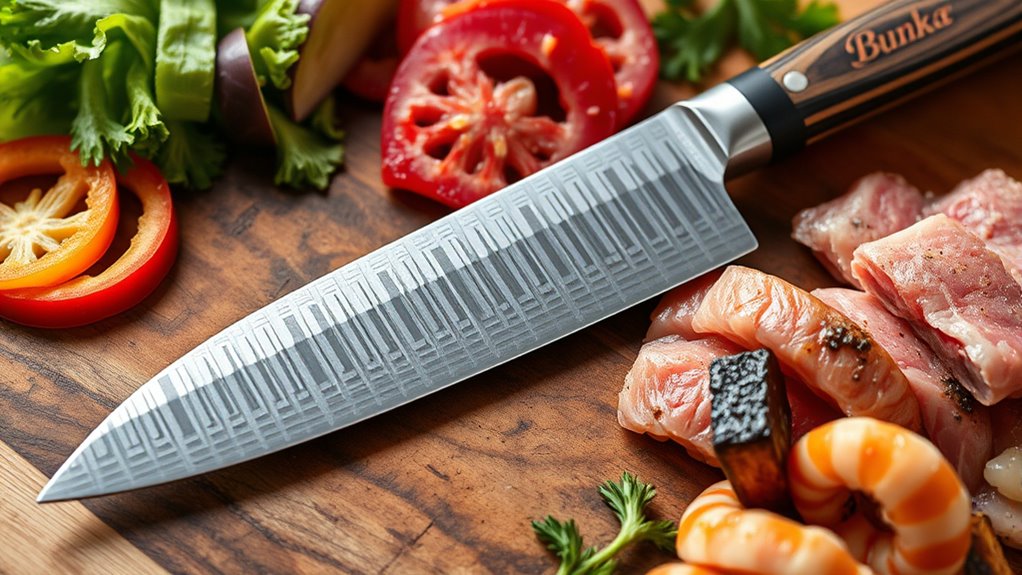
Because of its flat, wide blade and sharp double-bevel edge, the Bunka knife excels at preparing meat and seafood. The broad surface allows you to make clean, precise slices through steaks, roasts, and fish fillets with ease. Its thin profile minimizes resistance, reducing tearing or shredding of delicate seafood and tender meats. The angular tip enhances control, making tasks like scoring, scoring, and fine slicing straightforward. The flat edge supports push and tap chopping motions, helping you achieve uniform cuts that preserve texture. Plus, the knife’s balanced weight and sharpness ensure smooth, effortless cuts, whether you’re slicing sashimi, trimming poultry, or portioning fish. Its design promotes precision and efficiency, making it an essential tool for meat and seafood preparation. Additionally, the Bunka knife’s versatility makes it suitable for a range of kitchen tasks, streamlining your culinary process. Recognizing how blade design impacts performance can help you choose the right knife for varied cooking needs. A well-designed blade also reduces fatigue during extended use, enhancing overall cutting comfort. Moreover, its ergonomic handle enhances grip stability, further improving cutting control during intricate tasks.
Comparing Bunka to Other Popular Kitchen Knives

When comparing the Bunka knife to other popular kitchen knives, its unique combination of features sets it apart. Unlike a traditional chef’s knife, the Bunka has a flat edge and a slightly curved blade, making it ideal for precise cuts. It’s shorter and lighter than Western knives, offering better maneuverability. Its angular tip and flat profile excel in tasks like tap and push chopping, providing control that’s hard to match. To paint a clearer picture: A specialized Japanese knife, the Bunka combines the versatility of a Santoku with a sturdier, truncated tip. Its thinner, sharper blade preserves ingredient texture longer. The wider profile offers knuckle clearance for comfortable slicing. This makes it a highly adaptable tool, suitable for various ingredients and cutting styles. Its blade geometry is designed for optimal slicing efficiency, enhancing precision in both vegetable and meat preparation. Additionally, the Bunka’s design aligns with cutting techniques that maximize efficiency and safety during food prep.
Techniques for Maximizing Its Cutting Potential
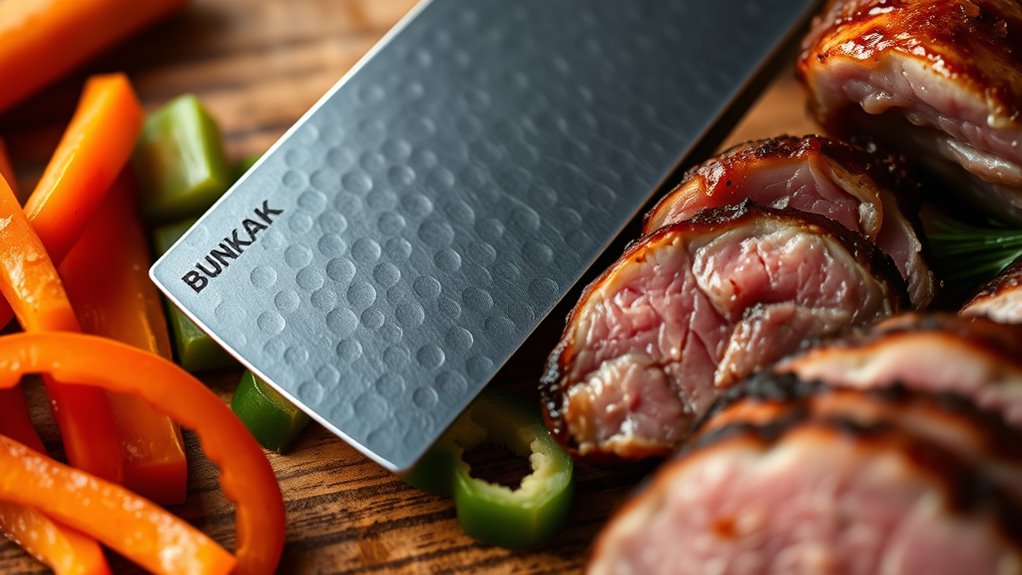
To get the most out of your Bunka knife, start by holding it with a proper grip and maintaining good posture to guarantee control. Use tap and push cutting techniques to leverage its flat edge and angular tip for clean, precise slices. Keep your blade sharp and well-maintained to preserve its cutting ability and avoid unnecessary effort. Additionally, understanding firewood handling techniques can help you create a more efficient and safer workflow in your kitchen or workshop. Proper tool safety practices are also essential to prevent accidents and ensure longevity of your knives and other equipment. Incorporating ventilation considerations can further improve your workspace by reducing fumes and maintaining a comfortable environment. Being aware of modern kitchen technology can also enhance your overall efficiency and safety during food preparation. Furthermore, integrating smart home automation features can help you monitor your kitchen environment and optimize lighting and airflow for a more comfortable cooking experience.
Proper Grip and Posture
Mastering the proper grip and posture is essential for maximizing the Bunka knife’s cutting potential. A secure grip ensures control, while good posture reduces fatigue and enhances precision. Here’s how to optimize your technique:
- Wrap your dominant hand around the handle, with your thumb and index finger gripping the blade’s spine for stability.
- Keep your wrist straight and relaxed to allow fluid, controlled motions.
- Stand with feet shoulder-width apart, knees slightly bent, and lean slightly forward, maintaining a straight back to keep balance and reduce strain. Practicing proper knife safety habits is crucial to prevent accidents and maintain the longevity of your blade.
- To improve your cutting technique, focus on consistent, smooth motions that follow the natural motion of your wrist and arm, reducing unnecessary pressure on the blade and your hand. Developing good cutting posture can also help prevent injuries and improve overall efficiency.
This setup allows you to wield the Bunka knife efficiently, whether slicing vegetables or meat, giving you better control and sharper, cleaner cuts every time.
Tap and Push Cutting
Tap and push cutting are essential techniques that leverage the Bunka knife’s flat edge and sharp blade to achieve precise, efficient cuts. With these methods, you use a gentle downward tap to set the blade into the ingredient, then push forward with controlled pressure. This approach minimizes slipping and helps maintain consistent thickness. The flat edge allows for full contact with the surface, ensuring steady cuts, while the angular tip provides accuracy for delicate tasks. By alternating between tapping and pushing, you can slice vegetables, meats, or herbs cleanly without excessive force. These techniques maximize your control, reduce waste, and enhance the quality of your cuts. Mastering tap and push cutting release the full potential of the Bunka knife’s versatility in everyday kitchen tasks. Additionally, understanding artistic expression can inspire more creative and mindful approaches to cooking techniques. Using the cutting surface properly can further improve precision and safety during slicing. Recognizing the importance of visual cues can further improve your accuracy and confidence with these cutting methods. Incorporating proper grip techniques can also help prevent fatigue and improve overall control during extended use. Being aware of technique consistency ensures each cut remains uniform, boosting presentation and efficiency.
Maintaining Sharpness Effectively
Properly maintaining the sharpness of your Bunka knife is essential for ensuring clean, precise cuts and extending its lifespan. To do this effectively, focus on these key techniques:
- Use a high-quality whetstone—preferably around 1000-3000 grit—to regularly hone the blade, maintaining its edge without removing too much steel.
- Practice proper slicing angles—keep the angle between 15-20 degrees to preserve the blade’s sharpness and cutting efficiency.
- Avoid cutting on hard surfaces—use a wooden or plastic cutting board to prevent unnecessary dulling or chipping of the edge.
Consistent care and correct technique ensure your Bunka knife stays sharp longer, providing excellent performance for all your prep work.
Maintenance Tips to Keep Your Bunka Sharp and Durable
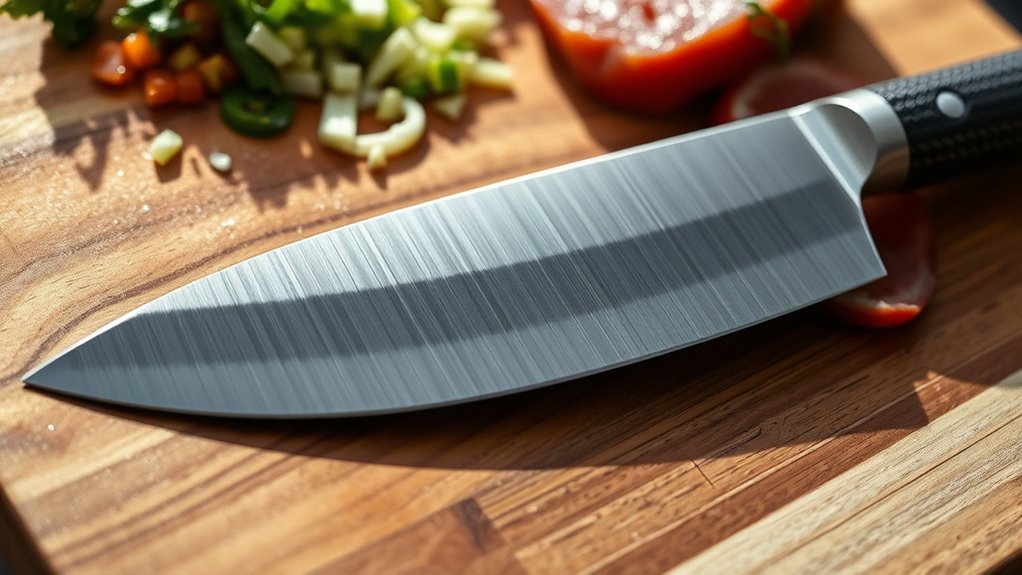
To keep your Bunka knife sharp and durable, you need to sharpen it regularly with the right tools. Using proper cutting techniques also prevents unnecessary wear and maintains its edge. By combining these practices, you’ll guarantee your knife stays precise and long-lasting.
Sharpen Regularly for Precision
Regular sharpening is essential to maintain the Bunka’s exceptional precision and durability. A sharp blade ensures clean cuts, preserves ingredients’ texture, and prevents accidents caused by dullness. To keep your Bunka in top shape, consider these tips:
- Use a whetstone with a 15-degree angle to match the blade’s bevel for precise sharpening.
- Maintain a consistent angle and use gentle, even strokes to avoid damaging the edge.
- Sharpen both sides equally, alternating sides to keep the blade balanced and sharp.
Use Proper Cutting Techniques
Using correct cutting techniques is essential to keep your Bunka knife sharp and durable. Always use a controlled, slicing motion rather than pressing down. Keep your fingers curled under your knuckles to guide the blade and prevent accidents. Use the full length of the blade, especially when chopping vegetables or slicing meat, to distribute force evenly. Avoid twisting or prying with the knife, which can damage the edge. Proper technique ensures cleaner cuts and less stress on the blade, prolonging its sharpness. Here’s a quick guide:
| Technique | Purpose |
|---|---|
| Push and pull cuts | Maintains blade integrity |
| Use a rocking motion | For delicate slicing |
| Curl fingers inward | Protects knuckles |
| Use a smooth motion | Prevents edge dulling |
| Avoid twisting | Keeps edge aligned and sharp |
Practical Tips for Incorporating Bunka Into Your Cooking Routine
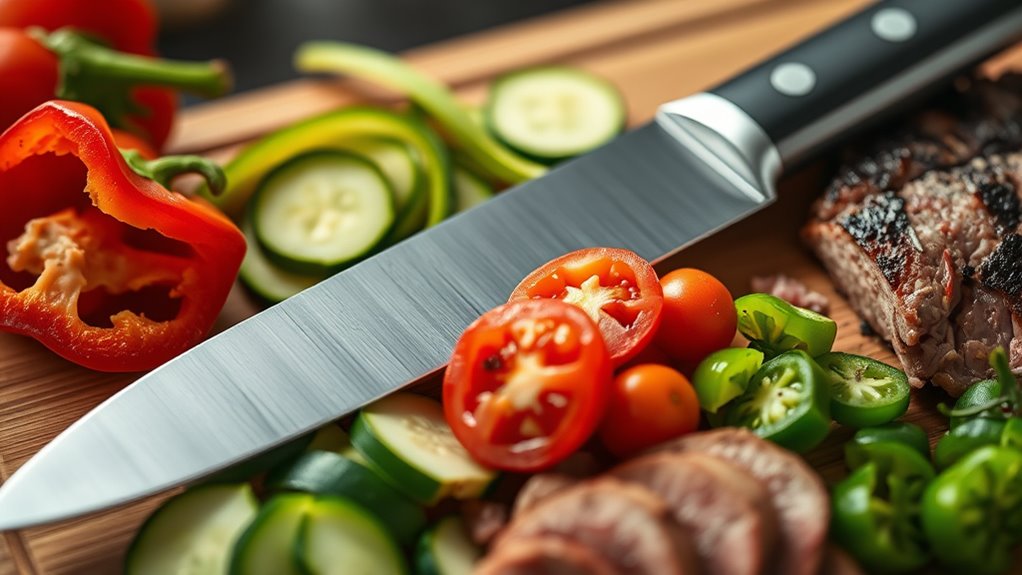
Incorporating a Bunka knife into your daily cooking can elevate your prep work thanks to its versatility and precision. To get started, consider these practical tips:
- Use the tap and push chopping method for vegetables and herbs, leveraging the flat edge for quick, clean cuts.
- Switch to a gentle rocking motion when slicing meats or fish, taking advantage of the knife’s balanced design.
- Incorporate precise scoring or decorative cuts with the angular tip, adding flair to presentations.
Keep the knife sharp with regular honing, and avoid using it on hard surfaces like glass or stone. With these simple adjustments, your Bunka will quickly become an indispensable part of your culinary routine.
Frequently Asked Questions
Is the Bunka Knife Suitable for Left-Handed Users?
Yes, the bunka knife is suitable for left-handed users because it has a double-edged design, allowing for comfortable use regardless of hand dominance. Its symmetrical blade shape and balanced weight make it easy to maneuver for both left- and right-handed chefs. You’ll find it provides precise cuts and control, making it an excellent versatile tool for all your kitchen tasks, whether slicing vegetables or meats.
Can the Bunka Knife Handle Heavy-Duty Chopping Tasks?
While the Bunka knife excels in precision and delicate cuts, it’s not ideal for heavy-duty chopping. Its lighter, thinner profile and sharp edge make it perfect for slicing vegetables and meats, but struggle when faced with dense, tough ingredients like squash or bones. For those tasks, you’re better off with a heavier, more robust cleaver or gyuto that can handle the extra force without compromising control or safety.
How Does the Bunka Knife Perform When Slicing Delicate Fish?
When slicing delicate fish, your bunka knife performs exceptionally well thanks to its sharp, thin blade and precise angular tip. Its flat edge allows for clean, controlled cuts, minimizing damage to the fish’s texture. The balance and lightweight design give you excellent maneuverability, so you can make delicate slices effortlessly. Overall, the bunka knife’s sharpness and precision make it ideal for handling delicate seafood with finesse.
What Is the Best Way to Sharpen a Bunka Knife?
When it comes to sharpening your bunka knife, don’t cut corners. Use a whetstone with a fine grit (around 1000-3000) to maintain that razor-sharp edge. Hold the blade at a consistent 15-degree angle and gently slide it across the stone, alternating sides. Finish with a leather strop or honing rod to refine the edge. Regular maintenance keeps the knife performing like a dream and guarantees precision in every cut.
Does the Bunka Knife Require Special Storage to Prevent Damage?
Yes, you should store your bunka knife carefully to prevent damage. Use a knife block, magnetic strip, or blade guard to protect the sharp edge from knocks and scratches. Avoid tossing it loose in a drawer, which can dull or chip the blade. Proper storage keeps the edge intact, maintains safety, and prolongs the knife’s lifespan, ensuring you always have a precise, ready-to-use tool for your kitchen tasks.
Conclusion
Think of your Bunka knife as the bridge connecting your skills to culinary mastery. Its versatile design is like a trusted compass, guiding you through vegetables and meats with ease. Embrace its unique form, and you’ll discover new flavors and textures, transforming everyday cooking into an artful journey. With proper care and practice, your Bunka becomes more than just a knife — it’s a symbol of your passion and dedication in the kitchen.