Choosing between value and premium chef knives depends on your cooking routine and what you need. If you cook occasionally, a budget knife may suffice, but if you prepare meals daily or seek precise cuts, investing in a premium knife pays off. Premium knives last longer, stay sharper, and offer better comfort, reducing fatigue. If you’d like to understand when spending more truly makes sense, you’ll discover key differences that can transform your kitchen experience.

Get kitchen gear delivered free — and shop member deals
- Fast, free delivery on millions of items
- Access to Prime Big Deal Days deals on October 6–7
- Prime Video, Amazon Music and more included
Key Takeaways
- Premium knives offer longer-lasting sharpness and durability, reducing long-term replacement and maintenance costs.
- Higher-quality steels and craftsmanship improve cutting performance, especially for professional or frequent cooks.
- Investing in premium knives enhances comfort, ergonomics, and control during extended or heavy use.
- Value depends on usage frequency; casual cooks may find mid-range or budget options sufficient.
- Spending more makes sense when precise cuts, durability, and long-term performance are priorities.
Understanding the Price Tiers of Chef Knives
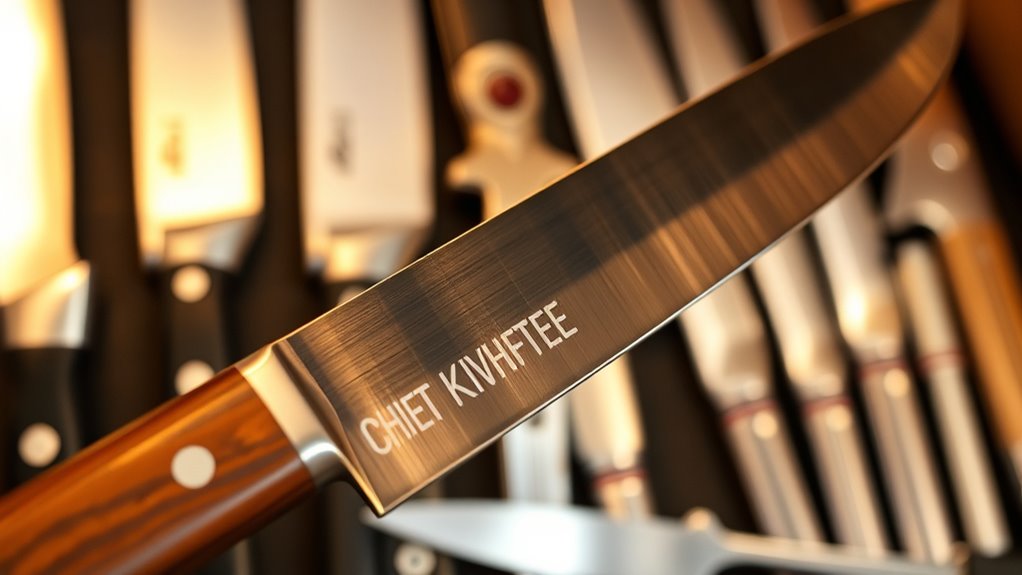
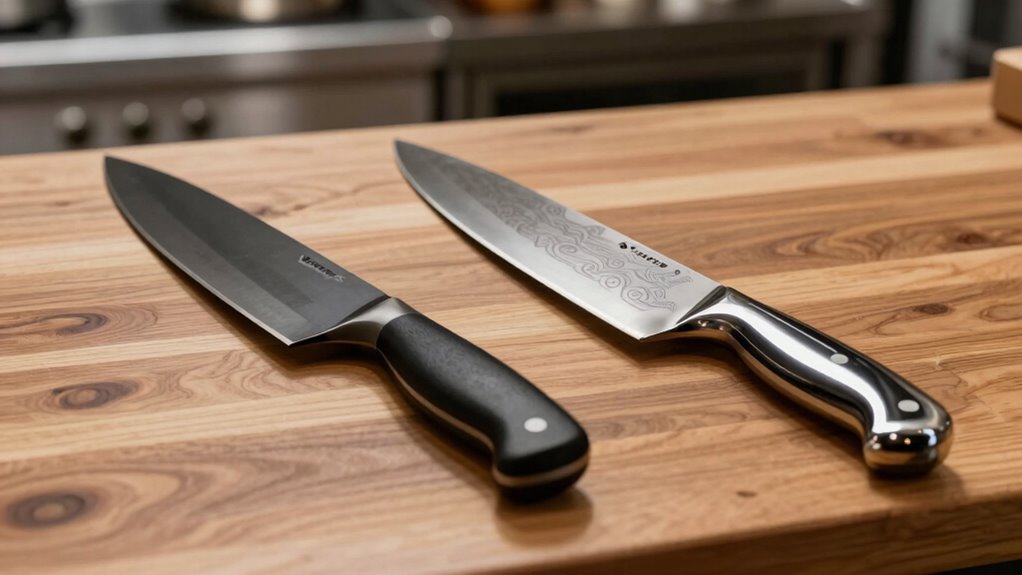
Understanding the price tiers of chef knives helps you choose the right tool for your needs and budget. Budget knives under $50, like the Victorinox Fibrox Pro, are great for everyday use and occasional cooking. Mid-range options, priced between $50 and $150, such as the Forged Zwilling Pro, offer better durability and balance. Premium knives over $150, including Japanese Gyutos, provide top-tier steel, craftsmanship, and performance. These tiers reflect differences in materials, construction, and overall quality. Budget knives often feature stamped blades, while mid-range and premium models are forged with full tangs and bolsters for strength. Knowing these tiers guides you in selecting a knife that balances cost with the features you value most, whether it’s everyday reliability or professional-grade performance. Material quality plays a significant role in the longevity and performance of these knives, especially at higher tiers. Additionally, manufacturing processes such as forging versus stamping significantly impact overall durability and performance at each price point. For example, forged blades generally provide better strength and edge retention compared to stamped counterparts. Recognizing the brand reputation can also help you find reliable options within each tier, ensuring your investment pays off over time. Being aware of quality indicators helps you assess what to expect at each price level, making your purchase more informed.
Material Quality and Construction Differences
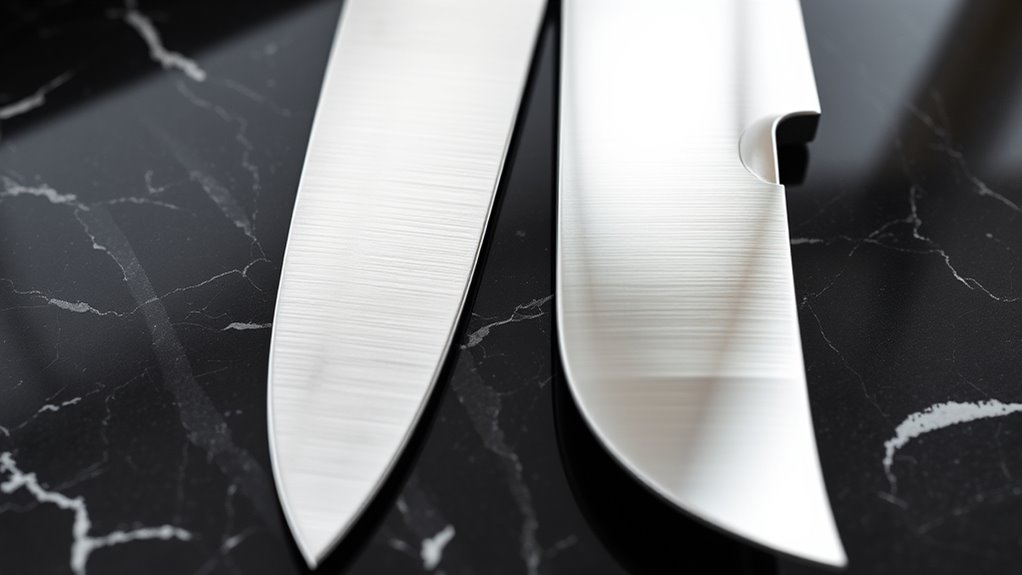
The steel used in your knife greatly affects its performance and durability, with premium options often featuring specialized alloys and higher hardness levels. Craftsmanship and assembly also matter, as forged knives with full tangs and solid construction tend to last longer and feel better in your hand. Paying attention to these material and build differences helps you understand why higher-tier knives deliver superior results. Additionally, some premium knives incorporate advanced metallurgical techniques, resulting in better edge retention and corrosion resistance. Understanding material science can further clarify how these techniques improve overall knife quality, especially through microstructural enhancements.
Steel Composition and Hardness
Steel composition and hardness are key factors that differentiate budget and premium chef knives. Budget knives typically use softer stainless steel, making them easier to sharpen but prone to dulling quickly and chipping. Premium knives, on the other hand, feature high-quality steel alloys like VG10 or SG2, combined with advanced heat treatments. This results in harder blades with Rockwell hardness levels often exceeding 60, which maintain a sharp edge longer and resist chipping. The increased hardness also makes these knives more durable over time, though they require more skill to sharpen properly. Better steel composition guarantees the blade’s resilience, edge retention, and overall performance, making premium knives well worth the investment if you prioritize longevity and precision in your cooking tools.
Craftsmanship and Assembly
Craftsmanship and assembly play a crucial role in distinguishing budget knives from premium options. With budget knives, you’ll often find stamped blades that are quickly produced, lacking the durability and balance of higher-tier models. Premium knives, however, are usually forged with full tang construction, meaning the blade extends through the handle for better strength and stability. The assembly of premium knives involves meticulous fitting of the handle, bolster, and tang, ensuring a seamless, balanced feel in your hand. This careful craftsmanship results in a knife that not only performs better but also lasts longer. The attention to detail in construction directly impacts how well the knife cuts, feels, and withstands heavy use, making the investment worthwhile if you seek consistency, comfort, and longevity.
The Impact of Edge Sharpness and Retention
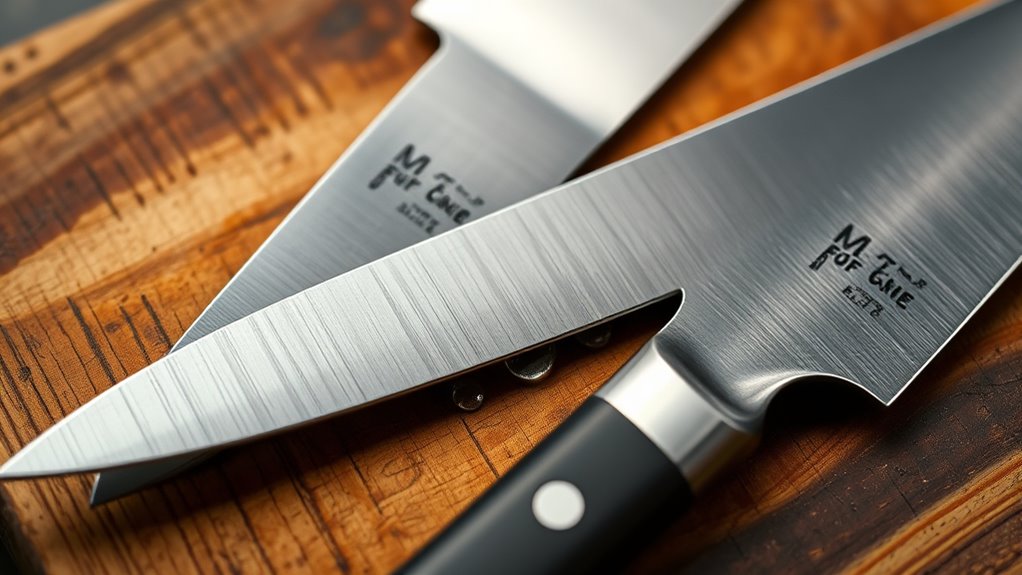
Your knife’s edge determines how quickly and easily you can cut through ingredients, saving you time and effort. Maintaining sharpness requires regular honing and sharpening, especially with budget models that dull faster. The materials used in higher-end knives help preserve their edge longer, reducing the need for frequent maintenance.
Cutting Efficiency Gains
When it comes to cutting efficiency, the sharpness and edge retention of a knife play crucial roles in how effectively you can slice through ingredients. A sharper edge reduces the force needed, making cuts cleaner and faster. Better edge retention means fewer sharpening sessions, maintaining performance longer. Premium knives often stay sharp longer and resist dulling, especially when cutting tough items like root vegetables or bones. Conversely, budget knives dull quickly, requiring frequent sharpening, which interrupts workflow. Here’s how different tiers compare:
| Knife Tier | Sharpness Longevity | Ease of Cutting | Dulling Resistance |
|---|---|---|---|
| Budget (<$50) | Short | Moderate | Low |
| Mid-range ($50–$150) | Better | Good | Moderate |
| Premium ($200+) | Long | Excellent | High |
Additionally, the quality of materials used influences the dulling resistance, with premium steels providing greater durability over time. For example, high-quality steel alloys tend to maintain their edge longer under heavy use. Maintaining proper technique and knife care practices also significantly contribute to preserving edge sharpness and performance.
Maintenance and Honing
Maintaining a sharp edge is essential for efficient and safe cutting, but how easily you can hone or sharpen your knives depends heavily on their edge retention. Budget knives dull quickly and require frequent sharpening, often even after light use, making maintenance a regular chore. Mid-range knives generally hold their edge longer, reducing sharpening frequency and making upkeep manageable for home cooks. Premium knives, with their harder steel and advanced heat treatments, retain their sharpness even after heavy use but are more challenging to sharpen due to increased hardness. They often require more skill and time to restore a fine edge. If you’re willing to invest in proper technique or professional services, premium knives can maintain their edge longer, but for everyday use, mid-range options strike a good balance between ease of maintenance and performance. edge retention directly impacts how often you need to sharpen or hone your knives, affecting overall maintenance efforts. Additionally, the steel composition plays a critical role in determining how well a knife maintains its sharpness over time, especially considering factors like hardness levels and corrosion resistance. Recognizing the manufacturing process can also influence a knife’s durability and ability to sustain a sharp edge over prolonged use.
Material Durability Impact
Material durability directly affects a knife’s ability to stay sharp and resist damage over time. When you choose premium knives, you’re getting steels with higher hardness levels and better heat treatment, which help maintain a sharp edge longer. This means less frequent sharpening and fewer chips or dents, especially when cutting tough ingredients. Cheaper knives, made from softer steel, dull quickly and are more prone to damage, forcing you to sharpen often. While premium materials can be harder to sharpen initially, they offer superior edge retention, saving you time and effort in the long run. Durable materials also contribute to a knife’s overall resistance to corrosion and wear, further enhancing longevity. Ultimately, investing in resilient materials ensures your knife remains effective and reliable through heavy use, making it a worthwhile choice for serious cooks and professionals alike.
Comfort, Ergonomics, and Handling for Extended Use

Extended use of a chef’s knife demands comfort and ergonomic design to prevent fatigue and improve control. When you choose a higher-tier knife, you’ll notice a better-balanced handle that fits your hand naturally, reducing strain during long sessions. Premium knives often feature contoured handles with textured grips, giving you confidence with each cut. Their weight distribution helps you maneuver easily, especially when working with tough ingredients or large vegetables. Unlike budget models, which may cause discomfort after extended use, premium knives are designed to minimize pressure points and promote a more natural grip. This ergonomic focus helps reduce fatigue and enhances precision during prolonged tasks. Additionally, proper maintenance of premium knives helps preserve their ergonomic features and overall performance. Incorporating connected kitchen tools or accessories can further support your knife care routine and long-term comfort. Ultimately, the investment in comfort and handling pays off during prolonged kitchen tasks, making premium knives worth the extra cost.
Maintenance and Sharpening Requirements Across Tiers
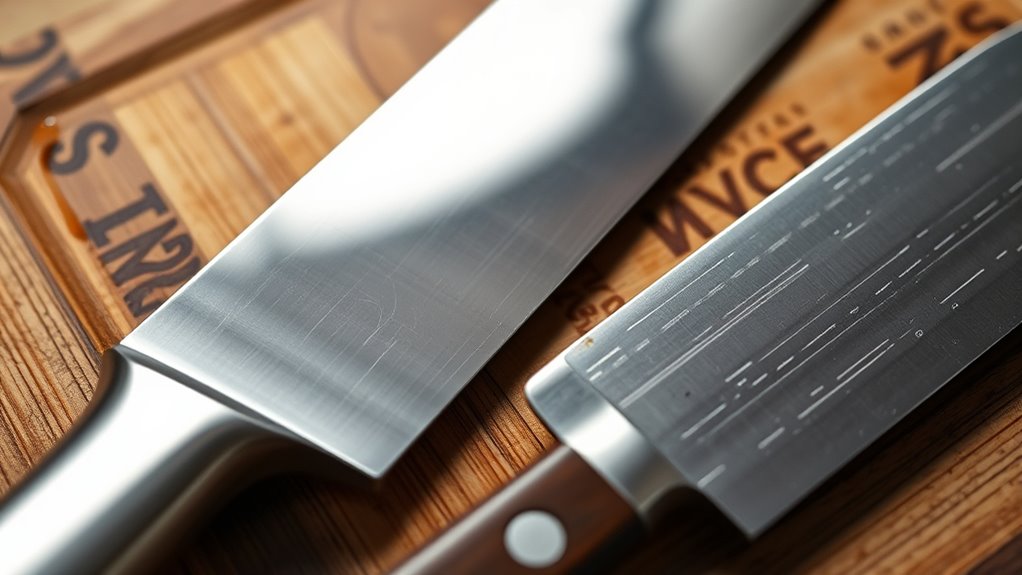
While higher-tier knives often require more skill to sharpen properly, they generally hold their edge longer and need less frequent maintenance than budget options. Cheap knives dull quickly and need constant honing and sharpening, often multiple times a week, even with light use. They’re easier to sharpen but lose their edge fast, leading to frequent maintenance. Mid-range knives strike a balance—they’re easier to sharpen than premium options and don’t require as much attention, making them suitable for home cooks. Premium knives, with their harder steel and advanced heat treatments, resist dulling longer but demand more skill and time when sharpening. They often need specialized tools and techniques, so maintaining them takes more effort and precision. Additionally, understanding Proper maintenance practices and proper sharpening techniques can help extend the life of high-end knives. Regular honing and correct sharpening techniques are crucial for preserving their quality and performance. Proper storage and cleaning are also essential to prevent damage and corrosion, especially for premium knives. Using the right cleaning tools and techniques can significantly prolong the lifespan of your premium cutlery. Overall, your maintenance needs will depend on your skill level and how often you use your knives.
When Does Investing in Premium Make a Difference?
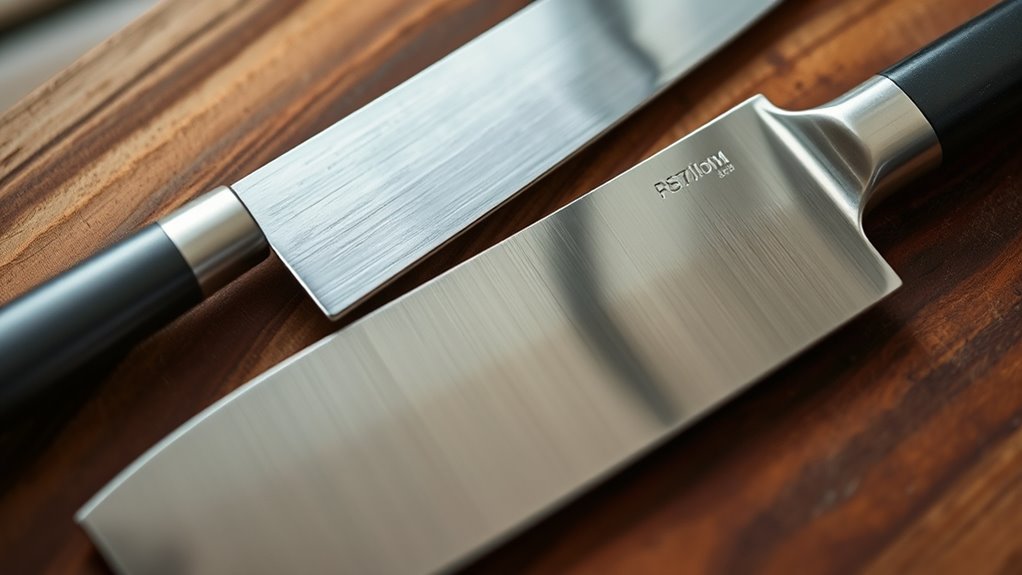
Investing in a premium chef knife makes a real difference when you cook frequently and seek consistent performance. If you’re in the kitchen daily, a high-quality knife offers sharper edge retention, better balance, and improved ergonomics, reducing fatigue during long prep sessions. The superior steel and heat treatment mean your knife stays sharper longer, even with heavy use, saving you time on maintenance. For professional chefs or serious home cooks, the durability and precision of a premium knife translate into cleaner cuts, more control, and less frustration. If you value the craft of cooking and want tools that elevate your skills, spending more on a premium knife makes sense. Additionally, proper care and maintenance can extend the lifespan and performance of your investment. Understanding foraging techniques and selecting the right tools can also enhance your culinary experience by providing fresh, wild ingredients. Moreover, choosing a quality handle design can significantly improve comfort during prolonged use, making your cooking more enjoyable. Recognizing the importance of reliance on cloud services can help you plan for potential disruptions and select tools or backup systems accordingly, especially in a professional setting. However, if you cook occasionally, a mid-range or budget option may meet your needs without the extra investment.
Cost-Benefit Analysis for Different Types of Cooks
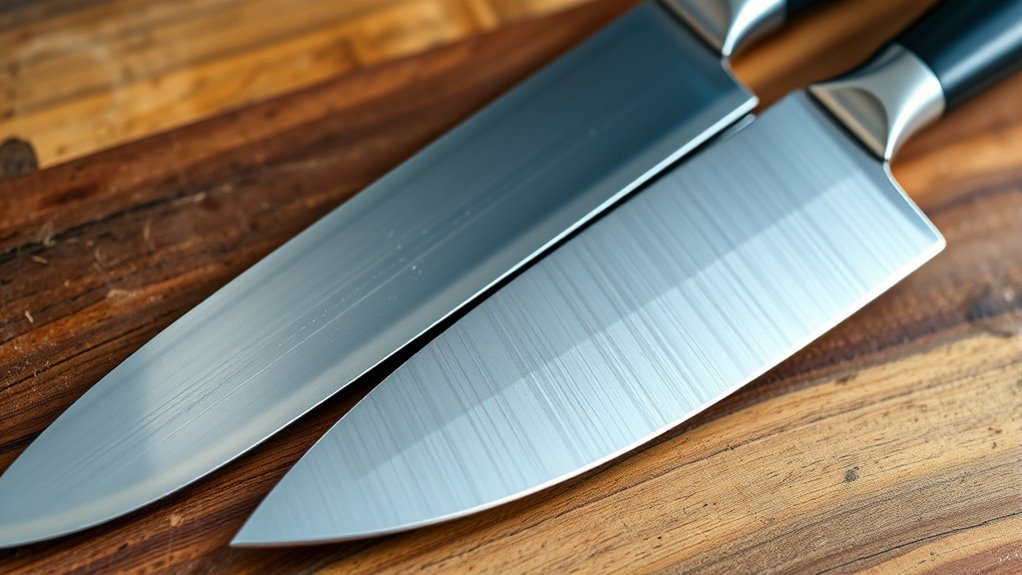
Understanding the costs and benefits of different chef knives helps you choose what suits your cooking style and frequency. If you cook daily, investing in a mid-range or premium knife offers better edge retention, comfort, and durability, reducing fatigue and sharpening needs over time. For occasional cooks, budget knives provide enough performance without extra expense. Here’s a quick comparison:
| Type of Cook | Best Knife Choice | Benefits |
|---|---|---|
| Daily Home Cook | Mid-range or Premium | Long-lasting sharpness, comfort |
| Occasional Cook | Budget or Mid-range | Cost-effective, decent performance |
| Professional | Premium | Max durability, ergonomics |
| Hobbyist | Budget or Mid-range | Easy maintenance, affordability |
| Beginner | Budget | Simple, low cost to learn |
Common Myths About High-End Vs Budget Knives
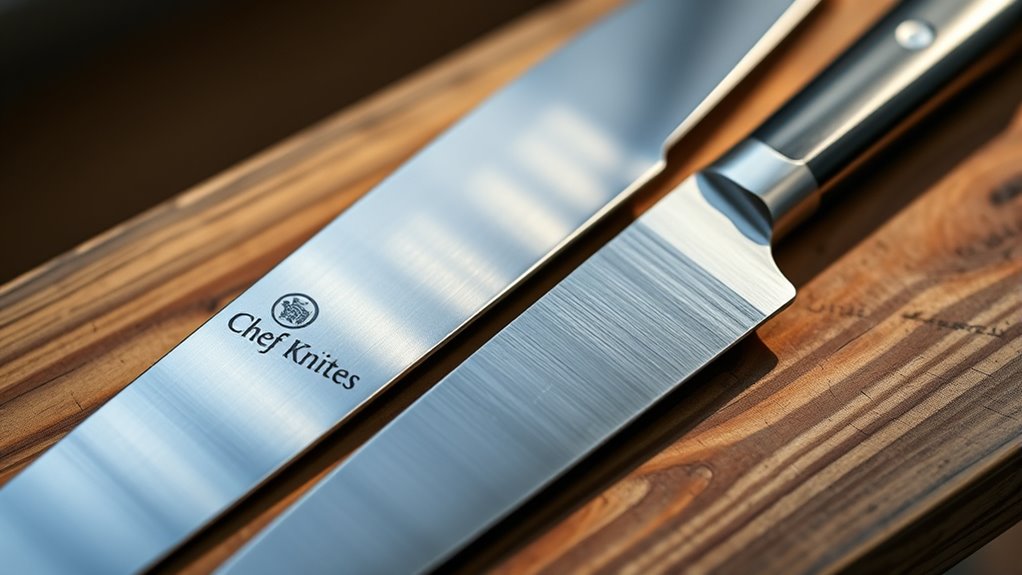
Many people believe that high-end chef knives automatically outperform budget options in every way, but that’s a common misconception. While premium knives often feature better steel, construction, and edge retention, they don’t always translate to better results for everyone. For occasional cooks, a well-maintained budget knife can handle most tasks just as effectively. Some assume that expensive knives cut effortlessly and last forever, but they require proper sharpening and care. Others think that high-end knives are only for professionals; in reality, many home cooks benefit from the durability and ergonomics of mid-range options without overspending. Remember, performance depends on how you use and maintain your knife, not just its price tag. Choosing the right knife for your needs is more important than chasing high-end myths.
Making the Right Choice for Your Cooking Needs
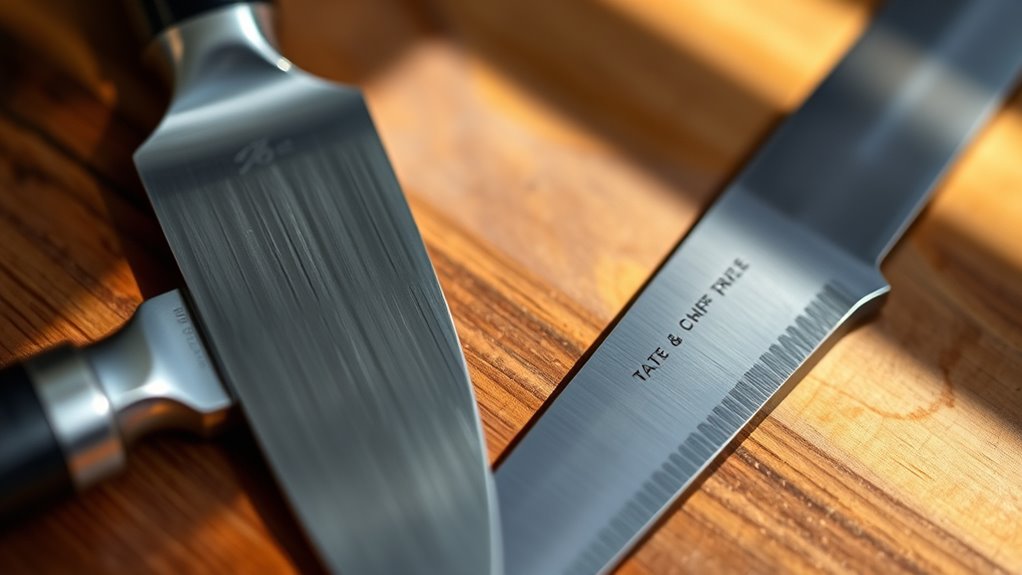
Choosing the right knife depends on how often and what type of cooking you do. If you cook daily and handle diverse tasks, investing in a mid-range or premium knife makes sense. These knives offer better balance, edge retention, and durability, reducing fatigue during long sessions. For occasional cooks, a budget knife can handle basic tasks and sharpen easily, making it a practical choice. Consider your typical meals—if you often prepare meats, vegetables, or delicate items, a sharper, more durable knife improves your results. Think about comfort and ergonomics, especially if you’ll be chopping for extended periods. Ultimately, match your knife choice to your cooking frequency, skill level, and the types of dishes you prepare. Spending more can be worthwhile if it enhances your efficiency and enjoyment in the kitchen.
Frequently Asked Questions
How Often Should I Sharpen Different Tiers of Chef Knives?
You should sharpen budget knives every 1-2 weeks since they dull quickly and are easier to sharpen. Mid-range knives need sharpening every 3-4 weeks, as they hold their edge longer and resist chipping. Premium knives, with their harder steel, typically require sharpening every 4-6 weeks or when you notice a decrease in performance. Regular honing helps maintain sharpness across all tiers, reducing the need for frequent sharpening.
Can Budget Knives Handle Professional Kitchen Tasks Effectively?
Did you know budget knives like Victorinox Fibrox can handle professional kitchen tasks effectively? They’re made with stamped blades, which are surprisingly durable for daily use, and offer comfortable grips. While they may not last as long or stay sharp as premium options, if you sharpen them regularly, they perform well enough for most culinary tasks. So, with proper care, budget knives can be a reliable choice in a busy kitchen.
Are Premium Knives More Durable in the Long Run?
Yes, premium knives are more durable in the long run. You’ll notice they resist chipping and maintain their sharpness longer due to superior steel and heat treatment. Although they cost more upfront, they require less frequent sharpening and replacement, saving you money over time. With better construction, balance, and handle ergonomics, you’ll find premium knives withstand heavy use, making them a worthwhile investment if you want long-lasting performance.
Is It Worth Upgrading From Mid-Range to Premium Knives?
Think of upgrading from mid-range to premium knives like sharpening your edge of mastery—it’s worth it if you often cook or seek professional results. You’ll notice longer-lasting sharpness, better handling, and reduced fatigue, transforming your kitchen experience. If you cook daily or aspire to professional quality, investing in premium knives pays off. But if you’re an occasional cook, your mid-range tools already serve you well, making the upgrade less necessary.
How Do I Identify Genuine High-End Chef Knives?
You can identify genuine high-end chef knives by examining the materials and craftsmanship. Look for forged blades with full tangs, high-quality steel, and precise heat treatment. Check for a comfortable, balanced handle and a refined, sharp edge that retains its edge longer. Authentic premium knives often have branding or markings indicating their origin or maker. Avoid cheap-looking logos or poorly finished details, which signal lower-quality imitations.
Conclusion
Choosing between value and premium chef knives is like picking the right partner—you want someone who matches your rhythm and needs. While budget options can serve well, investing in a premium knife is like finding a trusted co-pilot that makes every cut smoother and more enjoyable. Consider your cooking style, comfort, and goals. When you find that perfect match, your kitchen can become a stage where every meal shines effortlessly.
Evergreen bestsellers Picks
bestsellers
As an affiliate, we earn on qualifying purchases.