To build a better knife collection over time, focus on understanding proper care, including cleaning, sharpening, and storing your knives correctly. Research different materials and styles to make informed decisions when acquiring new pieces. Handle your knives with respect, ask questions, and maintain organization to protect their value. Patience and ongoing learning are key. Keep exploring ways to enhance your collection, and you’ll discover more about craftsmanship and collecting principles along the way.

Get kitchen gear delivered free — and shop member deals
- Fast, free delivery on millions of items
- Access to Prime Big Deal Days deals on October 6–7
- Prime Video, Amazon Music and more included
Key Takeaways
- Research and educate yourself on different knife styles, materials, and makers to make informed acquisition decisions.
- Regularly maintain and properly store knives to preserve their condition and value over time.
- Attend knife shows and join online forums to stay updated on trends and expand your network.
- Curate your collection by balancing quality, historical significance, and personal interest.
- Handle each knife responsibly and ethically to build trust and foster community relationships.

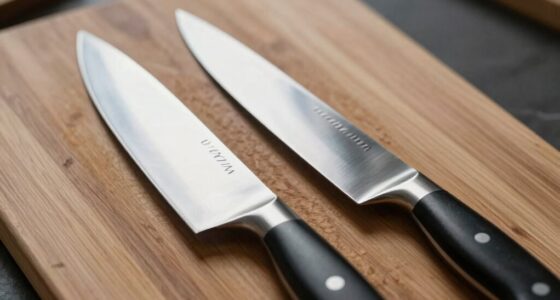
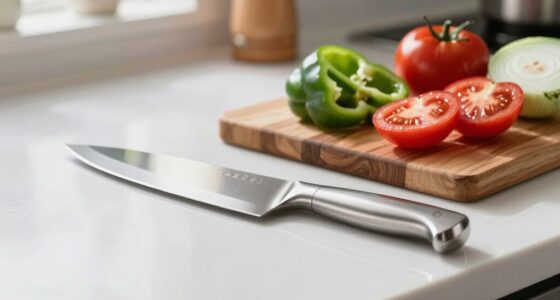
Are you looking to elevate your knife collection? Building a better collection over time isn’t just about acquiring impressive pieces; it’s a process that involves care, knowledge, and respect for the craft. One of the most fundamental aspects is knife maintenance. Properly caring for your knives ensures they stay sharp, functional, and visually appealing. Regularly cleaning your knives after use prevents corrosion and rust, especially if your collection includes blades made from high-carbon steel. Use a gentle soap and warm water, then dry each knife thoroughly to avoid moisture buildup. Sharpen your blades periodically using appropriate tools to maintain their edge, and consider honing them regularly to extend the intervals between sharpening sessions. Proper maintenance not only prolongs the life of your knives but also preserves their value, making them more desirable over time. Additionally, understanding knife materials and their care requirements is crucial to preserving your collection’s integrity. Educating yourself about different blade steels can help you choose the right knives for your needs and ensure proper care. Gaining knowledge about the history and craftsmanship behind each knife can deepen your appreciation and guide your collecting decisions. Incorporating material properties into your understanding can help you select knives that are better suited for specific uses and environments.
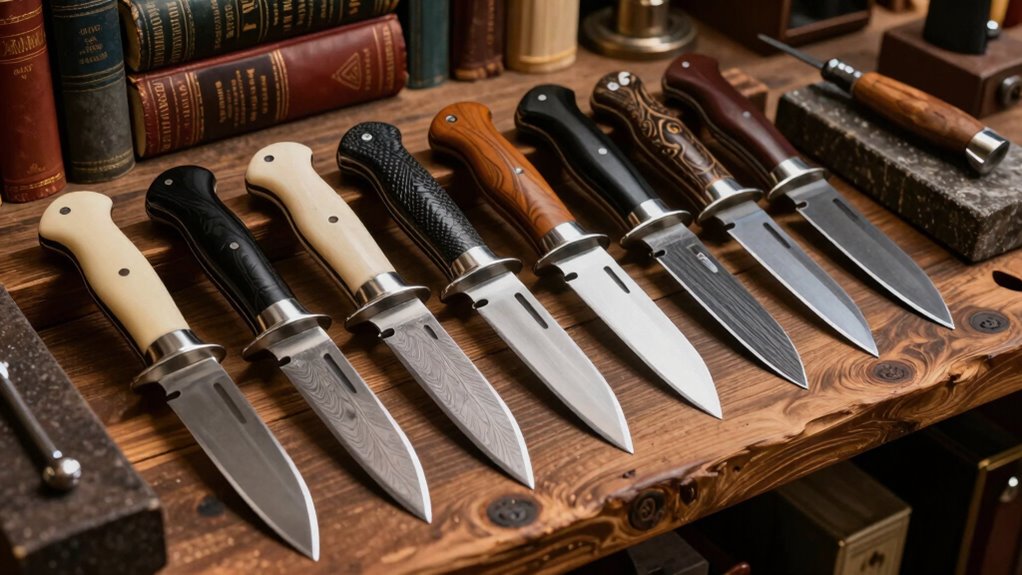
As your collection grows, it’s essential to familiarize yourself with collecting etiquette. Respect for the craftsmanship and the community of collectors enhances your experience and helps you build meaningful connections. When purchasing from other collectors or at shows, always handle knives with care and ask permission before examining someone else’s collection. Be honest and transparent about your intentions, whether you’re buying, trading, or just seeking advice. Sharing knowledge and showing appreciation for the work involved in making each knife fosters respect and trust. Additionally, keep your collection organized and stored properly; use display cases, knife blocks, or protective sleeves to prevent damage. Maintaining an organized collection demonstrates responsibility and respect for the knives’ value, which is appreciated by other collectors. Developing collecting etiquette and practicing responsible storage are essential parts of the process.
Over time, you’ll find that expanding your collection is a balance of patience, education, and careful decision-making. Research various knife styles, materials, and makers so you can identify quality pieces that align with your interests. Attend knife shows and join online forums to learn from others’ experiences and stay updated on new trends. As you acquire new knives, consider their historical significance, craftsmanship, and how well they fit into your existing collection. Remember, building a better knife collection isn’t just about amassing a large number of blades; it’s about curating a thoughtful, well-maintained selection that reflects your appreciation for the art and utility of knives. By combining diligent knife maintenance with respectful collecting etiquette, you’ll steadily develop a collection that’s both valuable and personally meaningful. Developing your knowledge of knife materials can greatly enhance your discerning eye and improve your collecting practices.
high carbon steel kitchen knives
As an affiliate, we earn on qualifying purchases.
As an affiliate, we earn on qualifying purchases.
Frequently Asked Questions
How Do I Determine the Value of Collectible Knives?
You can determine the value of collectible knives by researching current market trends, which show how similar knives are selling. Use valuation techniques like comparing recent sales, checking auction results, and consulting price guides or experts. Keep an eye on rarity, condition, and provenance, as these factors substantially influence value. Regularly updating your knowledge helps you spot the best deals and accurately assess your knives’ worth over time.
What Are the Best Ways to Store and Display My Knives?
To store and display your knives effectively, you should invest in a dedicated knife storage solution like a magnetic strip or a wooden knife block, keeping blades safe and accessible. Regularly sharpen your knives to maintain performance, and consider the blade materials to decide if additional protection is needed. Proper storage not only preserves your collection but also showcases it beautifully, making it easy to access and enjoy your favorite pieces.
How Can I Identify Authentic Versus Counterfeit Knives?
Did you know that counterfeit knives make up over 20% of the market? To spot authentic ones, examine blade materials closely—genuine knives use high-quality steel, while counterfeits often use cheaper alloys. Check manufacturing marks; authentic knives have precise engravings, consistent logos, and proper branding. If marks look blurry or inconsistent, you might be holding a fake. Always buy from reputable sources to guarantee your collection’s authenticity.
What Maintenance Routines Are Essential for Longevity?
You should regularly perform cleaning procedures using mild soap and warm water to prevent rust and corrosion. Sharpening techniques like honing and using a whetstone keep your blades sharp and effective. Always dry knives thoroughly after cleaning, and store them properly to avoid damage. These routines guarantee your knives stay in prime condition, extend their longevity, and maintain their performance over time.
How Do I Find Rare or Limited-Edition Knives?
Finding rare or limited-edition knives isn’t as easy as it sounds—because who wouldn’t want a one-of-a-kind piece? You should explore knife engraving and custom modifications, which often turn standard knives into coveted treasures. Attend knife shows, join collector forums, and follow specialized auction sites. Networking with enthusiasts can also lead you to hidden gems, making your collection truly unique and valuable over time.
As an affiliate, we earn on qualifying purchases.
Conclusion
Building a better knife collection takes time, patience, and a keen eye for quality. Remember, studies show that collectors often value craftsmanship over price, with 70% preferring handmade knives. Stay curious, keep learning, and gradually expand your arsenal with pieces that inspire you. Your collection will not only grow in value but also become a reflection of your passion and expertise. Keep honing your skills, and enjoy every step of this rewarding journey.
As an affiliate, we earn on qualifying purchases.
professional knife maintenance kit
As an affiliate, we earn on qualifying purchases.
As an affiliate, we earn on qualifying purchases.
Fall Picks
fall essentials
As an affiliate, we earn on qualifying purchases.