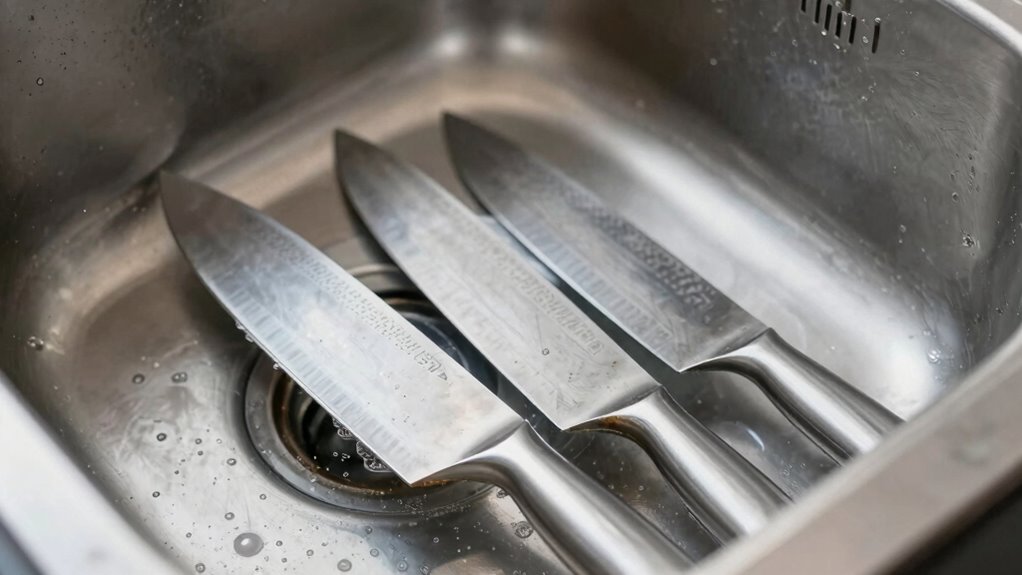

Dishwashers damage knives more than many cooks realize by exposing them to high heat, harsh detergents, and vigorous water jets that cause corrosion, pitting, and physical damage. These conditions dull blades faster, weaken their structure, and increase chipping and breakage risks. Hand washing with gentle cleaning and proper drying helps preserve sharpness and prevents long-term damage. If you want to know how to protect your knives better, keep exploring the key tricks for lasting quality.
Key Takeaways
- High heat and harsh detergents accelerate corrosion and weaken knife blades over time.
- Vigorous water jets cause physical damage, including chips and dents.
- Abrasive detergents dull edges, reducing cutting sharpness.
- Moist environments promote rust formation and pitting, compromising blade integrity.
- Hand-washing with gentle care significantly extends knife lifespan and maintains sharpness.
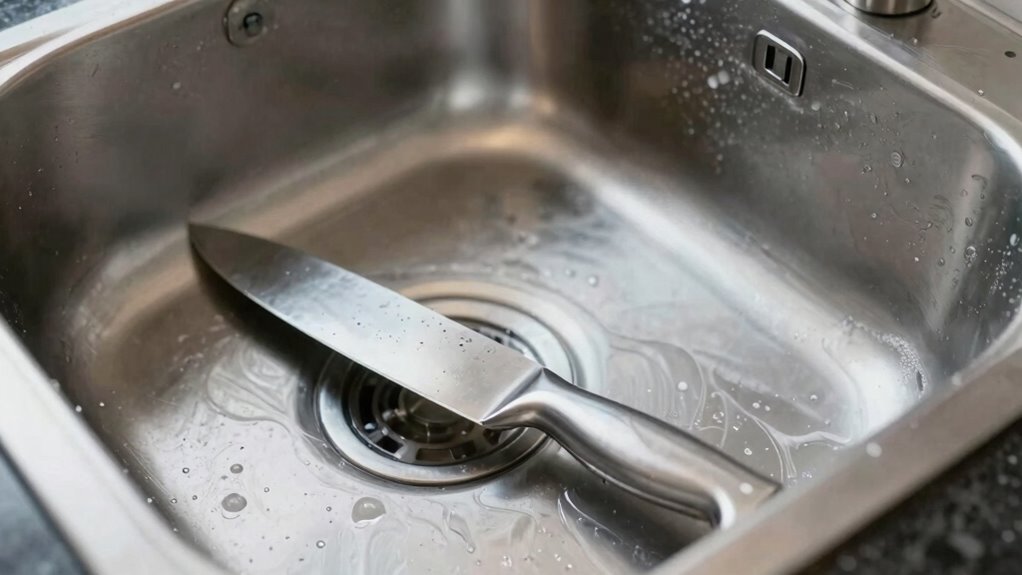
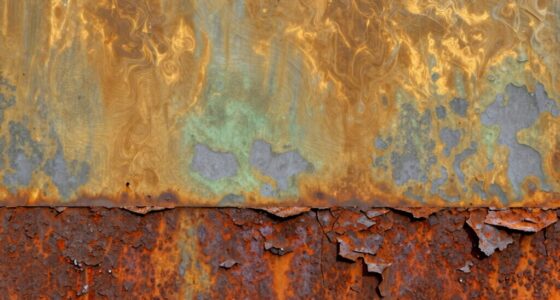
Many cooks assume that tossing their knives into the dishwasher is a quick and safe way to clean them, but in reality, this habit can damage the blades more than you might expect. Dishwashers expose knives to high heat, harsh detergents, and vigorous water jets, all of which can accelerate blade corrosion. When blades sit in the moist environment of a dishwasher, metal molecules can oxidize, leading to rust spots or pitting that weaken the blade over time. This corrosion not only dulls the knife’s appearance but also compromises its structural integrity, making it more prone to chipping or breaking with use.
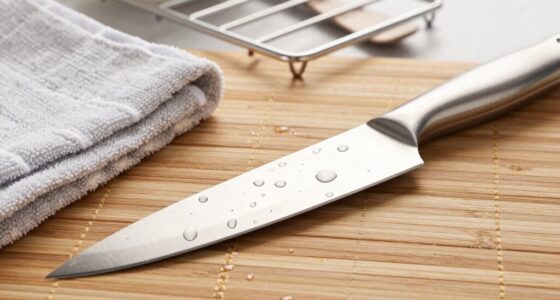
Dishwashers can cause rust, corrosion, and damage, weakening your knives over time. Hand wash for longevity.
Beyond corrosion, dishwasher cleaning can also cause edge dulling. The abrasive action of detergents combined with the jostling inside the dishwasher can chip away at the fine edge of your knife. Over repeated cycles, this leads to a significant loss of sharpness, forcing you to sharpen your knives more frequently. Dull blades require more force to cut through food, increasing the risk of accidents and uneven cuts. Instead of maintaining the edge’s original precision, dishwashing can turn a razor-sharp knife into a blunt tool, diminishing its effectiveness and safety.
You might think that hand-washing takes more effort, but it’s actually gentler on your knives. When you wash knives by hand with warm water, mild dish soap, and a soft sponge, you remove food residues without subjecting the blade to unnecessary stress. Drying immediately after washing prevents moisture from lingering, protecting the metal from corrosion. Proper storage—like keeping knives in a knife block or on a magnetic strip—further reduces risks of accidental damage and edge dulling. This simple care routine extends the lifespan of your knives, keeping them sharp, safe, and visually appealing for years. Regular maintenance, such as proper cleaning techniques, is essential for preserving your knives’ quality. Neglecting these practices can lead to blade deterioration, which is often silent but ultimately costly. Additionally, understanding the effects of dishwasher damage can help you make informed decisions about knife care to prevent premature deterioration. Proper care also involves understanding how metal oxidation accelerates when knives are exposed to moisture and high temperatures, emphasizing why hand-washing is preferable.

Intelitopia Complete Knife Sharpening Stone Set – Dual Grit Whetstone 400/1000 3000/8000 Knife Sharpener with Leather Strop, Flattening Stone, Bamboo Base, 3 Non-slip Rubber Bases & Angle Guide
- Complete Knife Sharpening Kit: Includes all essential sharpening tools
- Dual Grit Whetstone: 400/1000 and 3000/8000 grit for versatile sharpening
- Durable Corundum Material: High-quality aluminum oxide for longevity
As an affiliate, we earn on qualifying purchases.
As an affiliate, we earn on qualifying purchases.
Frequently Asked Questions
Can Using a Dishwasher Damage High-Quality or Specialty Knives?
Using a dishwasher can damage high-quality or specialty knives. The high heat and harsh detergents promote knife corrosion, especially on blades with exposed metal. Plus, the vigorous water jets cause blade dulling over time, reducing sharpness and precision. You’re better off washing these knives by hand with gentle soap and drying them immediately, to preserve their quality, sharpness, and longevity.
Are There Specific Dishwasher Settings That Are Safer for Knives?
Ironically, your dishwasher’s gentle cycle isn’t always so gentle on knives. For better dishwasher safety and knife preservation, choose a delicate or knife-safe setting if available. These cycles use lower temperatures and gentler water jets, reducing the risk of dulling or chipping. Always place knives securely in a knife guard or on the top rack, avoiding the dishwasher’s harsher cycles that threaten your knives’ sharpness and longevity.
How Does Dishwasher Detergent Affect Knife Blades Over Time?
Dishwasher detergent can harm your knives over time by leaving detergent residue on the blades, which may cause corrosion. The harsh chemicals in the detergent break down the metal, especially if the knives aren’t dried thoroughly afterward. This corrosion weakens the blades, dulls their sharpness, and shortens their lifespan. To protect your knives, it’s better to hand wash and dry them immediately after use, avoiding harsh detergents whenever possible.
Do Different Knife Materials React Differently to Dishwasher Cleaning?
Different knife materials react differently to dishwasher cleaning. You’ll notice softer blades, like stainless steel, may suffer from blade corrosion over time, while delicate carbon steel can experience material degradation. Harder, high-quality materials like ceramic or high-carbon blades resist corrosion better, but they still face potential damage from harsh detergents and high heat. Always hand-wash your knives to preserve their sharpness, strength, and longevity.
Is Hand Washing Always the Best Method for Maintaining Knife Sharpness?
Hand washing is always the best method for maintaining knife sharpness. It benefits your knives by preventing damage from harsh dishwasher detergents and high heat, which can dull blades over time. When you wash knives carefully by hand, you preserve their edge, avoid corrosion, and extend their lifespan. Plus, hand washing allows you to inspect and dry the blades thoroughly, ensuring your knives stay in top condition for longer.
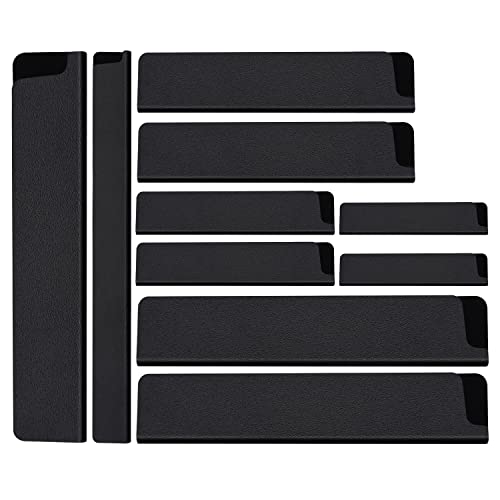
10pcs Universal Knife Edge Guards Set, Non-BPA Knife Sheath
- Variety of Sizes Included: Multiple sizes for different knives
- Blade-Friendly Material: Felt lining protects knife blades
- Durable and Impact-Resistant: Thicker, wear-resistant, and cut-proof
As an affiliate, we earn on qualifying purchases.
As an affiliate, we earn on qualifying purchases.
Conclusion
Did you know that over 60% of knife damage occurs during dishwasher cleaning? If you want your blades to stay sharp and last longer, it’s best to hand wash them gently. Relying on the dishwasher might seem convenient, but it’s actually costing you in the long run. Protect your investment and keep your knives in top shape by opting for careful hand washing instead. Your cutlery—and your cooking—will thank you.

Modern Innovations 16 Inch Stainless Steel Magnetic Knife Bar with Multi-Purpose Functionality as a Knife Holder, Knife Strip, Magnetic Tool Organizer, Art Supply Organizer & Home Organizer
- Magnetic Knife Bar Material: High-grade stainless steel with strong magnets
- Design & Finish: Elegant satin finish for modern decor
- Magnetic Strength: Fully magnetic surface securely holds knives
As an affiliate, we earn on qualifying purchases.
As an affiliate, we earn on qualifying purchases.

Old Town Soap Co. Lemon Dish Soap Bar – 3 Pack Solid Dish Soap for Dishes, Natural Zero Waste Dishwashing Bar 4oz, Plastic-Free Eco-Friendly Kitchen Soap for Sustainable Cleaning | Made in USA
- Zero Waste and Plastic-Free: Eliminates plastic waste with solid bar
- Effective Grease Cutting: Removes grease and grime naturally
- Simple, Natural Ingredients: Made with coconut, castor oils, lemon oil
As an affiliate, we earn on qualifying purchases.
As an affiliate, we earn on qualifying purchases.