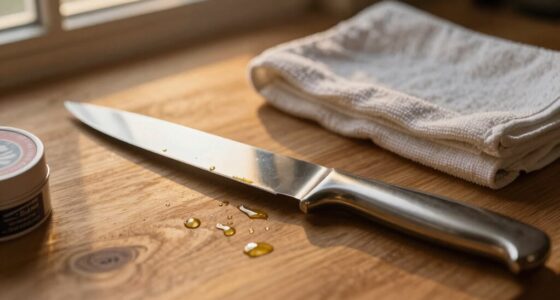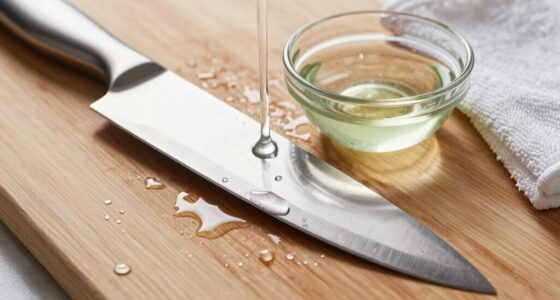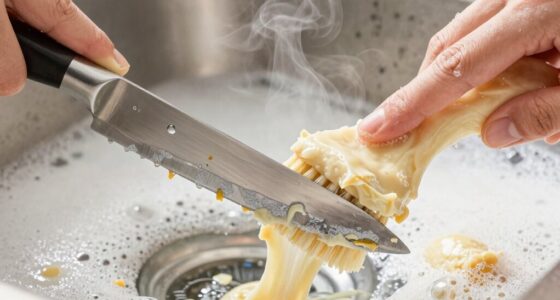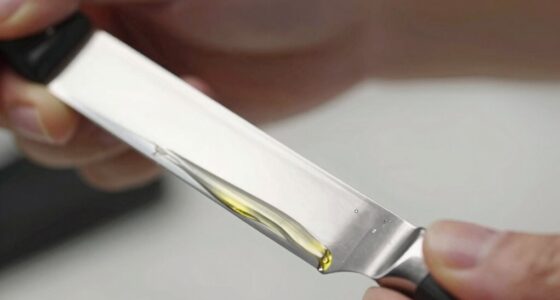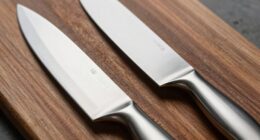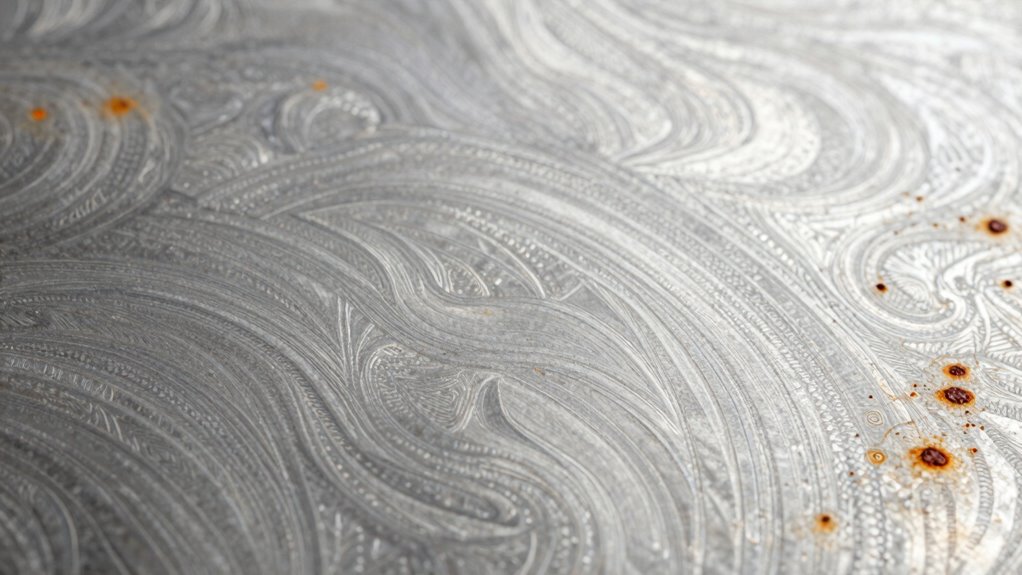
To remove light surface rust without damaging your etched finish, gently clean the surface with a soft cloth soaked in warm water and mild soap. For rust spots, apply a paste of baking soda and water, then softly scrub with a soft-bristled brush or non-abrasive pad. For tougher spots, soak a cloth in white vinegar and lay it over rusted areas, leaving it for a few hours before gentle wiping. If you want to learn more effective techniques, keep exploring your options.
Key Takeaways
- Use gentle cleaning methods like soft cloths with warm water and mild soap to avoid damaging the etched surface.
- Apply a baking soda and water paste as a mild abrasive, gently scrubbing with a soft-bristled brush.
- Opt for commercial rust removers tested on delicate surfaces or use white vinegar soaked cloths for safe rust dissolution.
- Rinse thoroughly and dry completely to prevent moisture buildup, which can cause further rust or damage.
- After cleaning, apply a protective coating like light machine oil or rust-inhibitor spray to prevent future rust without harming the finish.
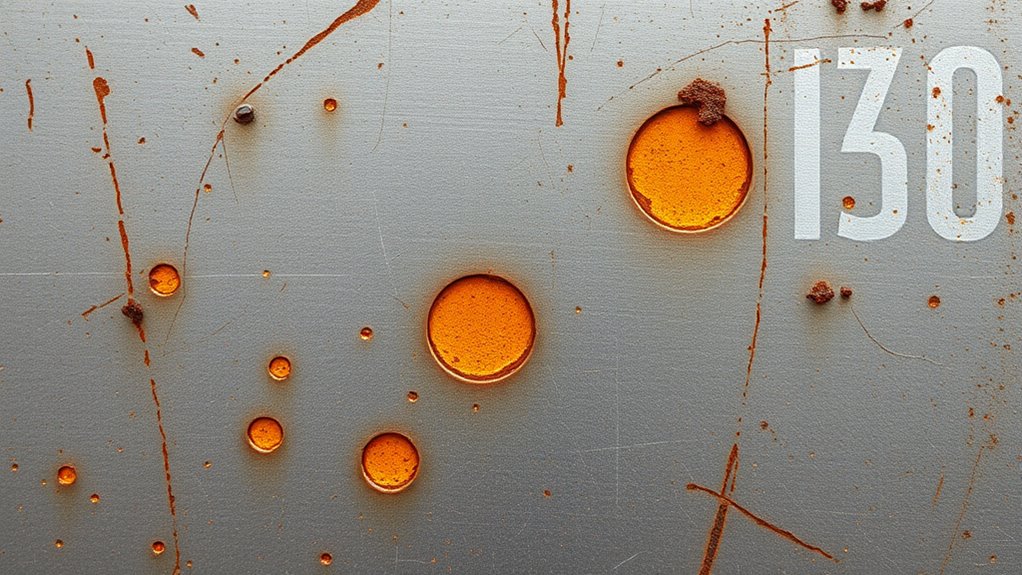
Are you dealing with light surface rust on your tools or metal surfaces? If so, you’re not alone. Rust can develop quickly, especially if the metal’s exposed to moisture or humid environments. The good news is that removing light surface rust without damaging an etched finish is entirely possible when you approach it carefully. The key is to start with rust prevention techniques in mind, ensuring that your tools stay protected after cleaning. Using protective coatings, like a light layer of oil or rust-inhibiting spray, can help prevent future rust from forming, keeping your metal surfaces looking their best.
Dealing with light surface rust? Carefully clean and protect your tools with rust-inhibiting coatings to prevent future corrosion.
When tackling surface rust, it’s essential to choose the right cleaning method to avoid harming the etched finish. You want to remove the rust without scratching or dulling the surface. A gentle approach works best. First, consider using a soft cloth or sponge soaked in a mixture of warm water and mild dish soap. Gently wipe the surface to loosen loose rust particles. For light rust, applying a paste made from baking soda and water can act as a mild abrasive. Carefully rub the paste onto the rusted areas using a soft-bristled toothbrush or a non-abrasive scrub pad. This method helps lift rust without scratching the underlying finish. Gentle cleaning techniques are crucial for preserving delicate etched surfaces.
If the rust persists, commercial rust removers designed for delicate surfaces are a good choice, but always test a small, inconspicuous area first. Look for products that specify they’re safe for etched or decorative finishes. Alternatively, white vinegar is a natural option that can dissolve rust. Soak a cloth in vinegar and lay it over the rusted spots for a few hours, then gently scrub with a soft brush. Rinse thoroughly with water and dry completely to prevent new rust from forming.
After removing the rust, it’s crucial to implement rust prevention measures to protect your tools long-term. Applying a thin layer of protective coating—such as a rust-inhibitor spray or light machine oil—creates a barrier against moisture. Regularly maintaining your tools and surfaces with these coatings helps prevent rust from returning, especially in humid conditions. Proper storage, like keeping tools in a dry, protected environment, also plays a big role in rust prevention.

Adam's Iron Remover (16oz) – Iron Out Fallout & Stop Rust Remover Spray for Car Detailing Removes Iron Particles in Auto Paint, Wheels, Motorcycle, RV & Boat – Use Before Clay Bar, Wax or Car Wash
✅ PROTECT AND REMOVE HARMFUL FALLOUT – Bonded iron can embed itself into the surface and cause harm…
As an affiliate, we earn on qualifying purchases.
As an affiliate, we earn on qualifying purchases.
Frequently Asked Questions
Can I Use Vinegar to Remove Rust Without Harming the Etched Finish?
Yes, vinegar can effectively remove rust without harming your etched finish if used carefully. Its acidity helps break down rust, but you must dilute it properly and avoid leaving it on surfaces too long. Test a small area first to verify etched finish safety. Gently scrub with a soft cloth or brush, then rinse thoroughly. This method balances vinegar’s effectiveness with safeguarding your delicate surface.
What Household Items Are Safest for Light Rust Removal?
Oh, what a thrill—household remedies that won’t turn your delicate finish into a rusted ruin! You should try baking soda or lemon juice, which are gentle yet effective. Just remember safety precautions: wear gloves, avoid inhaling fumes, and test first on a hidden spot. These household items are safest for light rust removal, proving that sometimes, the simplest solutions keep your treasures intact and your worries minimal.
How Long Should I Let a Rust Remover Sit on the Surface?
You should let the rust remover sit on the surface for about 5 to 15 minutes, depending on the product’s instructions. Check the application timing and rust remover duration regularly to avoid overexposure, which could harm the etched finish. If the rust begins to loosen, gently scrub it with a soft cloth or brush. Rinse thoroughly with water afterward, and dry the area to prevent new rust formation.
Will Abrasive Tools Damage the Etched Surface During Rust Removal?
Abrasive tools can damage the etched surface during rust removal, so it’s better to select non-abrasive methods. Non-abrasive options like chemical rust removers or gentle polishing pads help preserve surface integrity. If you must use abrasive tools, opt for fine-grit materials and apply light pressure to minimize damage. Always test on a small, hidden area first to ensure you don’t compromise the etched finish.
Is It Necessary to Reseal or Protect the Surface Afterward?
Think of your surface as a delicate work of art; after cleaning, it’s wise to give it a protective coat. Protective coatings and surface sealing act like a shield, guarding against future rust and damage. You don’t have to reseal every time, but applying a light layer once the surface is dry helps preserve the etched finish’s beauty and integrity. It’s like giving your piece a fresh coat of armor to keep it pristine.

Iron OUT Rust Stain Remover Spray Gel, Remove Rust Stains in Bathrooms, Kitchens, Laundry, and Outdoors, Made in the USA, 24 Ounces
Goodbye Rust: Remove rust stains around the home with a heavy-duty rust removal product trusted for over 60…
As an affiliate, we earn on qualifying purchases.
As an affiliate, we earn on qualifying purchases.
Conclusion
By carefully removing light surface rust, you not only preserve the etched finish but also reveal how chance often favors those who pay close attention. Sometimes, a simple touch or gentle approach can turn a potential blemish into a renewed surface, reminding us that even small efforts can lead to surprising results. When you handle rust with patience and care, you’re not just restoring metal—you’re subtly aligning luck and skill in your favor.

MRS. MEYER'S CLEAN DAY Baking Soda Cream Cleaner, Cuts Grease, Scratch-Free Polish, Lemon Verbena, 16 Fl Oz, Pack of 1
Mrs. Meyer’s Baking Soda Cream Cleaner removes soap scum and grease build-up to make your kitchen sparkle
As an affiliate, we earn on qualifying purchases.
As an affiliate, we earn on qualifying purchases.

WD-40 Specialist Corrosion Inhibitor, Long-Lasting Anti-Rust Spray, 6.5 OZ
Coats metal parts to lubricate and protect against rust and corrosion by blocking out air and moisture. Protects…
As an affiliate, we earn on qualifying purchases.
As an affiliate, we earn on qualifying purchases.