To carry a knife in a busy kitchen safely and calmly, keep the blade facing downward close to your leg and hold it securely but relaxed. Move deliberately, avoiding sudden gestures, and alert others with clear communication if passing nearby. Use a sheath or knife holder when possible, and always prioritize control over speed. Staying mindful of your environment and handling the knife smoothly not only prevents accidents but also keeps everyone at ease. Keep going to learn more tips and tricks for safe handling.
Key Takeaways
- Carry the knife with the blade facing downward, close to your leg, to minimize the risk of accidentally startling others.
- Use a sheath or knife holder to securely transport the knife and prevent sudden exposure.
- Move slowly and deliberately, maintaining awareness of your surroundings to avoid startling colleagues.
- Communicate clearly (“knife coming through”) when passing close to others to ensure safety.
- Keep the knife close to your body and avoid abrupt gestures to maintain a calm, controlled environment.
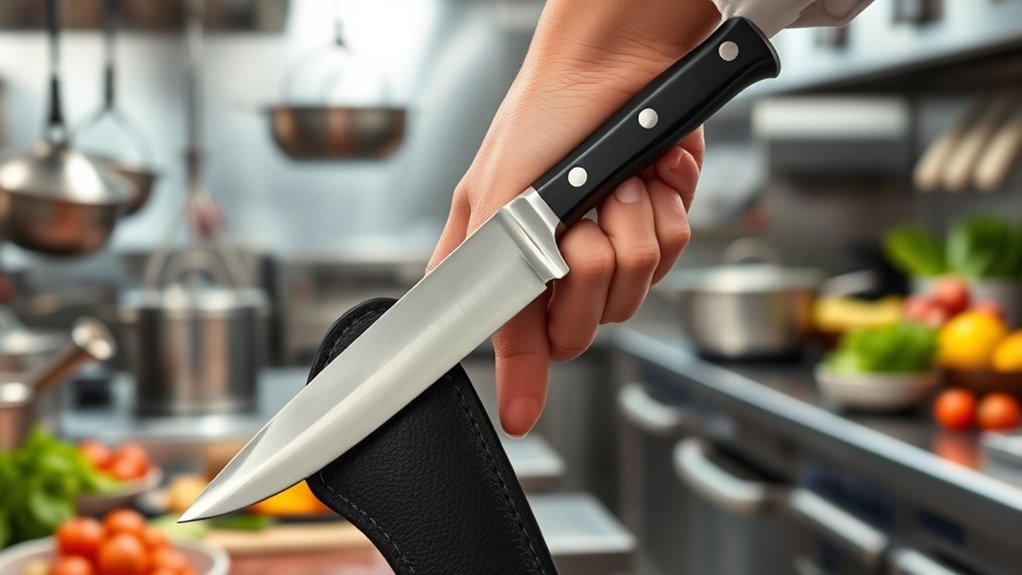
In a busy kitchen, carrying a knife requires constant attention and proper handling to guarantee safety for everyone. Your goal is to prevent accidents while maintaining efficiency, and that starts with understanding key principles of knife safety. The first step is to ensure your grip and posture promote ergonomic handling. When you’re moving around, hold the knife firmly but comfortably, avoiding a death grip that can tire your hand or lead to slips. Keep your wrist relaxed and the knife close to your body, which not only reduces muscle strain but also gives you better control. This ergonomic approach helps you maneuver smoothly and minimizes the risk of accidental cuts, especially when steering through tight spaces or crowded workstations.
Hold your knife comfortably, keep it close to your body, and stay aware of your surroundings for safer handling.
When carrying a knife, never point it outward or hold it by the blade; always keep the blade facing downward or toward your body. This simple act of mindful grip is central to knife safety, as it reduces the chance of stabbing someone or causing a surprise injury if you stumble. If you’re walking with a knife, use a sheath or a knife holder if available. If that’s not an option, carry it with the blade pointed down at your side, close to your leg, and ensure your hand is secure on the handle. Keep your movements deliberate and avoid rushing, which can lead to accidental contact with others or self-injury. Proper knife handling techniques are essential for maintaining safety and efficiency in a busy environment.
Another critical aspect of knife safety is being aware of your surroundings. Always look ahead and maintain eye contact with your path, especially in a busy kitchen where movement is constant. If you need to pass by someone, communicate clearly, such as saying “knife coming through,” so everyone is alert. When working with colleagues, never leave a knife on the edge of a counter or in a sink where it can be easily knocked or grabbed incorrectly. Instead, place it securely in a designated knife block or a safe storage area when not in use. Proper storage not only preserves the knife’s edge but also keeps the work environment safe for everyone.
Finally, always handle your knife with respect. Even when carrying it temporarily, treat it as a potentially dangerous tool. Use smooth, controlled movements, and avoid sudden gestures that could cause the knife to slip or fall. By combining mindful handling with ergonomic techniques, you create a safer kitchen environment, reducing the risk of accidents and ensuring everyone feels secure. Remember, a well-handled knife isn’t just about safety — it’s about working efficiently and confidently in a bustling kitchen.
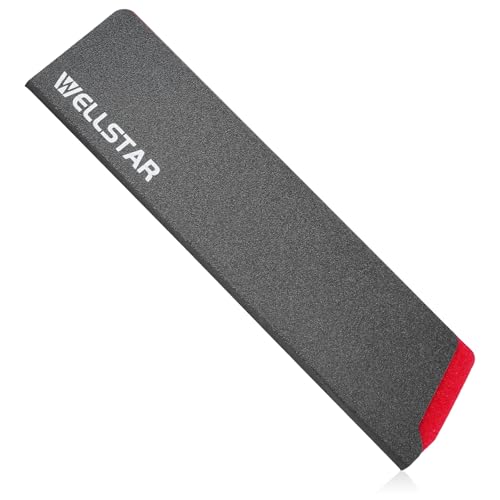
WELLSTAR Knife Edge Guards 8 Inch, Universal Blade Covers, BPA Free ABS Protective Blade Sheaths, Non-Scratch Felt Lining Kitchen Knives Covers (Knives not included)
- Felt-Lined for Blade Protection: Protects knives from dulling and scratching
- Universal Fit for Various Knives: Fits knives with 6-8 inch blades
- Easy to Use and Slide On: Simple to insert knives for storage
As an affiliate, we earn on qualifying purchases.
As an affiliate, we earn on qualifying purchases.
Frequently Asked Questions
Is It Legal to Carry a Knife in a Professional Kitchen?
Yes, carrying a knife in a professional kitchen is legal as long as you follow knife regulations and legal considerations. You must handle and store knives properly, keeping them sheathed or in a designated knife holder to guarantee safety. Always be aware of local laws regarding carrying blades, especially if you’re off-site. Staying compliant with safety standards helps prevent legal issues and keeps your workspace secure.
What Safety Gear Should I Wear When Handling Knives?
Did you know that proper safety gear reduces knife-related injuries by up to 50%? When handling knives, you should wear protective gloves like cut-resistant or nitrile gloves for extra safety, especially during dull or tricky cuts. Use correct knife grip techniques, such as the pinch grip, to maintain control. Always keep your fingers tucked and stay alert to prevent accidents, ensuring a safer, more confident kitchen experience.
How Do I Prevent Accidental Cuts While Carrying a Knife?
To prevent accidental cuts, focus on your knife grip, holding it firmly but comfortably, and always keep your fingers away from the blade. Stay aware of the blade’s position through constant blade awareness, especially when moving or passing the knife. Move smoothly and deliberately, avoiding sudden movements. Use a sheath or transport container when carrying the knife, and stay alert to your surroundings to minimize risks.
What Are the Best Ways to Store Knives Safely?
Storing knives safely is as vital as protecting your own fingers. You should use dedicated knife storage solutions like safety containers, knife blocks, or magnetic strips to prevent accidents and keep blades sharp. Always guarantee knives are dry before storing, and avoid tossing them loosely in drawers. Proper storage not only keeps your knives secure but also preserves their edge and prevents injuries in a busy kitchen.
How Can I Communicate With Colleagues About Knife Safety?
You should practice clear workplace communication by discussing knife etiquette openly with your colleagues. Use respectful language to emphasize safety, and encourage everyone to share their concerns or tips. Demonstrate proper handling and storage procedures, and remind your team to stay alert. By fostering an environment of safety and mutual respect, you help guarantee everyone understands knife safety protocols, reducing accidents and maintaining a professional, productive kitchen atmosphere.

Magnetic Knife Holder for Wall, Knife Magnetic Strip Magnetic Knife Holder for Refrigerator Mount Knife Rack Kitchen Utensil Holder Metal Tool Holder Knife Block Kitchen Organizer Accessories 9.7 Inch
- Heavy Duty Magnetic Hold: Strong magnets securely hold knives and utensils
- Rust-Resistant Stainless Steel: Made of durable 304 stainless steel, corrosion resistant
- Sleek Modern Design: Smooth satin finish complements contemporary kitchens
As an affiliate, we earn on qualifying purchases.
As an affiliate, we earn on qualifying purchases.
Conclusion
Remember, carrying a knife safely in a busy kitchen isn’t just about your confidence; it’s about preventing accidents. Studies show that proper handling and storage can reduce workplace injuries by up to 50%. Keep your knife sheathed or in a designated holder, stay aware of your surroundings, and communicate clearly with your team. By doing so, you’ll keep everyone safe and the kitchen running smoothly. Safety isn’t just a rule—it’s a responsibility you carry with every cut.
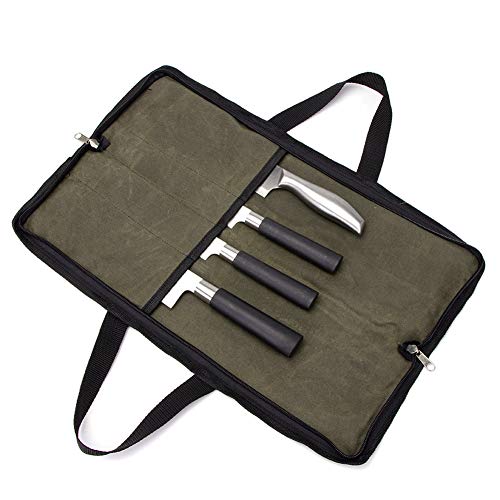
Knife Roll,Heavy Duty Knife Bag,Waxed Canvas knife Case with 4 Slots for Knives & Kitchen Tools,Chef Knife Bag with Handle.Portable Knife Roll Bag for Stroage Home Traveling Camping.Case Knives Pouch
- Number of Slots: 4 knife slots for various tools
- Material: Heavy-duty waxed canvas construction
- Portability: Lightweight with easy-carry handle
As an affiliate, we earn on qualifying purchases.
As an affiliate, we earn on qualifying purchases.

Asaya Waxed Canvas Chef Knife Roll Bag with 10 Slots and a Zipper Pocket – Professional Chef Knife Bag & Storage Case, with Shoulder Strap – Knives Not Included (Brown)
- Expert Craftsmanship: Handcrafted from durable 10oz canvas
- Spacious Storage: 10 knife slots and large zippered pocket
- Travel-Ready Design: Lightweight at 2 lbs with adjustable shoulder strap
As an affiliate, we earn on qualifying purchases.
As an affiliate, we earn on qualifying purchases.