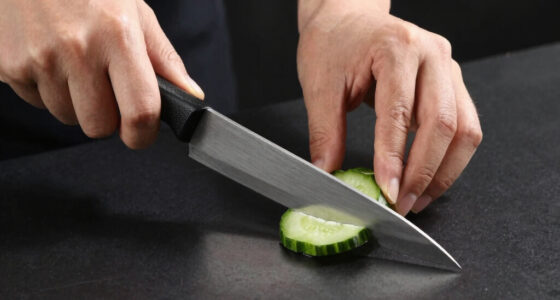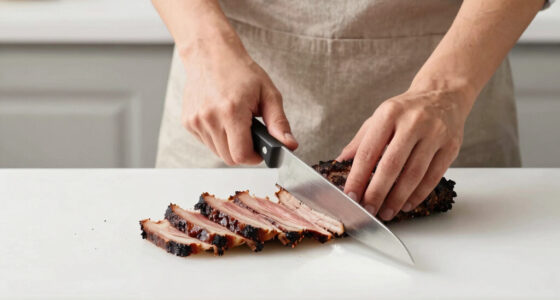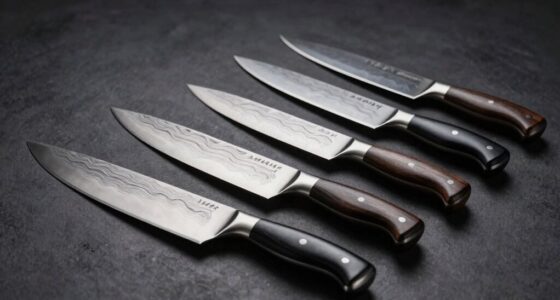
Finding the best bunka knife under $300 means balancing quality, craftsmanship, and price. The top pick, the YOSHIDAHAMONO Bunka Knife 190mm, offers exceptional sharpness with its Aogami #2 carbon steel, making it ideal for precise cuts. The Enso SG2 Bunka Knife stands out for its beautiful Damascus pattern and durability, while the Miyabi Mizu SG2 provides a more refined edge with a premium feel. Buyers face tradeoffs between steel types, handle comfort, and blade design, all within a budget that avoids the premium price tags. Continue reading to see how these options compare and find the best fit for your kitchen needs.

Get kitchen gear delivered free — and shop member deals
- Fast, free delivery on millions of items
- Access to Prime Big Deal Days deals on October 6–7
- Prime Video, Amazon Music and more included
Key Takeaways
- The choice between carbon steel and stainless steel hinges on maintenance preferences and rust resistance.
- Top-ranked knives combine high-quality materials with thoughtful handle ergonomics for extended use.
- Damascus patterning adds aesthetic appeal but often comes at a slight premium within this budget range.
- Blade length varies from 5.5 to 7 inches, influencing versatility and control depending on user needs.
- Entry-level options like Misen provide solid performance at a more accessible price point for beginners.


More Details on Our Top Picks
YOSHIDAHAMONO Bunka Knife 190mm – Aogami #2 Carbon Steel HRC 66–67 | Full Tang Zelkova Handle | 15-Degree Edge, Double-Edged Japanese Chef Knife
This YOSHIDAHAMONO Bunka stands out for its exceptional edge retention and sharpness, thanks to Aogami #2 carbon steel hardened to HRC 66–67. Unlike the other options, such as the Miyabi Mizu SG2, it offers a slightly more traditional steel with superior durability when properly maintained. Its 190mm blade size strikes a balance between detailed control and versatility, making it suitable for a broad range of kitchen tasks. The full tang Zelkova handle enhances stability and comfort during extended use, a feature that surpasses the Micarta handles on the Miyabi or Enso models in terms of natural feel. However, the steel’s hardness means it requires careful hand washing and whetstone sharpening—more maintenance than stainless alternatives like the Misen or Enso HD. This pick makes the most sense for those who prioritize edge retention and traditional craftsmanship over convenience.
Pros:- Exceptional sharpness and edge retention from high-quality steel
- Lightweight and balanced for precise control
- Full tang Zelkova handle provides stability and comfort
Cons:- Requires hand washing and whetstone sharpening, not dishwasher safe
- Higher price point compared to standard kitchen knives
- Steel may chip if used improperly or with ceramic honing rods
Best for: Professional cooks or serious home chefs seeking long-lasting, high-performance cutting tools
Not ideal for: Casual cooks or those preferring dishwasher-safe knives due to maintenance requirements
- Blade Length:190mm
- Steel Type:Aogami #2 Carbon Steel
- Hardness:HRC 66–67
- Handle Material:Zelkova (Keyaki)
- Edge Angle:15 degrees per side
- Weight:5.5 oz (156 g)
- Overall Length:13.2 inches (33.5 cm)
Bottom line: This knife is ideal for those who value cutting performance and traditional Japanese craftsmanship and are willing to invest in maintenance.
Enso SG2 Bunka Knife – 7 inch Japanese Damascus Steel
The Enso SG2 Bunka Knife offers a stunning 101-layer Damascus steel with an SG2 core, delivering both exceptional sharpness and durability. Compared with the Miyabi Mizu SG2, this knife emphasizes handcrafted quality in Seki City, Japan, with an engraved handle that appeals to collectors and enthusiasts. Its 7-inch blade height provides versatility for various tasks, though the slightly longer blade may be less maneuverable for intricate cuts than the 6.5-inch Miyabi. The handle’s ergonomic design suits both right and left-handed users, and the lifetime warranty adds confidence in its craftsmanship. On the downside, the knife demands careful cleaning and maintenance to prevent staining or corrosion. This pick makes the most sense for those who want a visually striking, handcrafted piece with premium Japanese steel, willing to invest in upkeep.
Pros:- High-quality Damascus steel with 101 layers for durability and beauty
- Handcrafted in Seki City, Japan, ensuring authenticity
- Ergonomic handle suitable for both hands
Cons:- Requires careful cleaning and maintenance
- More expensive than mass-produced knives
- Handle material may need upkeep to preserve appearance
Best for: Aesthetic-conscious cooks and collectors who appreciate craftsmanship and traditional Japanese steel
Not ideal for: Casual users seeking low-maintenance or dishwasher-safe knives
- Blade Length:7 inches
- Steel Type:SG2 Micro Carbide Powder Stainless Steel
- Layers:101
- Hardness:63 Rockwell
- Handle Material:Canvas Micarta
- Blade Angle:Approximately 12°
Bottom line: This knife suits those who prioritize craftsmanship and aesthetics, accepting additional maintenance for a high-end look and feel.
Enso HD 7″ Bunka Knife – Made in Japan – VG10 Hammered Damascus Stainless Steel
The Enso HD 7″ Bunka blends traditional craftsmanship with modern stainless steel technology, featuring VG10 37-layer Damascus steel that offers outstanding edge retention. Its hammered Damascus finish not only enhances its beauty but also helps reduce food sticking during slicing. Compared to the Miyabi Mizu SG2, this knife’s VG10 steel makes it more resistant to corrosion and easier to maintain, although it might not hold an edge quite as long in heavy use. The handle’s design is simple yet functional, suited for right and left-handed users, but it may require occasional maintenance to keep it stain-free. This knife is better suited for home cooks who want a durable, attractive, and easy-to-care-for knife without sacrificing Japanese style.
Pros:- Excellent edge retention from VG10 steel
- Beautiful hammered Damascus finish reduces food sticking
- Resistant to rust and staining, easier to clean
Cons:- Premium price, may be expensive for casual users
- Handle may require maintenance to prevent staining
- Less delicate than carbon steel options
Best for: Home cooks seeking a durable, low-maintenance knife with traditional Japanese looks
Not ideal for: Professional chefs or those who prefer the lightness of carbon steel or high-end custom knives
- Blade Length:7 inches
- Steel Type:VG10 37-layer Damascus stainless steel
- Hardness:Rockwell 61°
- Handle:Black canvas micarta with stainless steel rivets
- Blade Finish:Hammered Damascus
- Overall Length:12.25 inches
Bottom line: This knife offers a durable, easy-care alternative for those who want Japanese style with modern stainless steel performance.
Miyabi Mizu SG2 6.5″ Bunka Knife
The Miyabi Mizu SG2 6.5″ Bunka is tailored for chefs who need a nimble yet durable knife. Its high-quality SG2 steel ensures excellent edge retention, comparable to the Enso HD but with a more traditional Japanese aesthetic. The 6.5-inch blade is more maneuverable than longer options, ideal for detailed slicing and prep work, especially when compared to the slightly larger Enso SG2. The hammered Damascus finish aids in reducing food sticking, and the traditional Honbazuke sharpening guarantees a razor-sharp edge. However, its compact size may limit its versatility for larger tasks and requires careful maintenance to prevent corrosion. This knife makes the most sense for those seeking precision and agility in a smaller, refined package.
Pros:- High-quality SG2 steel with excellent edge retention
- Traditional Japanese Honbazuke sharpening
- Hammered Damascus finish reduces food sticking
Cons:- Limited blade length restricts heavy-duty use
- Requires careful maintenance to prevent corrosion
- Premium price for a smaller knife
Best for: Home cooks and professional chefs needing a smaller, precise Bunka for detailed work
Not ideal for: Users requiring a larger, all-purpose knife for heavy chopping or bulk tasks
Bottom line: This knife excels for detailed, precise tasks, especially where maneuverability is priority over size or bulk.
Misen 6-Inch Bunka Knife – High-Carbon Stainless Steel, Ergonomic Handle, Versatile for Vegetables, Meat, and More
The Misen 6-Inch Bunka offers a practical balance of quality and affordability, featuring AICHI ACUTO440 high-carbon stainless steel that resists rust and maintains a sharp edge. Its 6-inch size makes it suitable for a variety of tasks, though it may feel limiting for larger chopping jobs compared to the 7-inch or 190mm options. The ergonomic handle reduces fatigue, making it comfortable for extended use, but its design is less refined than premium Japanese knives like the Miyabi or Enso. While not as intricate or handcrafted as the Damascus options, it provides solid performance at a more accessible price. This pick makes the most sense for home cooks who want a reliable, easy-to-maintain Bunka without a hefty investment.
Pros:- Sharp, durable high-carbon stainless steel blade
- Ergonomic handle reduces fatigue
- Triangular tip enhances precision
Cons:- Limited to 6-inch blade size
- Design may require some adjustment for traditional knife users
- Less ornate than handcrafted Damascus models
Best for: Home cooks seeking a versatile, durable knife for everyday use at a reasonable price
Not ideal for: Professional chefs or those seeking the finest craftsmanship or traditional aesthetics
Bottom line: This knife is well-suited for everyday kitchen tasks where reliability and ease of maintenance are prioritized over luxury features.
Misen 6-Inch Bunka Knife – High-Carbon Stainless Steel, Rust-Proof, Ergonomic Handle
The Misen 6-Inch Bunka Knife stands out for its combination of versatility and durability, thanks to its high-carbon stainless steel blade that resists rust and maintains a sharp edge. Its triangular tip excels in detailed work, while the straight belly offers efficient chopping, making it well-suited for a variety of ingredients. Compared with the KOTAI Bunka Petty Knife, it offers a slightly longer blade and a more versatile shape, though it may not handle heavy-duty tasks as well. The ergonomic handle reduces fatigue, but the smaller blade size limits its use for larger ingredients. This pick makes the most sense for those seeking a reliable, all-around bunka that balances precision and comfort without breaking the bank.
Pros:- Rust-proof and durable high-carbon stainless steel blade
- Versatile triangular tip for detailed work
- Ergonomic handle reduces hand fatigue
Cons:- Blade length may be too small for heavy-duty chopping
- Limited to 50 dishwasher cycles for rust resistance
- Not suitable for large or thick ingredients
Best for: Home cooks who want a versatile, easy-to-handle knife for everyday vegetable and meat prep
Not ideal for: Professional chefs or those frequently handling large cuts of meat, as the blade may be too small for heavy-duty tasks
- Blade Length:5.9 inches
- Total Length:11.52 inches
- Weight:0.42 lbs
- Material:AICHI ACUTO440 high-carbon stainless steel
- Rust Resistance:Yes
- Handle:Ergonomic, rounded spine
Bottom line: This knife offers a balanced mix of precision, comfort, and affordability, making it ideal for everyday kitchen tasks.
Misen 6-Inch Stainless Steel Boning Knife – High-Carbon Steel Blade for Precision Deboning and Trimming
The Misen 6-Inch Boning Knife is tailored for detailed trimming and deboning, featuring a curved, flexible high-carbon stainless steel blade that offers remarkable control. Its design makes it a clear choice over the KOTAI Bunka Petty Knife for tasks requiring finesse, such as separating meat from bones or filleting fish. While its high-quality AUS-10 steel ensures edges stay sharp longer, the 6-inch size might feel limiting for those needing a larger or more robust blade. It demands careful handling to preserve its sharpness, and its price is higher than basic options. This model is best for cooks who prioritize precision and control over bulk chopping or larger ingredient handling.
Pros:- Sharp, high-quality blade retains edge longer
- Ergonomic handle offers comfort and control
- Flexible blade contours naturally along bones
Cons:- Requires careful handling to maintain sharpness
- Price is higher compared to entry-level knives
- Limited to 6-inch length, less versatile for bigger tasks
Best for: Home chefs or professionals focused on detailed meat trimming and deboning tasks
Not ideal for: Users needing a versatile all-purpose knife or handling large, heavy ingredients regularly
- Blade Length:6 inches
- Material:High-carbon AUS-10 stainless steel
- Handle:Ergonomic, non-slip
- Blade Type:Curved, flexible
- Use:Deboning, trimming, butchering
Bottom line: Ideal for precise deboning and trimming, this knife excels where accuracy is more important than size or brute strength.
KOTAI Bunka Petty Utility Kitchen Knife, 5.5-inch Blade, Japanese 440C Stainless Steel, Hammered Tsuchime Finish, Ebony Wood Handle, Full Hidden Tang
The KOTAI Bunka Petty Knife offers a handcrafted feel with its traditional hammered Tsuchime finish and a 5.5-inch high-carbon Japanese 440C steel blade that balances sharpness and edge retention. Its ergonomic ebony handle provides a comfortable grip, especially for detailed tasks like peeling, slicing, and delicate prep work. The full hidden tang adds durability, and the included bamboo sheath enhances safety and presentation. Compared with the Misen Bunka, it emphasizes craftsmanship and fine control, though its smaller size limits its use for larger ingredients or heavy-duty chopping. This pick makes sense for those valuing detailed, precise work and an elegant finish, though it’s less practical for frequent large cuts.
Pros:- Exceptional sharpness and edge retention with 440C steel
- Handcrafted with a traditional hammered finish
- Ergonomic ebony handle offers comfortable grip
Cons:- Not dishwasher safe; requires careful hand washing
- Limited to 5.5-inch blade, less suited for larger tasks
- Premium materials may be costly for budget-conscious buyers
Best for: Home cooks and collectors seeking a beautifully crafted, precision-focused petty knife
Not ideal for: Heavy users or those needing a more versatile or larger blade for bigger ingredients
- Blade Length:5.5 inches
- Steel Type:440C Japanese stainless steel
- HRC:60 ± 1
- Finish:Tsuchime (hammered)
- Handle Material:Ebony wood
- Tang:Full hidden
Bottom line: Perfect for precise, delicate work with an emphasis on craftsmanship, this knife excels in detail-oriented tasks but isn’t suited for heavy-duty chopping.
How We Picked
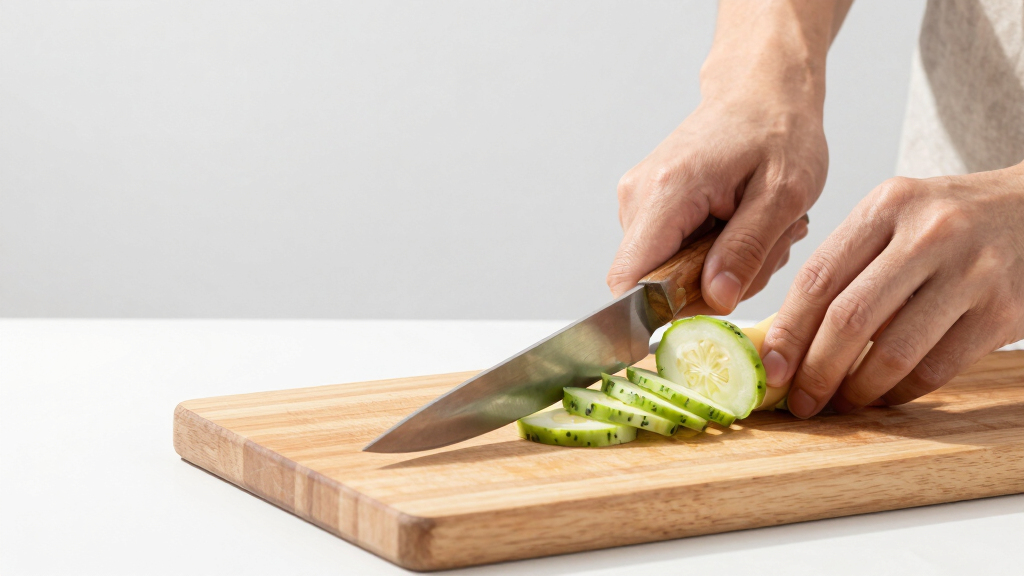
Our evaluation focused on core factors that impact real-world use: cutting performance, edge retention, ease of maintenance, handle comfort, and overall build quality. We prioritized knives made with reputable steel types that balance sharpness and durability, ensuring they meet both professional and home chef standards. Price point was kept under $300, but we also considered value for money—how much performance buyers get at this price. Knives with ergonomic handles and balanced weight were favored, as these aspects improve control and reduce fatigue. Our rankings reflect a combination of these criteria, highlighting options that excel in usability and craftsmanship within the budget.Factors to Consider When Choosing Best Bunka Knife Under $300
Choosing the best bunka knife under $300 involves more than just steel quality. It’s important to consider how the knife feels in your hand, what types of tasks you’ll use it for, and how much maintenance you’re willing to perform. A well-rounded decision balances performance with comfort and longevity. Below, I cover key factors that matter when selecting a bunka knife in this price range, helping you avoid common pitfalls and find a tool that truly fits your needs.Steel Type and Edge Retention
Steel quality directly affects how sharp the knife stays and how resistant it is to rust or staining. Carbon steels like Aogami #2 offer exceptional sharpness and edge retention but require regular maintenance to prevent rust. Stainless steels such as VG10 or 440C provide more rust resistance with slightly less edge longevity. Consider your willingness to maintain the knife and the environment in which it will be used when choosing steel type.
Blade Length and Shape
Most bunka knives in this range are between 5.5 and 7 inches, affecting control and versatility. A shorter blade (around 5.5 inches) offers more precision for intricate work, ideal for smaller hands or detailed slicing. Longer blades (closer to 7 inches) excel at larger cuts and chopping, making them versatile for varied tasks. Think about your typical prep work and storage space when selecting blade length.
Handle Comfort and Balance
An ergonomic handle reduces fatigue during extended use. Handles made from wood, like ebony or zelkova, often provide a traditional feel, while resin or composite options may offer better moisture resistance. Balance between the handle and blade is crucial for control; a well-balanced knife minimizes strain. Avoid handles that are too heavy or poorly shaped, as they can hinder precision.
Maintenance and Durability
High-carbon steels require regular oiling and careful cleaning to prevent rust, making them less ideal for busy kitchens. Stainless steel blades demand less upkeep but may not hold an edge as long. Consider your willingness to sharpen and maintain the knife when choosing steel. A durable, well-made handle and full tang construction also contribute to the knife’s longevity.
Price-to-Performance Ratio
Within the $300 limit, some knives offer better craftsmanship and materials for the price, while others might have premium features but less practical performance. It’s important to evaluate whether a slightly higher price justifies the quality improvements. Look for balanced features—such as good steel, comfortable handle, and solid construction—that provide the best value for your budget.
Frequently Asked Questions
Is a bunka knife suitable for all types of kitchen tasks?
While a bunka knife excels at slicing, julienning, and detailed prep work due to its versatile shape, it’s not necessarily ideal for heavy-duty tasks like splitting bones or processing large quantities of meat. Its design makes it a great all-purpose tool for vegetables, fish, and boneless proteins, but it should be complemented with other specialized knives for more demanding jobs.
Should I prioritize steel type or handle comfort when choosing a bunka knife?
Both are important, but your choice depends on usage preferences. Steel type affects performance and maintenance—carbon steels sharpen to a finer edge but need more care, while stainless steels are more forgiving. Handle comfort impacts how comfortable and precise your cuts are during extended use. Ideally, select a knife that balances both aspects to suit your cooking style.
How often should I sharpen a bunka knife in this price range?
The frequency depends on usage, but generally, a high-quality steel in a bunka knife can hold an edge for several weeks with regular use. If you notice a decline in sharpness or difficulty slicing, it’s time for honing or sharpening. Using a proper sharpening stone and maintaining the edge angle will prolong the knife’s performance and keep it performing at its best.
Are Damascus-patterned knives worth the extra cost within this budget?
Damascus patterning often signifies layered steel, which can enhance durability and aesthetic appeal. While the pattern itself doesn’t improve cutting performance, it indicates quality craftsmanship. If visual appeal is important to you and the pattern is paired with good steel, it can be worth the slight premium—just ensure the underlying steel meets your performance needs.
What is the best way to care for a bunka knife to maximize its lifespan?
Proper care involves hand washing immediately after use, avoiding dishwasher exposure, and drying thoroughly. Regular honing can keep the edge sharp, and occasional sharpening with a quality stone restores the blade’s precision. Storing the knife in a knife block or on a magnetic strip prevents damage. Maintaining these habits prolongs the performance and appearance of your bunka knife.
Conclusion
The best overall choice for most users is the YOSHIDAHAMONO Bunka Knife 190mm, thanks to its high-quality carbon steel and balanced design. For those seeking the best value, the Misen 6-Inch Bunka Knife offers reliable performance without a premium price. Beginners will appreciate the KOTAI Bunka Petty Utility Knife for its manageable size and straightforward handling. If you prefer premium features and a beautiful finish, the Enso SG2 Bunka Knife stands out. Ultimately, your decision should align with your cooking style, maintenance willingness, and budget priorities—these picks cover the spectrum to help you find the perfect fit. As an affiliate, we earn on qualifying purchases.Fall Picks
fall essentials