
When you prep on end grain, you’ll notice it feels sturdier and absorbs impacts better, making it less prone to dents or knife dulling. It requires sharper knives and can handle heavy use without much damage, maintaining its surface longer. In contrast, edge grain feels smoother and more comfortable for slicing, but it shows scratches and dents faster over time. If you’re curious about how to make the most of each surface, keep exploring to learn more.
Key Takeaways
- Cutting on end grain feels more resistant, requiring sharper knives and providing a sturdier surface for chopping.
- Edge grain offers a smoother surface for slicing but shows scratches and dents more quickly.
- Daily prep on end grain distributes force evenly, reducing tool dulling and surface damage.
- Edge grain surfaces may develop gouges and splinters faster with frequent use.
- Proper technique and maintenance prolong the quality and durability of both grain types during daily prep.
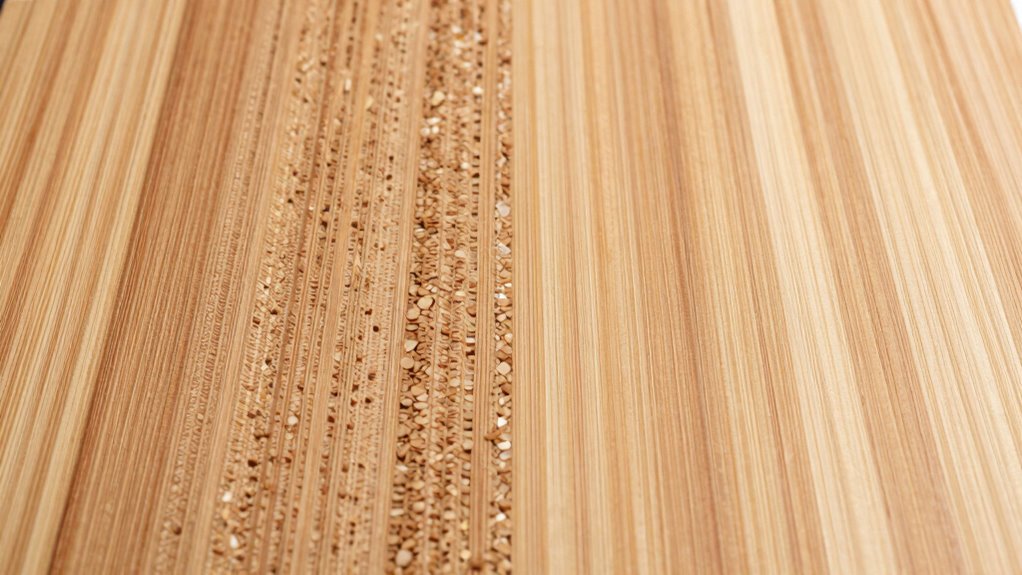
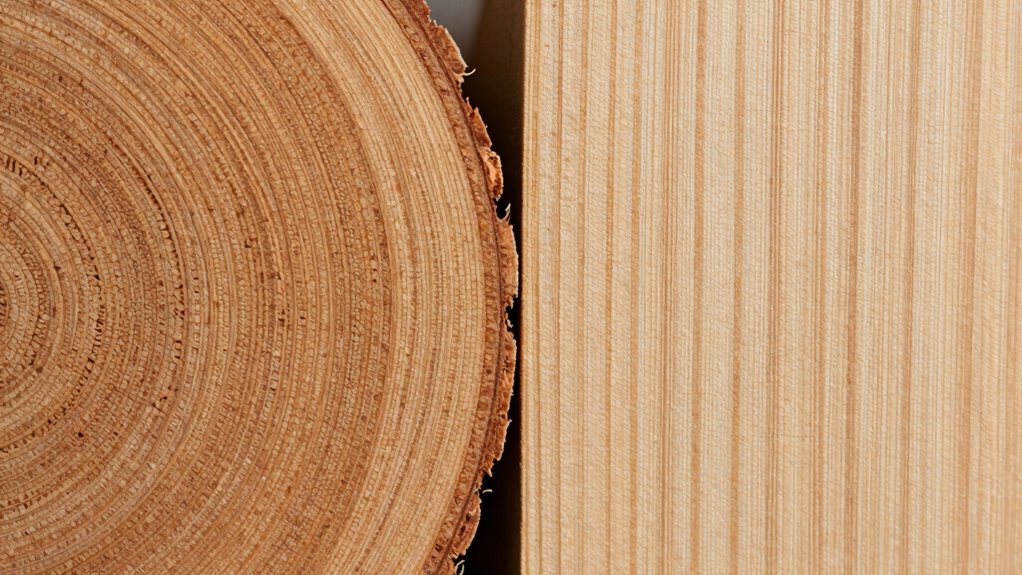
When choosing wood for your project, understanding the differences between end grain and edge grain can make a significant impact on the final result. These differences influence not only the look but also how the wood behaves during daily use. If you’re working on a cutting board or a piece that sees regular contact, knowing what to expect from each grain orientation helps you choose the right approach and tools. End grain, which exposes the wood’s cellular structure, tends to be more durable under repeated cutting or chopping. Its structure absorbs impact and resists knife dulling better than edge grain, making it a popular choice for cutting surfaces. On the other hand, edge grain, which runs along the side of the wood, offers a smoother surface and a different feel during daily prep. It’s generally easier to work with for slicing or fine cuts, but it’s more vulnerable to wear over time.
Your cutting techniques will significantly differ depending on whether you’re working with end grain or edge grain. When you cut into end grain, your blades encounter the wood’s cellular ends, which can be tougher and more resistant. This requires sharper knives and a more deliberate approach to avoid dulling your blades quickly. Chopping on end grain surfaces distributes the force more evenly, preventing deep cuts and prolonging the life of your tools. Conversely, cutting on edge grain requires less effort and more finesse. You can push your knife with a smoother, slicing motion, which feels more natural for daily prep tasks like slicing vegetables or fruit. However, because edge grain is less resilient, repeated cuts can cause gouges or splinters if you’re not careful or if your tools aren’t sharp. Recognizing the grain orientation also assists in selecting the appropriate tools and techniques for each surface, ultimately improving your results and prolonging the lifespan of your wood surfaces. It’s also helpful to learn about proper wood maintenance**** practices to keep your surfaces in optimal condition.
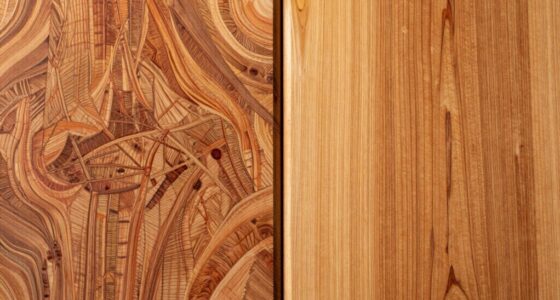
Furthermore, choosing the right grain orientation can influence how you care for your cutting tools, ensuring they stay sharp and effective longer. In terms of daily use, end grain surfaces tend to resist the cumulative damage of chopping and scraping better than edge grain. Wood durability plays a key role here: end grain’s cellular structure can close up minor cuts over time, maintaining a relatively intact surface longer. Additionally, understanding the cellular structure of the wood can help you anticipate how it will respond to wear and maintenance over time. Edge grain, while easier to cut into initially, shows wear faster, developing scratches and dents more readily. This means you might need to sand or reseal edge grain boards more often if they’re used intensively. Overall, your choice affects how you approach maintenance and the longevity of your woodworking or kitchen tools. Whether you prefer the toughness of end grain or the smoothness of edge grain, understanding these differences ensures you get the most out of your wood and tools, making daily prep a smoother, more effective process.
As an affiliate, we earn on qualifying purchases.
Frequently Asked Questions
How Do End Grain and Edge Grain Affect Cutting Board Durability?
End grain cutting boards are more durable because their material aesthetics make them resistant to knife cuts, and they tend to last longer, though they often come with higher cost considerations. Edge grain boards are slightly less resilient but still sturdy, offering a more affordable option. Your choice impacts how well the board withstands daily use, with end grain providing superior durability at a higher price point.
Are There Health Considerations When Choosing Between End Grain and Edge Grain?
You might think end grain boards are safer, but both types are generally food safe if properly maintained. End grain surfaces are more resistant to bacteria buildup because they’re less porous, reducing food safety and allergen concerns. However, you should clean and sanitize your cutting board regularly regardless of its grain. Proper hygiene prevents cross-contamination, so choose based on durability and aesthetics, knowing both can be safe with good care.
Which Grain Type Is Easier to Maintain Over Time?
Edge grain is easier to maintain over time because it offers a smoother surface and better resistance to moisture, reducing the need for frequent upkeep. Its aesthetic appeal remains consistent with minimal effort, making it ideal for daily prep. In contrast, end grain requires more careful maintenance due to its porous structure, which can absorb stains and damage, making it less practical for regular use if you want a low-maintenance, visually appealing surface.
How Does Grain Orientation Impact Knife Longevity?
Did you know that grain orientation can reduce knife dulling by up to 50%? When you choose an end grain cutting board, the grain pattern absorbs more impact, protecting your knife’s edge and maintaining cutting precision longer. Conversely, edge grain boards may cause faster dulling because the grain is aligned with the knife’s motion. So, your grain pattern directly influences your knife’s longevity and your ability to cut precisely.
Can End Grain and Edge Grain Be Combined in One Cutting Board?
Yes, you can combine end grain and edge grain on one cutting board. This blend offers diverse material aesthetics, showcasing both the intricate end grain and the smooth edge grain, which can enhance your kitchen’s look. Keep in mind, combining materials may increase cost considerations, but it results in a unique, durable piece. This approach allows you to enjoy the benefits of both grain orientations while customizing your cutting board’s appearance.
As an affiliate, we earn on qualifying purchases.
Conclusion
Choosing between end grain and edge grain is like selecting a path in life’s woodworking journey—each offers its own strengths and challenges. As you hone your skills, remember that mastery isn’t just about the wood, but about understanding its story and potential. Like a seasoned sailor reading the tides, your intuition will guide you. In this dance with wood, patience and curiosity reveal the true beauty, turning everyday prep into a craft of quiet wisdom.
wood cutting board with end grain
As an affiliate, we earn on qualifying purchases.
As an affiliate, we earn on qualifying purchases.
As an affiliate, we earn on qualifying purchases.