
If you’re a knife lover, end grain boards are a great choice because they’re gentle on blades and help keep them sharper longer, thanks to their open grain structure. They also showcase craftsmanship with unique mosaic patterns and resist deep scratches. Edge grain boards are more budget-friendly, durable, and easier to clean but can dull knives faster over time. To discover which process suits your kitchen best and get tips on maintenance, keep exploring for more insights.
Key Takeaways
- End grain boards are gentler on knives, reducing dulling and promoting longer sharpness compared to edge grain boards.
- End grain offers a distinctive mosaic pattern that showcases craftsmanship and enhances kitchen aesthetics.
- Edge grain boards are typically more affordable, durable, and easier to clean with less maintenance.
- Proper care, including regular oiling, extends the lifespan of both types, with end grain being more resilient over time.
- For optimal knife preservation and visual appeal, end grain boards are generally the preferred choice for knife enthusiasts.
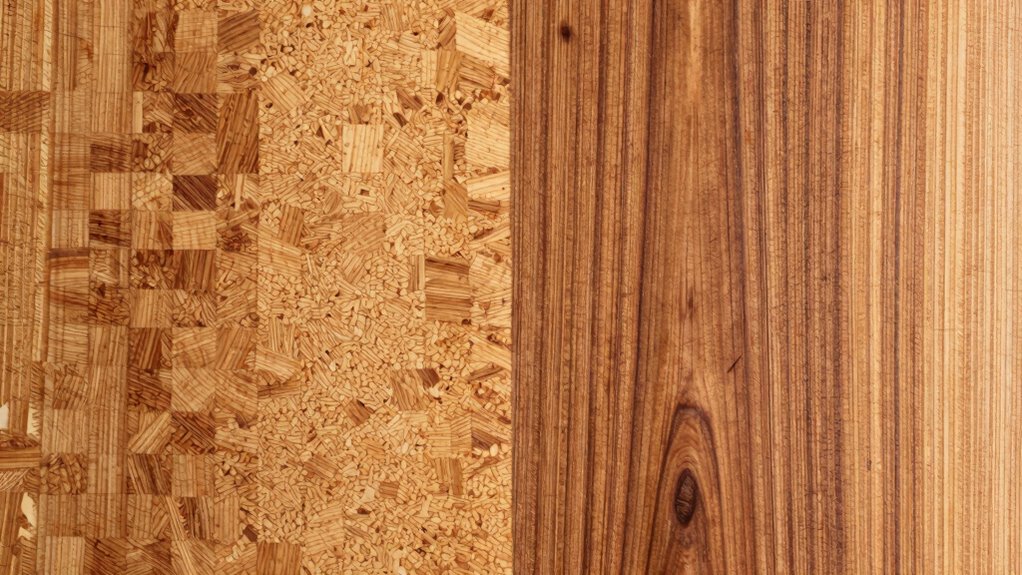
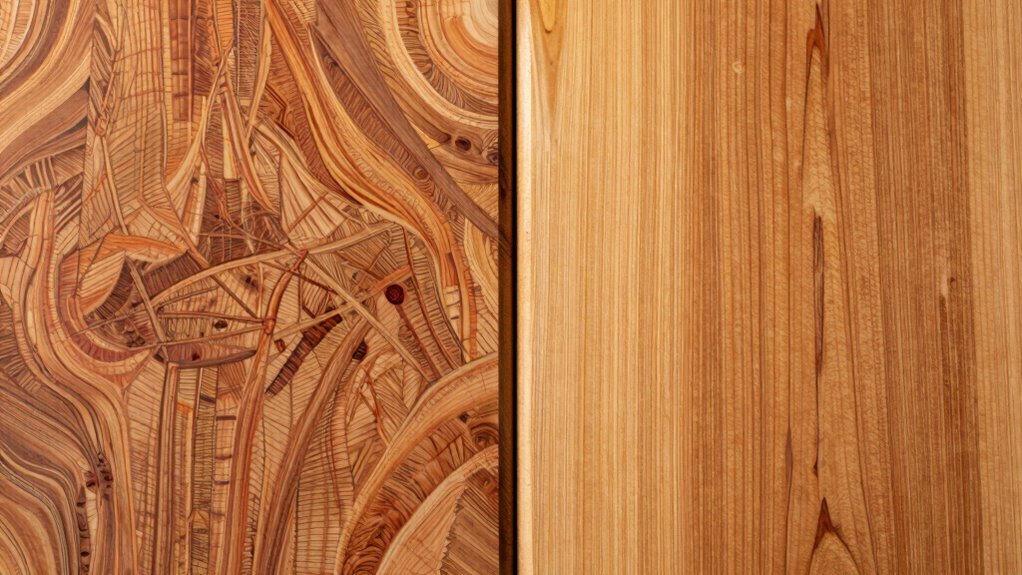
Choosing the right cutting board is essential for knife enthusiasts who want to preserve their blades and enhance their prep work. When comparing end grain and edge grain boards, understanding the differences in wood grain patterns helps you make an informed choice. End grain boards are crafted by arranging small blocks of wood so that the cut ends face upward, creating a distinctive mosaic of wood grain patterns. This design is gentle on your knives because the fibers give slightly under the blade, reducing dulling and promoting better knife maintenance. On the other hand, edge grain boards are made by joining long, flat strips of wood with their surfaces facing up, highlighting the wood’s natural grain pattern. These boards tend to be more durable on the surface and are often easier to clean, but they might be a bit tougher on your knives over time.
End grain boards are gentle on knives and promote better maintenance with their mosaic wood pattern.
If you’re committed to knife maintenance, end grain boards are generally the better choice. Their unique wood grain patterns distribute the cutting force more evenly, absorbing the impact and preventing deep scratches that can harbor bacteria. This means your knives stay sharper longer, and your board remains more hygienic with proper care. The open grain structure of end grain boards also makes them more forgiving when it comes to knife entry and exit, which is especially important if you’re chopping frequently or working with delicate blades. Meanwhile, edge grain boards, while sturdy and more resistant to warping, don’t have the same forgiving surface for your knife edges. The tighter wood grain patterns can lead to quicker dulling, especially with heavy or frequent use. Additionally, wood grain patterns play a significant role in how well the board maintains its surface over time. Proper maintenance routines can extend the life of both types of boards, but end grain boards tend to respond better to regular oiling and care. A quality wood type can also enhance both durability and aesthetic appeal, making your cutting board a lasting kitchen investment. Furthermore, choosing the right wood grain pattern can even influence the overall look and style of your kitchen setup.
Price and maintenance are also factors to weigh. End grain boards typically cost more due to the complexity of their construction and the quality of wood needed. They may require a bit more care — regular oiling to keep the wood hydrated and prevent cracking — but their longevity and performance rewards are worth it for serious knife lovers. Edge grain boards are often more budget-friendly and easier to maintain, but they might need more frequent honing or sharpening of your knives over time. Ultimately, if you prioritize preserving your blades and prefer a cutting surface that’s gentle on your knives, end grain boards are the superior choice, especially given their appealing wood grain patterns that showcase craftsmanship.
In the end, your decision comes down to balancing your budget, maintenance routine, and how much you value knife preservation. Both types have their merits, but for true knife enthusiasts, understanding how wood grain patterns impact knife maintenance can guide you to the best choice for your kitchen.

SHUMARU Mahogany End Grain Cutting Board, 17×13×1.6 in – Handmade Butcher Block, Knife-Friendly, Juice Groove, Non-Slip Feet
- Thickness and Weight: 1.6-inch thick, 8.5 lbs for stability
- Knife-Friendly Surface: End grain protects knife edges
- Juice Groove: Captures juices to keep counters clean
As an affiliate, we earn on qualifying purchases.
As an affiliate, we earn on qualifying purchases.
Frequently Asked Questions
Which Type of Board Is More Eco-Friendly?
You’ll find end grain boards are generally more eco-friendly because they often use sustainable materials and recycled wood options, making better use of resources. They tend to last longer and require less frequent replacement, reducing waste. Edge grain boards, while durable, may not always prioritize eco-conscious choices. By selecting end grain, you support sustainable material choices, helping the environment while enjoying a high-quality cutting surface that’s kind to your knives.
How Do End Grain and Edge Grain Boards Affect Knife Longevity?
End grain boards are gentler on your knives, helping maintain knife sharpness longer, while also offering greater cutting surface durability. They absorb impacts better, reducing blade wear and preventing dulling. Edge grain boards, though slightly harder on knives, still provide a decent cutting surface but may wear down faster over time. Overall, end grain boards are the better choice if you want to extend your knife’s longevity and preserve its sharpness.
Are There Specific Woods Better Suited for Each Board Type?
Think of your cutting board as a stage for your knives—certain woods are stars suited for specific roles. Hardwoods like maple and walnut boast high wood durability, making them ideal for both end grain and edge grain boards. Maple’s fine grain offers excellent knife compatibility, reducing dulling. For durability and knife friendliness, choose these woods; they’re the reliable performers that keep your knives sharper longer, ensuring your culinary symphony remains flawless.
How Often Should I Reseal or Oil My Cutting Board?
You should reseal or oil your cutting board every 1-3 weeks, depending on usage. Stick to a regular maintenance schedule and monitor the wood’s appearance—if it looks dry or dull, it’s time for more oil. The oil application frequency varies with how often you use the board and the type of oil you choose. Consistent oiling keeps it protected, durable, and looking its best.
Can Both Board Types Be Used for Serving Food?
Both end grain and edge grain boards can serve as stunning, functional surfaces for serving food. You’ll love their decorative options, as they elevate presentation and enhance your table’s appeal. End grain boards often showcase intricate patterns, making them perfect for a sophisticated display. Edge grain boards deliver a sleek, smooth surface suitable for casual gatherings. Either choice adds a touch of elegance, combining practicality with presentation enhancement for your culinary creations.

THETCHRY Walnut Cutting Boards for Kitchen, End Grain Wood Cutting Board
- Premium Walnut with End Grain: Durable, knife-friendly, self-healing wood
- Effortless Use Design: Deep juice groove, handles, non-slip feet
- Versatile Kitchen Tool: Chopping surface and serving tray
As an affiliate, we earn on qualifying purchases.
As an affiliate, we earn on qualifying purchases.
Conclusion
Choosing between end grain and edge grain boards is like selecting the perfect dance partner—you’ll find one that gently supports your culinary rhythm. End grain offers a tender, forgiving surface, while edge grain provides a sturdy, dependable stage. Whichever you favor, remember it’s about creating a harmonious kitchen experience. With a little care, your board will become a trusted companion, quietly enhancing your skills and adding a touch of grace to every cut.

ROYAL CRAFT WOOD Wooden Cutting Boards for Kitchen Appliances – Non Toxic Bamboo Wood Cutting Board Set with Deep Juice Groove, Side Handles, Charcuterie & Butcher Block for Meat, Meal Prep & Serving
- Three Sizes for Versatile Use: 15×10”, 12×8”, 9×6” boards
- Made from Natural Bamboo: Non-toxic, durable, eco-friendly material
- Elegant Modern Design: Smooth, non-porous finish highlights wood grain
As an affiliate, we earn on qualifying purchases.
As an affiliate, we earn on qualifying purchases.
THETCHRY Walnut Cutting Boards for Kitchen, End Grain Wood Cutting Board
- Premium Walnut with End Grain: Durable, knife-friendly, self-healing wood
- Effortless Use Design: Deep juice groove, handles, non-slip feet
- Versatile Kitchen Tool: Chopping surface and serving tray
As an affiliate, we earn on qualifying purchases.
As an affiliate, we earn on qualifying purchases.