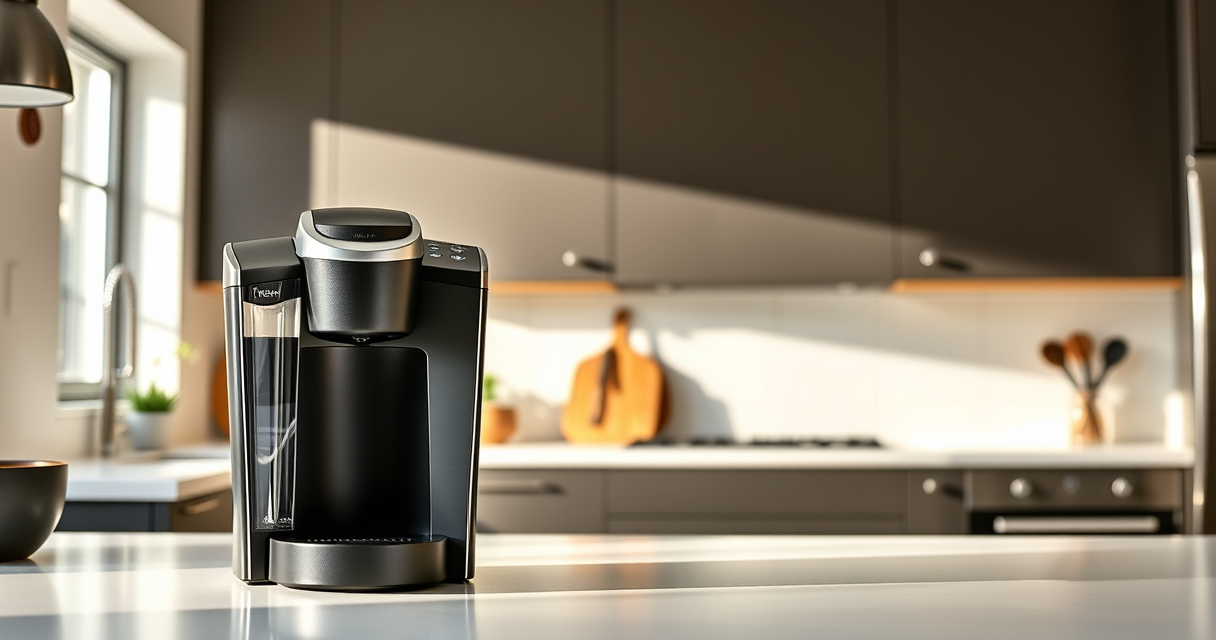
Maintaining your Keurig coffee maker ensures consistent, flavorful brews and extends the lifespan of your appliance. Whether you’re a new owner or a seasoned user, understanding proper cleaning and troubleshooting techniques is essential for optimal performance.
In this guide, we’ll walk you through practical steps for cleaning, descaling, and troubleshooting common issues specific to your Keurig K-Mini Single Serve K-Cup Pod Coffee Maker, along with recommended products to help you keep it in top shape.
Key Takeaways
| Regular Cleaning is Key | Clean your machine weekly to prevent residue buildup. |
| Descaling Prevents Mineral Deposits | Use descaling solutions every 3 months to maintain performance. |
| Use Proper Products | Utilize recommended cleaning kits and filters for best results. |
| Troubleshoot Common Issues | Address clogs and inconsistent brewing promptly for longevity. |

Keurig K-Mini Single Serve K-Cup Pod Coffee Maker, 6 to 12oz Brew size, with Cord Storage, Perfect for Small Spaces, Black
- Compact Design: Fits small spaces under 5 inches wide
- Adjustable Brew Size: Brew 6-12oz cups with Keurig pods
- Single Use Reservoir: Add fresh water for each brew
As an affiliate, we earn on qualifying purchases.
Preparing Your Keurig for Maintenance
Before starting any cleaning or descaling process, ensure your Keurig K-Mini is unplugged and cooled down. Remove any used K-Cup pods and empty the water reservoir. Gather your cleaning supplies: descaling solution, rinse pods, and a soft cloth.
For safety and effectiveness, always use products compatible with your model, and follow manufacturer instructions carefully.
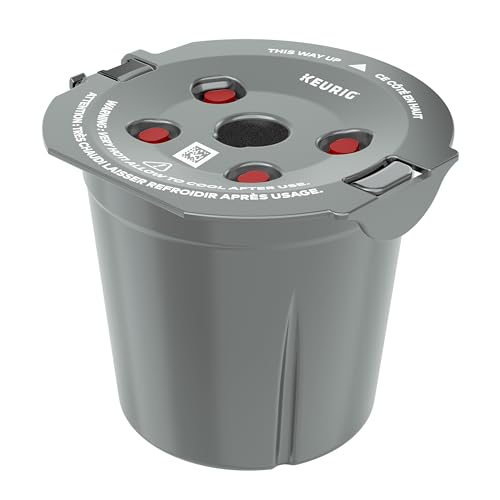
My K-Cup® Reusable Coffee Filter
- Brew with Ground Coffee: Use your favorite ground coffee
As an affiliate, we earn on qualifying purchases.
Cleaning the External and Drip Tray
- Wipe the exterior with a damp, soft cloth to remove dust and coffee splashes.
- Remove the drip tray and rinse it with warm, soapy water. Dry thoroughly before reattaching.
- Check the area around the water reservoir and wipe down any residue or spills.
This routine prevents buildup and keeps your machine looking tidy and functioning properly.
Deep Cleaning the Water Reservoir and Needle
To ensure pure flavor and prevent clogging, regularly clean the water reservoir and the needle that pierces the K-Cup.
- Remove the water reservoir and wash with warm, soapy water. Rinse well and dry.
- Use a paperclip or Keurig needle cleaning tool to carefully clear any debris from the needle entry point, avoiding damage.
These steps help maintain water flow and prevent brewing issues.
Descaling Your Keurig K-Mini
Mineral deposits from hard water can impair brewing performance. Descaling removes these deposits and restores optimal function.
- Fill the water reservoir with a descaling solution diluted according to manufacturer instructions.
- Place a large cup or container under the spout.
- Run a brew cycle without a K-Cup, repeating until the reservoir is empty.
- Rinse the reservoir thoroughly and fill with fresh water.
- Run several brew cycles with just water to flush out remaining descaling solution.
Perform descaling every 3 months or more frequently in hard water areas.
Troubleshooting Common Keurig Issues
If your Keurig isn’t brewing properly, check these common issues:
- No water or weak brew: Ensure the water reservoir is filled and properly seated.
- Clogged needle: Clear the needle using a paperclip or cleaning tool.
- Leaking or dripping: Check for mineral buildup or damage to the water reservoir and seals.
- Machine not turning off: Verify the auto-off feature is enabled and functioning.
Addressing these issues promptly can prevent further damage and ensure your coffee maker works reliably.
The Products in This Guide
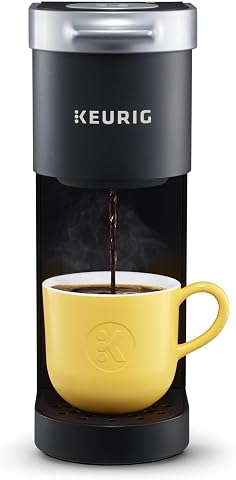
Keurig K-Mini Single Serve K-Cup Pod Coffee Maker
- ✔ Weight: 4.7 pounds
- ✔ Mug Height: Up to 7 inches
- ✔ Warranty: 1 year
My K-Cup® Reusable Coffee Filter
- ✔ Ease of Use: Simple setup
- ✔ Cleaning: Quick rinse
- ✔ Material: Food-grade plastic
Keurig K-Mini Single Serve K-Cup Pod Coffee Maker
The Keurig K-Mini is a sleek, space-saving coffee maker ideal for small kitchens, dorm rooms, or offices. It brews 6-12oz cups quickly and features a removable drip tray for travel mugs, making cleanup easy.
Pros:
- Compact and lightweight design
- Brews multiple cup sizes
- Removable drip tray accommodates travel mugs
- Energy-efficient auto off feature
Cons:
- Limited water reservoir requires frequent refills
- No built-in frother or advanced features
- Not suitable for high-volume use
Best for: Individuals with limited space who want quick, fresh coffee in minutes.
Not ideal for: Heavy daily use or those needing advanced brewing options.
Bottom line: A perfect space-saving unit that delivers quick, fresh coffee every time.
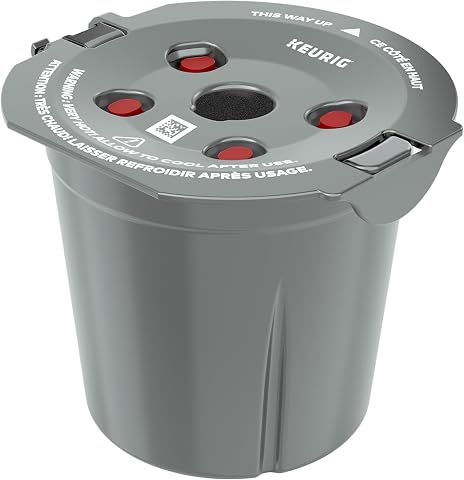
My K-Cup® Reusable Coffee Filter
The My K-Cup® Reusable Coffee Filter allows you to brew your favorite ground coffee with your Keurig, offering flexibility and cost savings while ensuring a fresh, flavorful cup.
Pros:
- Compatible with many Keurig models
- Allows use of ground coffee
- Eco-friendly alternative to pods
- Easy to clean
Cons:
- Requires separate purchase of ground coffee
- May need occasional cleaning for buildup
- Not compatible with all newer models
Best for: Coffee enthusiasts who prefer ground coffee and want to reduce waste.
Not ideal for: Users who rely solely on K-Cup pods or need a quick setup.
Bottom line: A versatile filter that enhances your coffee experience with ground beans.
Frequently Asked Questions
How often should I descale my Keurig K-Mini?
It is recommended to descale your Keurig K-Mini every 3 months or more frequently if you have hard water to prevent mineral buildup and ensure optimal performance.
What cleaning products are safe to use?
Use only descaling solutions and cleaning products approved by Keurig. Avoid harsh chemicals or abrasives that could damage the machine.
Can I use my own ground coffee with the Keurig?
Yes, with the My K-Cup® Reusable Coffee Filter, you can brew your favorite ground coffee instead of K-Cup pods.
Why is my Keurig leaking?
Leaking can be caused by mineral buildup, a damaged water reservoir, or a faulty seal. Regular cleaning and descaling can help prevent this issue.
How do I troubleshoot brewing issues?
Check the water reservoir, clear any clogs in the needle, and descale if needed. Also, ensure the machine is correctly assembled and the power is on.
Keep Your Keurig Brewing Perfectly with Routine Maintenance
Regular cleaning, descaling, and prompt troubleshooting are essential to keep your Keurig K-Mini functioning at its best. By following these practical steps, you ensure each cup tastes fresh and your machine stays in excellent condition for years to come.
Investing in quality cleaning products and establishing a maintenance routine will save you time and money while guaranteeing delightful coffee every day.
Affiliate disclosure: As an Amazon Associate we earn from qualifying purchases. Prices and availability are accurate as of the time of publishing.