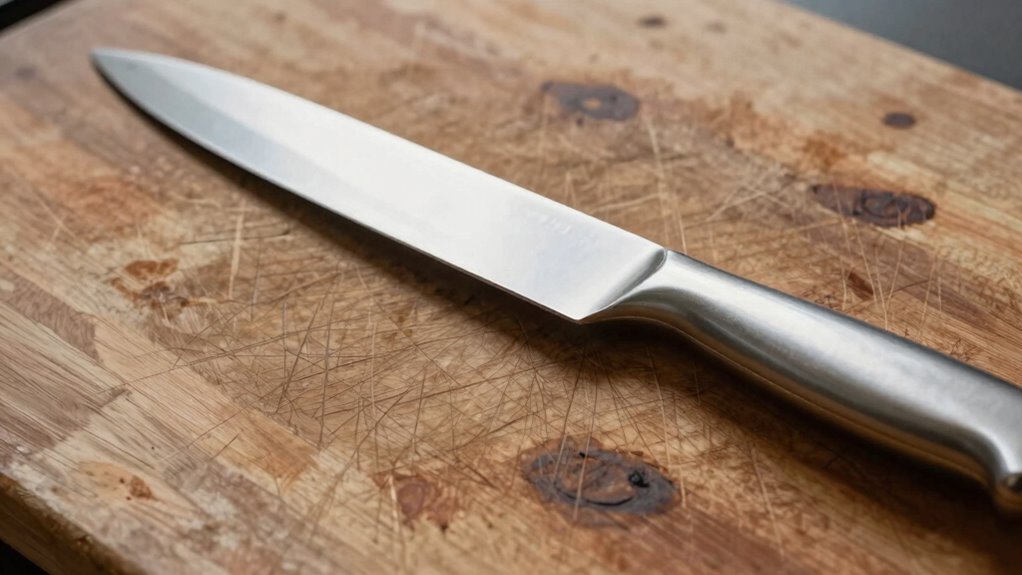

To determine if your cutting issues come from the knife or the board, start by testing your knife’s sharpness. Try slicing a tomato or bread; if it struggles or crushes, your blade may be dull. Next, inspect your cutting surface for warping or uneven spots that cause wobbling or uneven cuts. If both seem fine but problems persist, consider how you’re using your tools. Exploring these steps will help you identify the culprit and improve your results.

Get kitchen gear delivered free with Prime
- Fast, free delivery on millions of items
- Prime Video, Amazon Music and more included
- Member-only deals all year
Key Takeaways
- Test the knife on different ingredients; dull blades struggle more with softer produce like tomatoes or bread.
- Check the cutting surface for warping or unevenness, which can cause wobbling and inconsistent cuts.
- Observe if the knife glides smoothly or requires excessive force; difficulty indicates dullness or improper technique.
- Inspect the cutting board for flatness and stability; warped boards can impede clean slicing regardless of knife sharpness.
- Combine assessments: if the knife is sharp but cuts poorly, the issue may be the board; if the board is stable but cuts are uneven, the knife may be dull.
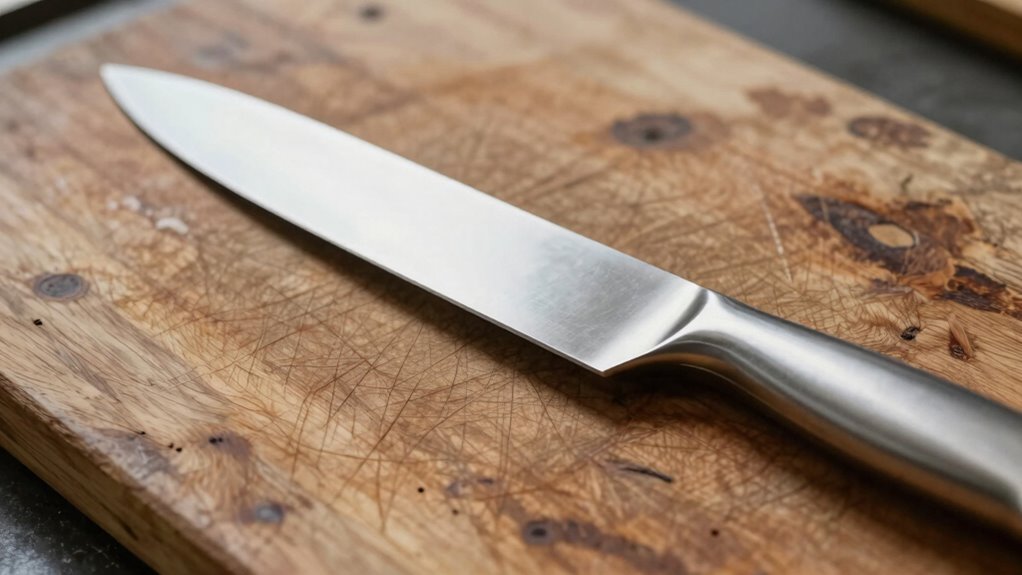
Have you ever wondered whether your dull knife or a warped cutting board is causing uneven slices or damaged produce? It’s a common concern, and figuring out which tool is at fault is the first step toward improving your kitchen skills. When your slices come out inconsistent or your produce looks bruised and torn, it might not just be bad luck — it could be the tools you’re using. To get to the root of the problem, you need to evaluate both your knife and your cutting surface carefully.
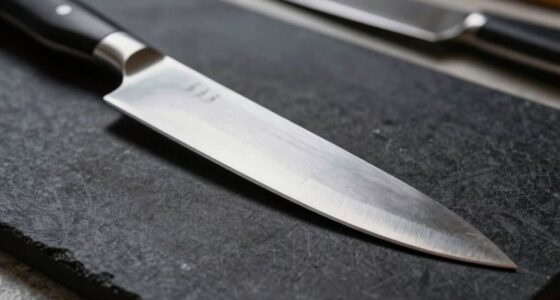
Start with your knife. Dull blades are often the biggest culprit behind uneven cuts and crushed produce. Over time, knives lose their sharpness, which can make slicing a chore. When a knife isn’t sharp, you tend to press harder to cut through ingredients, applying uneven pressure that results in jagged edges, squashed vegetables, or torn fruit. To check if your knife needs sharpening, try slicing through a tomato or a piece of bread. If the blade struggles or tears the produce rather than glides through smoothly, it’s time for a good knife sharpening session. Regular sharpening not only improves cutting accuracy but also makes your work safer, as you exert less force and reduce slipping. Additionally, understanding the proper knife maintenance can help extend the life of your blades and keep them performing at their best. Moreover, using the right cutting techniques can significantly influence the quality of your slices and overall efficiency. Maintaining your tools with proper cleaning and storage practices can also prevent dulling and corrosion over time.
But even if your knife is sharp, cutting techniques matter immensely. Proper hand positioning and controlled motion help you achieve cleaner, more uniform slices. Keep your fingers curled away from the blade, and use a rocking or slicing motion rather than pressing straight down. This technique minimizes damage to the produce and ensures more precise cuts. If you’re rushing or using awkward angles, even a sharp knife can produce uneven results. Practicing good cutting techniques can dramatically improve your results, making your work more efficient and your produce look better. Additionally, understanding the importance of technique can help you avoid common mistakes that compromise your slices.
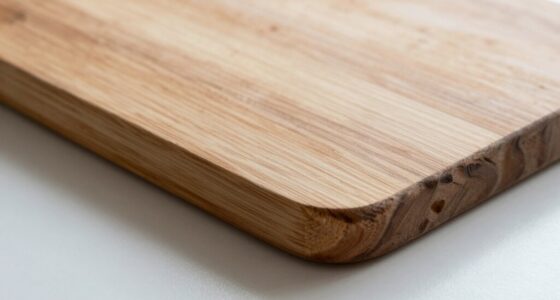
Now, assess your cutting board. Warped or uneven boards can cause your knife to slide or wobble, leading to inconsistent slices or accidental injuries. Place a straightedge or a level across the surface to see if it wobbles or has high spots. If it’s warped, it’s worth replacing the board. A stable, flat surface provides a predictable cutting platform, ensuring that your slices are even and your cuts are controlled. A smooth, non-porous surface also prevents bacteria buildup and makes cleaning easier, further contributing to food safety. Using a stable cutting surface is essential for achieving both safety and precision in your kitchen. Regularly inspecting your cutting surface for warping or damage can help you avoid potential hazards and maintain optimal cutting conditions. Properly maintained surfaces can also reduce the wear and tear on your knives, extending their lifespan.
In the end, it’s a combination of sharp tools, proper cutting techniques, and a stable cutting board that results in the best slices. By evaluating each element critically, you can identify whether your problem lies with your knife or your board — or perhaps both — then take steps to improve your kitchen setup. Proper maintenance and technique make all the difference in achieving professional-looking results every time you chop, slice, or dice.
As an affiliate, we earn on qualifying purchases.
Frequently Asked Questions
Can Using a Different Cutting Board Improve Cutting Efficiency?
Using a different cutting board can definitely improve your cutting efficiency. A clean, suitable board helps you maintain a proper cutting technique, reducing the risk of cross contamination. When your board is stable and well-maintained, you can cut with more precision and safety. Switching to the right material, like wood or plastic, also minimizes wear on your knife, making your cuts smoother and quicker.
How Often Should I Replace My Kitchen Knives?
Like a trusted sword in battle, your kitchen knives need regular care. Replace them every 2-5 years, depending on usage and dullness. Proper knife maintenance, such as honing and sharpening, keeps them sharp longer. Pay attention to your cutting technique—if you notice increased effort or uneven cuts, it’s time for a new one. Taking good care guarantees your knives serve you well, just like a hero’s blade.
Are There Specific Materials Better for Cutting Boards?
For ideal knife compatibility and durability, you should choose cutting board materials like hardwoods, such as maple or walnut, which are gentle on knives and resist scratches. Plastic boards are also good, especially for raw meats, since they’re easy to clean and sanitize. Bamboo is another option, but it can be tougher on blades over time. Avoid glass or ceramic, as they quickly dull your knives.
What Are Signs My Knife Needs Sharpening?
Your knife’s dullness whispers trouble—food slides instead of slices, or tears rather than cuts cleanly. When it struggles to glide smoothly on your cutting surface, it’s a sign for knife maintenance. You might notice uneven edges or increased effort with each cut. Sharp knives make cooking a dance; dull ones turn it into a chore. Keep your blades sharp to guarantee precise cuts and maintain the integrity of your cutting surface.
How Can I Prevent Knives From Dulling Quickly?
To prevent knives from dulling quickly, focus on proper knife maintenance and choosing the right cutting surface. Regularly hone your knives to keep edges sharp, and avoid using them on hard surfaces like glass or stone. Instead, use a wooden or plastic cutting board, which helps preserve the blade’s edge. Also, wash and dry knives promptly, storing them safely to prevent accidental damage. These habits keep your knives sharp longer.
As an affiliate, we earn on qualifying purchases.
Conclusion
Remember, a dull knife often causes more frustration than a worn board. Did you know that 60% of home cooks admit to using their knives improperly, leading to quicker dulling? By checking both your board and knife regularly, you’ll make certain safer, more efficient chopping. So, next time your cuts feel uneven or tedious, take a moment to evaluate which tool needs sharpening or replacing. Proper tools make all the difference in your culinary adventures!
As an affiliate, we earn on qualifying purchases.
As an affiliate, we earn on qualifying purchases.
Fall Picks
fall essentials
As an affiliate, we earn on qualifying purchases.