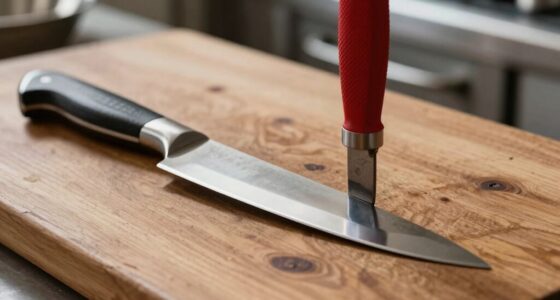
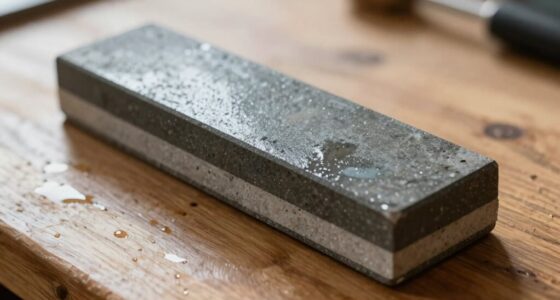
When you switch from water stones to oil stones, you’ll notice changes in routine—water stones need soaking, quick sharpening, and frequent flattening for a fine finish, while oil stones require oil application, offer controlled cuts, and are more durable with less maintenance. Oil stones tend to produce a coarser initial edge, but last longer. If you want to understand how these differences affect your daily sharpening tasks, keep exploring the details.
Key Takeaways
- Water stones require soaking and frequent flattening, impacting prep time and maintenance routines daily.
- Oil stones need oil application before use, offering quicker setup but messier handling.
- Water stones sharpen faster with finer finishes, ideal for quick, precise edges in daily tasks.
- Oil stones produce durable, steadier edges with less frequent maintenance, suitable for regular use.
- Water stones are less portable and moisture-sensitive, while oil stones are lighter and more convenient for on-the-go use.

imarku Chef Knife 7 Inch Kitchen Knife Ultra Sharp Santoku Knife - High Carbon Japanese Chefs Knife, Kitchen Gadgets 2025, Apartment Essentials, Birthday Gifts for Him Her, Best Gifts for Women Men
Professional Santoku Knife: This imarku super sharp santoku knife is made of high carbon stainless steel that resists...
As an affiliate, we earn on qualifying purchases.
Material Composition and Abrasive Particles

Water stones and oil stones differ primarily in their material composition and abrasive particles. Water stones are typically made from softer materials like aluminum oxide or silicon carbide, which contain fine abrasive particles that break down quickly. This allows for faster sharpening and a finer edge, but they wear out more rapidly. Additionally, abrasive particle properties play a crucial role in how effectively each stone sharpens. Water stones often require soaking before use, which influences their moisture retention and performance during sharpening. Oil stones, on the other hand, are usually composed of harder materials such as novaculite, Arkansas stone, or synthetic abrasives bonded with oil. Their abrasive particles are coarser and more durable, providing longer-lasting sharpening surfaces. The material composition influences how each stone interacts with your tools, with water stones offering a more aggressive cut and oil stones providing a steadier, more controlled sharpening experience. Moreover, material durability impacts the longevity and maintenance requirements of each type of stone. Understanding these differences helps you choose the right stone for your specific needs, especially considering factors like abrasive wear, maintenance frequency, and the abrasive particles’ ability to produce a fine edge.
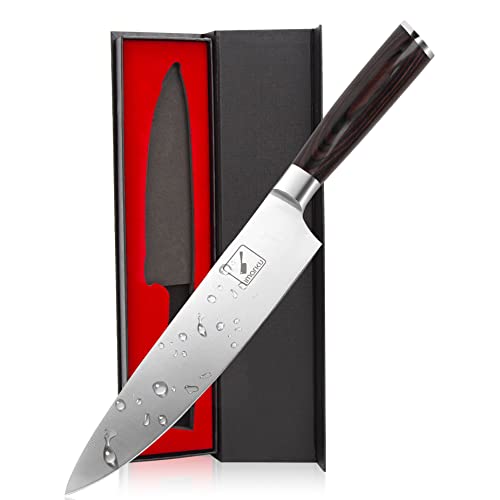
imarku Japanese Chef Knife - Sharp Kitchen Knife 8 Inch Chef's Knives HC Steel Paring Knife, Unique Gifts for Men and Women, Gifts for Mom or Dad, Kitchen Gadgets with Gift Box, Gyutou Knives
High-Carbon Stainless Steel Blade: It is manufactured from high-quality stainless steel that maintains its functionality for a long...
As an affiliate, we earn on qualifying purchases.
Ease of Use and Setup

While both water stones and oil stones are effective for sharpening, they differ considerably in ease of use and setup. Water stones typically require soaking, which involves water absorption and can take time before use. They’re generally straightforward, but you need to prepare them in advance. Oil stones, on the other hand, need oil applied to the surface, making setup quicker but more messy. Additionally, understanding the benefits of curiosity can help users appreciate the importance of choosing the right tool to foster patience and meticulousness in maintenance. Consider these points: 1. Water stones need soaking, which impacts immediate usability. 2. Oil stones are ready to use after applying oil, with less prep time. 3. Water absorption in water stones can lead to odor retention over time, requiring careful cleaning. 4. Proper technique is essential for effective sharpening and longevity of the stone. 5. The type of stone you select can also influence your maintenance routine and overall satisfaction with your sharpening process. Furthermore, being aware of the moisture management involved in water stones can help prolong their lifespan and maintain optimal performance. Your choice depends on how much setup time you prefer versus ongoing maintenance.

HOSHANHO Kitchen Knife in Japanese High Carbon Steel, Professional High-Class Chef's Knife 8 inch, Non-slip Ultra Sharp Cooking Knives with Ergonomic Handle
【High-End Japanese Steel Chef's Knife】 HOSHANHO chef's knife is made of Japanese high carbon steel 10Cr15CoMoV, 2x of...
As an affiliate, we earn on qualifying purchases.
Maintenance and Cleaning Requirements

Maintaining and cleaning your sharpening stones is essential to keep them performing at their best, and the process varies between water stones and oil stones. For water stones, you’ll want to rinse them with water after each use to remove metal particles and debris, which helps conserve water and preserves their aesthetic appeal. Occasionally, you can soak them in water overnight for thorough cleaning. Oil stones require wiping with a cloth to remove oil and metal residues; avoid using harsh chemicals that could damage their surface. Proper cleaning prevents clogging and ensures consistent sharpening. Regular maintenance not only prolongs the life of your stones but also preserves their appearance. By keeping your stones clean and well-maintained, you optimize their performance while respecting water conservation efforts and maintaining their aesthetic appeal. Additionally, understanding the differences in maintenance requirements between water stones and oil stones can help you develop an effective care routine. Incorporating proper storage techniques also prevents damage and maintains the stones’ integrity over time. Regular inspection and correct storage can also prevent surface damage, ensuring the stones stay smooth and effective for sharpening. Developing a routine that includes cleaning habits tailored to each stone type can further enhance their longevity and performance. Moreover, using appropriate cleaning tools can help remove stubborn residues more efficiently.

Japanese Chef Knife, 8 Inch Damascus Kitchen Knife with VG10 Steel, Handcrafted Sharp Knife with Ergonomic Handle, Cooking Knives for Home Chefs, Cooking Gifts for Men and Women
【Premium Damascus Chef Knife with VG-10 Steel Core】Our Japanese knives feature a VG-10 steel core (60 HRC) for...
As an affiliate, we earn on qualifying purchases.
Speed and Effectiveness of Sharpening

The speed and effectiveness of sharpening depend heavily on the type of stone you choose. Water stones typically sharpen faster due to their softer abrasive material, making honing quicker than polishing. Oil stones, being more abrasive and natural, often require more time but provide a smoother edge. Consider these factors: 1. Water stones excel in honing, offering rapid material removal and quick results. 2. Oil stones are better suited for polishing, refining the edge with a natural, abrasive surface. 3. The choice between abrasive versus natural stones influences speed; abrasive stones cut faster, while natural stones emphasize a refined finish. Additionally, proper filtration of sharpening tools can prevent debris buildup that might impair performance. Using the appropriate maintenance practices ensures your stones stay effective and prolong their lifespan. Regular cleaning and proper storage are essential for preserving the sharpness and lifespan of your stones. To maximize efficiency, it’s also helpful to understand the abrasive properties of each type of stone and how they interact with different metals. If you need fast sharpening, water stones are your best bet. For a polished, durable edge, oil stones, despite their slower pace, deliver superior results. Maintaining a consistent technique can also significantly impact your sharpening efficiency and the quality of the edge.
Surface Finish and Edge Quality

Your choice between water stones and oil stones directly affects the sharpness and smoothness of your edge. A better finish guarantees a more precise cut and less need for frequent sharpening. Consistency in the surface finish ensures your tools perform reliably and meet your expectations every time. Additionally, understanding the edge quality produced by each type of stone can help you select the most suitable option for your specific needs. Recognizing the abrasive material differences can further influence your decision based on the desired finish and durability. Being aware of surface consistency can also help you achieve a more uniform sharpening experience. Considering smart maintenance techniques can prolong the effectiveness of your stones and ensure optimal results over time. Proper storage and regular cleaning are essential for maintaining tool longevity and ensuring your sharpening stones function effectively for years to come.
Sharpness and Smoothness
When it comes to achieving a sharp and smooth edge, the choice between a water stone and an oil stone plays a crucial role. Water stones generally produce a finer, more refined edge due to their abrasive qualities, enhancing sharpness and smoothness. Oil stones, on the other hand, tend to leave a slightly coarser finish but can still deliver a durable edge with proper sharpening techniques. To optimize results, consider these factors:
- Water stones require frequent flattening and diligent maintenance routines to maintain their abrasive surface.
- Oil stones demand less frequent upkeep but may need additional polishing to achieve a smoother finish.
- Sharpening techniques differ, with water stones often enabling faster cuts, while oil stones favor controlled, precise strokes.
- Remember that grocery savings strategies can be useful in acquiring quality sharpening stones at better prices, especially when shopping during sales or with discounts.
Your choice affects not just sharpness but also the ease of maintenance routines over time.
Consistency of Finish
Achieving a consistent finish depends heavily on the type of sharpening stone you choose. Water stones often produce a more polish consistency due to their softer surface, allowing for finer abrasions and smoother edges. This helps you achieve a finish uniformity that’s visually appealing and functionally reliable. Oil stones, being harder, tend to leave a slightly rougher surface initially, but with proper technique, they can still deliver a consistent edge quality. The key is maintaining even pressure and consistent strokes to ensure polish consistency across the entire blade. Regardless of the stone type, patience and attention to detail are crucial for a uniform finish. Ultimately, your choice influences how easily you attain a polished, smooth edge with dependable finish uniformity.
Cost and Longevity of Stones

When choosing between water stones and oil stones, you’ll want to take into account the initial purchase cost and ongoing maintenance expenses. Durability varies, as some stones wear down faster and require replacements more often. Understanding these factors helps you decide which stone offers better long-term value for your needs.
Initial Purchase Price
The initial purchase price of water stones and oil stones varies considerably, but understanding their cost and lifespan helps you make an informed decision. Your initial investment depends on factors like quality, size, and brand. For a clear price comparison:
- Water stones tend to have a lower upfront cost but may require more frequent replacements.
- Oil stones generally cost more initially but last longer, reducing replacement frequency.
- Higher-quality stones of either type can considerably increase the initial investment but offer better durability and performance.
Ultimately, the price difference influences your long-term expenses and value. While water stones might seem cheaper at first, their shorter lifespan could offset initial savings. Knowing these aspects helps you choose the right stone aligned with your budget and needs.
Maintenance Expenses
While the initial purchase price offers a snapshot of your investment, understanding maintenance expenses reveals the true long-term costs of water stones and oil stones. Water stones typically require regular flattening to maintain blade compatibility and effective sharpening techniques, which can add to ongoing costs. Oil stones generally need less frequent maintenance but may require occasional cleaning or dressing to keep their surface effective. Over time, water stones tend to wear faster, potentially leading to more frequent replacements or dressing, while oil stones are often more durable and longer-lasting. Your choice impacts not only upfront costs but also the effort and expenses involved in keeping your stones performing efficiently. Proper maintenance ensures consistent results, making it a key factor in your overall sharpening investment.
Durability and Wear
Durability and wear considerably influence the long-term value of your sharpening stones. Water stones tend to wear faster but are easier to reshape or flatten, maintaining their effectiveness over time. Oil stones generally last longer due to higher corrosion resistance, making them more resistant to rust and staining, which preserves their aesthetic appeal. Consider these factors:
- Water stones require regular flattening, impacting their lifespan but offering quick, sharp results.
- Oil stones resist corrosion better, extending their longevity and maintaining appearance.
- Your choice affects cost: water stones often need replacement sooner, while oil stones may be more cost-effective over years.
Storage and Portability

When it comes to storage and portability, water stones generally require careful handling due to their moisture content, making them less convenient to carry around. You’ll want to make certain they stay dry and protected from damage, which can be tricky on the go. Their compact size allows for portable storage, but you should consider weight considerations—water stones tend to be heavier than oil stones of similar size. This added weight can make them less ideal for frequent transport or outdoor use. If portability is essential for you, you might prefer a lightweight oil stone instead. However, if you prioritize careful storage and a stable sharpening surface, water stones can be stored securely at home, provided you keep them dry.
Environmental and Safety Considerations

Water stones often require careful handling to prevent moisture damage, which highlights important environmental and safety considerations. When using or storing water stones, you should be aware of potential chemical emissions that can affect indoor air quality. Additionally, their environmental impact is minimal if properly maintained, but improper disposal can lead to contamination. Consider these points:
Water stones need careful handling to prevent moisture and chemical emissions, ensuring safety and environmental protection.
- Chemical emissions: Water stones generally emit fewer chemicals compared to oil stones, reducing health risks.
- Waste management: Proper disposal prevents environmental pollution from residues or worn-out stones.
- Safety precautions: Avoid inhaling dust particles during use, as some stones may produce fine particulates harmful to respiratory health.
Being mindful of these factors helps ensure safe use while minimizing environmental harm.
Compatibility With Different Blade Types

Choosing the right sharpening stone depends heavily on your blade type, as different stones interact uniquely with various materials. Water stones are softer and more forgiving, making them ideal for blades with greater flexibility, such as flexible kitchen knives or serrated edges. They allow for precise control, which enhances handle comfort by reducing the effort needed during sharpening. Oil stones, on the other hand, tend to suit harder, more rigid blades like Japanese single-bevel knives or professional chef’s tools. Their coarser grit can handle tougher steels efficiently, but may require more pressure, potentially affecting handle comfort over time. Consider your blade’s flexibility and the comfort during use when choosing between water and oil stones to guarantee compatibility and ideal sharpening results.
Frequently Asked Questions
Which Stone Is More Suitable for Beginner Sharpeners?
You’ll find a water stone more suitable for beginner sharpeners because it offers beginner-friendly sharpening with its ease of use. Its quick water-based setup makes it less messy and easier to clean, helping you learn proper technique faster. The softer surface also grinds quickly, giving you immediate feedback. Overall, a water stone promotes a smoother learning curve, making it the ideal choice for those just starting out with sharpening.
How Do Water and Oil Stones Affect Blade Lifespan?
Did you know that using a water stone can increase abrasive efficiency by up to 20% compared to oil stones? Water stones tend to be gentler on blades, which helps extend their lifespan, while oil stones may require more frequent maintenance due to buildup. Regular cleaning of your stones ensures ideal sharpening and prevents unnecessary wear, ultimately preserving your blade’s sharpness and longevity over time.
Can Water and Oil Stones Be Used Interchangeably?
You can’t really use water and oil stones interchangeably because they require different stone maintenance and sharpening techniques. Water stones need soaking and quick, frequent use, while oil stones need oil for lubrication and tend to sharpen more slowly. Switching between them isn’t ideal, as it may affect your blade’s edge and longevity. Stick to one type to maintain consistent sharpening results and prolong your blade’s life effectively.
What Are Common Mistakes When Using Each Type?
Misuse pitfalls and maintenance errors can mar your sharpening efforts. You might mistakenly use water stones with oil or vice versa, causing uneven edges or damage. Failing to keep your stones clean, dry, and properly lubricated leads to dull results and faster wear. Always match your stone type with the recommended lubricant and regularly clean your stones. Mindful maintenance minimizes mistakes, maximizing sharpness and longevity in your tools.
Are There Specific Knives That Perform Better With Water or Oil Stones?
You’ll find that certain blades, like high-carbon or Japanese knives, perform better with water stones due to their fine grit and quick cutting ability, which suits delicate sharpening techniques. Conversely, oil stones work well for harder, Western-style blades, providing durability and slower wear. Always consider blade compatibility and specific sharpening techniques to optimize results, ensuring your knives stay sharp and in top condition regardless of the stone type you choose.
Conclusion
Choosing between water stones and oil stones is like picking the right tool for your favorite recipe—you want what’s best for your needs. Water stones sharpen quickly and give a smooth finish, while oil stones last longer and are easier to maintain. Consider your daily use, budget, and safety. By understanding their differences, you can make a smart choice that keeps your blades razor-sharp, just like a well-tuned sports car ready to race.