To maintain a serrated edge, regularly inspect and sharpen only when dull, using a small ceramic rod or sharpening stone for each tooth with gentle, consistent pressure. Clean your bread knife by hand with warm, soapy water immediately after use and dry thoroughly to prevent rust. Store it in a safe location, away from other utensils to avoid damage. Continue below to learn more tips for keeping your serrated knives sharp and effective over time.
Key Takeaways
- Regularly inspect the serrated edge for dullness or damage, and sharpen only when necessary.
- Use a small, round sharpening stone or ceramic rod to carefully hone each tooth individually.
- Clean the knife immediately after use with warm, soapy water, then dry thoroughly to prevent rust.
- Store in a protective sleeve or on a magnetic strip, avoiding drawers with other utensils to prevent damage.
- Proper maintenance, including gentle sharpening and careful cleaning, extends the knife’s performance and lifespan.
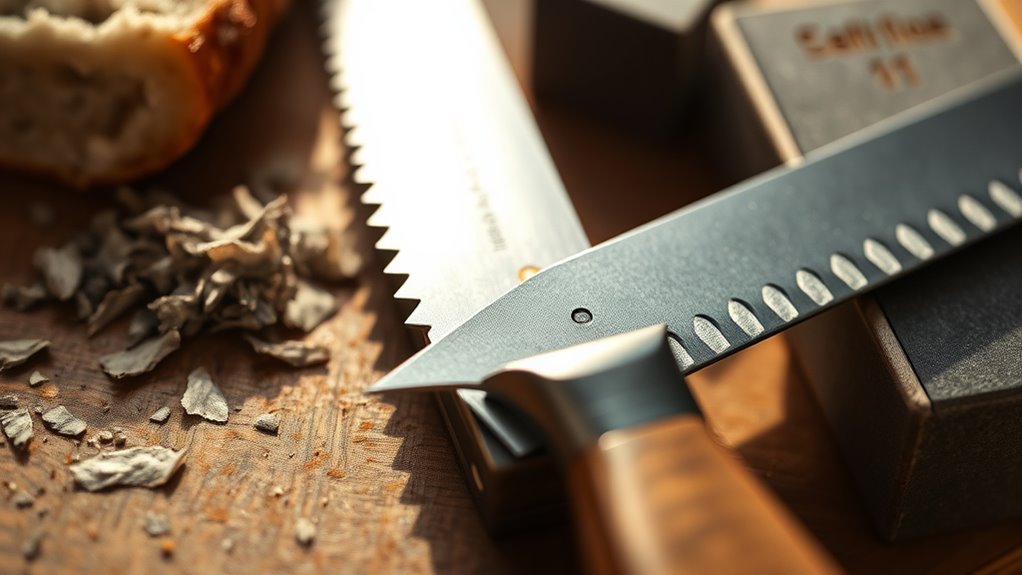
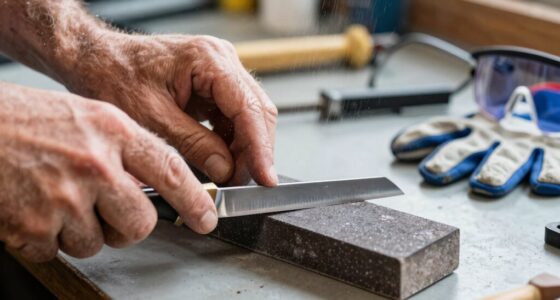
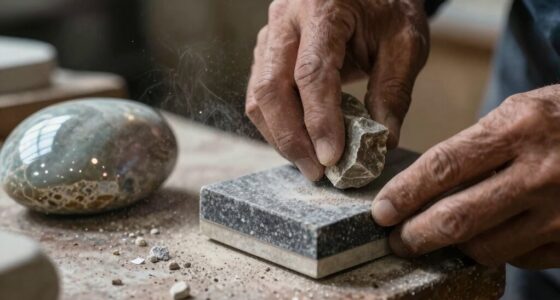
A serrated edge can stay sharp and effective with proper maintenance, even though it may seem more challenging than sharpening a straight blade. Unlike smooth blades, serrated knives require specific sharpening techniques to preserve their unique tooth pattern. You’ll want to use a small, round sharpening stone or a ceramic rod designed for serrated edges. Carefully work each individual tooth, maintaining the angle and applying gentle pressure to avoid damaging the delicate points. Patience is key here; rushing through the process can dull the edge instead of sharpening it. It’s best to sharpen only the dull or damaged teeth rather than every serration, which helps extend the life of your knife and keeps the blade performing well.
Cleaning and storage play essential roles in maintaining your serrated knife’s edge. After each use, wash the blade by hand with warm, soapy water, taking care to remove any food particles lodged between the teeth. Avoid dishwasher cleaning, as high heat and harsh detergents can degrade the metal and loosen the handle over time. Once cleaned, dry the knife thoroughly to prevent rust and corrosion. Proper storage is equally important; keep your serrated knife in a knife block, on a magnetic strip, or in a protective sleeve. Avoid tossing it into a drawer with other utensils, as knocking against other tools can chip or dull the teeth. Regularly inspecting the knife for signs of wear or damage allows you to address issues early, whether that means sharpening or professional maintenance.
ceramic sharpening rod for serrated knives
As an affiliate, we earn on qualifying purchases.
As an affiliate, we earn on qualifying purchases.
Frequently Asked Questions
How Often Should I Sharpen My Bread Knife?
You should sharpen your bread knife every 6 to 12 months, depending on usage. Regular knife maintenance keeps the serrated edge effective, so monitor its performance and sharpen when you notice it’s less efficient. Use proper sharpening techniques, like a ceramic rod or a specialized sharpening stone, to preserve the serrations. Avoid over-sharpening, which can damage the blade, and always follow manufacturer guidelines for your specific knife.
Can I Sharpen a Serrated Knife With a Regular Sharpener?
You shouldn’t sharpen a serrated knife with a regular sharpener because it’s designed for straight edges. Instead, you can use manual sharpening tools specifically made for serrated blades, like a ceramic rod or a sharpening stone. These alternative tools allow you to carefully hone each serration without damaging the edge. This way, you preserve your knife’s unique design and keep it cutting effectively for longer.
What Signs Indicate My Serrated Knife Needs Sharpening?
You’ll notice your serrated knife needs sharpening when the blade shows signs of damage or the edge becomes dull. If it struggles to cut through bread or other foods smoothly, it’s a clear indication. You might also see visible nicks or unevenness along the serrated teeth. These signs mean it’s time to sharpen your knife to restore its cutting performance and prevent further blade damage.
Is It Better to Sharpen or Replace a Dull Serrated Knife?
You should sharpen your dull serrated knife instead of replacing it—experts say proper knife maintenance can extend its lifespan by up to 50%. Sharpening techniques, like using a special serrated knife sharpener or a ceramic rod, help restore the edge effectively. Replacing a dull knife often costs more and wastes resources. Regular sharpening guarantees your knife performs better, lasts longer, and keeps your cutting precise and safe.
Are Professional Sharpening Services Effective for Serrated Edges?
Professional sharpening services are effective for serrated edge maintenance because they use specialized tools to carefully sharpen each tooth without damaging the blade. You should trust experts for this task, especially if your knife is dull or damaged. Regular professional sharpening keeps your serrated knives performing well and extends their lifespan. Just make sure to choose a reputable service that understands serrated edges, ensuring your knives stay sharp and safe to use.
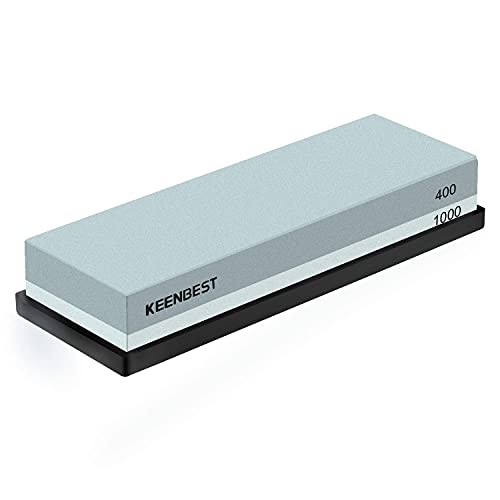
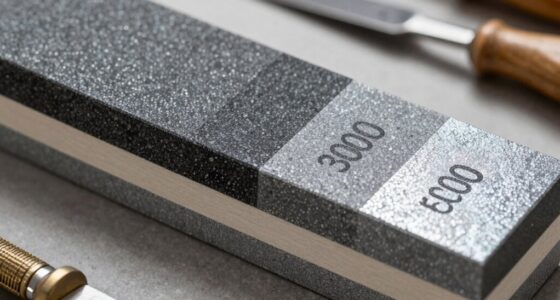
KEENBEST Actual Grit Premium Material Sharpening Stone 2 Side 400 1000 Whetstone Set Kitchen Knife Sharpener Stone Wet Stones for Sharping Knives Kit with Non-slip Rubber Base
- Premium Silicon Carbide Material: Suitable for daily sharpening and polishing
- Water-Only Use, No Oil Needed: Pre-soak 10-15 minutes for optimal use
- Universal Compatibility: Fits all types of knives and tools
As an affiliate, we earn on qualifying purchases.
As an affiliate, we earn on qualifying purchases.
Conclusion
Just like a finely tuned instrument, your serrated knife needs regular care to stay sharp. With a little effort, you can keep its edge as keen as a sword, ready to slice through crusty bread or ripe tomatoes. Think of it as tending a garden—patience and attention preserve its beauty and function. So, take the time now, and your knife will serve you well, slicing effortlessly, just as a master craftsman would.

LemonRoad 108 Pcs Knife Oil Rust Eraser Kit Includes Rust Remover Sword Maintenance Oil Microfiber Cloth Black Gloves Cotton Swabs for Carbon Steel Blade, Cleaning, Protection and Lubricant Care Set
- Complete Knife Maintenance Kit: Includes rust removers, oil, cloths, gloves, and swabs
- Specialized Maintenance Oil: Creates rust-resistant barrier for steel blades
- Effective Rust Removal Tools: Includes durable rust erasers and cotton swabs
As an affiliate, we earn on qualifying purchases.
As an affiliate, we earn on qualifying purchases.

Beautyflier Bread Knife Case Compatible with Mercer Culinary 10-Inch Wide Wavy Edge Bread Knife, Bread Knife Protective Sleeve, Durable and Cut-Proof, Fits Camping, Kitchen (Case Only)
- Protective Cover Size: 10.6 x 2.4 inches
- Compatible with Mercer Bread Knife: Fits 10-inch wide wavy edge knives
- Durable Construction: Canvas + TPU material for longevity
As an affiliate, we earn on qualifying purchases.
As an affiliate, we earn on qualifying purchases.