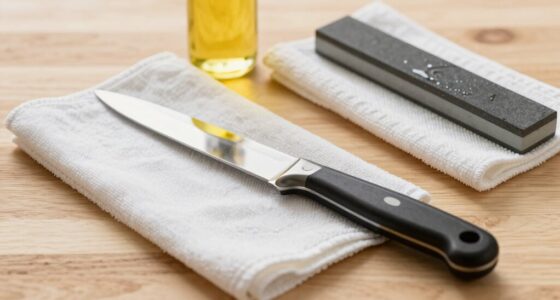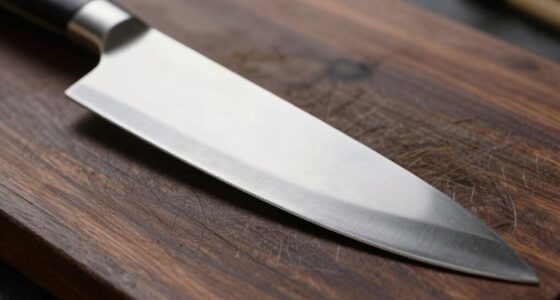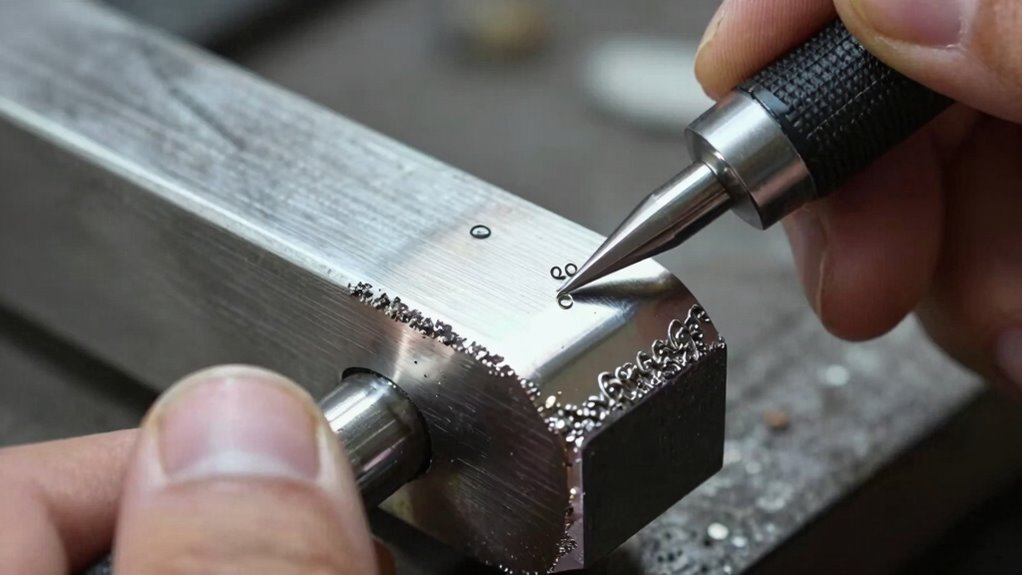

Deburring is a vital step that helps your edges last longer by removing sharp, jagged spots that can cause cracks and corrosion. When you smooth out these edges, you reduce stress concentrations and improve durability, making your parts safer and more resilient. Choosing the right tools and techniques for your material guarantees a clean finish without damage. Want to discover more about how proper deburring extends the life of your edges? Keep exploring to find out.
Key Takeaways
- Proper deburring smooths edges, reducing stress concentrations that can lead to cracks and failure over time.
- Selecting appropriate tools and techniques based on material ensures durable, long-lasting edges.
- Removing sharp, jagged edges prevents safety hazards and minimizes damage during handling and use.
- Consistent deburring enhances corrosion resistance and overall integrity of the finished component.
- Proper safety precautions during deburring maintain process quality and extend the lifespan of both tools and parts.
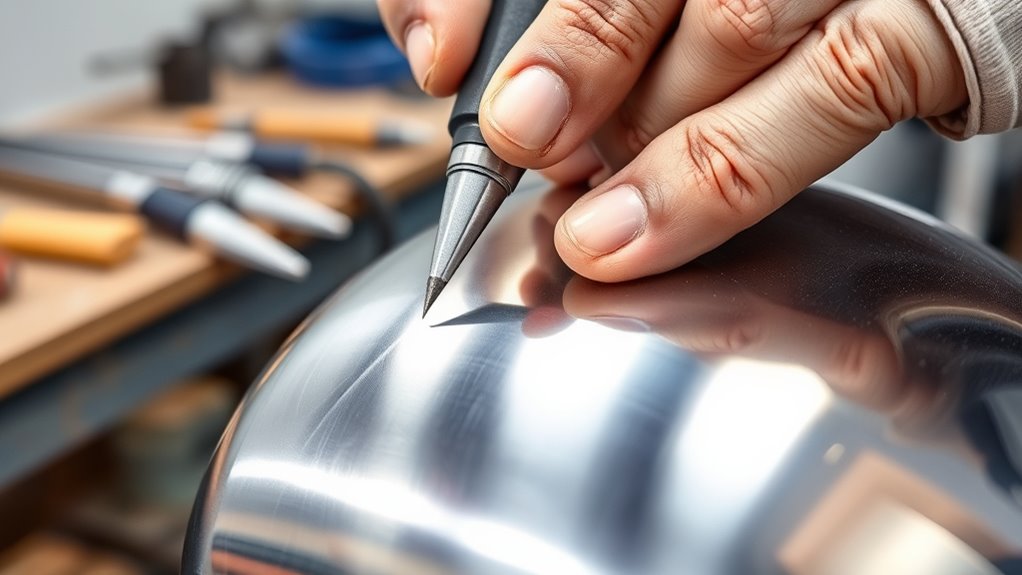
Have you ever wondered why smooth edges matter in manufacturing? It’s because sharp, jagged edges can cause a range of issues, from product failure to safety hazards. When you’re working on components, especially those that will be handled frequently or subjected to stress, the quality of the edges plays a crucial role in their durability and performance. That’s where deburring comes in—removing those rough edges to improve the overall integrity of the part. But before you even start the process, you need to consider material selection. Different materials react differently to deburring techniques, so understanding the properties of the material you’re working with guarantees you choose the right method. For instance, softer metals like aluminum are easier to deburr, often requiring less aggressive tools, while harder materials like stainless steel might demand specialized equipment or techniques. Selecting the appropriate material and method not only enhances the effectiveness of deburring but also prevents damage to the part, saving you time and resources in the long run.
Safety precautions are essential at every stage of deburring. Sharp edges can be dangerous, and handling tools or abrasive materials without proper safeguards puts you at risk of cuts or other injuries. Always wear protective gloves, eye protection, and, if necessary, respiratory gear when dealing with debris or dust. Make sure your work area is well-ventilated, especially when using power tools or chemical abrasives. Proper training on the equipment and techniques is vital—improper handling can lead to accidents or damage to the component. Keep your workspace organized and free of clutter to avoid slips or mishaps. Using appropriate tools and techniques ensures a cleaner, safer process, minimizing risks. Remember, safety isn’t just about protecting yourself; it also guarantees the quality of your work. Accidents can lead to rework or compromised components, which defeats the purpose of precise deburring.
As you move through the deburring process, keep in mind that the goal isn’t just to remove rough edges but to extend the lifespan of your parts. Well-deburred edges resist corrosion, reduce stress concentrations, and improve the overall durability of the product. Taking the time to select the correct material and follow safety precautions will pay off, resulting in smoother edges that last longer and perform better. Whether you’re working on small parts or large assemblies, paying attention to these details will help you produce higher-quality, safer, and more reliable components. Ultimately, mastering deburring isn’t just about making edges look better—it’s about enhancing the integrity and longevity of your products from the very first step.

DB1000 Double Edge Cutting Deburring Tool
- Product Name: DB1000 Double Edge Cutting Deburring Tool
- Burr Removal: Removes burrs from both sides simultaneously
- Blade Design: Rotatable and reversible round blades for durability
As an affiliate, we earn on qualifying purchases.
As an affiliate, we earn on qualifying purchases.
Frequently Asked Questions
What Are the Best Tools for Manual Deburring?
You should choose manual tools like needle files, deburring knives, or abrasive pads for effective deburring techniques. These tools allow precise control, making it easier to smooth edges and remove burrs. When selecting a manual tool, consider the material you’re working with and the size of the burr. Proper manual tool selection guarantees cleaner finishes and longer-lasting edges, streamlining your deburring process and improving overall product quality.
How Does Deburring Impact Product Safety?
A stitch in time saves nine, and deburring directly influences product safety by reducing hazardous edge sharpness. When you properly deburr, you improve safety compliance, preventing injuries caused by sharp edges. This step ensures that products are safer for users and meet safety standards. You protect both your customers and your reputation, showing that you prioritize safety and quality in every detail.
Can Deburring Be Automated for Large-Scale Production?
Yes, deburring can be automated for large-scale production. You tap into automation potential by using CNC machines, robotic arms, or specialized deburring tools, which boost efficiency and consistency. However, scalability challenges exist, like ensuring machines adapt to different part sizes and shapes. You need to balance automation costs with the benefits of faster processing and higher quality, making it a strategic choice for high-volume manufacturing.
What Materials Are Most Difficult to Deburr?
You’ll find that materials like hardened steel and titanium are the most difficult to deburr due to their high material hardness, which resists traditional deburring methods. Brittle materials such as ceramics and certain plastics can also pose challenges because they tend to crack or chip during the process. To effectively deburr these tough materials, you need specialized tools, precise techniques, and sometimes, alternative methods like ultrasonic or chemical deburring.
How Often Should Deburring Tools Be Maintained?
You should maintain your deburring tools after every 5-10 uses, depending on workload. Regular maintenance extends tool longevity by up to 30%, saving you money in replacements. Developing a consistent maintenance schedule ensures blades stay sharp and effective, reducing the risk of imperfect edges. Don’t wait until tools become dull; proactive upkeep guarantees peak performance, smoother finishes, and longer-lasting deburring tools.

Pro-Graad EXL Deburring Wheel 6" x 1" x 1", 9S Fine, 05132, 1 Pack
- Includes Deburring Wheel and Adapter: 6-inch diameter, 1-inch wide, 1-inch arbor hole
- Durable Silicon Carbide Material: For light to heavy deburring, finishing, polishing
- High Performance and Long Lasting: Fine grade, dense, conformable for professional finish
As an affiliate, we earn on qualifying purchases.
As an affiliate, we earn on qualifying purchases.
Conclusion
Think of deburring as sharpening the edge of a blade—you’re not just smoothing a surface, you’re strengthening its core. When you take the time to deburr properly, you’re giving your edges a longer life, much like a well-honed sword that stays sharp through the toughest battles. Don’t underestimate this small step; it sets the foundation for durability and performance. In the end, a smooth edge isn’t just safer, it’s a reflection of your craftsmanship and attention to detail.
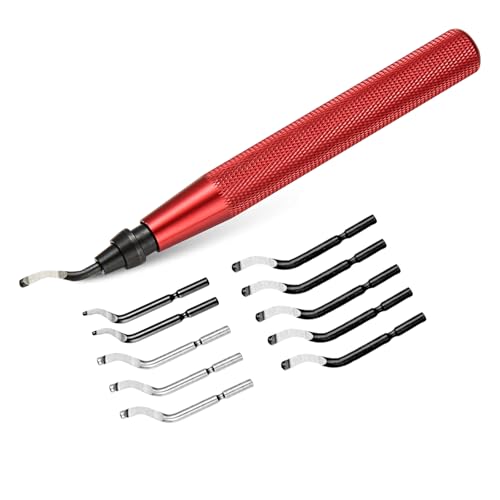
11 Piece High Speed Steel Blade Deburring Tool Set, For Metal Aluminum, Copper, Resin, PVC Pipe, 3D Printing, Wood Edge Treatment, High Quality Metal Handles, Deburring Manual Chamfering, Reamer Tools
- Complete Deburring Kit: Includes handle and 10 blades for various tasks
- High-Speed Steel Blades: Sharp, durable blades with 80% longer lifespan
- Easy Blade Replacement: Quick swap blades for different workpieces
As an affiliate, we earn on qualifying purchases.
As an affiliate, we earn on qualifying purchases.

Handheld Chamfer Tool, Metal Chamfering Tool, for Trimming, Beveling, Deburring, 45 Degree Arc and Bevel, 850W 120V 60Hz, Model PT-100 (Diamond Blades)
- Powerful Motor: 850W AC motor for heavy-duty tasks
- Wide Material Compatibility: Suitable for steel, aluminum, acrylic, and more
- Adjustable 45-Degree Arc: Precise chamfering at customizable angles
As an affiliate, we earn on qualifying purchases.
As an affiliate, we earn on qualifying purchases.