Your perfect kitchen knife isn’t about brand or price; it’s about what feels comfortable in your hand and suits your cooking style. Factors like handle grip, blade shape, and weight distribution influence how confident and precise you feel while slicing. Everyone’s preferences vary, making personal comfort the key to satisfaction. Recognizing these nuances can make your cooking experience better; stick around to discover more about finding your ideal knife.

Get kitchen gear delivered free — and shop member deals
- Fast, free delivery on millions of items
- Access to Prime Big Deal Days deals on October 6–7
- Prime Video, Amazon Music and more included
Key Takeaways
- Personal comfort and grip significantly influence satisfaction, outweighing brand reputation or technical specs.
- Handle ergonomics and weight distribution impact control and reduce fatigue during extended use.
- Blade shape and material suit individual cutting techniques and kitchen habits better than generic recommendations.
- Testing different knives helps identify the most intuitive and comfortable tool for personal cooking style.
- Overall fit, balance, and feel enhance confidence and efficiency, making preferences highly individual.
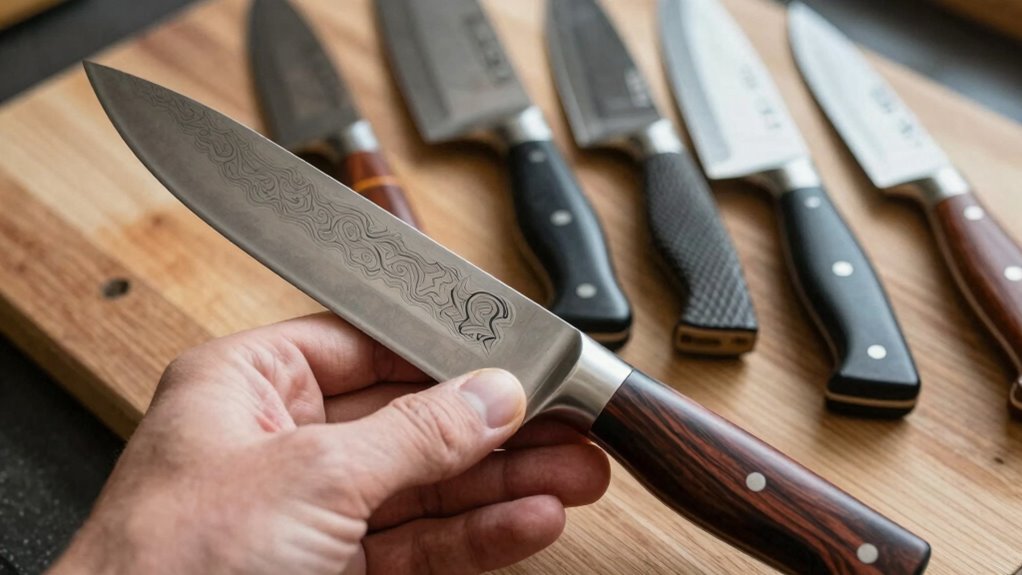
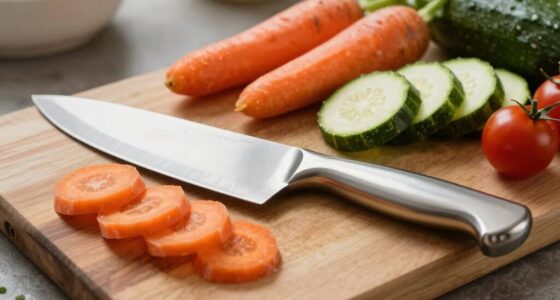
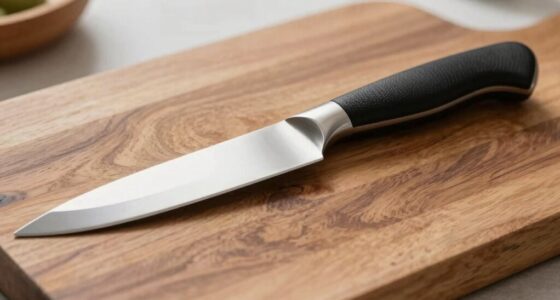
Choosing the right kitchen knife can substantially improve your cooking experience, as the best knife depends on your specific needs and preferences. When you’re selecting a knife, it’s not just about brand names or price tags; it’s about how it feels in your hand and how well it performs for your style of cooking. Many buying guides focus on technical specs or popularity, but personal preference plays an even bigger role. For example, you might find that a ceramic blade’s durability suits your cutting style better than traditional steel, especially if you prefer a lightweight, sharp edge that stays keen longer. Ceramic knives are known for their ability to hold a sharp edge for extended periods, but they can be more brittle and prone to chipping if you’re not careful. That’s why understanding the trade-offs is key, and only you can decide if ceramic’s durability aligns with your kitchen habits. Additionally, handle ergonomics is another crucial factor that often gets overlooked in generic guides. A knife with a comfortable, well-shaped handle reduces fatigue during prolonged use and gives you better control. If a handle feels awkward or slips in your hand, it can make chopping more difficult and even unsafe. You might find that a handle with a good grip and balanced weight distribution feels more natural, especially if you spend a lot of time preparing ingredients. The shape, material, and size of the handle should match your hand’s size and your grip style, which varies from person to person. A handle designed with ergonomics in mind ensures you won’t just buy a sharp knife—you’ll also buy a tool that fits comfortably and enhances your precision. Recognizing the importance of personal comfort can significantly influence your overall satisfaction with a knife. It’s also helpful to consider blade shape and how it complements your preferred cutting techniques, as different shapes can influence your efficiency and safety. Additionally, trying out different knives in person allows you to assess the weight distribution and balance, making sure it aligns with your comfort level. Moreover, understanding the material composition of the blade can give insights into its maintenance and longevity, which are important factors in selecting the right tool. Ultimately, your personal preference determines which knife is best for you. While buying guides can point you toward quality options, they can’t replace the experience of holding and testing different knives yourself. You need a tool that feels intuitive, reduces strain, and complements your cooking techniques. Whether you prioritize ceramic durability for longevity or handle ergonomics for comfort, trusting your instincts and preferences will lead you to the right choice. Remember, a well-selected knife isn’t just about cutting; it’s about making your entire cooking process more enjoyable and efficient. The perfect knife for you is one that feels right in your hand, suits your cutting style, and enhances your kitchen confidence.
As an affiliate, we earn on qualifying purchases.
Frequently Asked Questions
How Does Hand Size Influence Knife Choice?
Your hand size directly influences your knife choice because it affects ergonomics considerations and grip stability. If you have smaller hands, a shorter, lighter knife offers better control and comfort. Larger hands may prefer a longer, heftier blade for balance. Choosing a knife that fits your hand guarantees safety, reduces fatigue, and improves precision, making your cooking experience more enjoyable and efficient.
Can Knife Weight Affect Cooking Comfort?
Like a dance partner, a knife’s weight affects your comfort in the kitchen. Heavier knives can cause fatigue, especially if weight isn’t balanced properly. Considering ergonomics considerations and weight distribution dynamics helps you find a knife that feels just right, reducing strain during extended prep work. When your knife feels natural in your hand, cutting becomes more precise and enjoyable, making every meal prep smoother and more efficient.
Do Color or Design Impact Knife Preference?
Color and design definitely impact your knife preference because of color psychology and aesthetic appeal. You’re naturally drawn to hues that evoke certain feelings or match your kitchen decor, making cooking more enjoyable. A sleek, modern look might boost confidence, while a vibrant color could make prep work fun. Ultimately, your personal style and emotional response to the knife’s appearance influence your choice more than you might realize.
How Important Is the Knife’s Handle Material?
The handle material is pretty important because it affects your comfort and control. You want an ergonomic grip that fits well in your hand, reducing fatigue during extended use. Additionally, the handle’s aesthetic appeal can influence your overall satisfaction with the knife. Choosing a handle material that feels good and looks appealing makes your cooking experience more enjoyable and personalized, so don’t overlook this essential detail in your selection.
Does Cooking Style Determine the Ideal Knife Type?
Imagine a knight wielding a sword—your cooking style definitely determines your ideal knife type. Whether you’re a sautéing wizard or a slicing samurai, your chosen culinary tradition and technique shape the perfect tool. For intricate prep, a paring knife suits; for heavy-duty tasks, a cleaver is better. Your personal cooking routine guides you more than any guidebook, making your knife choice uniquely yours and essential for your culinary mastery.
As an affiliate, we earn on qualifying purchases.
Conclusion
Ultimately, choosing a kitchen knife is like finding a trusted friend—you’ll rely on it daily, and it should feel just right in your hand. While guides can point you in the right direction, your personal preference is the compass that truly guides your choice. Trust your instincts and test a few options; after all, the perfect knife is the one that makes your culinary journey smoother and more enjoyable, like a melody tuned to your unique rhythm.
balanced weight handle chef knife
As an affiliate, we earn on qualifying purchases.
As an affiliate, we earn on qualifying purchases.
personal fit kitchen slicing knife
As an affiliate, we earn on qualifying purchases.
As an affiliate, we earn on qualifying purchases.
Fall Picks
fall essentials
As an affiliate, we earn on qualifying purchases.