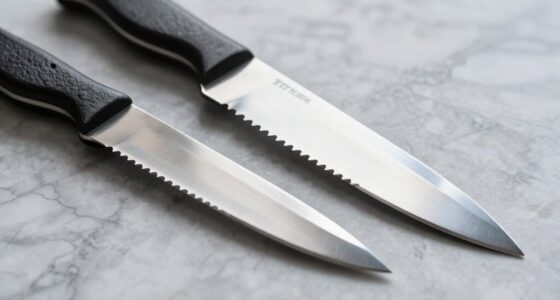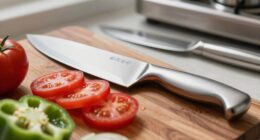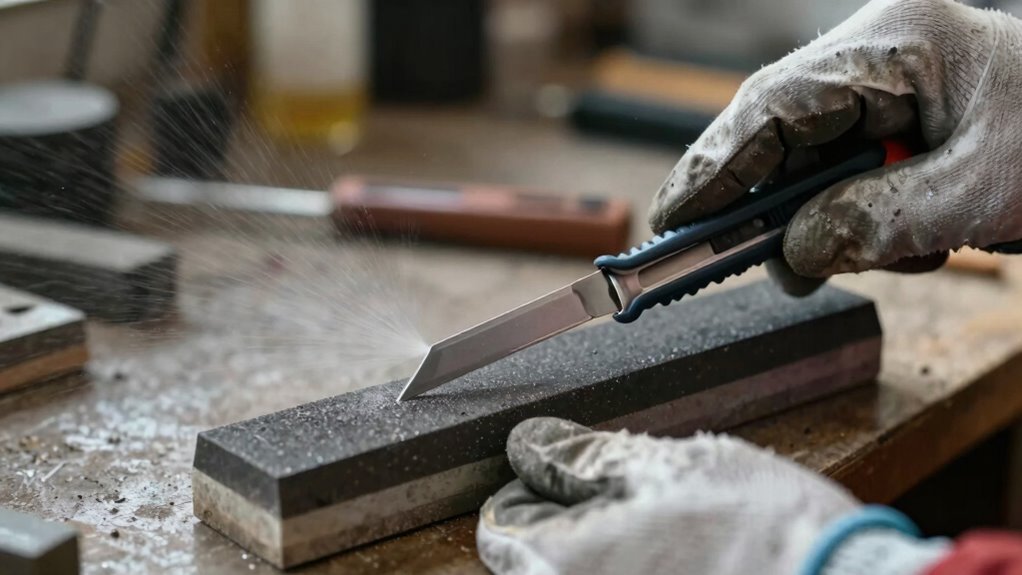
To sharpen narrow utility knives safely, wear cut-resistant gloves and work in a clean, well-lit space. Secure the blade firmly with a sharpening clamp or stable surface to prevent slipping. Use a coarse grit stone first, holding the knife at about 20 degrees, applying smooth strokes from base to tip. Switch to a finer grit to refine the edge, and regularly check sharpening progress. Following these safety tips will help you achieve a sharp edge while reducing risks—learn more for even better results.
Key Takeaways
- Use a sharpening guide or jig to maintain a consistent angle and prevent slips.
- Wear cut-resistant gloves to protect hands during sharpening narrow blades.
- Secure the knife firmly in a stable clamp to avoid movement and enhance control.
- Sharpen with smooth, controlled strokes, keeping fingers clear of the blade edge.
- Regularly inspect the edge and remove burrs for a safer, sharper finish.

Sharpening narrow utility knives can be dangerous if you’re not careful, but with the right techniques, you can do it safely and effectively. The key lies in understanding knife safety and mastering proper sharpening techniques to prevent accidents and guarantee a sharp, functional blade. Before you start, always wear cut-resistant gloves to protect your hands, and work in a clean, well-lit area where you can maintain control over your tools.
First, assess the knife’s current condition. A dull blade is more dangerous because it requires more force to cut, increasing the risk of slipping. To sharpen it safely, secure the knife firmly—either in a sharpening clamp or on a stable surface—so it doesn’t move unexpectedly. When handling the sharpening stone or tool, keep your fingers clear of the blade’s edge, and use smooth, consistent motions. This minimizes the chance of slips that could cause injury.
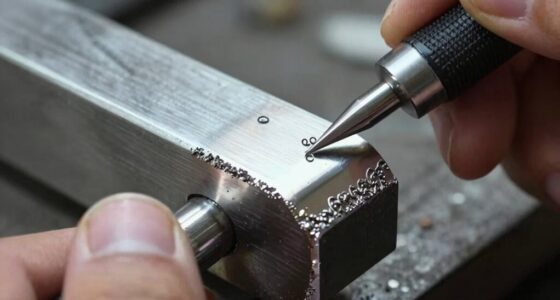
For sharpening techniques, start with a coarse grit stone if your blade is very dull or damaged. Hold the knife at the appropriate angle—usually around 20 degrees—maintaining this angle throughout the process. Use controlled, even strokes, moving from the base of the blade to the tip. Remember, consistent angle and pressure are crucial for an even edge. Flip the knife and repeat on the other side, always maintaining the same angle. After several passes, switch to a finer grit stone to refine the edge and remove burrs. This step ensures a cleaner, sharper cut and prolongs the blade’s life. Regularly inspecting your sharpening progress helps ensure you’re achieving a precise edge.
While sharpening, keep the blade and your hands dry to prevent slipping. Regularly check your progress—if you feel a burr forming or see a consistent shiny edge, you’re making good headway. Once the blade feels sharp, test it carefully on a piece of scrap material, applying gentle pressure to confirm the cut’s smoothness. Proper technique is essential to achieve the best results and avoid unnecessary accidents. To further enhance safety, ensure your sharpening tools are well-maintained and in good condition, reducing the risk of mishaps during the process. After sharpening, clean the blade thoroughly to remove any metal filings and store it safely, preferably with a blade cover or in a designated sheath.
Knife safety continues even after sharpening. Always handle your utility knife with care, avoiding unnecessary contact with the blade’s edge, and store it out of reach of children. Proper storage and regular maintenance can significantly extend the lifespan of your blades. Maintaining proper sharpening techniques not only keeps your narrow utility knives sharp but also minimizes the risks involved. With patience and attention to detail, you can sharpen your knives safely and keep them performing at their best. Additionally, understanding knife safety is essential to prevent accidents during the process.

VEVOR Belt Grinder Knife Jig, 85° – 115° Adjustable Belt Sander Knife Sharpening Jig with Dual Handles, 7.68" Long Sharpener Locator Compatible with Belt Sander, Bench Grinder, Sharpening Machine
- Adjustable Angle Range: 85° to 115° for precise sharpening
- Universal Compatibility: Fits belt sanders, grinders, and sharpeners
- Durable Construction: Made from wear-resistant aluminum alloy
As an affiliate, we earn on qualifying purchases.
As an affiliate, we earn on qualifying purchases.
Frequently Asked Questions
Can I Sharpen a Utility Knife With a Regular Sharpening Stone?
Yes, you can sharpen a utility knife with a regular sharpening stone. Use proper sharpening techniques by maintaining the correct angle, usually around 20 degrees. Be cautious of safety precautions—wear gloves and keep your fingers away from the blade’s edge. Make sure the stone is wet or lubricated to prevent slipping. Regularly check the edge for sharpness, and take your time to avoid accidents or damaging the blade.
How Often Should I Sharpen My Narrow Utility Knife?
You should sharpen your narrow utility knife blades regularly to maintain ideal performance and guarantee safe blade maintenance. Typically, sharpening frequency depends on usage; if you cut frequently, sharpen every few weeks. For occasional use, every couple of months may suffice. Keep an eye on blade dullness or tearing while working. Regular sharpening keeps your utility knife effective, prolongs its lifespan, and makes your tasks safer and easier.
Is It Necessary to Wear Protective Gloves While Sharpening?
Did you know that 30% of injuries during knife sharpening happen due to lack of proper safety precautions? Yes, wearing protective gear like gloves is essential, especially when sharpening narrow utility knives. Gloves help prevent cuts if the blade slips. Always follow safety precautions, including eye protection and a stable surface, to keep yourself safe. It’s better to be cautious—your fingers will thank you!
What Are the Signs Indicating My Knife Needs Sharpening?
You’ll know your knife needs sharpening when it struggles with blade maintenance, like tearing or crushing food instead of slicing cleanly. Dull blades require more effort and may slip, risking injury. Pay attention to uneven cuts or if food sticks to the blade. Using proper sharpening techniques can restore sharpness efficiently. Regularly checking your knife’s edge guarantees safe, effective use and prolongs its lifespan.
Can I Sharpen Utility Knives Using Electric Sharpeners?
You can sharpen utility knives with electric sharpeners, but safety is key. Electric sharpener safety depends on maintaining proper utility knife blade angles, usually around 20 degrees. If you’re careful, you can avoid slips or damage, preserving your knife’s edge. Coincidences happen when you realize that the right angle and gentle pressure make all the difference, turning a simple task into a safer, more effective sharpening experience.

Dowellife Cut Resistant Gloves Food Grade Level 5 Protection, Safety Kitchen Cut Gloves for Chef Oyster Shucking Mandolin Knife Butcher Meat Cutting
- Cut Resistant Material: High-performance HDPE, Level 5 protection
- Enhanced Durability: 10 times stronger than regular gloves
- Comfort & Dexterity: Flexible, snug fit with high elasticity
As an affiliate, we earn on qualifying purchases.
As an affiliate, we earn on qualifying purchases.
Conclusion
Remember, sharpening your narrow utility knife is like tending a delicate garden—care and patience keep it thriving. When you handle the blade safely, you’re nurturing your craft, avoiding cuts like weeds choking your progress. A sharp, well-maintained knife is your trusted tool, shining like a beacon of precision in your hands. So, approach each sharpening with respect and care, and your work will always be guided by safety and skill, like a gardener tending to a flourishing bloom.
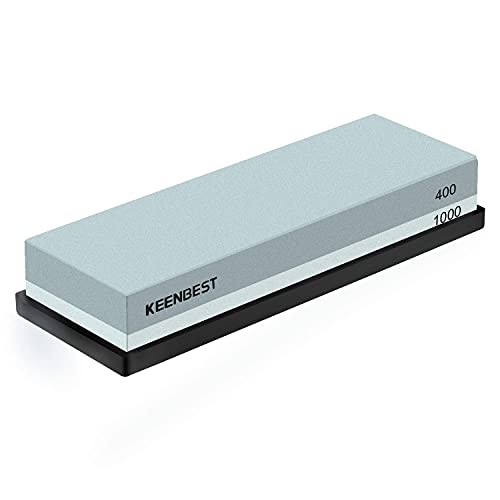
KEENBEST Actual Grit Premium Material Sharpening Stone 2 Side 400 1000 Whetstone Set Kitchen Knife Sharpener Stone Wet Stones for Sharping Knives Kit with Non-slip Rubber Base
- Premium Silicon Carbide Material: Suitable for daily sharpening and polishing
- Water-Only Use, No Oil Needed: Pre-soak 10-15 minutes for optimal use
- Universal Compatibility: Fits all types of knives and tools
As an affiliate, we earn on qualifying purchases.
As an affiliate, we earn on qualifying purchases.

Lansky Rubber-Jaw Multi Angle Knife clamp RCLAMP , White
- Easy-to-use sharpening system: Ensures razor-sharp edges every time
- Designed by Arthur Lansky Levine: Since 1979 for precision sharpening
- Popular and trusted system: First of its kind, best seller
As an affiliate, we earn on qualifying purchases.
As an affiliate, we earn on qualifying purchases.