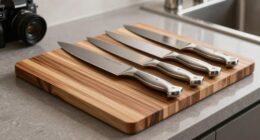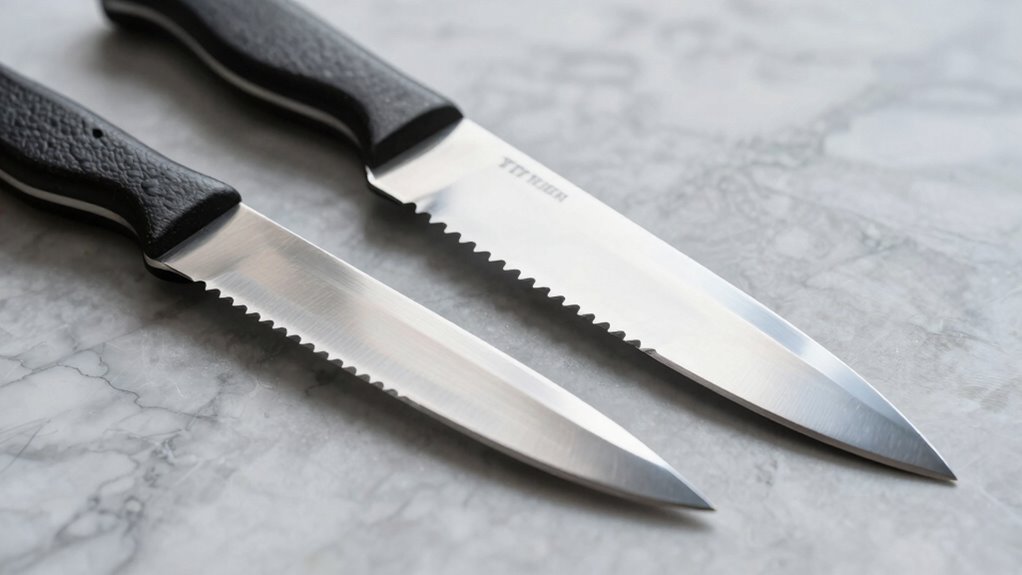

In your kitchen, toothy edges grip tougher foods like bread and tomatoes, requiring less force and reducing slippage, while polished edges give you clean, precise cuts perfect for delicate tasks. Toothier blades tend to last longer and handle fibrous ingredients better, but polished edges stay sharper longer with proper care. Choosing between them depends on your cooking style and food prep needs. Want to discover more benefits and maintenance tips? Keep exploring to become a cut above the rest.

Get kitchen gear delivered free — and shop member deals
- Fast, free delivery on millions of items
- Access to Prime Big Deal Days deals on October 6–7
- Prime Video, Amazon Music and more included
Key Takeaways
- Toothy edges excel at gripping fibrous foods like bread and tomatoes, reducing force and slippage during cutting.
- Polished edges provide cleaner, more precise cuts, ideal for presentation and delicate ingredients.
- Toothier blades tend to resist dulling longer, requiring less frequent maintenance than polished edges.
- Proper maintenance, including regular honing and careful cleaning, is essential for both edge types to ensure safety and performance.
- Choice depends on food type, desired precision, and maintenance effort, influencing overall kitchen efficiency.
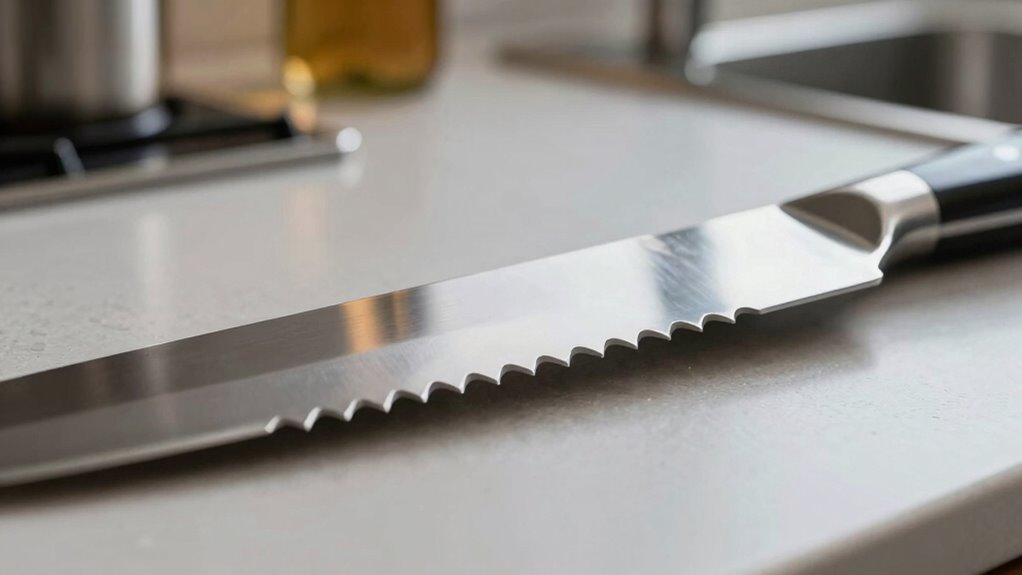
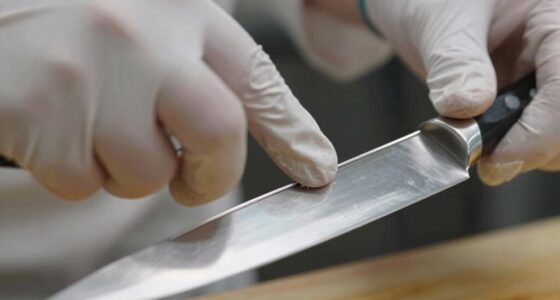
When choosing between toothy and polished edges for your kitchen knives, understanding their differences can make a significant impact on your cutting experience. The decision influences everything from how effectively you cut to how well you maintain food safety in your kitchen. The toothy edge, often called a rough or serrated edge, features tiny, saw-like teeth that excel at slicing through foods with tough exteriors and soft insides, like bread or tomatoes. Conversely, a polished edge is smooth and finely honed, providing clean, precise cuts on a variety of ingredients, especially meats and vegetables.
Your choice affects food safety because the sharpness and edge type determine how easily you can control your cuts. A well-maintained, sharp edge minimizes the risk of slipping, which could otherwise lead to accidental cuts or contamination. If your knife’s edge becomes dull or damaged, you might exert more pressure, increasing the chance of slips that can introduce bacteria or cause injury. A polished edge tends to stay sharper longer with proper knife maintenance, reducing the need for frequent sharpening and ensuring safer handling over time. On the other hand, a toothy edge can be more forgiving when cutting tougher or fibrous foods, as it grips ingredients better and requires less force, decreasing the likelihood of slippage.
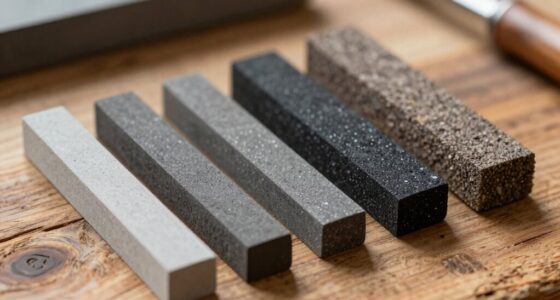
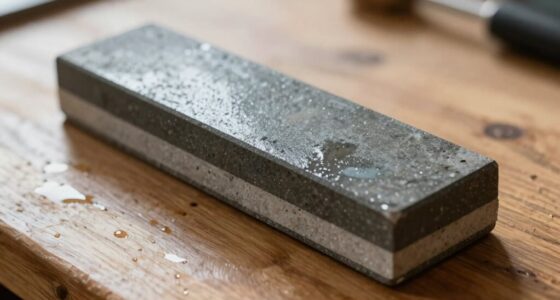
When it comes to knife maintenance, each edge type has different needs. Polished edges require regular honing and occasional sharpening to keep them in prime condition. Their smooth surface is susceptible to becoming dull over time, especially if you use them on hard surfaces or materials like bones. To preserve their cutting performance, you should use proper sharpening tools and techniques tailored for smooth edges. Toothier blades, meanwhile, tend to stay effective longer without frequent sharpening because their teeth are more resistant to dulling. However, they do need occasional inspection to ensure the teeth aren’t bent or damaged. Proper cleaning and storage also play crucial roles in maintaining both types of edges. Hand washing your knives and drying them immediately prevent corrosion and preserve the integrity of the edge, whether toothy or polished. Moreover, choosing the right knife sharpening method can extend the lifespan of each edge type and improve overall safety. Additionally, understanding the edge geometry of your knife can help you better tailor your maintenance routine and select the appropriate tasks for each type of edge. It’s also beneficial to be aware of blade material, as it influences the durability and ease of sharpening for different knife edges. Properly maintaining your knives not only prolongs their life but also enhances cutting performance, making your kitchen tasks easier and safer. Ultimately, your choice hinges on the types of foods you prep most often and how much effort you’re willing to invest in maintenance. Both edges have their merits—polished edges excel at precise, clean cuts, making them ideal for presentation and delicate work, while toothy edges are great for tackling tougher, fibrous ingredients. Keeping your knives sharp and properly maintained not only enhances your cutting efficiency but also ensures food safety by reducing the risk of accidents and cross-contamination. In the end, understanding the needs of your kitchen and your personal cooking style will help you select the right edge and keep your knives performing at their best.
As an affiliate, we earn on qualifying purchases.
Frequently Asked Questions
Are Toothy Edges More Durable Than Polished Edges?
Toothy edges are generally more durable than polished edges because their rougher surface resists chipping and wear better. You might find them appealing for their unique aesthetic appeal, adding a rustic or modern touch. Keep in mind, though, that they can be more costly upfront due to labor. If durability and aesthetic appeal are priorities, toothy edges offer a practical choice, but consider your budget and style preferences before deciding.
Do Toothy Edges Require Special Maintenance?
Toothy edges do demand special maintenance because they’re more prone to chipping and dulling, impacting both aesthetic appeal and edge safety. You should regularly clean and inspect these edges, avoiding heavy impacts or abrasive cleaners. Applying a protective sealant can help preserve their look and durability. Proper care ensures your toothy edges stay attractive and safe, maintaining their unique aesthetic while reducing the risk of injury.
Can Toothy Edges Affect Food Preparation?
Toothy edges can affect your food preparation by making cutting more precise, enhancing aesthetic appeal. However, they also pose safety concerns, as sharp, jagged edges might cause accidental cuts or injuries. While they can improve the look of your knives, you should handle them carefully and keep them well-maintained. Balancing their aesthetic appeal with safety guarantees you get the best performance without risking harm in your kitchen.
Are Polished Edges More Prone to Chipping?
Polished edges are more prone to chipping because their smooth, shiny surface can hide microfractures, making them more vulnerable over time. Imagine a delicate mirror, its glass surface reflecting light beautifully but easily marred with a small bump. While polished edges enhance aesthetic appeal, they often come with higher cost considerations. You might prefer their sleek look, but be mindful of their fragility in the busy rhythm of your kitchen.
Which Edge Type Is Better for Slicing?
For slicing, a toothy edge is better because it offers more grip on food, making cuts cleaner and easier. It enhances kitchen safety by reducing slipping during use. While polished edges look sleek and add aesthetic appeal, they may not perform as well for slicing tasks. Choosing a toothy edge balances functionality and safety, ensuring you get precise cuts without risking damage or accidents in your kitchen.
polished edge kitchen chef knife
As an affiliate, we earn on qualifying purchases.
As an affiliate, we earn on qualifying purchases.
Conclusion
In the end, choosing between toothy and polished edges depends on your cooking style and safety preferences. Did you know that studies show home chefs are 30% more likely to cut themselves on improperly finished knives? It’s a stark reminder that the right edge matters. Whether you prefer the aggressive grip of a toothy edge or the smooth safety of a polished one, making an informed choice keeps your kitchen safer and your cuts cleaner. Stay sharp!
As an affiliate, we earn on qualifying purchases.
As an affiliate, we earn on qualifying purchases.
Fall Picks
fall essentials
As an affiliate, we earn on qualifying purchases.