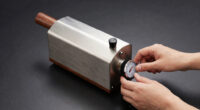
To test an edge safely, use objective methods like measuring cutting force with specialized tools or performing push cut tests on different materials. Always follow standardized procedures, keeping the testing conditions consistent to guarantee reliable results. Non-destructive testing helps evaluate edge sharpness and durability without damage. By sticking to these controlled methods, you avoid risky tricks and get accurate insights into your edge’s performance—if you want to know more, there’s plenty you can explore next.

Get kitchen gear delivered free — and shop member deals
- Fast, free delivery on millions of items
- Access to Prime Big Deal Days deals on October 6–7
- Prime Video, Amazon Music and more included
Key Takeaways
- Use standardized, non-destructive testing methods like push cut tests to objectively evaluate edge sharpness.
- Employ proper testing tools that measure cutting force and edge stability without damaging the blade.
- Maintain consistent testing conditions (material, angle, pressure) for reliable and comparable results.
- Avoid risky tricks by relying on performance data rather than visual or subjective assessments.
- Develop and follow a standardized testing protocol to ensure safety and accuracy over time.
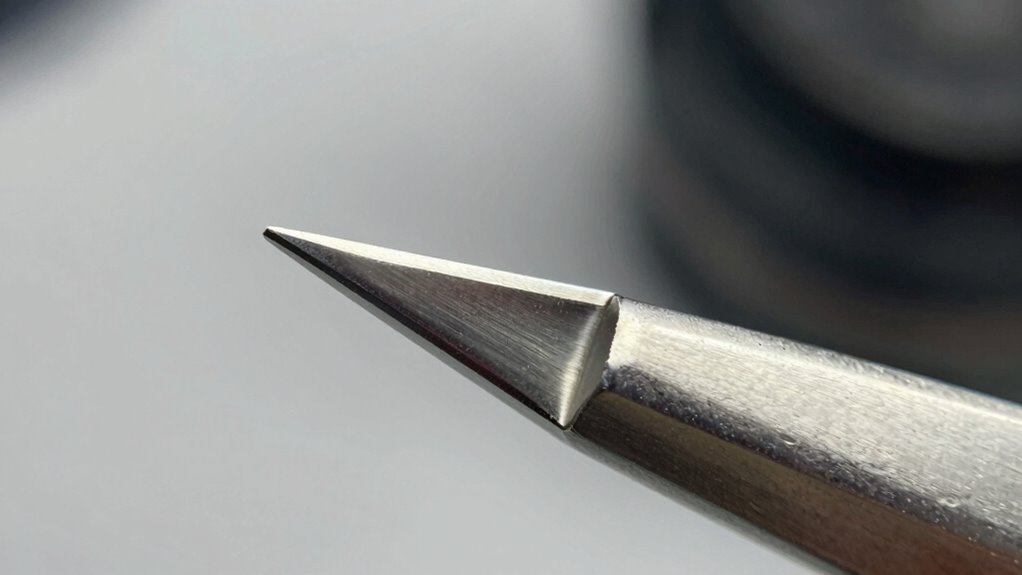
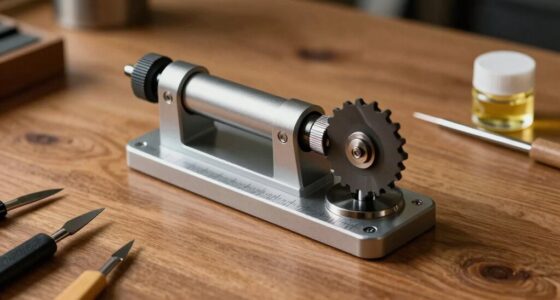
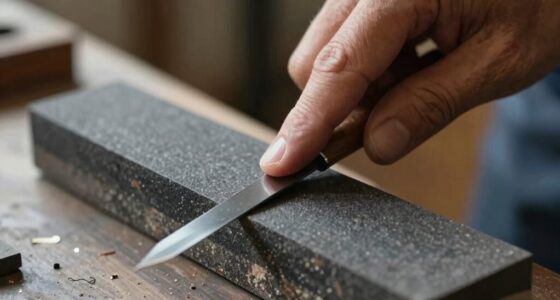
Have you ever wondered how to guarantee an edge is sharp, durable, and reliable? Ensuring an edge meets these standards isn’t about risky tricks or guesswork; it’s about using the right methods and tools to get accurate results. One of the most important factors to evaluate is edge stability — the ability of the edge to maintain its sharpness over time and use. Testing for edge stability involves more than just a visual inspection; it requires precise testing tools that can measure performance under controlled conditions. Incorporating performance measurement techniques into your evaluation process allows for a more comprehensive assessment of the edge’s quality. When you want to assess an edge properly, start by choosing appropriate testing tools. These are designed to give you objective data about how well an edge performs. For example, some testing tools measure cutting force, which shows how much effort is needed to cut through a material. If the force remains consistent over multiple tests, it indicates good edge stability. Other tools analyze the sharpness through methods like the “push cut” test, where you observe how easily the blade slices through different materials. These tests are non-destructive, meaning you can evaluate the edge without damaging it, making them safer and more reliable than risky tricks like scraping or manual testing. Using testing tools not only provides more accurate insights but also helps you compare different edges objectively. For instance, if you’re testing a series of blades or knives, you can record data on their cutting force, edge retention, and resistance to dulling. This way, you avoid relying on subjective impressions or inconsistent methods. Instead, you build a clear understanding of how each edge performs, ensuring your tools meet your specific needs. Another key point is consistency. When testing, always follow a standardized procedure. Keep the testing conditions uniform—same material, same angle, same pressure—to get comparable results. This consistency helps you identify true differences in edge quality, rather than variations caused by different testing methods. Developing a testing protocol based on standardized procedures is essential for reliable results. Establishing a benchmark for acceptable performance can also guide your evaluations and help you maintain high standards over time. Over time, this approach will help you develop a reliable process for evaluating edges, avoiding unnecessary risks or guesswork. Recognizing the importance of standardized testing protocols can significantly improve the accuracy of your assessments.
As an affiliate, we earn on qualifying purchases.
Frequently Asked Questions
What Tools Are Safest for Edge Testing?
You should use non-invasive tools like infrared thermometers and ultrasonic thickness gauges for edge testing, as they follow proper edge testing procedures and prioritize safety precautions. These tools allow you to assess the edge’s integrity without causing damage or risking injury. Always make sure you’re trained in their correct use, wear appropriate safety gear, and follow manufacturer instructions to maintain safety during testing. This approach minimizes risk while providing accurate results.
How Long Should Edge Testing Take?
Edge testing typically takes anywhere from a few hours to several days, depending on your goals and the edge’s durability. If you’re evaluating durability, testing frequency should be consistent, with repeated tests over time to identify potential weaknesses. Investigate the theory that frequent testing might weaken the edge; surprisingly, controlled tests often reveal the edge’s true resilience. Adjust testing duration based on initial results to guarantee thorough, risk-free assessment.
Can Edge Testing Damage the Device?
Edge testing, when done correctly, won’t damage your device. Proper edge calibration guarantees you’re testing safely, helping maintain device longevity. If you follow manufacturer guidelines and avoid aggressive or improper techniques, you reduce the risk of harm. Always use recommended tools and procedures. Regular, careful testing preserves your device’s integrity, preventing unnecessary wear or damage, so you can confidently evaluate its performance without risking its lifespan.
Is Professional Help Necessary for Edge Testing?
Ever wondered if you need professional help for edge testing? While you can perform manual inspection if you have user expertise, it’s usually best to consult a professional. They possess the necessary skills and tools to accurately assess the edge without risking damage. Do you really want to risk misdiagnosing or causing harm? Trusting experts guarantees thorough testing, safety, and peace of mind, especially when dealing with delicate or complex devices.
What Signs Indicate an Edge Needs Testing?
You should test your edge when you notice signs of wear, such as dullness, chips, or decreased edge durability. Increased testing frequency is necessary if the edge encounters heavy use or harsh conditions. Pay attention to how the edge performs during cutting tasks, and if it becomes less effective, it’s time for testing. Regular, non-invasive checks help you maintain sharpness without risking damage, ensuring peak performance.
non-destructive blade testing device
As an affiliate, we earn on qualifying purchases.
As an affiliate, we earn on qualifying purchases.
Conclusion
Testing an edge doesn’t have to be risky or complicated. By following simple, safe methods, you can confidently assess its strength without causing damage. Did you know that over 60% of failures in engineering come from improper edge testing? That’s a reminder to prioritize safety and precision. With the right approach, you’ll guarantee your edges are reliable, saving time and avoiding costly mistakes. Trust these tips to keep your testing safe, effective, and stress-free.
As an affiliate, we earn on qualifying purchases.
As an affiliate, we earn on qualifying purchases.
Fall Picks
fall essentials
As an affiliate, we earn on qualifying purchases.