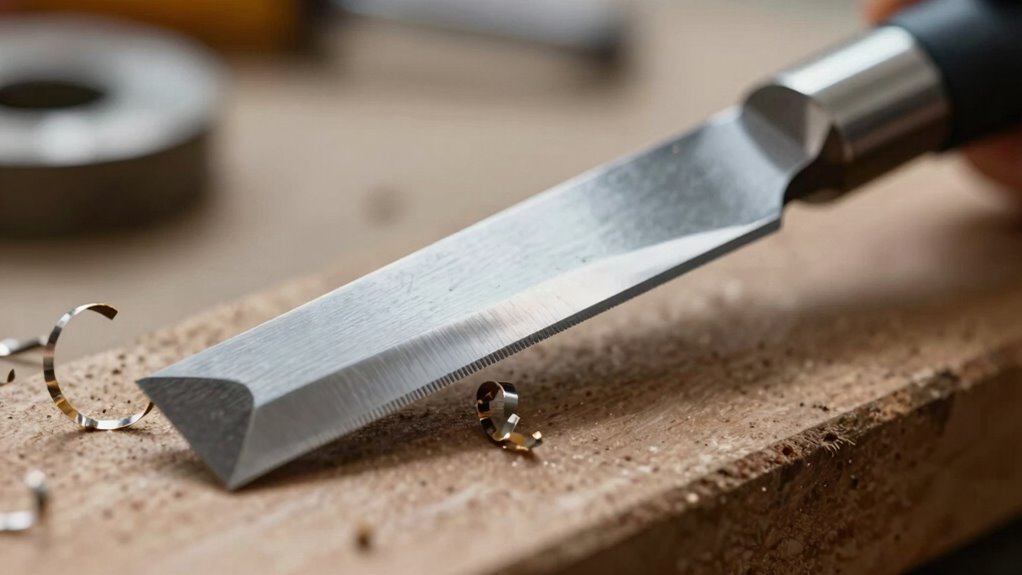

You should reprofile an edge when it becomes worn, damaged, or irregular, as these conditions make the process more time-consuming. Surface complexity, such as chips or unevenness, requires careful, incremental work, which slows progress. Dull tools and poor calibration also prolong reprofiling. Skilled operators working on well-maintained tools can work faster, but surface issues always demand extra attention. Keep going to discover more tips to make this process smoother and more efficient.
Key Takeaways
- Reprofile edges when they become worn, chipped, or uneven to restore proper shape and performance.
- Damaged or irregular surfaces require reprofiling, often increasing processing time due to complexity.
- When surface condition deteriorates, additional passes are needed, making the process longer.
- Dull tools or poor calibration slow down reprofiling, especially on challenging surfaces.
- Less experienced operators may take longer due to cautious work and need for careful adjustments.

Reprofiling edges often takes longer when the process involves complex or worn-out surfaces, requiring more precise adjustments. When you’re dealing with edges that have become uneven or damaged over time, you need to be meticulous. This is especially true if you’re using tools that haven’t been properly maintained. Dull blades or poorly calibrated equipment make the job harder, leading to longer session times and less effective results. Ensuring your tools are sharp and in good condition isn’t just about efficiency; it’s about delivering a better user experience. When tools perform smoothly, you spend less time troubleshooting and more time focusing on the actual reprofiling task. Regular tool maintenance, including sharpening blades and calibrating machinery, minimizes the risk of errors that can extend the process. It also reduces fatigue, helping you stay precise throughout the job.
The complexity of the surface you’re working on directly impacts how long reprofiling takes. For instance, if the edge has significant damage or irregularities, you’ll need to make multiple passes, each carefully calibrated to avoid over- or under-removing material. This precision requires patience and often more advanced techniques, which naturally extend the time you spend on the task. Additionally, worn surfaces tend to be uneven or chipped, making it harder for standard tools to achieve a clean, even edge. In such cases, it’s essential to slow down and take incremental steps, constantly checking your work. Rushing can cause uneven results or further damage, forcing you to redo the entire process. Recognizing the importance of proper tool maintenance can significantly reduce the time and effort involved in reprofiling.
Your experience plays a vital role in how quickly you can reprofile an edge. If you’re familiar with your tools and understand the nuances of different surfaces, you can work more efficiently. Skilled operators know how to adjust their approach based on the surface’s condition, which reduces unnecessary passes and minimizes the time spent. Conversely, if you’re still learning or if your tools aren’t properly tuned, the process can drag on. This is why maintaining your equipment regularly and gaining experience are key to speeding up reprofiling tasks. Over time, with practice, you’ll develop a sense for how much material to remove in each pass and how to adjust your tools for different surfaces, saving you valuable time.
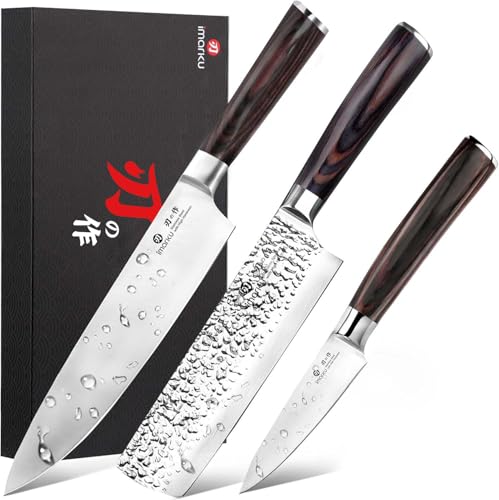
imarku 3 Pieces Knife set, Japanese HC Stainless Steel Kitchen Knife Set, Professional Chef Knife Set With Ergonomic Pakkawood Handle, Ultra Sharp Knives Set for Kitchen & Home Cooking, Best Gifts
- Ultra Sharp Double Bevel Edge: 15° angle for precise cuts
- 3-Piece Essential Kitchen Set: Includes chef, nakiri, and paring knives
- Versatile for Daily Cooking: Suitable for chopping, slicing, peeling
As an affiliate, we earn on qualifying purchases.
Frequently Asked Questions
How Often Should I Reprofile My Edge?
You should reprofile your edge based on your maintenance schedule and sharpening frequency, typically every 8 to 12 uses or when you notice a decline in performance. Regularly inspecting your equipment helps identify when reprofiling is needed to maintain ideal sharpness and safety. Don’t wait too long, as delaying reprofiling can cause further damage and make the process longer and more complicated. Stay consistent for the best results.
What Tools Are Best for Reprofiling Edges?
You should use a diamond grit file or a belt sander for reprofiling edges. A diamond grit tool offers precise control and sharpness, making it ideal for detailed work. A belt sander, especially with a fine grit, speeds up the process for reshaping larger areas. Both tools are effective, but choose based on your project’s detail level and the edge material. Always wear protective gear and work carefully.
Can Improper Reprofiling Damage the Blade?
Yes, improper reprofiling can damage your blade, causing deformation or weakening the edge. If you don’t use the right technique or tools, you risk introducing blade deformation, which hampers performance and shortens lifespan. Additionally, over-reprofiling can expose the blade to edge corrosion, especially if the process removes protective coatings. Always follow proper procedures to prevent these issues and maintain your blade’s integrity and efficiency.
How Does Material Type Affect Reprofiling Time?
Reprofiling a blade can feel like sculpting a mountain, especially with tougher materials. Material durability directly impacts reprofiling time—stainless steel takes longer than softer metals, and harder alloys demand extra precision. The edge geometry also plays a role; complex shapes require meticulous work, extending the process. So, the tougher and more intricate the material and design, the longer it takes to achieve that perfect edge, demanding patience and skill.
Is Professional Reprofiling More Cost-Effective Long-Term?
Yes, professional reprofiling is more cost-effective in the long run because it guarantees proper edge maintenance and extends tool durability. By investing in skilled service, you reduce the frequency of re-profiling, minimize damage, and maintain ideal performance. Although initial costs may be higher, the improved longevity and consistent results save you money over time, making it a smarter choice for your tools and operations.
Conclusion
Think of your edge as a delicate garden path. When it starts to wobble or crack, you know it’s time to reprofile. Skipping this step is like ignoring weeds that choke your plants—they only get harder to clear later. Reprofiling may take longer now, but it’s like tending your garden before it’s overrun. Doing it at the right moment keeps your edge sharp and your work smooth, ensuring your craft remains a beautiful, enduring path.