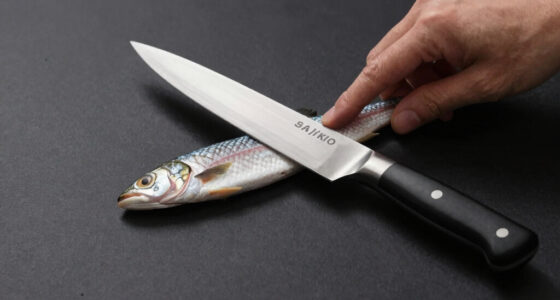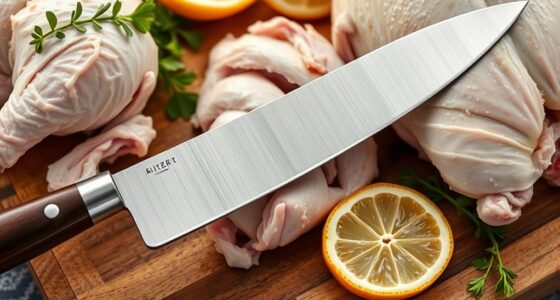
Traditional Japanese knives are renowned for their exceptional craftsmanship, razor-sharp edges, and specialized designs tailored for different kitchen tasks. The Sakai Takayuki Japanese Deba Knife 165mm Yasuki White Steel stands out as the best overall choice, offering a perfect balance of precision and durability. For those seeking versatility, the Japanese Chef Knife Set 3 Pcs with VG10 Steel Core provides a reliable, all-in-one solution. Meanwhile, the Yanagiba Knife 2 Pack excels for sashimi and sushi prep with its ultra-sharp single bevel edge. Buyers face tradeoffs between price, edge retention, ease of sharpening, and specialized use—continue reading for a detailed breakdown of each option to find the best fit for your needs.

Get kitchen gear delivered free — and shop member deals
- Fast, free delivery on millions of items
- Access to Prime Big Deal Days deals on October 6–7
- Prime Video, Amazon Music and more included
Complete the kit



Key Takeaways
- High-carbon steel blades generally offer sharper edges and better cutting performance but require more maintenance to prevent rust.
- Single bevel knives provide superior precision for sashimi and sushi but are less versatile for daily kitchen tasks.
- Sets often include a variety of knives to cover multiple prep needs, but can be more expensive than buying individual pieces.
- The choice of steel type and blade construction impacts edge retention and ease of sharpening—more premium steels last longer but may be harder to sharpen.
- Traditional Japanese knives vary significantly in handle design and weight, affecting comfort and control during extended use.
| Sakai Takayuki Japanese Deba Knife 165mm Yasuki White Steel |  | Best for Precision Deba Cuts | Brand: 青木刃物製作所 | Model Number: 8541905352 | Material: Yasuki white steel | VIEW ON AMAZON | See Our Full Breakdown |
| Japanese Kitchen Knife Set of 5 (Wooden Box Case) by Mr. Takaaki Nakamura |  | Best for Versatile Kitchen Completeness | Brand: KAKUSEE | Set Name: Japanese Kitchen Knife Set of 5 | Number of Items: 5 | VIEW ON AMAZON | See Our Full Breakdown |
| Japanese KAI Seki Magoroku Watakake Nakiri Knife 165mm |  | Best for Precise Vegetable Chopping | Blade Length: 165mm | Material: High carbon stainless steel | Country of Origin: Japan | VIEW ON AMAZON | See Our Full Breakdown |
| Japanese Chef Knife Set 3 Pcs with VG10 Steel Core and Damascus Pattern |  | Best for Gift-Worthy Elegance and Performance | Number of Items: 3 | Included Components: 3.5″ Paring, 7″ Santoku, 8″ Chef | Blade Material: Damascus Steel with VG10 core | VIEW ON AMAZON | See Our Full Breakdown |
| HOSHANHO 8-inch Japanese High Carbon Steel Chef’s Knife |  | Best for Professional-Grade Versatility | Blade Material: Japanese high carbon steel 10Cr15CoMoV | Blade Length: 8 inches | Hardness: 60 HRC | VIEW ON AMAZON | See Our Full Breakdown |
| Traditional Japanese Professional Kitchen Chef Knife Set – Gyuto, Santoku, Nakiri, Petty |  | Best Overall for Versatile Japanese Knife Collection | Blade Material: 420HC stainless steel | Number of Knives: 4 | Handle Material: Rosewood | VIEW ON AMAZON | See Our Full Breakdown |
| Traditional Japanese Professional Santoku Kitchen Chef Knife – 7-inch High Carbon Stainless Steel, Ultra Sharp, Double Bevel Edge |  | Best for Versatile Precision Cutting | Blade Length: 7 inches | Steel Type: 420HC German steel | Edge Angle: 15° per side | VIEW ON AMAZON | See Our Full Breakdown |
| SHAN ZU Japanese Knife Set, 3 Pieces, High Carbon Stainless Steel |  | Best Value for Entry-Level Enthusiasts | Material: 10Cr15Mov High Carbon Stainless Steel | Number of Items: 3 | Included Components: Chef’s Knife, Paring Knife, Utility Knife | VIEW ON AMAZON | See Our Full Breakdown |
| Traditional Japanese Professional Gyuto Kitchen Chefs Knife – 8-inch High Carbon Stainless Steel Sushi Knife with Single Bevel Edge |  | Best for Precise Sushi and Sashimi Preparation | Blade Length: 8 inches | Steel Type: 420HC stainless steel | Edge: 15° single bevel | VIEW ON AMAZON | See Our Full Breakdown |
| Japanese Yanagiba Knife, 2 Pack, 10-1/2 Inch Sashimi & Sushi Knives, Made in Japan |  | Best for Seafood Sashimi and Sushi Mastery | Number of Items: 2 | Blade Length: 10-1/2 inches | Material: High Carbon Stainless Steel | VIEW ON AMAZON | See Our Full Breakdown |
| TONMA Chef Knife, 8.2” Japanese AUS-8 Stainless Steel Kitchen Knife, TCK-1 |  | Best Overall for Versatile Professional Use | Blade Length: 8.2 inches | Material: AUS-8 stainless steel | Handle Material: Pakkawood | VIEW ON AMAZON | See Our Full Breakdown |
| MITSUMOTO SAKARI 4-Piece Japanese Chef Knife Set, San-Mai 9Cr18MoV |  | Best Value for Complete Kitchen Coverage | Number of Items: 4 | Blade Material: 9Cr18MoV high carbon stainless steel | Blade Construction: San-Mai, hand-forged | VIEW ON AMAZON | See Our Full Breakdown |
| 10” Sashimi Sushi Knife – Ultra Sharp Traditional Japanese Sushi Knife for Sashimi, Fish Filleting & Precision Slicing |  | Best for Expert Fish Filleting & Precision Slicing | Blade Length: 10 inches | Material: Premium stainless steel | Handle: Pakkawood | VIEW ON AMAZON | See Our Full Breakdown |
| traditional japanese knife | Handle Material | Blade Length | Material |
|---|---|---|---|
| Sakai Takayuki Japanese Deba K | — | 165mm | Yasuki white steel |
| Japanese Kitchen Knife Set of | — | — | Stainless steel |
| Japanese KAI Seki Magoroku Wat | Polypropylene | 165mm | High carbon stainless steel |
| Japanese Chef Knife Set 3 Pcs | Stabilized wood and resin | — | — |
| HOSHANHO 8-inch Japanese High | Wood | 8 inches | — |
| Traditional Japanese Professio | Rosewood | — | — |
| Traditional Japanese Professio | Rosewood | 7 inches | — |
| SHAN ZU Japanese Knife Set | Pakkawood | — | 10Cr15Mov High Carbon Stainless Steel |
| Traditional Japanese Professio | Rosewood | 8 inches | — |
| Japanese Yanagiba Knife | Wood | 10-1/2 inches | High Carbon Stainless Steel |
| TONMA Chef Knife | Pakkawood | 8.2 inches | AUS-8 stainless steel |
| MITSUMOTO SAKARI 4-Piece Japan | Rosewood | — | — |
| 10” Sashimi Sushi Knife | — | 10 inches | Premium stainless steel |
More Details on Our Top Picks
Sakai Takayuki Japanese Deba Knife 165mm Yasuki White Steel
This Deba knife from Sakai Takayuki stands out for its high-quality Yasuki white steel, which offers excellent sharpness and durability for fish and poultry. Compared to the Nakiri, it excels in heavy-duty butchering tasks, providing a more robust edge for precise cuts. The natural wood handle adds comfort but demands maintenance to prevent cracking. Its 165mm blade strikes a balance between control and leverage, making it suitable for both professionals and serious home cooks. However, its edge retention could be better, and the price may be steep for casual users. This pick makes the most sense for skilled chefs or dedicated home cooks who prioritize precise, traditional Deba cuts.
Pros:- High-quality Yasuki white steel for sharpness and durability
- Ergonomic natural wood handle for comfortable grip
- Ideal size for precise Deba cutting tasks
- Forged construction for strength
Cons:- Limited information on blade edge retention
- Handle may require maintenance to prevent drying or cracking
Best for: Professional chefs or experienced home cooks focused on fish and poultry but willing to maintain the blade.
Not ideal for: Beginners or casual cooks who need a versatile, low-maintenance knife for all-purpose use.
- Brand:青木刃物製作所
- Model Number:8541905352
- Material:Yasuki white steel
- Blade Length:165mm
- Handle:Natural wood
- Construction Type:Forged
- Warranty:Product warranty available
Our verdict“This Deba is perfect for those who need a dedicated, traditional fish and poultry cutter with a focus on precision and craftsmanship.”
Japanese Kitchen Knife Set of 5 (Wooden Box Case) by Mr. Takaaki Nakamura
This set offers a variety of five Japanese knives suited for different tasks, making it ideal for cooks who want a complete kit. Unlike the single-purpose Nakiri, this set covers everything from slicing fish to chopping vegetables, providing a flexible solution. Crafted from stainless steel, these knives are easy to clean and resistant to rust, though they may lack the finesse of high-carbon blades in edge retention. The wooden box adds a touch of elegance but offers limited space for future expansion. This set makes the most sense for beginners or home cooks seeking a broad selection at an accessible price point.
Pros:- Includes a variety of knives for multiple culinary tasks
- Made of durable, rust-resistant stainless steel
- Stylish wooden box for storage and presentation
- Good for everyday cooking needs
Cons:- Limited detail on handle comfort and balance
- Blade sharpness and edge retention info is limited
- Price not specified, potential value concerns
Best for: Home cooks or beginners wanting a versatile, all-in-one Japanese knife set.
Not ideal for: Professional chefs or purists seeking high-end, single-task specialized knives for precision work.
- Brand:KAKUSEE
- Set Name:Japanese Kitchen Knife Set of 5
- Number of Items:5
- Material:Stainless steel
- Model Number:NK-8602
- Unit Count:5
Our verdict“This set is best suited for home cooks who want a comprehensive, low-maintenance introduction to Japanese knives without breaking the bank.”
Japanese KAI Seki Magoroku Watakake Nakiri Knife 165mm
The Watakake Nakiri from KAI Seki Magoroku features a 165mm high carbon stainless steel blade, designed specifically for vegetable prep. Compared with the Deba, it is lighter and more specialized for slicing produce, with a rust-resistant edge that simplifies maintenance. The small polypropylene handle may be less comfortable for larger hands, but its ergonomic design suits precise, controlled cuts in vegetable work. While excellent for vegetables, it isn’t suitable for heavier tasks like meat or fish. This knife makes the most sense for vegetable-focused cooks or those with limited space who want a dedicated Nakiri.
Pros:- Rust-resistant high carbon stainless steel blade
- Made in Japan with high craftsmanship
- Dishwasher-safe for convenience
- Perfect for precise vegetable cuts
Cons:- Limited to vegetable chopping, not suitable for heavy-duty tasks
- Handle may be small for larger hands
- Design is specialized, less versatile
Best for: Vegetable enthusiasts or cooks who focus mainly on produce prep and want a durable, easy-to-maintain Nakiri.
Not ideal for: Cooks needing a general-purpose or multi-tasking Japanese knife that handles meat and fish well.
- Blade Length:165mm
- Material:High carbon stainless steel
- Country of Origin:Japan
- Dimensions:29.3 x 4.8 x 1.7 cm
- Handle Material:Polypropylene
- Blade Steel:High carbon stainless steel
- Dishwasher Safe:Yes
Our verdict“This Nakiri is ideal for vegetable prep-focused cooks who value precision and low maintenance in a dedicated tool.”
Japanese Chef Knife Set 3 Pcs with VG10 Steel Core and Damascus Pattern
This 3-piece set combines high-end craftsmanship with stunning visual appeal, featuring 67 layers of Damascus steel with a VG10 core for exceptional edge retention and corrosion resistance. Compared to the more utilitarian Nakiri, these blades offer a broader range of kitchen tasks with a focus on elegance and sharpness. The ocean-blue handles provide comfort and a balanced grip, making extended prep more manageable. Because of the premium materials, this set is better suited for serious cooks or collectors willing to invest in quality and aesthetics. Its limited number of knives means additional pieces may be needed for a fully equipped kitchen. This set is best for those who value craftsmanship and striking design in their everyday tools.
Pros:- High-quality Damascus steel with VG10 core
- Beautiful blade patterns with corrosion resistance
- Ergonomic handles for comfortable use
- Elegant gift box suitable for special occasions
Cons:- Premium price may be prohibitive for some
- Limited to three knives, might need more for full kitchen coverage
- Careful handling required to maintain sharpness
Best for: Culinary enthusiasts or professionals seeking a beautiful, high-performance set for versatile kitchen use.
Not ideal for: Casual cooks or those on a tight budget who need a more affordable, multi-purpose set.
- Number of Items:3
- Included Components:3.5″ Paring, 7″ Santoku, 8″ Chef
- Blade Material:Damascus Steel with VG10 core
- Layer Count:67 layers
- Handle Material:Stabilized wood and resin
- Handle Color:Ocean blue
- Manufacture Year:2025
Our verdict“This set is perfect for those who want a blend of artistry and high-performance in their Japanese knives, especially as a gift or display piece.”
HOSHANHO 8-inch Japanese High Carbon Steel Chef’s Knife
The HOSHANHO 8-inch chef’s knife is crafted from Japanese high carbon steel with a hardness of 60 HRC, making it a durable choice for a variety of kitchen tasks. Compared with the Damascus set, it emphasizes raw performance over aesthetics, with a sleek matte finish and an ergonomic wooden handle. Its sharpness and edge retention are well-suited for slicing, dicing, and chopping, but the wooden handle requires regular care to prevent damage. This knife offers professional-grade performance at a more accessible price point than some high-end sets, though it lacks the decorative elements of Damascus blades. This knife makes the most sense for serious home cooks or professionals who prioritize function over form.
Pros:- High-quality Japanese high carbon steel for sharpness
- Ergonomic wooden handle for comfort
- Matte blade finish for style and reduced glare
- Versatile for chopping, slicing, and dicing
Cons:- Handle requires regular maintenance and care
- Premium price may be higher than standard knives
- Not as decorative as Damascus patterns
Best for: Experienced cooks or culinary professionals seeking a reliable, versatile all-around chef’s knife.
Not ideal for: Casual users or those who prefer maintenance-free, lower-cost knives for infrequent use.
- Blade Material:Japanese high carbon steel 10Cr15CoMoV
- Blade Length:8 inches
- Hardness:60 HRC
- Handle Material:Wood
- Blade Finish:Matte
- Sharpening Angle:13 degrees per side
Our verdict“This knife offers professional-level performance suitable for cooks demanding versatility and durability in a single, reliable tool.”
Traditional Japanese Professional Kitchen Chef Knife Set – Gyuto, Santoku, Nakiri, Petty
This 4-piece set offers a balanced combination of traditional craftsmanship and modern durability, making it a solid choice for those seeking a comprehensive kitchen knife lineup. Compared with the single-purpose Yanagiba or specialized Gyuto, this set covers all essential tasks, from slicing sashimi to chopping vegetables. The high-quality 420HC stainless steel blades resist corrosion, while the full-tang construction ensures stability during heavy use. The rosewood handles add an elegant touch but may require periodic maintenance to prevent cracking. The main tradeoff is the absence of individual customization—if you need a knife optimized solely for sashimi, the set might be less ideal. Overall, this set suits serious home cooks and small restaurants looking for durability and versatility in one package.
Pros:- High-quality corrosion-resistant stainless steel blades
- Full-tang construction for durability and balance
- Elegant and durable rosewood handles
- Versatile set suitable for various kitchen tasks
Cons:- Handle material may require maintenance to prevent drying or cracking
- No specific mention of edge retention duration
Best for: Home cooks or small restaurant owners wanting a complete, durable, and stylish Japanese knife set
Not ideal for: Kitchens prioritizing lightweight, low-maintenance handles or specialized single-purpose knives
- Blade Material:420HC stainless steel
- Number of Knives:4
- Handle Material:Rosewood
- Full Tang:Yes
- Included Knives:Gyuto, Santoku, Nakiri, Petty
Our verdict“This set is perfect for those seeking an all-in-one, durable, and stylish Japanese knife collection with versatile application.”
Traditional Japanese Professional Santoku Kitchen Chef Knife – 7-inch High Carbon Stainless Steel, Ultra Sharp, Double Bevel Edge
This 7-inch santoku stands out for its razor-sharp edge and balanced design, making it ideal for a variety of prep tasks. Compared to the larger Gyuto or specialized Yanagiba, the shorter blade offers more control for dicing and slicing, especially in tighter spaces. Crafted from high-quality 420HC German steel with a 15° double bevel edge, it balances edge retention with ease of sharpening. The full-tang rosewood handle provides comfort and stability during extended use. However, its limited size might not suit those who prefer larger knives for heavy-duty chopping or prefer a single bevel for sashimi. It’s best suited for home cooks or chefs who need a versatile, sharp, yet manageable knife.
Pros:- High-quality corrosion-resistant steel for durability
- Sharp double bevel edge for versatile use
- Full-tang rosewood handle for balance and strength
- Ideal size for detailed slicing and chopping
Cons:- Handle material may require maintenance to prevent cracking
- Limited to 7-inch size, which may not suit all preferences
Best for: Home cooks or chefs looking for a versatile, sharp, yet manageable all-purpose Japanese knife
Not ideal for: Users preferring a single bevel for sashimi or those needing a larger, 8-inch or more blade
- Blade Length:7 inches
- Steel Type:420HC German steel
- Edge Angle:15° per side
- Handle Material:Rosewood
- Full Tang:Yes
Our verdict“This santoku makes the most sense for those seeking a versatile, easy-to-handle Japanese knife for everyday use.”
SHAN ZU Japanese Knife Set, 3 Pieces, High Carbon Stainless Steel
This 3-piece set offers high-performance blades crafted from 10Cr15Mov high carbon stainless steel, providing excellent sharpness and durability at a competitive price. Compared to the more traditional single knives like the Yanagiba, this set covers multiple prep needs with a chef’s knife, paring, and utility knives—perfect for beginners or budget-conscious cooks. The ergonomic Pakkawood handles enhance comfort during extended use, though they may require occasional maintenance. The blades are hardened to 62 HRC, ensuring a sharp edge, but high carbon steels demand careful care to prevent rust. This set is ideal for those starting into Japanese knife cuisine who want quality without a hefty investment.
Pros:- Ultra-sharp blades with precise cutting angles
- Ergonomic and comfortable Pakkawood handles
- Durable, rust-resistant, and wear-resistant steel
- Modern, elegant design
Cons:- High carbon steel requires careful maintenance to prevent rust
- Limited to 3 pieces, may not cover all cooking tasks
Best for: Beginner cooks or those new to Japanese knives wanting a quality, affordable set
Not ideal for: Experienced chefs or users looking for specialized single knives with advanced edge geometry
- Material:10Cr15Mov High Carbon Stainless Steel
- Number of Items:3
- Included Components:Chef’s Knife, Paring Knife, Utility Knife
- Blade Hardness:62 HRC
- Handle Material:Pakkawood
- Blade Angles:12° on both sides
Our verdict“This set is best for entry-level users who want a reliable, sharp, and affordable Japanese knife option.”
Traditional Japanese Professional Gyuto Kitchen Chefs Knife – 8-inch High Carbon Stainless Steel Sushi Knife with Single Bevel Edge
This 8-inch Gyuto with a 15° single bevel edge is tailored for chefs and serious home cooks focusing on sashimi and detailed slicing. The high corrosion resistance of 420HC stainless steel combined with the traditional single bevel allows for extremely precise cuts, especially on fish and vegetables. The full-tang rosewood handle offers balance and a traditional aesthetic, but it also demands careful handling and maintenance. Compared with double-bevel knives, this model excels in specialized slicing but may be less forgiving for those unfamiliar with single bevel techniques. It’s best suited for experienced users or professionals who prioritize precision over ease of sharpening.
Pros:- High corrosion resistance and sharpness for precise cuts
- Full-tang construction with durable rosewood handle
- Traditional single bevel edge for authentic Japanese slicing
Cons:- Requires careful handling due to sharp single bevel edge
- Handle may need maintenance to preserve polish
- Designed primarily for experienced users
Best for: Professional chefs or serious home cooks focused on sashimi and precise slicing techniques
Not ideal for: Beginners or users looking for a general-purpose, all-around kitchen knife
- Blade Length:8 inches
- Steel Type:420HC stainless steel
- Edge:15° single bevel
- Handle Material:Rosewood
- Full Tang:Yes
Our verdict“This Gyuto is ideal for those who need a specialized, precise slicing tool for sashimi and fish, accepting the tradeoff of handling complexity.”
Japanese Yanagiba Knife, 2 Pack, 10-1/2 Inch Sashimi & Sushi Knives, Made in Japan
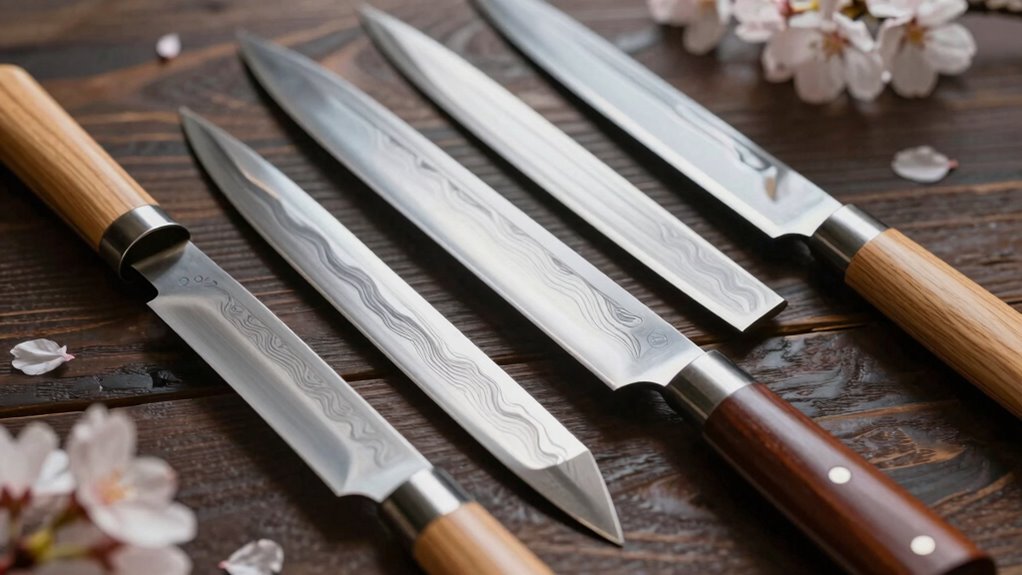
This pair of Yanagiba knives excels in delivering authentic Japanese sashimi and sushi slicing with their long, slender blades. Compared to general-purpose knives like the Gyuto or Santoku, these blades focus on precision, clean cuts, and minimal damage to delicate fish. Made from high-quality high carbon stainless steel and crafted in Japan, they combine sharpness with durability, though they demand careful maintenance to prevent rust. The lightweight wooden handles provide excellent control, making them suitable for both professional chefs and dedicated home enthusiasts. The long blades may be unwieldy for beginners or for tasks outside seafood prep, but for sashimi, they are unmatched.
Pros:- Authentic Japanese craftsmanship with high-quality materials
- Extra-long blades ideal for sashimi and sushi slicing
- Lightweight handles for precise control
- Rust-resistant stainless steel blades
Cons:- Requires careful maintenance to prevent rust
- Long blades may be challenging for beginners
- Limited to seafood and sashimi preparation
Best for: Professional sushi chefs or serious home cooks specializing in sashimi and seafood presentation
Not ideal for: Cooks primarily preparing vegetables or looking for multi-purpose knives
- Number of Items:2
- Blade Length:10-1/2 inches
- Material:High Carbon Stainless Steel
- Handle Material:Wood
- Made in:Japan
Our verdict“These Yanagiba knives are perfect for those dedicated to perfect sashimi and sushi presentation, with handling that favors experienced users.”
TONMA Chef Knife, 8.2” Japanese AUS-8 Stainless Steel Kitchen Knife, TCK-1
This TONMA Chef Knife stands out for its combination of high-quality craftsmanship and all-around functionality, making it a top choice for serious home cooks and professionals alike. Its AUS-8 stainless steel blade, crafted in Japan, offers excellent edge retention and corrosion resistance, comparable to the MITSUMOTO SAKARI 4-Piece Set, but with a larger, single-blade focus. The ergonomic pakkawood handle provides comfort during extended use, although the weight may be a concern for those preferring lighter knives. While its premium price reflects its quality, proper maintenance is essential to prevent rust. Compared to the MITSUMOTO set, this knife offers a better balance of performance and ease of handling, though it sacrifices the variety of blade types in a set. It’s ideal for those needing a reliable, all-purpose Japanese chef’s knife, especially if they prioritize durability and comfort.
Pros:- High-quality Japanese craftsmanship with a razor-sharp, durable blade
- Ergonomic, corrosion-resistant handle for comfortable use
- Suitable for cutting meats, fish, vegetables, and fruits
- Lifetime warranty and excellent customer support
Cons:- Premium price may be expensive for some users
- Requires proper maintenance to prevent rust
- Handle may be too heavy for those preferring lighter knives
Best for: Professional chefs or serious home cooks requiring a durable, versatile kitchen knife for various tasks
Not ideal for: Beginners or those on a tight budget, due to its premium price and maintenance needs
- Blade Length:8.2 inches
- Material:AUS-8 stainless steel
- Handle Material:Pakkawood
- Made in:Japan
- HRC:59±1
Our verdict“This knife makes the most sense for experienced cooks seeking a versatile, durable chef’s knife with excellent craftsmanship.”
MITSUMOTO SAKARI 4-Piece Japanese Chef Knife Set, San-Mai 9Cr18MoV
The MITSUMOTO SAKARI 4-Piece Set offers exceptional versatility with its carefully curated selection of Japanese knives, including a Gyuto, Santoku, Nakiri, and Paring knife. Crafted with a San-Mai construction and deep-cryo treatment, these blades combine toughness and edge retention, standing out against simpler single-blade options like the 10” Sashimi Sushi Knife. The hammered Tsuchime finish not only adds aesthetic appeal but also reduces food sticking, enhancing efficiency. Rosewood handles provide a comfortable grip, though they require maintenance to prevent drying. Compared to individual premium knives, this set offers great value for those wanting a range of authentic Japanese blades without purchasing each separately. While the handle material and set price might be a barrier for some, this set is ideal for home cooks seeking comprehensive, high-quality Japanese knives in one package.
Pros:- High-quality hand-forged blades with durable construction
- Versatile set covering essential kitchen tasks
- Elegant Tsuchime finish reduces food sticking
- Beautiful rosewood handles for comfortable grip
Cons:- Premium price may be costly for some buyers
- Handle material requires maintenance to prevent drying
- Set may include more knives than some need, increasing cost
Best for: Home cooks or small professional kitchens needing a versatile, complete set of traditional Japanese knives
Not ideal for: Beginners hesitant to maintain wood handles or users seeking only a single specialized knife
- Number of Items:4
- Blade Material:9Cr18MoV high carbon stainless steel
- Blade Construction:San-Mai, hand-forged
- Blade Hardness:HRC 58±2
- Handle Material:Rosewood
- Includes:Sandalwood box, knife blade oil
Our verdict“This set is best suited for home cooks wanting a well-rounded collection of authentic Japanese knives at a reasonable price point.”
10” Sashimi Sushi Knife – Ultra Sharp Traditional Japanese Sushi Knife for Sashimi, Fish Filleting & Precision Slicing
This 10” Sashimi Sushi Knife is designed for precision slicing, making it ideal for professional chefs or enthusiasts specializing in fish preparation. Its traditional single-bevel Yanagiba blade, forged from premium stainless steel, provides unmatched sharpness and control. Unlike the TONMA Chef Knife, which is a general-purpose all-rounder, this knife excels at delicate sashimi and filleting tasks where precision matters most. The ergonomic pakkawood handle offers comfort, but the single-bevel design requires skill to use effectively, which could be intimidating for beginners. Its premium price reflects its specialized nature and craftsmanship, and it demands careful maintenance to preserve its edge. This knife is best for those who regularly perform detailed fish slicing and are comfortable with traditional Japanese techniques.
Pros:- Extremely sharp and precise cutting edge
- Elegant traditional Japanese design
- Durable stainless steel blade resistant to rust and stains
- Ergonomic handle for comfortable use
Cons:- Requires careful maintenance to preserve sharpness
- Single-bevel blade demands skill to use effectively
- Premium price point may be prohibitive for casual users
Best for: Professional sushi chefs or serious home cooks focusing on fish slicing and sashimi preparation
Not ideal for: Beginners or cooks who prefer versatile, all-purpose knives, due to the skill needed to handle a single-bevel blade
- Blade Length:10 inches
- Material:Premium stainless steel
- Handle:Pakkawood
- Design:Traditional Japanese Yanagiba
- Construction:Forged
Our verdict“This knife is perfect for experienced fish preparers who need a dedicated, highly precise slicing tool for sashimi and filleting tasks.”

How We Picked
The knives included in this roundup were selected based on their craftsmanship, steel quality, edge sharpness, and overall versatility. We prioritized products that exemplify traditional Japanese techniques and materials, especially those made in Japan or by reputable artisans. Each knife was evaluated for ease of handling, maintenance requirements, and value for money. The ranking reflects a balance between performance, durability, and price, ensuring options for beginners, home chefs, and professional cooks alike. Our goal was to highlight knives that deliver authentic Japanese cutting performance while considering real-world usability and longevity.| traditional japanese knife | Handle Material |
|---|---|
| Sakai Takayuki Japanese Deba K | — |
| Japanese Kitchen Knife Set of | — |
| Japanese KAI Seki Magoroku Wat | Polypropylene |
| Japanese Chef Knife Set 3 Pcs | Stabilized wood and resin |
| HOSHANHO 8-inch Japanese High | Wood |
| Traditional Japanese Professio | Rosewood |
| Traditional Japanese Professio | Rosewood |
| SHAN ZU Japanese Knife Set | Pakkawood |
| Traditional Japanese Professio | Rosewood |
| Japanese Yanagiba Knife | Wood |
| TONMA Chef Knife | Pakkawood |
| MITSUMOTO SAKARI 4-Piece Japan | Rosewood |
| 10” Sashimi Sushi Knife | — |
Factors to Consider When Choosing Traditional Japanese Knives
Choosing the right traditional Japanese knife involves understanding several key factors that influence performance, maintenance, and suitability for your cooking style. Beyond aesthetics, consider how the blade material, construction, and handle design align with your needs. The following sections outline critical considerations to help you make an informed decision and avoid common pitfalls like overpaying for features you won’t use or selecting a knife that doesn’t match your skill level.Blade Material and Steel Quality
Japanese knives often feature high-carbon steel, VG10, or softer stainless steels. High-carbon steels like Blue or White Steel provide exceptional sharpness and edge retention but require careful maintenance to prevent rust. VG10 offers a good compromise with sharpness and corrosion resistance, making it suitable for everyday use. Softer stainless steels are easier to maintain but may need more frequent sharpening. Understanding these differences helps you select a knife that balances performance with ease of care.
Blade Shape and Specialty Use
Different shapes serve specific tasks—Santoku and Gyuto knives excel at general-purpose slicing, while Deba knives are designed for fish and butchery. Yanagiba knives are specialized for sashimi, with a single bevel for precise cuts. Recognizing your primary tasks ensures you choose a knife that enhances your workflow without unnecessary complexity. Buying a specialized tool for a niche task can improve results but may limit versatility.
Handle Design and Ergonomics
Traditional Japanese handles come in D-shaped or octagonal forms, often made of wood or composite materials. The shape and weight distribution influence control and comfort, especially during prolonged use. Lightweight handles may reduce fatigue but might feel less substantial. Conversely, heavier handles provide stability for precise cuts. Test handle ergonomics if possible, because comfort directly impacts safety and efficiency.
Maintenance and Sharpening
High-quality Japanese knives often need regular honing and occasional sharpening to maintain their edge. Some steels sharpen more easily than others, affecting how often you’ll need professional service or sharpening tools. Consider whether you prefer a knife that holds its edge longer or one that’s easier to sharpen at home. Proper storage, like a wooden saya or magnetic strip, also prevents damage and preserves the blade’s integrity.
Price and Value Considerations
Traditional Japanese knives range from affordable entry-level options to high-end artisanal pieces. Higher prices typically reflect superior steel, craftsmanship, and durability, but don’t assume more expensive always equals better for your needs. Assess whether a mid-range knife offers the balance of quality and affordability that suits your culinary habits. For casual cooks, a well-made but less costly option might suffice, while professionals may justify investing in premium blades for longevity and performance.
Frequently Asked Questions
How often do I need to sharpen a Japanese knife?
The frequency of sharpening depends on how often you use the knife and the steel type. High-carbon steel blades tend to stay sharp longer but are more prone to corrosion, requiring careful maintenance. Typically, honing can be done weekly, while sharpening might be needed every few months with regular use. If you notice the knife losing its edge or having trouble slicing, it’s time for a professional sharpening or using a whetstone at home. Proper storage and cutting on appropriate surfaces extend blade life, reducing the need for frequent sharpening.
Are traditional Japanese knives suitable for everyday home cooking?
Yes, many Japanese knives, especially the Gyuto and Santoku styles, are versatile enough for regular kitchen use. They excel at slicing, dicing, and chopping, making them practical for a variety of ingredients. However, some specialized knives like Deba or Yanagiba are best reserved for specific tasks like fish filleting or sashimi prep. Choosing a well-balanced, multi-purpose knife can streamline your workflow without sacrificing the Japanese edge quality. Keep in mind that these knives may require more careful maintenance compared to standard stainless steel options.
What is the difference between a single bevel and double bevel Japanese knives?
Single bevel knives are sharpened on one side only, providing a more precise and thinner edge ideal for sashimi and sushi. They require more skill to use effectively but deliver superior slicing accuracy. Double bevel knives are sharpened on both sides, making them more user-friendly and versatile for general kitchen tasks. When selecting between the two, consider your specific needs: if you focus on fine fish slicing, a single bevel may be worth the extra effort; for everyday tasks, a double bevel offers easier handling.
Should I buy a set or individual knives?
Buying a set can be more cost-effective and provides a range of tools for different tasks, especially if you’re starting out or want a cohesive collection. However, sets often include knives you may not need or use regularly, which could lead to unnecessary expense. Purchasing individual knives allows for tailored choices based on your specific cooking style and needs, often resulting in higher quality for each piece. Consider how much storage space you have and whether you prefer a curated selection or a custom collection.
How do I care for my Japanese knives to ensure longevity?
Proper care begins with hand washing and drying immediately after use to prevent rust and corrosion, especially for high-carbon steels. Regular honing maintains the edge, while periodic professional sharpening keeps the blade performing at its best. Store knives in a wooden saya or on a magnetic strip to avoid blade damage. Avoid cutting on hard surfaces like glass or ceramic, which can chip or dull the edge. With consistent maintenance, a well-crafted Japanese knife can last decades, providing reliable performance over time.
Conclusion
For most home cooks, the Sakai Takayuki Japanese Deba Knife offers an excellent balance of craftsmanship and everyday usability, making it the best overall pick. Those seeking the best value might opt for a versatile set like the Japanese Kitchen Knife Set of 5 by Mr. Takaaki Nakamura, which covers multiple tasks at a reasonable price. If budget isn’t a concern and you want top-tier performance, the VG10 Steel Core Damascus Pattern Knife or a high-end artisanal blade will deliver unmatched sharpness and durability. Beginners should consider a well-balanced, double bevel Gyuto, while professionals or enthusiasts focused on sushi and sashimi may prefer a specialized Yanagiba or Deba. The key is matching the knife’s design and steel quality to your specific cooking needs and maintenance willingness.
As an affiliate, we earn on qualifying purchases.Evergreen bestsellers Picks
bestsellers