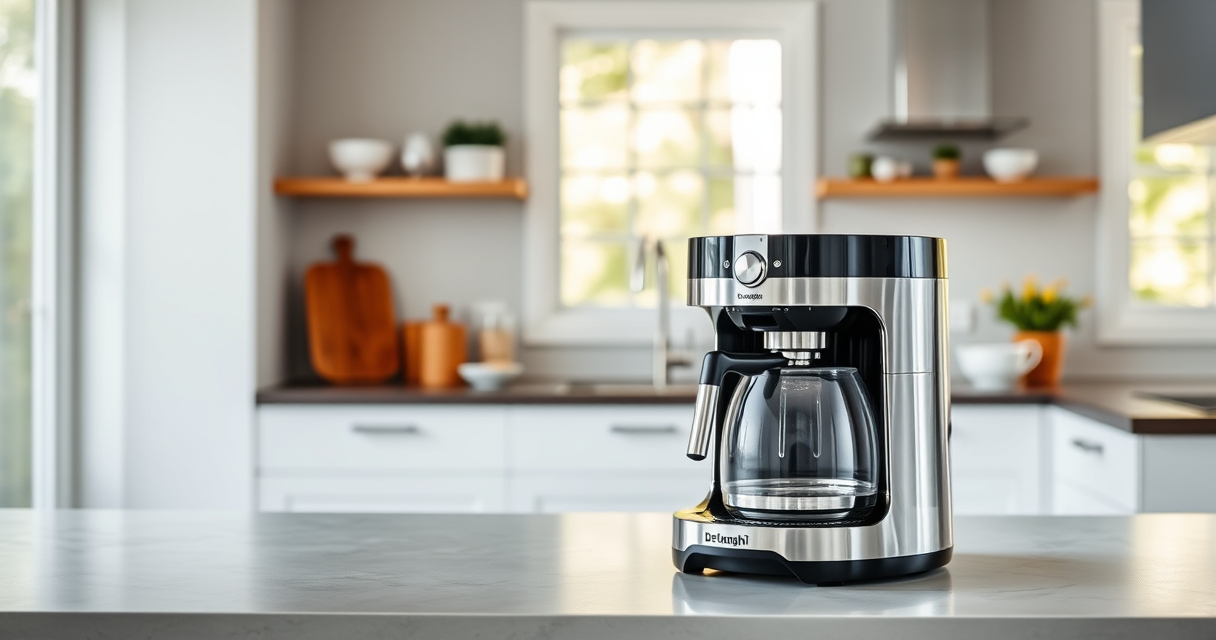
If your De’Longhi Magnifica Evo or similar espresso machine is leaking water, it can disrupt your coffee routine and cause frustration. Leaks can be caused by various issues such as clogged filters, worn seals, or mineral buildup. Fortunately, most problems are fixable with some simple troubleshooting steps.

Get kitchen gear delivered free — and shop member deals
- Fast, free delivery on millions of items
- Access to Prime Big Deal Days deals on October 6–7
- Prime Video, Amazon Music and more included
In this guide, you’ll find detailed, safe instructions to diagnose and resolve water leaks, helping you restore your machine’s performance and enjoy your favorite espresso drinks once again.
Key Takeaways
| Identify the leak source | Determining where the water is leaking from helps target fixes. |
| Check water filters and connections | Worn or clogged filters and loose fittings often cause leaks. |
| Inspect seals and gaskets | Worn or damaged seals are common culprits. |
| Descale regularly | Mineral deposits can cause blockages and leaks. |
| Test after repairs | Always run a test cycle to ensure the leak is fixed. |
Step 1: Turn Off and Unplug the Machine
Before beginning any troubleshooting, ensure your espresso machine is turned off and unplugged from the power source. This prevents electrical hazards and allows you to safely inspect and handle internal components.
Step 2: Empty and Disassemble the Water Reservoir
- Remove the water reservoir from the machine.
- Empty any remaining water and inspect the reservoir for cracks or damage.
- Check the water inlet and outlet connections for blockages or buildup.
Cleaning these parts can often eliminate minor leaks caused by clogs or mineral deposits.
Step 3: Inspect and Replace Worn Seals and Gaskets
Leaks often originate from worn or damaged seals and gaskets. Carefully examine the area where the water flow occurs, especially around the brew group, water inlet, and tank connections.
If you notice cracks, hardening, or deformation, replace the seals and gaskets. You can find compatible replacements designed for De’Longhi machines, which will restore a proper seal and prevent leaks.
Step 4: Check the Water Filter and Descale the Machine
If your machine uses a water filter, such as the De’Longhi Replacement Water Filter, ensure it is installed correctly and not clogged. Replacing an old or clogged filter can significantly reduce leaks caused by water pressure issues.
Additionally, mineral buildup from hard water can cause blockages or cracks. Use a descaling solution like the De’Longhi EcoDecalk Descaler according to the instructions to remove limescale deposits.
Step 5: Reassemble and Test Your Machine
After inspecting and replacing necessary parts, reassemble the water reservoir and any disassembled components. Plug the machine back in and run a test cycle with water (without coffee) to observe if the leak persists.
If the leak stops, you’ve successfully resolved the issue. If not, revisit the previous steps or consider professional repair.
Tips and Warnings
- Use genuine replacement parts: Always opt for authentic seals, gaskets, and filters to ensure compatibility and safety.
- Regular maintenance: Descale your machine every 2-3 months and replace filters as recommended to prevent buildup and leaks.
- Safety first: Always unplug the machine before inspecting or repairing internal parts.
- Seek professional help: If you’re unsure or uncomfortable with disassembly, contact a certified technician.
The Products in This Guide
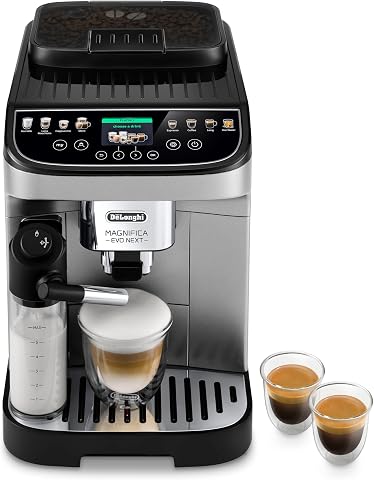
De’Longhi Magnifica Evo Next Fully Automatic Espresso Ma
- ✔ Power: 1450W
- ✔ Voltage: 120V
- ✔ Water Capacity: 1.8L

De’Longhi Replacement Water Filter
- ✔ Weight: 4 oz
- ✔ Material: Activated carbon, resin
- ✔ Shelf Life: 2 years
De’Longhi Magnifica Evo Next Fully Automatic Espresso Ma
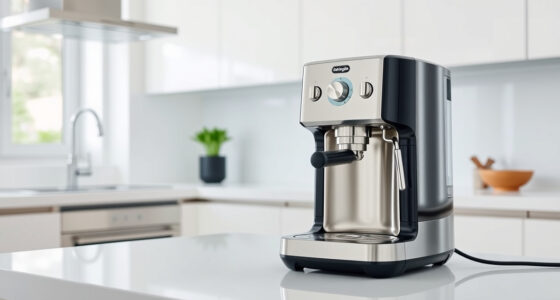
The De’Longhi Magnifica Evo Next Fully Automatic Espresso Machine combines advanced features with dependable performance. When troubleshooting leaks, understanding its construction helps target the root cause effectively. Regular maintenance and careful inspection are key to preventing issues.
Pros:
- High-quality build and components
- User-friendly interface
- Auto descaling and cleaning functions
- Consistent espresso quality
Cons:
- Can be complex to disassemble for beginners
- Requires regular maintenance
Best for: Home baristas seeking a reliable, feature-rich espresso machine
Not ideal for: Users uncomfortable with DIY repairs or without technical skills
Bottom line: A versatile, durable espresso machine with accessible troubleshooting options.
De’Longhi Replacement Water Filter
Replacing your water filter regularly ensures optimal water quality, which can reduce mineral buildup and leaks. The De’Longhi Replacement Water Filter is designed for select models and is easy to install, making maintenance straightforward.
Pros:
- Improves water taste
- Prevents lime scale buildup
- Easy to install
- Enhances machine lifespan
Cons:
- Needs periodic replacement
- Only compatible with certain models
Best for: Maintaining water quality to prevent leaks
Not ideal for: If your machine isn’t compatible with this filter
Bottom line: A simple upgrade that keeps your water clean and prevents leaks.
Frequently Asked Questions
Why is my De’Longhi espresso machine leaking water?
Leaks can be caused by worn seals, mineral buildup, loose connections, or damaged filters. Regular maintenance and inspection can help identify the cause.
How often should I descale my espresso machine?
It’s recommended to descale every 2-3 months, depending on water hardness, to prevent lime scale buildup that can cause leaks.
Can I fix a leak myself?
Many minor leaks can be fixed by replacing seals or cleaning filters. However, for complex repairs, consulting a professional is advised.
What tools do I need to fix a leak?
Basic screwdrivers, replacement gaskets/seals, and descaling solutions are usually sufficient. Always unplug the machine before starting repairs.
When should I replace the water filter?
Replace the water filter approximately every 2-3 months or when the indicator signals it’s time for a change.
Keep Your Espresso Flowing Smoothly
By following these troubleshooting steps and performing regular maintenance, you can effectively fix water leaks in your De’Longhi espresso machine and extend its lifespan. Patience and careful inspection are key to identifying the cause and restoring your machine’s performance. Remember, safety first—disconnect from power before handling internal parts, and don’t hesitate to seek professional help if needed.
Affiliate disclosure: As an Amazon Associate we earn from qualifying purchases. Prices and availability are accurate as of the time of publishing.
Halloween Picks
halloween
As an affiliate, we earn on qualifying purchases.