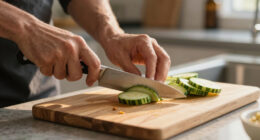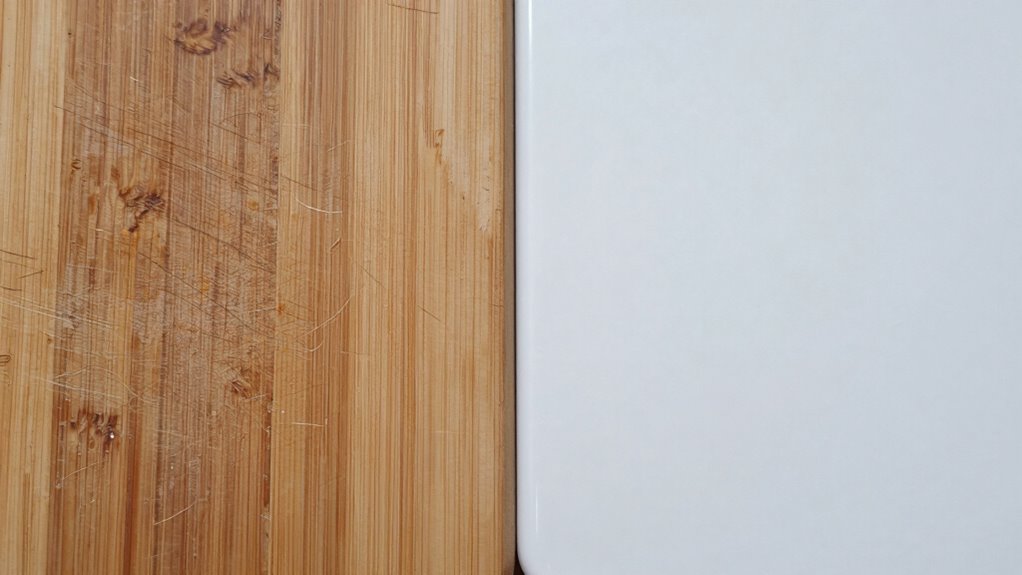

Choosing between wood and plastic cutting boards affects your knife’s edge and hygiene. Wood is durable, gentle on blades, and has natural antimicrobial properties, keeping it more hygienic with proper care. Plastic boards are easy to clean and sanitize but develop deep cuts faster, which can harbor bacteria and dull your knives more quickly. Understanding these differences helps you select the best option for your kitchen, and there’s more to weigh if you keep exploring.
Key Takeaways
- Wooden boards are gentler on knives, helping maintain sharper edges longer due to lower resistance and self-healing properties.
- Plastic boards develop deeper cuts more quickly, increasing bacteria harboring sites and risking faster dulling of knife edges.
- Wood’s natural antimicrobial properties and self-healing surface enhance hygiene, while plastic requires thorough cleaning to prevent bacterial buildup.
- Plastic boards are easier to sanitize and often dishwasher safe, but they tend to wear out faster, affecting both hygiene and edge preservation.
- Environmentally, wood is more sustainable and biodegradable, whereas plastic may pose ecological concerns over time.
imarku Chef Knife 7 Inch Kitchen Knife Ultra Sharp Santoku Knife - High Carbon Japanese Chefs Knife, Kitchen Gadgets 2025, Apartment Essentials, Birthday Gifts for Him Her, Best Gifts for Women Men
Professional Santoku Knife: This imarku super sharp santoku knife is made of high carbon stainless steel that resists...
As an affiliate, we earn on qualifying purchases.
Comparing Durability and Edge Longevity
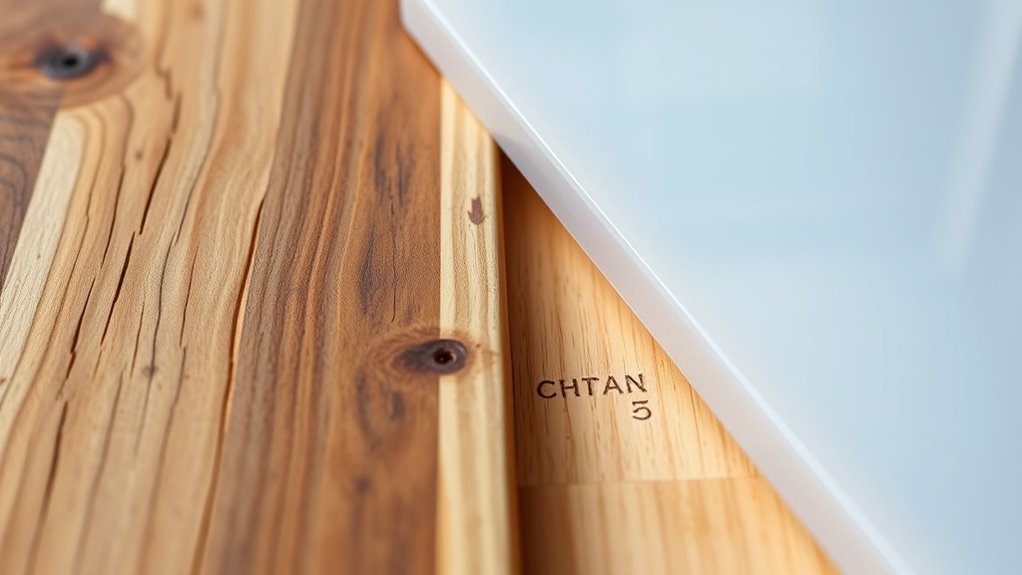
When it comes to durability and edge longevity, wood and plastic cutting boards each have their strengths and weaknesses. Wood offers a classic aesthetic, bringing warmth and charm to your kitchen, and ages well over time. It’s sturdy, resistant to warping, and can handle frequent use without quickly showing wear. Wood’s natural fibers provide a slight self-healing effect, helping to close minor cuts and prevent bacteria buildup, which contributes to its durability self-healing property. Plastic boards, on the other hand, excel in versatility. They’re lightweight, easy to clean, and often dishwasher safe, making maintenance simple. However, plastic tends to develop deep cuts more quickly, which can harbor bacteria and compromise edge sharpness. While wood’s natural fibers provide a slight self-healing effect, plastic’s softer surface may wear down faster, affecting its edge impact over time. Both materials have their merits depending on your priorities for durability and longevity. To ensure safe and reliable use, consider safety guidelines and proper maintenance routines.

HOSHANHO Kitchen Knife in Japanese High Carbon Steel, Professional High-Class Chef's Knife 8 inch, Non-slip Ultra Sharp Cooking Knives with Ergonomic Handle
【High-End Japanese Steel Chef's Knife】 HOSHANHO chef's knife is made of Japanese high carbon steel 10Cr15CoMoV, 2x of...
As an affiliate, we earn on qualifying purchases.
Impact of Material on Cutting Edge Sharpness
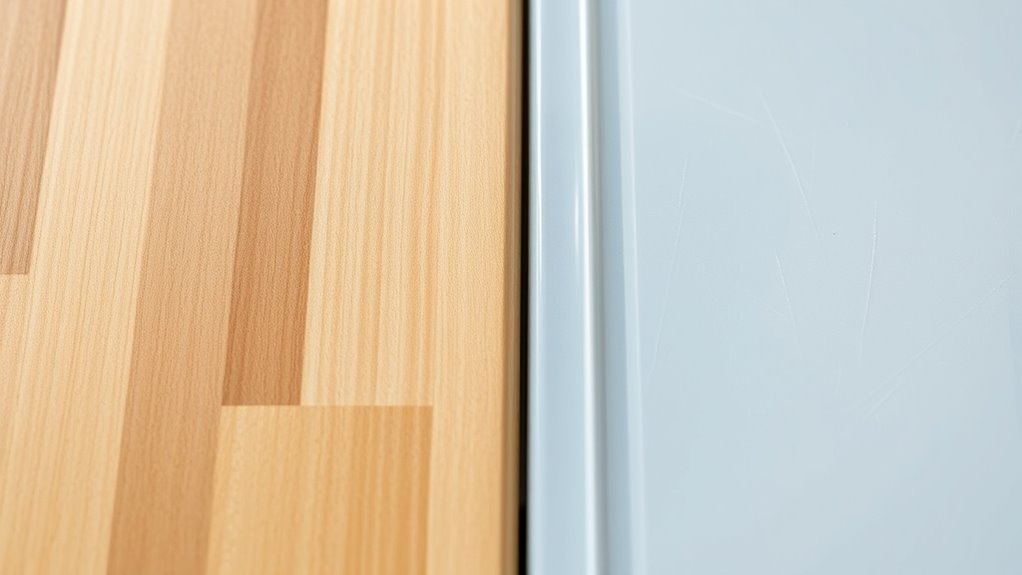
The material of a cutting board substantially influences how well your knife’s edge stays sharp. The material impact determines how easily the blade dulls during use. Wood tends to be gentler on knives because its fibrous surface absorbs some of the pressure, helping maintain a sharper cutting edge longer. Plastic boards, on the other hand, are harder and can cause more rapid dulling due to their surface’s resistance. When you cut, the type of material affects the friction and resistance your knife faces, directly impacting edge retention. If preserving a sharp edge is a priority, choosing a material with less resistance will benefit you. Overall, understanding the material impact helps you select a board that minimizes dulling and extends your knife’s sharpness over time.
imarku Japanese Chef Knife - Sharp Kitchen Knife 8 Inch Chef's Knives HC Steel Paring Knife, Unique Gifts for Men and Women, Gifts for Mom or Dad, Kitchen Gadgets with Gift Box, Gyutou Knives
High-Carbon Stainless Steel Blade: It is manufactured from high-quality stainless steel that maintains its functionality for a long...
As an affiliate, we earn on qualifying purchases.
Hygiene and Bacterial Resistance in Different Materials
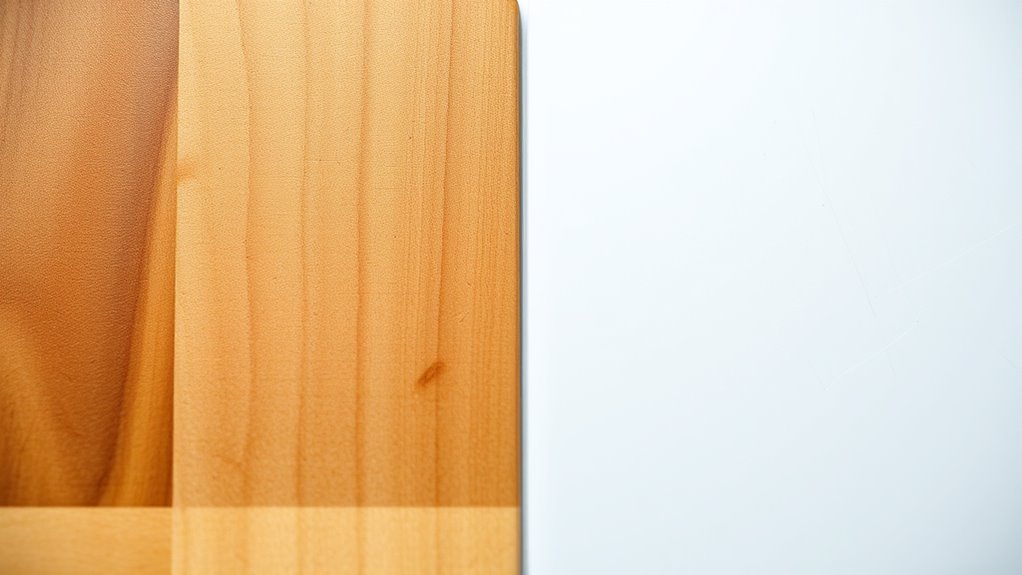
You need to contemplate how bacteria grow on different surfaces, as some materials can harbor more germs than others. Cleaning effectiveness varies, making it easier or harder to eliminate bacteria from your cutting boards. Understanding these factors helps you choose a surface that keeps your food safer.
Bacterial Growth Potential
Bacterial growth potential varies considerably between wood and plastic cutting boards, impacting their hygiene and resistance to germs. Plastic boards tend to develop deep cuts that can serve as bacterial reservoirs, making them more vulnerable to harboring harmful microbes. In contrast, wood has natural antimicrobial properties and self-healing surfaces that limit bacterial buildup. Some manufacturers add antimicrobial coatings to plastic boards to reduce bacterial growth, but these can wear off over time. Without proper maintenance, plastic surfaces may retain bacteria longer, increasing infection risk. Wood’s dense grain structure helps trap bacteria in superficial cuts, which can be easier to clean thoroughly. Additionally, material porosity plays a crucial role in how well a surface resists bacterial infiltration and facilitates cleaning. Furthermore, surface wear can impact the longevity and hygienic performance of both materials over time. Recognizing how different materials respond to cleaning can help you choose the most hygienic option for your kitchen needs. Moreover, selecting a cutting surface material that resists bacterial growth can contribute significantly to kitchen hygiene and food safety.
Cleaning Effectiveness
How effectively do different materials remove bacteria during cleaning? When it comes to food safety, cleaning techniques play a vital role. Plastic boards are generally easier to sanitize because their non-porous surface allows for thorough cleaning, reducing bacterial buildup. Proper scrubbing with hot water and soap, followed by disinfectants, can eliminate most pathogens. Wood boards, however, are porous, which can harbor bacteria deeper within the surface. Although they may seem harder to clean, if maintained correctly—by avoiding deep cuts and using appropriate cleaning methods—they can be just as safe. Ultimately, the effectiveness depends on your cleaning technique and consistency. Regularly sanitizing your cutting surface is essential to prevent cross-contamination and guarantee ideal food safety regardless of the material.

Japanese Chef Knife, 8 Inch Damascus Kitchen Knife with VG10 Steel, Handcrafted Sharp Knife with Ergonomic Handle, Cooking Knives for Home Chefs, Cooking Gifts for Men and Women
【Premium Damascus Chef Knife with VG-10 Steel Core】Our Japanese knives feature a VG-10 steel core (60 HRC) for...
As an affiliate, we earn on qualifying purchases.
Maintenance and Cleaning Practices for Wooden Boards

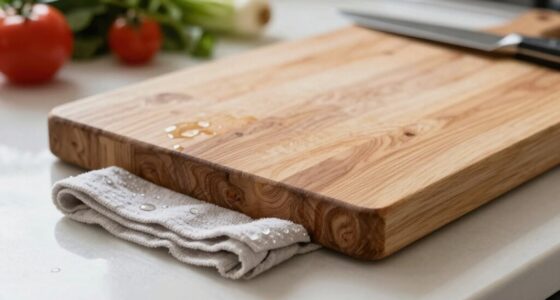
Maintaining wooden cutting boards requires regular cleaning to prevent bacteria buildup and prolong their lifespan. To guarantee proper wood care, wash your board with hot water and mild soap after each use. Avoid soaking it, as excess moisture can cause warping or cracks. For stain removal, sprinkle coarse salt or baking soda on the surface, then scrub with a lemon half to lift stains and sanitize naturally. Dry your board thoroughly with a clean towel and let it air dry to prevent mold. Periodically, apply food-grade mineral oil to keep the wood conditioned and resistant to stains. Regular maintenance not only preserves the board’s appearance but also enhances its hygiene, making it safer for food preparation. Proper care extends your wooden board’s edge life and maintains its functionality. Additionally, understanding materials and fuel primers can help you choose the best products for cleaning and conditioning your wooden boards effectively. Using appropriate cleaning tools ensures you don’t damage the wood during maintenance, further extending its lifespan. Incorporating proper cleaning techniques can also help you avoid common mistakes that may harm your board over time. Furthermore, practicing moisture control is essential to prevent issues like warping or cracking caused by humidity fluctuations.
Maintaining and Sanitizing Plastic Boards
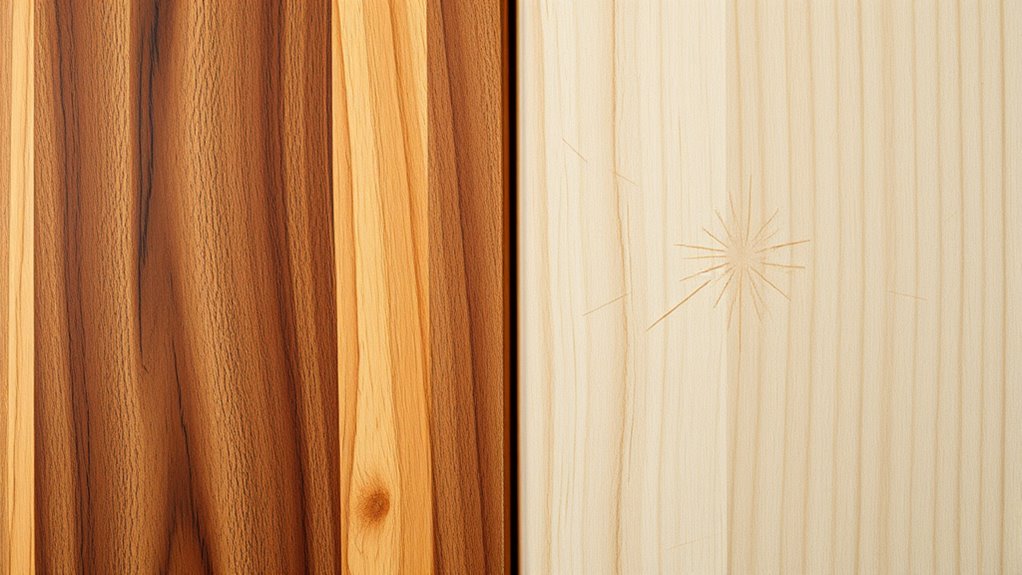
To keep plastic cutting boards safe and hygienic, regular cleaning and sanitizing are essential. Proper maintenance helps prevent bacteria buildup and maintains their aesthetic appeal. When cleaning, use hot water and dish soap, scrubbing thoroughly to remove food residues. Sanitizing with a diluted bleach solution or commercial sanitizer kills lingering germs. Always dry the board completely before storing. Knife safety is also vital; avoid using dull or damaged blades that can slip and cause accidents. Keeping your plastic board in good condition preserves its surface, making it easier to clean and sanitize effectively. Using proper storage methods can also help prevent contamination and prolong the life of the board. Additionally, understanding the types of evidence collected during cleaning can help identify potential sources of contamination and ensure thorough sanitation. Regular maintenance not only extends the lifespan of the board but also helps in detecting early signs of wear and tear, which can prevent accidents during food preparation. Furthermore, incorporating smart cleaning tools can enhance sanitation processes and ensure a more thorough cleaning routine. A well-maintained board not only looks better but also guarantees safer food preparation. Regular upkeep extends its usability and helps you maintain a hygienic kitchen environment.
Risks of Cross-Contamination and Bacterial Growth
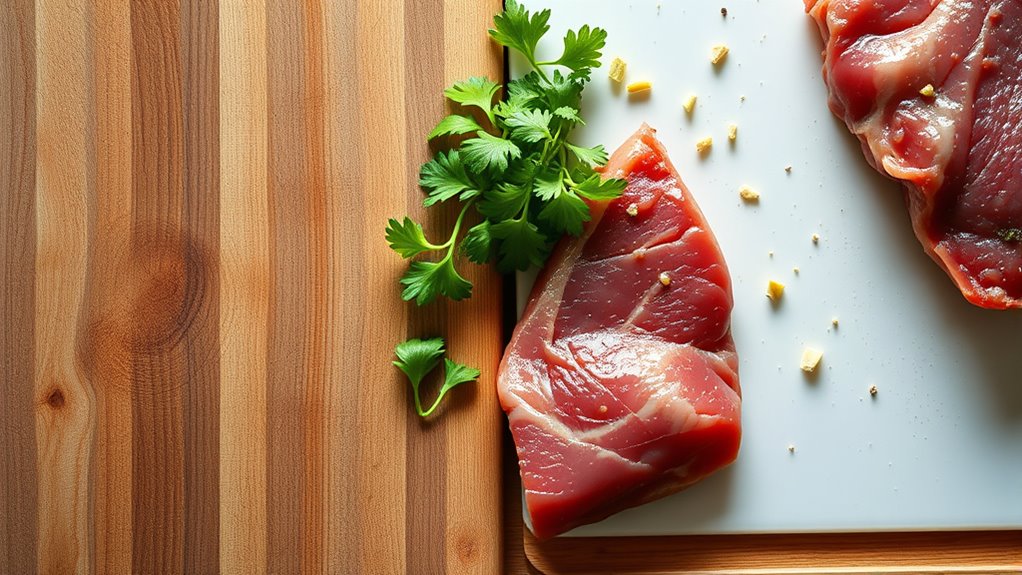
Plastic cutting boards are particularly susceptible to cross-contamination and bacterial growth if not properly maintained. Their surface porosity allows bacteria to hide in tiny grooves and cuts, making thorough cleaning essential. Without regular sanitizing, harmful microbes like Salmonella and E. coli can thrive, increasing your risk of foodborne illness. Some plastic boards feature antimicrobial coatings, but these are not foolproof and can wear down over time. Bacteria can still accumulate in areas where the coating has degraded. To minimize risks, you need to scrub plastic boards thoroughly after each use, especially when cutting raw meat or poultry. Proper cleaning and replacing worn boards are vital to reducing bacterial buildup and preventing cross-contamination in your kitchen. Additionally, understanding the importance of vetted information can help you choose the safest and most effective kitchen tools. Regular maintenance, including appropriate cleaning techniques, is essential to ensure your cutting surfaces remain hygienic. Incorporating proper storage practices also plays a crucial role in maintaining a clean and safe food preparation environment. Using hygienic surface materials can further reduce the likelihood of bacterial growth on your cutting boards. Paying attention to material porosity helps you select surfaces that are easier to sanitize and less prone to harboring bacteria.
Environmental Considerations and Sustainability

When choosing between wood and plastic boards, consider how eco-friendly materials can make a difference. Wood often comes from renewable resources and can be sustainably harvested, reducing environmental impact. Your choice can support greener practices and promote long-term sustainability. Additionally, natural materials like wood can enhance the aesthetic appeal of your outdoor spaces while maintaining eco-consciousness. Selecting biodegradable options can also minimize waste and pollution over time. Furthermore, opting for renewable resources helps ensure that the environmental benefits of sustainable choices are maximized, supporting ecological balance. Additionally, choosing sustainable materials can contribute to reducing waste and lowering your overall ecological footprint. Incorporating environmentally friendly materials aligns with the growing trend of sustainable living and responsible consumption.
Eco-Friendly Material Choices
Choosing eco-friendly materials for cutting boards means considering their environmental impact and sustainability over time. You’ll want to look for options that fit into recycling programs or are biodegradable, reducing waste and pollution. Wooden boards made from sustainably harvested wood are a good choice because they decompose naturally and can be replenished through responsible forestry. Plastic boards, on the other hand, often end up in landfills if not properly recycled, which can harm the environment. Some manufacturers now offer biodegradable plastic alternatives, which break down more quickly and lessen your ecological footprint. By selecting boards made from these eco-friendly materials, you contribute to less waste and support sustainable practices, helping protect the planet for future generations.
Renewable Resource Benefits
Because renewable resources can be replenished naturally and quickly, they offer significant environmental advantages for cutting boards. Wood, for example, benefits from reforestation efforts that help restore forests and promote sustainable harvesting practices. This guarantees a continuous supply without depleting natural ecosystems. Additionally, wood is biodegradable, making it an eco-friendly choice that breaks down naturally, reducing landfill waste. Plastic boards, often made from non-renewable petroleum, lack these reforestation benefits and can persist in the environment for hundreds of years. Choosing wood supports sustainable forestry and offers a renewable resource that’s better for the planet. By opting for wooden cutting boards, you contribute to environmental conservation and promote the use of biodegradable options that minimize ecological impact.
Making the Best Choice for Your Kitchen Needs
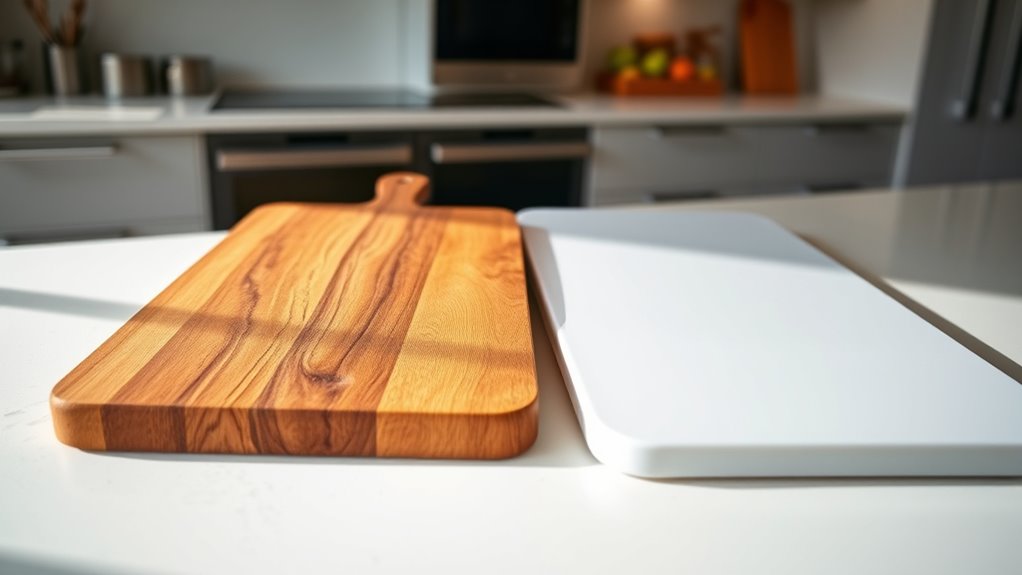
To make the best choice for your kitchen needs, you should consider how each type of board aligns with your cooking habits and maintenance preferences. Wooden boards offer a warm, natural look that enhances kitchen aesthetics, especially if you prefer a rustic or traditional style. They require regular oiling to maintain their condition but tend to be gentler on knives. Plastic boards, on the other hand, are lightweight and come in a variety of colors, making them easy to sanitize and suitable for different foods. When it comes to cost comparison, plastic boards are generally more affordable upfront and easier to replace. Your decision depends on whether you prioritize visual appeal, ease of maintenance, or budget constraints for your kitchen setup.
Frequently Asked Questions
How Do Wood and Plastic Boards Affect Food Flavor Transfer?
You’ll notice that wood boards tend to absorb flavors and odors more easily, leading to flavor transfer between foods. This also means bacteria can hide within the porous surface, increasing bacterial absorption. Plastic boards, on the other hand, resist flavor transfer better and are easier to clean thoroughly, reducing bacterial absorption. For maintaining food freshness and hygiene, plastic boards are generally the better choice, especially when handling different types of food.
Are There Health Risks Associated With Recycled Plastic Cutting Boards?
Think of recycled plastic cutting boards like a sponge soaking up history—they’re made from previously used plastics. While generally safe, the recycling process can introduce chemicals that may leach over time. Some studies suggest that chemical leaching is minimal, but it’s wise to replace boards regularly, especially if they develop deep cuts. Staying vigilant helps you avoid potential health risks associated with recycled plastic boards.
Can Wooden Boards Be Safely Reused After Deep Scratches?
Yes, you can safely reuse wooden boards after deep scratches if you perform proper board maintenance. Sand down the scratches thoroughly to remove bacteria and rough surfaces, then clean and sanitize the board. Always consider safety considerations; if the scratches are extensive or the wood is damaged, replacing the board is wiser. Regular maintenance ensures your wooden board remains hygienic and safe for food preparation.
Do Different Wood Types Impact Bacteria Retention Differently?
Different wood types do impact bacteria retention because of their porosity. You’ll find that softer woods tend to absorb more bacteria due to higher porosity, making them less hygienic over time. Harder woods generally resist bacteria absorption better, helping maintain a cleaner surface. So, choosing a dense, low-porosity wood can reduce bacteria retention, keeping your cutting surface safer and more hygienic for repeated use.
How Does Board Material Influence the Lifespan of Kitchen Knives?
Your board material considerably affects your knife lifespan. A wooden board, with its softer surface, helps maintain sharper edges and reduces blade dulling, while plastic boards can be harsher. To maximize your knives’ lifespan, practice proper knife maintenance, like regular sharpening, and guarantee thorough board cleaning after each use. Proper cleaning prevents bacteria buildup and keeps both your knives and boards in top condition, extending their usability over time.
Conclusion
Choosing between wood and plastic boards is like picking the right tool for a job—you want durability, hygiene, and sustainability. Wooden boards offer a warm, natural touch but need proper care to last, while plastic boards are easy to sanitize but may wear out faster. Consider your kitchen habits and priorities to make the best choice. Ultimately, selecting the right board is about balancing your needs—like finding the perfect fit for your culinary adventures.