Asymmetrical edges, like 70/30 and 60/40, refer to the bevel ratios on each side of your kitchen knife. A 70/30 edge has a steeper bevel on one side, giving you sharper, cleaner cuts, especially for precise tasks like sushi or fish filleting. A 60/40 offers a more balanced profile for versatile use. Understanding these ratios helps you choose the right blade for your needs and learn how to maintain its performance effectively.

Get kitchen gear delivered free — and shop member deals
- Fast, free delivery on millions of items
- Access to Prime Big Deal Days deals on October 6–7
- Prime Video, Amazon Music and more included
Key Takeaways
- Asymmetrical edges have skewed bevel ratios (e.g., 70/30, 60/40), favoring one side for specific cutting performance.
- The 70/30 ratio features a steeper bevel on one side for cleaner, more precise cuts, ideal for tasks like slicing fish.
- The 60/40 ratio offers a balanced bevel, providing versatility for various kitchen tasks.
- Proper sharpening maintains the original asymmetrical bevels, ensuring the blade’s tailored cutting behavior.
- Understanding these ratios helps select and maintain knives optimized for specific ingredients and slicing needs.
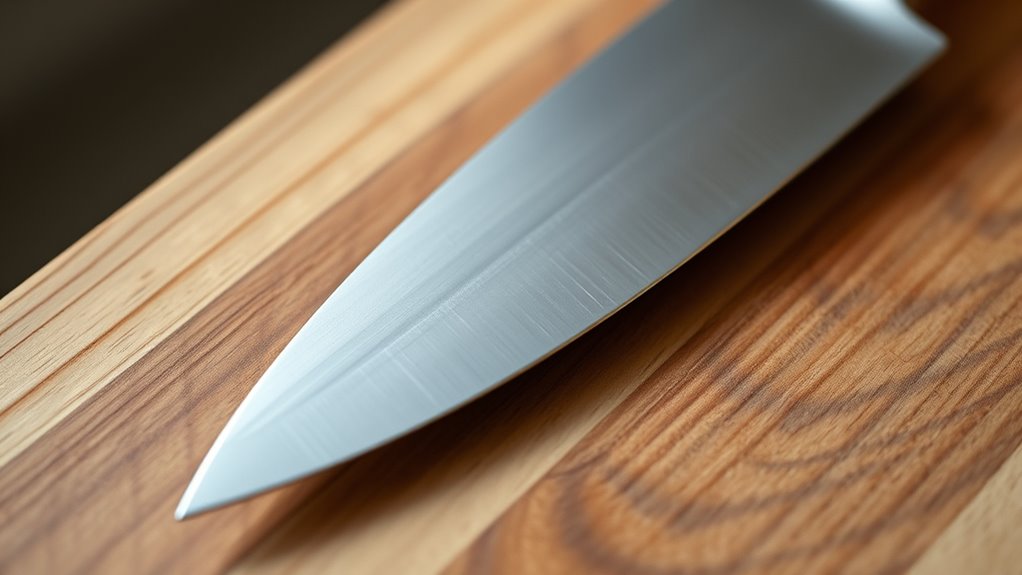
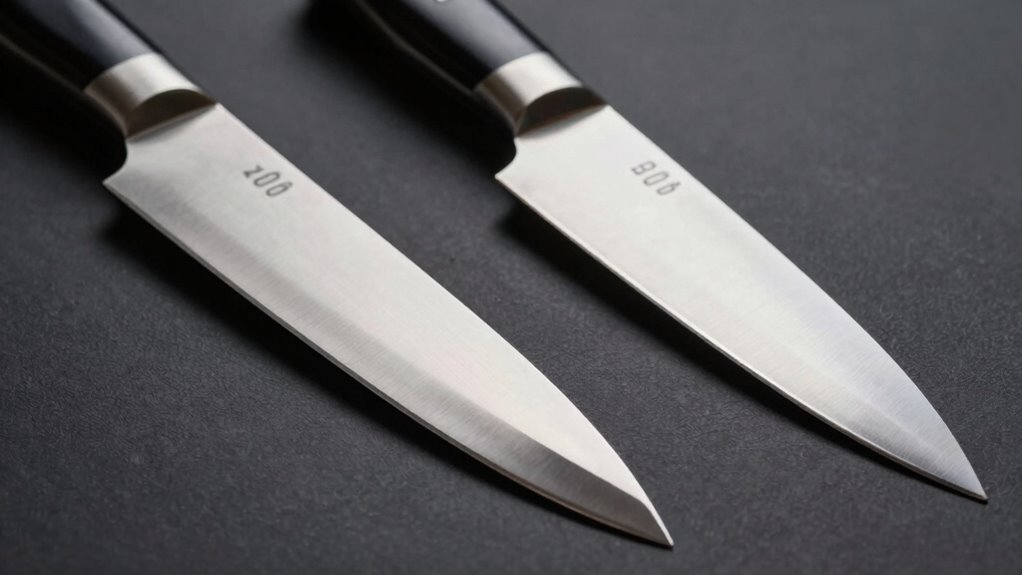
If you’re looking to improve your kitchen knife performance, exploring asymmetrical edges can make a noticeable difference. These edges are designed with blade geometry that favors one side over the other, creating a specific cutting dynamic. Unlike symmetrical edges, which have a 50/50 bevel, asymmetrical edges feature a skewed bevel ratio, such as 70/30 or 60/40. This means one side has a steeper angle, and the other is more gentle, allowing for tailored cutting behavior that can enhance precision and control.
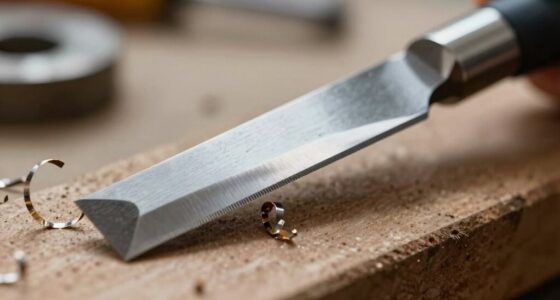
Understanding blade geometry is key when considering asymmetrical edges. The bevel ratio directly influences how the knife slices through ingredients. For example, a 70/30 edge has a more pronounced bevel on one side, which can make it easier to create clean, precise cuts, especially for tasks like slicing sushi or filleting fish. Conversely, a 60/40 edge balances the bevels more evenly, providing a versatile performance suitable for a wider range of kitchen tasks. The choice depends on your cutting style, the types of ingredients you handle, and your personal preferences.
A 70/30 edge offers sharper, cleaner cuts, ideal for precise slicing like sushi or fish filleting.
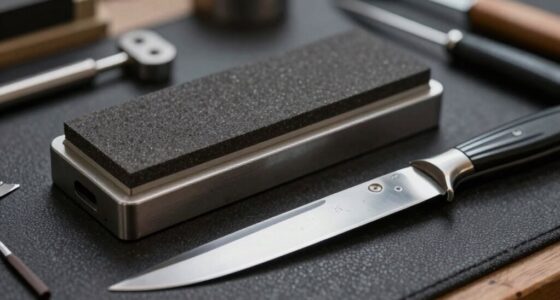
Edge sharpening techniques are essential in maintaining and optimizing asymmetrical blades. Because the bevels are uneven, sharpening must be carefully executed to preserve the intended blade geometry. A common approach involves using a sharpening stone or system that allows you to control the angle precisely on each side. It’s important to focus on maintaining the original asymmetry during sharpening; otherwise, you risk altering the intended cutting performance. For example, if you have a 70/30 edge, you’ll want to sharpen the steeper side at the same angle consistently, while the more gentle side requires a lighter touch. This attention to detail ensures the blade retains its designed cutting characteristics.
When honing asymmetrical edges, you should also be mindful of the bevels. Regular honing on a ceramic or leather strop can help realign the edge without removing material, keeping the asymmetry intact. If you need to reprofile or reshape the edge, start with a coarse stone and gradually move to finer grits, making sure to maintain the original bevel ratios. Proper edge maintenance not only prolongs the life of your knife but also preserves the unique cutting advantages that asymmetrical blade geometry offers. Additionally, understanding blade geometry can help you select the best sharpening techniques to maintain optimal performance.
Japanese asymmetrical kitchen knife
As an affiliate, we earn on qualifying purchases.
As an affiliate, we earn on qualifying purchases.
Frequently Asked Questions
Can Asymmetrical Edges Improve Cutting Precision?
Yes, asymmetrical edges can improve your cutting precision by offering sharper, more refined slices. They often enhance edge durability, allowing your knife to maintain its sharpness longer, which boosts accuracy. Plus, the unique asymmetrical design adds aesthetic appeal to your kitchen tools, making them not only functional but also visually striking. You’ll find that these edges help you achieve cleaner cuts with less effort, elevating your culinary experience.
Are Asymmetrical Edges Suitable for Beginner Cooks?
Think of asymmetrical edges like a dance, where balance can lead to mastery. For beginners, these knives can be suitable because they often offer better control and cutting precision. You’ll want to take into account knife handle ergonomics to ensure comfort during use, preventing fatigue. Also, proper kitchen knife storage protects your knives’ edges and maintains their performance, making your learning curve smoother. Asymmetrical edges can be a good choice as you develop your skills.
How Do Asymmetrical Edges Affect Sharpening Techniques?
Asymmetrical edges influence your sharpening techniques because the blade geometry requires adjusting your sharpening angle on each side. You need to focus more on the beveled side to maintain the edge’s integrity, often sharpening at a slightly different angle than the flat side. This ensures the asymmetrical edge stays sharp and balanced, so pay close attention to your blade’s geometry and consistently refine each side for ideal performance.
Do Asymmetrical Edges Require More Maintenance?
Yes, asymmetrical edges often require more maintenance because they can wear unevenly, affecting edge durability. You might need to sharpen them more frequently to keep their cutting performance ideal. However, their unique shape boosts aesthetic appeal, making your knives stand out. Regular care ensures the edge remains sharp and attractive, so you enjoy both the visual and functional benefits without compromising durability.
Can Asymmetrical Edges Be Used for All Types of Cuisine?
Yes, asymmetrical edges can be used for all types of cuisine, but it depends on your cultural preferences and aesthetic considerations. These blades excel at precise cuts and specialized tasks, making them versatile across different culinary styles. However, some chefs prefer symmetrical edges for traditional techniques. Ultimately, choose based on your cooking needs and the aesthetic you desire, ensuring your knife complements your cuisine and personal style.
As an affiliate, we earn on qualifying purchases.
Conclusion
In mastering the mechanics of asymmetrical edges, you reveal unmatched utility and unique usability. Understanding the subtle shifts from 70/30 to 60/40 sharpness setups helps hone your honing habits, heightening your culinary creations. By embracing the balance of boldness and finesse, you bring brilliance to your blade, boosting confidence with each cut. So, sharpen your skills, savor the subtlety, and see how symmetrical success springs from asymmetrical artistry in every slice.
knife sharpening stone for asymmetrical blades
As an affiliate, we earn on qualifying purchases.
As an affiliate, we earn on qualifying purchases.
professional knife honing system
As an affiliate, we earn on qualifying purchases.
As an affiliate, we earn on qualifying purchases.
Fall Picks
fall essentials
As an affiliate, we earn on qualifying purchases.