Steels feel harder to sharpen because their composition and heat treatment influence their hardness and microstructure. Harder steels, especially those with high carbon content or added alloys, resist deformation and wear away slower, making sharpening more challenging. Proper heat treatment can also increase hardness but may make edges brittle and tougher to refine. If you want to understand how you’ll be affected by different steels and sharpening tools, keep going for more details.

Get kitchen gear delivered free — and shop member deals
- Fast, free delivery on millions of items
- Access to Prime Big Deal Days deals on October 6–7
- Prime Video, Amazon Music and more included
Key Takeaways
- Steels with higher Rockwell hardness resist deformation, making them more difficult to reshape during sharpening.
- Increased hardness results from specific alloy compositions and heat treatment, affecting sharpening resistance.
- Microstructural factors, like grain size and crystal arrangement, influence how easily a steel can be sharpened.
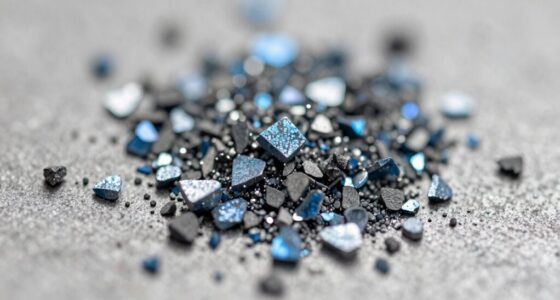
- Harder steels withstand wear longer but require finer or diamond abrasives for effective sharpening.
- Overly hardened steels can become brittle, complicating sharpening and increasing chipping risk.
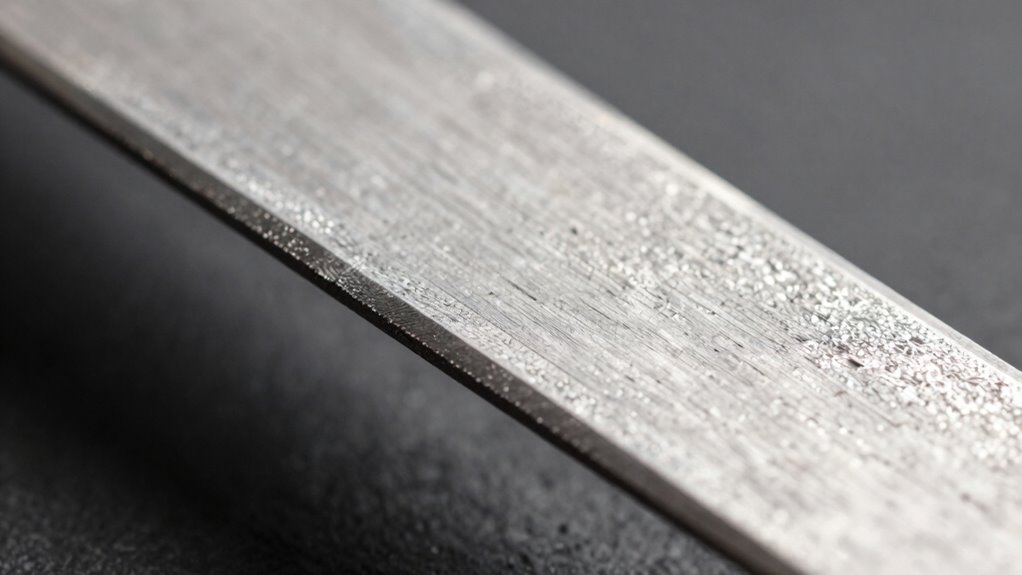
Have you ever noticed that some steels are noticeably harder to sharpen than others? It’s often confusing because the difference isn’t just about the steel’s composition but also how it’s been processed. The key factors influencing how difficult a steel is to sharpen are heat treatment and blade hardness. When a steel undergoes heat treatment, it’s subjected to precise temperatures that alter its internal structure, specifically the arrangement of its crystals. Proper heat treatment can increase the blade’s hardness, making it more resistant to wear. But this increased hardness also makes the steel more challenging to sharpen because the cutting edge is tougher and less forgiving when you’re trying to hone it.
Harder steels, often heat-treated, resist sharpening but last longer and stay sharper longer.
Blade hardness is typically measured on the Rockwell scale, and higher numbers indicate a harder steel. When the steel is harder, it holds a sharper edge longer but becomes more resistant to the abrasive action of sharpening stones or other honing tools. This means you’ll find yourself spending more time and effort trying to bring the edge back into shape. The reason for this is that the harder steel doesn’t deform easily; it resists the slight bending or micro-chipping that can occur during sharpening. Instead, you need to use finer, more abrasive stones or even diamond abrasives to effectively sharpen a blade with high hardness. Conversely, softer steels, which are often easier to sharpen, tend to dull faster and require more frequent honing, but they’re less demanding when it comes to restoring the edge. Recognizing the microstructure of the steel can also help in understanding how different heat treatments affect blade performance. Additionally, different heat treatment techniques can influence the grain structure, further impacting how a steel responds to sharpening.
The relationship between heat treatment and blade hardness is essential. A steel that has been properly heat-treated will have a balanced combination of hardness and toughness. This balance determines how long the edge lasts and how difficult it is to sharpen. If the heat treatment process is too aggressive, the steel may become overly hard and brittle, making it prone to chipping. If it’s under-treated, the blade might be too soft, dulling quickly but sharpening easily. Skilled heat treatment ensures that the steel isn’t just hard but also durable enough to withstand regular use without chipping or breaking. Understanding how heat treatment impacts the steel’s microstructure can help in selecting the right blade for specific tasks. Moreover, knowing the heat treatment process can assist in predicting a blade’s performance and longevity. Recognizing the importance of proper heat treatment can also guide you in choosing blades that offer a good balance between toughness and edge retention.
Ultimately, understanding how heat treatment influences blade hardness helps you grasp why some steels feel harder to sharpen. The harder the steel, the longer it keeps its edge, but it also demands more from your sharpening tools and techniques. Recognizing this connection allows you to choose the right steel for your needs and handle it properly, making sure your blades stay effective and easy enough to maintain.
diamond sharpening stones for high hardness steels
As an affiliate, we earn on qualifying purchases.
As an affiliate, we earn on qualifying purchases.
Frequently Asked Questions
Does Steel Color Indicate Its Hardness?
Steel color doesn’t directly indicate its hardness since steel composition and surface finish play bigger roles. Different alloys and treatments affect hardness, but color can be misleading—like tempered steel often shows a blue or straw hue due to heat treatment. Surface finish also impacts color appearance, but it doesn’t reveal the true hardness. To accurately determine hardness, use proper testing methods rather than relying solely on color cues.
Can Sharpening Technique Affect Perceived Hardness?
Yes, sharpening technique can affect perceived hardness. When you use different grinding methods, you may see variations in edge retention, making the steel feel harder or softer. Proper sharpening involves consistent pressure and angles, which help maintain the steel’s integrity. If you’re aggressive or inconsistent, it can damage the edge, leading to difficulties. So, refining your sharpening technique helps you better understand and work with the steel’s true hardness.
Do Different Steel Brands Feel Differently When Sharpening?
Yes, different steel brands can feel differently when sharpening. Variations in grit selection and sharpening angles influence how the steel responds. A finer grit creates a smoother edge, making sharpening feel easier, while a coarser grit removes material faster but can feel tougher. Additionally, adjusting the sharpening angle affects resistance—steeper angles often require more effort. These factors combined make some steels seem harder or easier to sharpen across brands.
Is Softer Steel Always Easier to Sharpen?
Imagine slicing through softened butter—easier, right? Soft steel generally is easier to sharpen because heat treatment and surface finish influence its hardness. When steel is softer, it’s less resistant, making the sharpening process smoother. However, a poorly finished surface can still challenge you, regardless of softness. So, while softer steel often feels easier to sharpen, factors like heat treatment and surface finish play vital roles in how effortless or tough the task becomes.
How Does Steel Age Influence Sharpening Difficulty?
Aging effects and metallurgical changes make steel harder to sharpen over time. As steel ages, it undergoes microstructural changes like carbide precipitation and grain growth, which can increase its hardness and wear resistance. These changes make sharpening more difficult because the steel becomes less responsive to grinding and honing. So, older steel often requires more effort and specialized tools to achieve a sharp edge, compared to newer, more ductile steel.
professional knife sharpening kit
As an affiliate, we earn on qualifying purchases.
As an affiliate, we earn on qualifying purchases.
Conclusion
So, next time you struggle to sharpen a particular steel, remember it’s like trying to carve a tough block of ice—you need the right tools and patience. Just like a chef knows some knives glide effortlessly, while others resist, understanding steel types helps you work smarter, not harder. With practice and the right approach, you’ll tame even the toughest blades, turning frustration into satisfaction—because every sharpened edge is a small victory in your culinary journey.
ceramic honing stones for fine edges
As an affiliate, we earn on qualifying purchases.
As an affiliate, we earn on qualifying purchases.
high carbon steel knife sharpening tools
As an affiliate, we earn on qualifying purchases.
As an affiliate, we earn on qualifying purchases.
Fall Picks
fall essentials
As an affiliate, we earn on qualifying purchases.