Stainless steel is resistant to rust because of its chromium content, which forms a protective oxide layer. However, this layer can be damaged by scratches, chemicals, or exposure to harsh environments like high salinity or humidity. If the surface is compromised or ignored, rust can develop over time. Proper maintenance and handling are key to preserving its durability. Want to find out what factors can still cause it to rust? Keep going to learn more.

Get kitchen gear delivered free — and shop member deals
- Fast, free delivery on millions of items
- Access to Prime Big Deal Days deals on October 6–7
- Prime Video, Amazon Music and more included
Key Takeaways
- Stainless steel’s corrosion resistance depends on alloy composition and can be compromised by surface damage or contamination.
- Environmental factors like high salinity, humidity, and chemicals accelerate rust formation.
- Microscopic imperfections from manufacturing can weaken the protective oxide layer.
- Regular cleaning and maintenance are essential to prevent moisture and debris buildup.
- Even durable stainless steel can rust if the protective layer is damaged or exposed to harsh conditions.
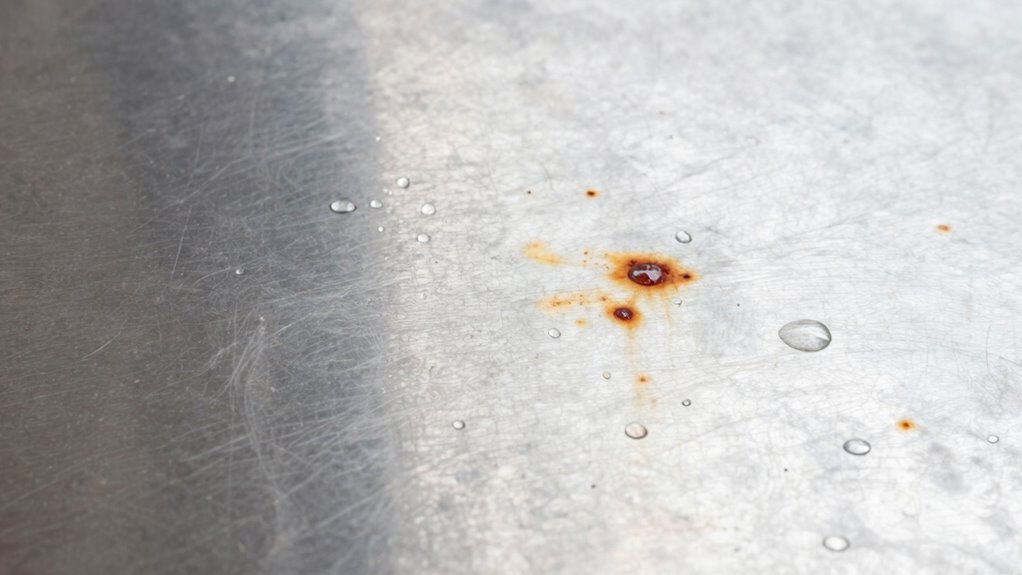
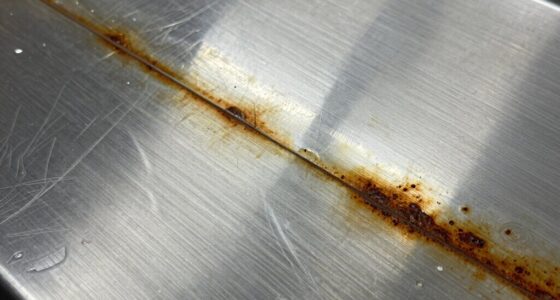
Have you ever wondered what really makes stainless steel so popular and trusted? It’s primarily because of its corrosion resistance, which means it resists rusting better than other metals. But despite this reputation, stainless steel isn’t completely immune to corrosion. Understanding why it can still rust involves looking at how its material variations and environmental factors play a role. The specific alloy composition, including elements like chromium, nickel, and molybdenum, significantly impacts its corrosion resistance. Environmental factors heavily influence whether stainless steel will rust. If the protective oxide layer gets damaged—say, from scratches, abrasive cleaning, or exposure to chemicals—rust can form. This is especially true in environments with high salinity, humidity, or acidic substances, which can accelerate corrosion even in stainless steel. Sometimes, simple things like leaving water on the surface or not cleaning the material regularly can weaken its corrosion resistance. Additionally, improper manufacturing or finishing processes can leave microscopic imperfections or contaminants that compromise the protective layer. These issues can be further exacerbated by environmental exposure, which can undermine even the most durable alloys. Regular maintenance and proper cleaning are crucial to maintaining its integrity and preventing corrosion. contaminants and debris can also trap moisture and promote rust formation. The presence of moisture and oxygen can speed up the rusting process once the protective layer is compromised. Once that layer is compromised, oxygen and moisture can reach the underlying metal, causing rust to develop.
As an affiliate, we earn on qualifying purchases.
Frequently Asked Questions
Can Stainless Steel Rust Even if It’s Labeled Corrosion-Resistant?
Yes, stainless steel can rust even if it’s labeled corrosion-resistant. Surface contamination like dirt or salt can break down the protective oxide layer, leading to corrosion. Additionally, if the steel has damaged or compromised protective coatings, rust can develop. Regular cleaning and maintenance help prevent this, ensuring the surface remains free of contaminants and the protective layer stays intact. Proper care extends the lifespan of your stainless steel.
What Environmental Factors Increase the Risk of Stainless Steel Rusting?
Think of stainless steel as a fortress facing a storm—certain environmental factors can weaken its defenses. Exposure to saltwater, humidity, and acidic or chemical environments accelerates corrosion. These elements promote chemical reactions that break down the steel’s protective layer, making it vulnerable to rust. So, when environmental exposure involves moisture and corrosive substances, your stainless steel is more likely to succumb, despite its reputation for durability.
Does the Grade of Stainless Steel Affect Its Rust Resistance?
Yes, the grade of stainless steel affects its rust resistance. Higher-grade alloys, like 316, contain more nickel and molybdenum, which enhance corrosion resistance. The alloy composition influences how well the steel withstands environmental factors. Additionally, the manufacturing process, including proper finishing and passivation, plays an essential role in preventing rust. So, choosing the right grade and ensuring proper manufacturing can considerably improve stainless steel’s durability against rust.
How Can I Prevent Rust on Stainless Steel Appliances?
Think of your stainless steel appliances like a shielded knight. To prevent rust, regularly clean them with gentle techniques that remove dirt and corrosion. Use a soft cloth and mild soap, avoiding abrasive scrubbers. Applying protective coatings, like a thin layer of mineral oil or specialized stainless steel polish, creates a barrier against moisture. This simple upkeep keeps your appliances shining and rust-free, prolonging their strength and beauty.
Is It Possible to Restore Rusted Stainless Steel to Its Original State?
Yes, you can restore rusted stainless steel to its original state. Start by removing surface coatings like rust with gentle cleaning techniques such as a mixture of baking soda and water or a commercial stainless steel cleaner. Use a soft cloth or brush to scrub the rust carefully, then rinse thoroughly. Afterward, applying a protective surface coating can help prevent future rust. Regular cleaning and maintenance are key to keeping your stainless steel looking new.
As an affiliate, we earn on qualifying purchases.
Conclusion
So, next time you marvel at your shiny stainless steel, remember it’s not invincible. Its resistance to rust is impressive, but not foolproof. Ironically, that gleam might just be its way of hiding the fact that it’s still vulnerable, waiting for the right conditions to rust. So, enjoy your stainless steel, but don’t forget—its beauty can be deceiving. Sometimes, what’s shiny on the surface isn’t as strong as it seems underneath.
As an affiliate, we earn on qualifying purchases.
stainless steel protective coating
As an affiliate, we earn on qualifying purchases.
As an affiliate, we earn on qualifying purchases.
Fall Picks
fall essentials
As an affiliate, we earn on qualifying purchases.