Your confidence with a knife comes mainly from how well it fits your hand, not from flashy features or hype. When a knife’s blade and handle align naturally with your grip, it feels like an extension of your arm, making control easier and reducing fatigue. This secure fit boosts your trust in the tool’s safety and performance. For better control and comfort, focusing on fit is key — and there’s more to discover if you keep exploring.

Get kitchen gear delivered free — and shop member deals
- Fast, free delivery on millions of items
- Access to Prime Big Deal Days deals on October 6–7
- Prime Video, Amazon Music and more included
Key Takeaways
- A well-fitting knife aligns naturally with your hand and movements, enhancing control and reducing hesitation during use.
- Confidence in a knife stems from comfort and ergonomic fit, not marketing claims or brand hype.
- Proper balance and handle design ensure stability, making the knife feel like an extension of your arm.
- Fit minimizes strain and fatigue, allowing for precise, controlled cuts over extended periods.
- Hype cannot replace the trust built through ergonomic design that matches your natural grip and cutting style.
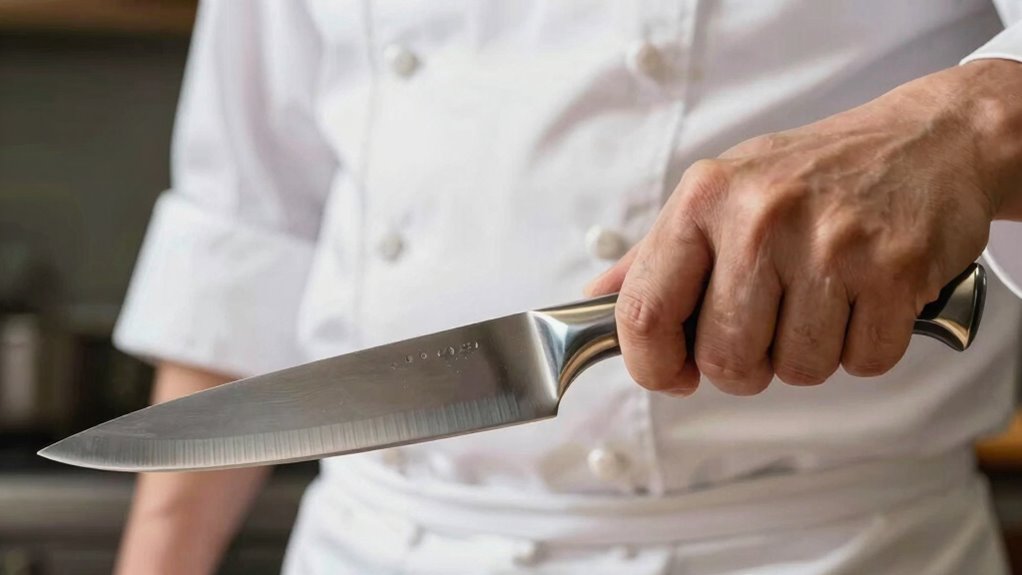
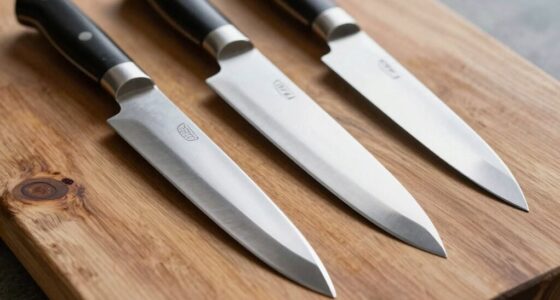
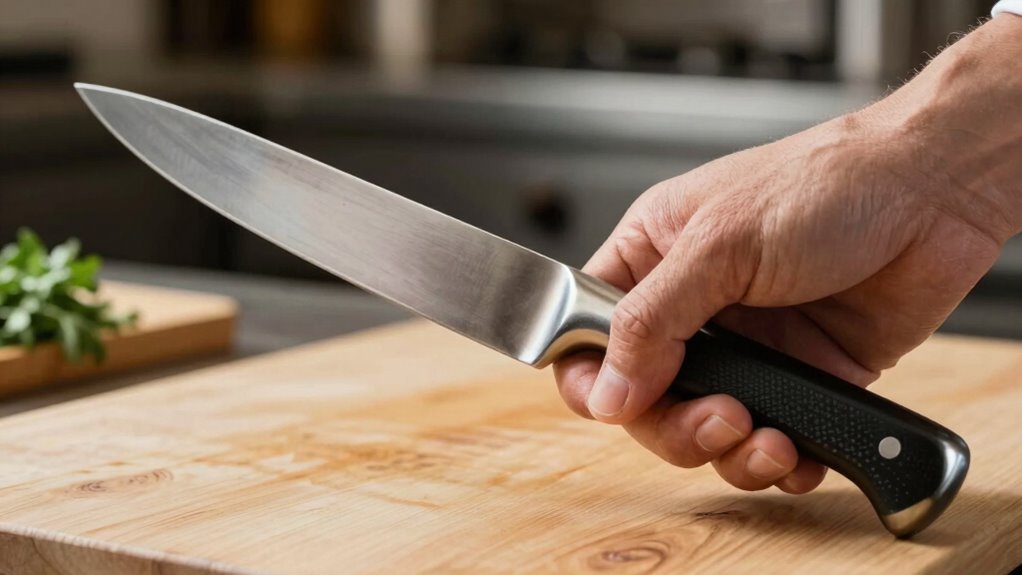
When it comes to choosing a knife, confidence doesn’t come from the latest hype or flashy marketing—it comes from how well the knife fits your hand. The key to feeling secure and in control during any task lies in understanding blade ergonomics and grip comfort. A well-designed knife’s blade ergonomics ensure that your wrist stays neutral, reducing strain and making cutting more efficient. It’s not about the sharpness or fancy features; it’s about how naturally the knife feels as an extension of your hand. If the blade’s shape and angle align with your natural grip, you’ll notice less fatigue and more precise cuts.
A knife’s fit and ergonomics are key to confidence, comfort, and precise, safe cutting.
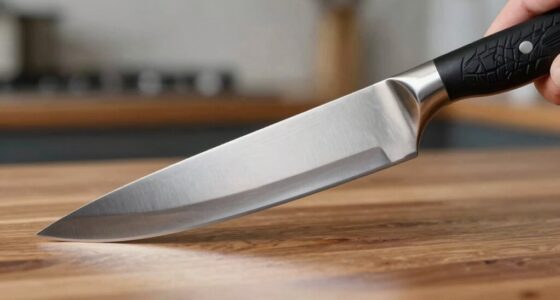
Grip comfort plays a vital role in building confidence. When you hold a knife, you want to feel like it belongs there, as if your hand and the tool are working in harmony. A comfortable grip minimizes slipping and allows you to exert the right amount of pressure without discomfort. If the handle feels awkward or causes pinching, it’s only a matter of time before fatigue sets in or control diminishes. The best knives offer a handle design that fits snugly in your palm, supports your grip, and contours to your hand’s natural shape. This ergonomic fit encourages a more confident, controlled motion with every cut. Additionally, understanding how blade ergonomics influence your performance can help you select tools that truly match your needs. Recognizing the importance of handle design can significantly enhance your overall experience and safety while using your knife. Moreover, considering the balance and weight distribution of a knife can further improve comfort and accuracy during use. A well-balanced knife can also help reduce fatigue over extended periods of work, making it easier to maintain control.
Choosing a knife with the right ergonomic features can make a notable difference in your efficiency and confidence. The importance of blade ergonomics and grip comfort extends beyond comfort alone—it directly influences safety. When a knife fits well, you’re less likely to exert unnecessary force or lose control, reducing the risk of accidents. This is especially crucial if you’re preparing large quantities of food or working with tougher ingredients. A good fit also boosts your confidence because you trust the knife to perform reliably, rather than worry about it slipping or causing injury. When your grip feels secure and your wrist remains in a neutral position, you can focus on precision rather than compensating for a poorly designed handle. Paying attention to handle material and texture can further enhance grip security, especially in humid or greasy conditions.
Ultimately, the secret to confidence isn’t found in the hype surrounding a brand or the price tag. It’s about how the knife feels in your hand—how blade ergonomics and grip comfort align with your natural movements. The best knives are those that feel like an extension of your arm, inspiring trust with every cut. When you choose based on fit rather than marketing tricks, you’ll find yourself more confident, more precise, and more comfortable in the kitchen.
As an affiliate, we earn on qualifying purchases.
Frequently Asked Questions
How Do I Determine the Right Knife Handle Size for Me?
To find the right knife handle size, you should consider ergonomic design and handle balance. Hold the knife comfortably, ensuring your grip feels natural without strain. The handle should fit snugly in your hand, allowing precise control, and be balanced for easy maneuvering. Test different sizes if possible, focusing on how well your fingers wrap around the handle and whether the weight feels evenly distributed for best comfort and confidence.
What Materials Influence a Knife’s Comfort and Grip?
Handle ergonomics and grip materials directly influence your comfort and control. You’ll want handle materials like wood, rubber, or synthetic composites that offer a non-slip grip, reducing fatigue and enhancing safety. The right materials feel natural in your hand, providing a secure grip and reducing strain. When you choose based on handle ergonomics and grip materials, you build confidence and mastery, making every cut precise and enjoyable.
Can a Well-Fitted Knife Improve Overall Cooking Safety?
A well-fitted knife substantially improves your overall cooking safety by enhancing your knife grip, making cuts more precise and controlled. When your knife fits comfortably in your hand, you’re less likely to slip or apply excessive force, reducing accidents. Incorporate proper safety practices like focusing on your grip and cutting technique, especially with a well-fitted knife. This confidence and control help prevent injuries, making your cooking safer and more enjoyable.
How Often Should I Reassess My Knife’s Fit?
Think of your knife as a trusted partner, evolving with your skills. You should reassess its fit whenever your comfort or cutting style changes. Regularly check the ergonomic design and handle texture—especially if you notice discomfort or slipping. Every few months, or after intense use, is a good rule of thumb. A well-fitted knife adapts to you, ensuring safety, precision, and confidence in every slice.
Are Custom Knives Worth the Investment for Confidence?
Yes, custom knives can be worth the investment for confidence, especially if you value knife aesthetics and personalized fit. A custom blade often features superior craftsmanship and a design that perfectly suits your hand, boosting your confidence during use. Plus, a reputable brand reputation guarantees quality and durability. While they cost more, the tailored feel and unique style make custom knives a worthwhile investment for serious enthusiasts.
As an affiliate, we earn on qualifying purchases.
Conclusion
Remember the story of the chef who kept trying flashy, expensive knives but found true confidence when he finally picked one that fit his hand perfectly? Just like that chef, your confidence in a knife grows when it feels right in your grip, not because of hype or price. Think of your knife as an extension of your hand—when it fits, you’ll slice with ease and trust, turning every cut into a smooth, confident motion.
As an affiliate, we earn on qualifying purchases.
As an affiliate, we earn on qualifying purchases.
Fall Picks
fall essentials
As an affiliate, we earn on qualifying purchases.