

To end a prep session safely, you should systematically secure your workspace by organizing tools and leftovers, and double-check storage temperatures for perishables. Properly label partially used ingredients with dates to prevent spoilage. Clean all equipment thoroughly and dry everything well to avoid mold or rust. Document any issues encountered for future improvements. Remaining vigilant helps prevent hidden risks, and if you keep these tips in mind, you’ll master safe, efficient prep cleanups every time.

Get kitchen gear delivered free — and shop member deals
- Fast, free delivery on millions of items
- Access to Prime Big Deal Days deals on October 6–7
- Prime Video, Amazon Music and more included
Key Takeaways
- Clean and sanitize all equipment, utensils, and surfaces thoroughly to prevent cross-contamination and bacterial growth.
- Properly label and store leftover ingredients at correct temperatures to avoid spoilage and pest attraction.
- Conduct a final workspace inspection to identify and address any safety hazards or equipment issues.
- Document any problems encountered and steps taken for future reference and continuous improvement.
- Restock supplies and organize tools to ensure readiness for the next session and maintain workflow efficiency.
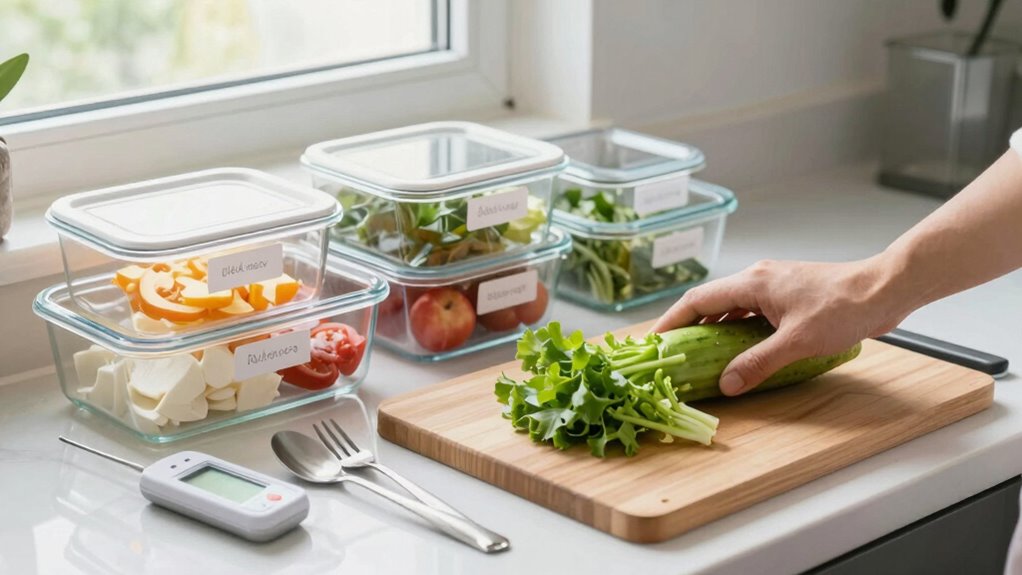
Ending a prep session effectively is essential to guarantee you’re ready for what comes next and that your efforts stay organized. You don’t want to leave behind any hidden risks that could compromise food safety or cause equipment issues later on. Properly winding down involves more than just cleaning up; it’s about creating a safe and efficient environment for future tasks. First, make sure all your food safety protocols are followed. Double-check that perishable items are stored at the correct temperatures in refrigeration or freezer units. This prevents bacteria growth and keeps ingredients fresh for upcoming use. Label any partially used ingredients with dates so you can track their freshness and avoid waste. This attention to detail helps maintain food safety standards and reduces the risk of cross-contamination.
Next, focus on equipment maintenance. Once your prep work is done, clean all utensils, cutting boards, and appliances thoroughly. Use the appropriate cleaning solutions to eliminate bacteria and residues that could cause spoilage or contamination. Pay special attention to blades, graters, and slicers, which can harbor bacteria if not cleaned properly. Dry everything completely before storing to prevent rust and mold. Regular equipment maintenance isn’t just about cleanliness; it extends the lifespan of your tools and ensures they operate safely and efficiently during your next session. If any equipment shows signs of wear or malfunction, make a note to repair or replace it promptly—ignoring small issues can lead to bigger problems later, risking both safety and productivity. Incorporating preventive maintenance practices such as routine inspections can further reduce the likelihood of equipment failure and ensure consistent safety standards. Additionally, adopting biodiversity practices such as using eco-friendly cleaning products can further support sustainable living while maintaining a safe environment. Being aware of electric scooter safety tips can also promote overall safety in your workspace, especially if your prep area involves outdoor or shared spaces. Incorporating proper storage techniques can also help prevent pests and spoilage, maintaining the integrity of your ingredients and tools. Moreover, implementing a regular training program for staff on safety protocols can help reinforce best practices and reduce human errors.
As you finish, tidy your workspace to eliminate clutter, which can be a safety hazard. Organize leftover ingredients and tools so they’re easy to find next time, reducing the chance of misplacing items or using expired products. Check your supplies and restock essentials if needed, so you’re prepared for your next session without delays. Documentation is also key—record any issues encountered or steps taken to address them. This helps you track patterns and improve your prep process over time. Finally, review your cleaning and organization procedures to identify any areas that need improvement. This ongoing process of refinement ensures that you’re consistently upholding food safety and equipment maintenance standards, preventing risks from slipping through the cracks. By ending your prep session with a systematic approach, you set a solid foundation for safe, efficient, and effective food preparation in the future.
As an affiliate, we earn on qualifying purchases.
Frequently Asked Questions
How Can I Ensure All Team Members Are Aligned Before Ending?
You guarantee all team members are aligned before ending by confirming clear communication and conducting a thorough risk assessment. Ask everyone to recap their understanding, clarify any doubts, and identify potential risks. Encourage open dialogue, listen actively, and address concerns promptly. This approach promotes transparency, minimizes miscommunication, and guarantees everyone is on the same page, reducing hidden risks and facilitating a smooth, safe shift out of the prep session.
What Safety Checks Should Be Completed Prior to Wrapping Up?
Before wrapping up, you should conduct a thorough equipment inspection to guarantee everything is properly maintained and stored. Additionally, perform a risk assessment to identify any remaining hazards or issues that could pose safety risks later. These checks confirm that all tools are accounted for, and potential dangers are addressed, helping to prevent accidents or overlooked problems, ensuring a safe and responsible session conclusion.
How Do I Handle Unexpected Issues That Arise at the End?
When unexpected issues pop up at the end, treat them like a sudden storm—stay calm and act swiftly. Use contingency planning to adapt quickly, and conduct a quick risk assessment to prioritize solutions. Communicate clearly with your team about the situation, and document any changes made. This approach helps you handle surprises smoothly, ensuring safety remains your top priority without leaving hidden risks behind.
When Is the Best Time to Debrief After a Prep Session?
You should debrief immediately after the prep session ends. Use this time for a post-session reflection to evaluate what went well and identify any overlooked risks. Encourage team feedback to gather diverse perspectives and improve future preparations. Acting promptly guarantees issues are addressed while fresh, and lessons learned can be incorporated quickly, minimizing hidden risks and enhancing overall safety and effectiveness for subsequent sessions.
How Can I Document Lessons Learned Effectively?
Think of your lessons learned as a lighthouse guiding future teams through foggy risks. To document effectively, you harness clear team communication, capturing insights immediately after each session. Use structured formats like checklists or digital logs to highlight key risk assessments and decisions. This keeps your knowledge accessible, ensuring everyone understands past pitfalls and successes, ultimately strengthening your preparedness and reducing hidden risks in upcoming projects.
As an affiliate, we earn on qualifying purchases.
Conclusion
As you wrap up your prep session, remember to double-check everything—like a trusty knight returning to his castle after a quest. Safeguard all tools, document your progress, and leave no hidden risks behind. Don’t forget to communicate next steps clearly, so everyone’s on the same page. Ending with a sense of calm guarantees your project stays on course. Now, with a nod to the old world, you’re ready to face whatever comes next—prepared and confident.
As an affiliate, we earn on qualifying purchases.
kitchen equipment sanitizing spray
As an affiliate, we earn on qualifying purchases.
As an affiliate, we earn on qualifying purchases.
Halloween Picks
halloween
As an affiliate, we earn on qualifying purchases.