🔍 Read the full analysis: Gnocchi Di Patate: Light, Pillowy, And Absolutely Doable on Mad Tasting
TL;DR
Gnocchi di Patate are traditional Italian potato dumplings known for their light, pillowy texture. They are simple to prepare with minimal ingredients—potatoes, flour, and optionally egg—by following specific techniques. This guide explains how to achieve authentic gnocchi at home, including tips to avoid common pitfalls.
Gnocchi di Patate are gaining popularity among home cooks for their light, pillowy texture, achievable with simple ingredients and techniques. This guide confirms that making authentic gnocchi is accessible for most people, provided they follow specific steps—choosing the right potatoes, handling the dough gently, and cooking properly. The process, once understood, can produce restaurant-quality results on a weeknight, making this traditional Italian dish more approachable than ever.
The core of authentic gnocchi lies in selecting starchy potatoes like Russets or Yukon Golds, which have a dry, fluffy flesh. These should be baked or steamed whole, then mashed while still hot to prevent excess moisture. The mashed potatoes are rice or passed through a food mill, then combined with a minimal amount of flour—typically between 1½ to 2 cups per 2 pounds of potatoes—and optionally an egg, depending on regional tradition. The dough must be handled gently, folded with a bench scraper, and not kneaded, to keep the texture light.
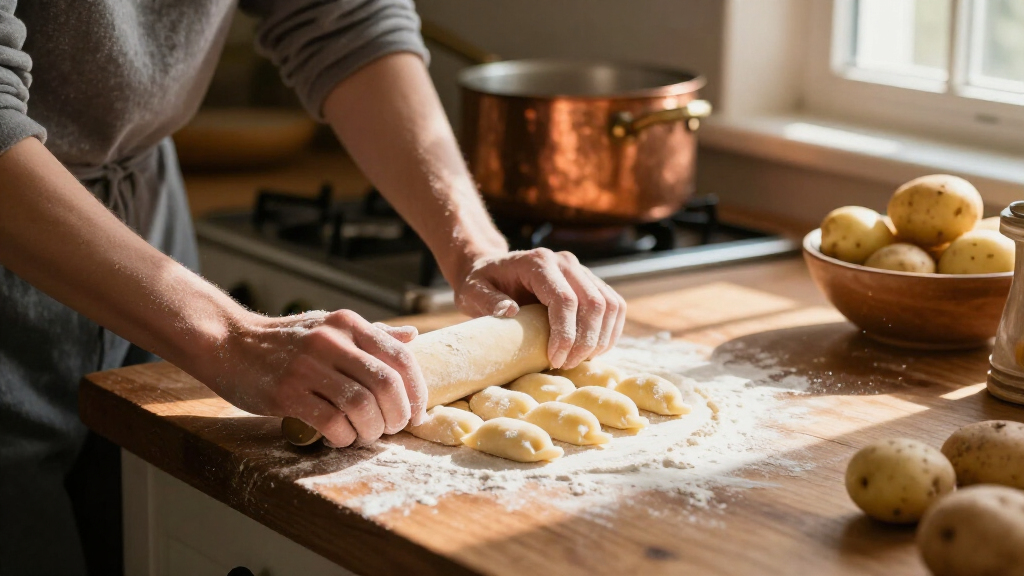
Once the dough is formed, it is rested briefly to relax the gluten. Then, it is rolled into ropes, cut into small pillows, and ridges are pressed into each piece with a fork to help sauce adhere. Cooking is straightforward: drop the gnocchi into salted boiling water, and they are done when they float to the surface—usually within 2-3 minutes. Proper technique results in gnocchi that dissolve on contact, unlike dense, chewy versions caused by overworking or excess flour.
Many regional variations exist, with some recipes including egg for ease of handling, while purists prefer eggless versions for a lighter outcome. Storage tips include refrigerating cooked gnocchi for up to a day or freezing uncooked portions for later use, with safety considerations for food freshness and quality. Common mistakes include using waxy potatoes, over-flouring, or overworking the dough, which lead to dense or gummy gnocchi.
Why Perfect Gnocchi Matter for Home Cooks
Achieving light, fluffy gnocchi at home democratizes a dish often thought to be difficult or time-consuming. It offers a satisfying culinary experience and a taste of authentic Italian cuisine without restaurant prices. Proper technique ensures the dish’s characteristic melt-in-the-mouth quality, making it a favorite for weeknight dinners or special occasions. Additionally, understanding regional differences and ingredient choices enriches the cooking experience and broadens culinary appreciation.
As an affiliate, we earn on qualifying purchases.
Historical Roots and Regional Variations of Gnocchi
Gnocchi have a long history in Italy, with roots in Northern regions like Veneto, Piedmont, and Lombardy, where they are celebrated with festivals and traditional recipes. Originally made from bread, semolina, or chestnut flour, the potato version emerged in the 19th century after potatoes were introduced from the Americas. Today, regional variations include baked semolina gnocchi in Rome (gnocchi alla romana) and ricotta-based gnudi in Tuscany. The dish’s evolution reflects local ingredients and culinary traditions, with each region claiming unique styles and sauces.
“The key to fluffy gnocchi is using starchy potatoes, minimal flour, and handling the dough gently.”
— Mad Tasting
stainless steel food mill for gnocchi
As an affiliate, we earn on qualifying purchases.
As an affiliate, we earn on qualifying purchases.
What Aspects of Gnocchi Making Still Need Clarification
While the basic process is well-established, some details remain debated among cooks, such as the ideal flour-to-potato ratio and whether to include egg. Variations in potato moisture content, humidity, and flour type can influence results, meaning some trial and error may still be necessary for perfect gnocchi. Additionally, regional preferences for sauces and presentation differ, and the best techniques for freezing or storing gnocchi are still being refined by home cooks.
As an affiliate, we earn on qualifying purchases.
Next Steps for Perfecting Your Gnocchi at Home
Home cooks are encouraged to experiment with different potatoes and flour types, adjusting flour gradually and handling dough gently. Trying regional recipes, such as Piedmontese or Veneto styles, can expand culinary skills. Future developments may include detailed guides on sauce pairings and advanced storage techniques. As more people share their results online, community feedback will help refine best practices for making consistently light, fluffy gnocchi.
As an affiliate, we earn on qualifying purchases.
Key Questions
Can I make gnocchi without an egg?
Yes, many traditional recipes omit egg for a lighter texture. Using just potatoes and flour is common, but handling the dough gently is essential to prevent dense gnocchi.
What potatoes are best for gnocchi?
Starchy potatoes like Russets or Yukon Golds are ideal because they have a dry, fluffy flesh that results in light gnocchi. Waxy potatoes tend to produce heavier, gummy results.
How do I know when the gnocchi are cooked?
The gnocchi are ready when they float to the surface of boiling salted water, which typically takes 2-3 minutes after dropping them in.
Can I prepare gnocchi ahead of time?
Yes, cooked gnocchi can be refrigerated for up to a day or frozen uncooked for later use. Proper storage helps maintain their texture and safety.
What sauces go best with gnocchi?
Traditional pairings include browned butter with sage, tomato-based sauces, or creamy gorgonzola. Regional variations influence sauce choices, but simple, flavorful toppings work universally.
Source: Mad Tasting