TL;DR

Get kitchen gear delivered free with Prime
- Fast, free delivery on millions of items
- Prime Video, Amazon Music and more included
- Member-only deals all year
A Good Housekeeping report recommends eight fall and early-winter ingredients for Mediterranean-style meals: butternut squash, lentils, pears, kale, citrus, walnuts, olive oil and pomegranate. The article describes ways to use them and summarizes potential nutrition benefits, but does not report new clinical findings or establish that any one food prevents or treats disease.
Good Housekeeping has published a guide to eight foods to add to Mediterranean-style meals this fall, including butternut squash, lentils, pears, kale, citrus, walnuts, olive oil and pomegranate. The report focuses on seasonal ingredients and practical ways to use them; it is a food guide, not a new clinical study or dietary recommendation issued by a medical organization.
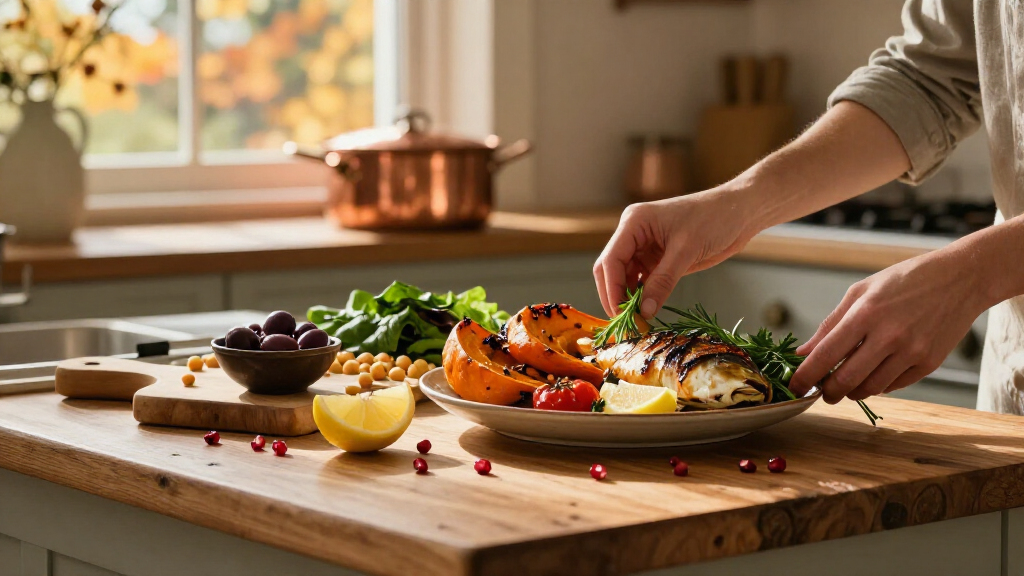
The list combines produce associated with cooler months and pantry staples common in Mediterranean cooking. The report suggests roasting butternut squash with olive oil and herbs, blending it into soup, or adding it to salads and pasta. It describes squash as a source of fiber and vitamins and notes its beta carotene content, an antioxidant nutrient.
Lentils can anchor soups, stews and salads, including a warm salad with roasted root vegetables. They provide plant-based protein, fiber and iron, according to the report. For fruit, it recommends pears fresh or paired with walnuts and feta, and says they provide dietary fiber and vitamin C. Kale can go into soups or stews, be sautéed, or be softened for salads by massaging it with olive oil and lemon juice.
The guide also points to lemons and oranges for flavoring grain, bean and lentil dishes; walnuts for oatmeal, yogurt and salads; and olive oil for cooking or finishing vegetables and stews. Pomegranate seeds, which the report says are in season in late fall and early winter, can add a sweet-tart topping to salads, roasted vegetables, grain bowls or yogurt.
Seasonal Ingredients, Flexible Meals
The guide gives readers specific ways to build fall meals around ingredients that can be combined rather than treated as separate health products. Lemon can brighten a lentil and kale stew, while walnuts or pomegranate seeds can add texture to salads and grain bowls. Olive oil appears both as a cooking fat and a finishing ingredient.
The practical relevance is seasonal and culinary: these foods offer options for warm soups, roasted vegetables and hearty salads as temperatures cool. The article also summarizes nutrients associated with individual foods, but those descriptions should not be read as proof that a particular ingredient will prevent illness or produce a specific health outcome.
Products Worth Considering
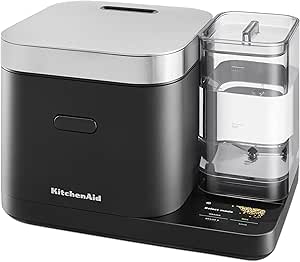
KitchenAid 8-Cup Grain and Rice Cooker with Integrated Scale, Black Matte
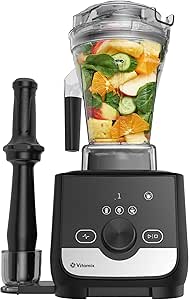
Vitamix Ascent X3 Professional-Grade Blender, 3 Programs, Shadow Black

Weber Genesis E-415 4-Burner Propane Gas Grill, Black
As an affiliate, we earn on qualifying purchases.
A Fall Update to Mediterranean Cooking
The source is Good Housekeeping’s seasonal food report, which frames the selections as additions to a Mediterranean-style eating pattern. The ingredients span produce and staples: squash, pears, kale, citrus and pomegranate alongside lentils, walnuts and olive oil. The article’s emphasis is on seasonal availability and meal ideas, rather than a ranking or a claim that readers must eat all eight foods.
Its timing follows the calendar described in the report: November marks the start of citrus season, while pomegranate is associated with late fall and early winter. The source also offers recipe suggestions, including lentil dishes, roasted pear preparations and salads with squash or orange. Those are examples for readers, not evidence from a controlled nutrition trial.
“Fall is the perfect time to enjoy butternut squash, a fantastic addition to the Mediterranean diet.”
— Stuart, quoted in the Good Housekeeping report
Health Claims Need Qualification
The source summarizes possible health associations, but does not provide study details, effect sizes or evidence that eating these foods will prevent or treat disease. For example, it says some data suggest pears may be linked to heart health and describes potential benefits associated with compounds in citrus, walnuts and olive oil. Those statements are not guarantees of individual outcomes.
The excerpt also does not identify the full names or qualifications of the people quoted, or spell out the research behind several nutrition claims. Readers should not interpret the guide as personalized medical advice. The report does not say how much of each food to eat or set out a complete meal plan.
How to Use the Seasonal List
The article offers recipes and serving ideas rather than a scheduled next announcement or research milestone. Readers can use the list as a menu-planning reference: roast squash and root vegetables, add lentils to soups, pair pears with walnuts, and use lemon or orange to brighten savory dishes. The report’s seasonal cues place citrus at the start of its season in November and pomegranate in late fall and early winter.
No further evidence or update is included in the supplied material. Any stronger claims about disease prevention, treatment or the effects of a specific eating pattern would require additional attributable research beyond this seasonal guide.
Key Questions
Which foods does the fall guide recommend?
Good Housekeeping lists butternut squash, lentils, pears, kale, lemons and oranges, walnuts, olive oil and pomegranate as options for Mediterranean-style fall meals.
How can I add lentils to a fall meal?
The report suggests using lentils in soups, stews and salads, including a warm salad with roasted root vegetables. It also describes lentils as a source of plant-based protein, fiber and iron.
Are the foods proven to prevent disease?
The guide summarizes nutrients and potential health associations, but it does not establish that these foods prevent or treat disease. Several claims are presented as possible associations, not guaranteed effects.
When are citrus and pomegranates in season?
The report says citrus season begins in November and pomegranates are in season in late fall and early winter.
Source: goodhousekeeping.com