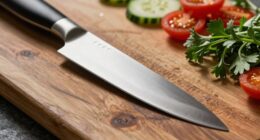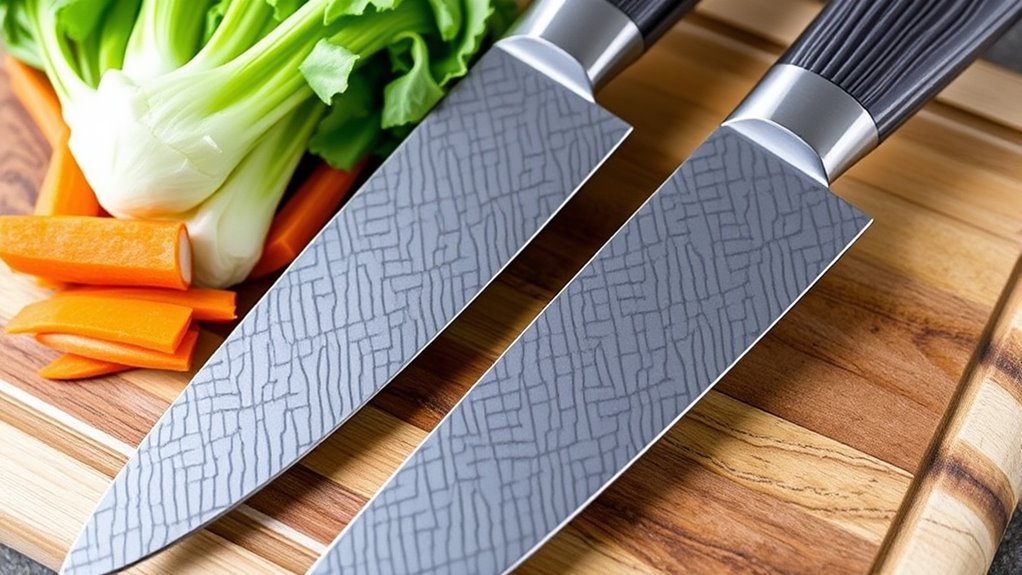

If you’re searching for a bunka knife for vegetables, you’re likely after a versatile, sharp knife that handles all your produce prep with precision. The Miyabi Kaizen II 6.5-inch Bunka Knife stands out as the best overall, offering a balanced combination of sharpness and craftsmanship. For those on a budget, the Misen 6-Inch Bunka Knife provides excellent value without sacrificing performance, while the Enso HD 7-inch Bunka Knife appeals to enthusiasts seeking premium materials and a handcrafted feel. The main tradeoffs in this category revolve around price versus quality, blade versatility versus specialization, and ease of maintenance. Keep reading to see how these options compare and which one suits your specific needs.

Get kitchen gear delivered free — and shop member deals
- Fast, free delivery on millions of items
- Access to Prime Big Deal Days deals on October 6–7
- Prime Video, Amazon Music and more included
Complete the kit


Key Takeaways
- The top-ranked bunka knives balance premium steel quality with ergonomic handles for comfortable, precise cutting.
- Price varies significantly, with higher-end models offering better edge retention and craftsmanship, but not always necessary for casual use.
- Blade length impacts versatility; 6.5 to 7 inches often hits the sweet spot for vegetable prep without sacrificing control.
- Materials like VG10 and Aogami #2 steel provide superior sharpness and durability, but require careful maintenance.
- Ease of sharpening and maintenance should influence your choice—stainless steels tend to be easier to care for than carbon steels.
| Miyabi Kaizen II 6.5-inch Bunka Knife |  | Best Overall for Craftsmanship and Precision | Blade Length: 6.5 inches | Steel Core: FC61 super steel | Layers of Steel: 48 layers of Damascus | VIEW ON AMAZON | See Our Full Breakdown |
| Miyabi Mizu SG2 6.5″ Bunka Knife |  | Best for Versatility and Edge Retention | Blade Length: 6.5 inches | Steel Type: SG2 Micro-Carbide Powder Stainless Steel | Hardness: 63 Rockwell | VIEW ON AMAZON | See Our Full Breakdown |
| Misen 6-Inch Bunka Knife – High-Carbon Stainless Steel, Rust-Proof Kitchen Utility with Triangular Tip, Ergonomic Handle – Blue |  | Best for Everyday Use and Ease of Maintenance | Blade Length: 6 inches | Material: AICHI ACUTO440 High-Carbon Stainless Steel | Color: Blue | VIEW ON AMAZON | See Our Full Breakdown |
| KOTAI Bunka Petty Utility Kitchen Knife, 5.5-inch Blade |  | Best for Light Utility and Precision Tasks | Blade Length: 5.5 inches | Material: 440C Japanese stainless steel | Finish: Hammered tsuchime | VIEW ON AMAZON | See Our Full Breakdown |
| DRGSKL 7-Inch Santoku Knife – Japanese Chef Knife for Fish and Vegetables |  | Best for Versatile Daily Use with Durability | Blade Length: 7 inches | Steel Type: ATS-34 | Construction: Full tang | VIEW ON AMAZON | See Our Full Breakdown |
| YOSHIDAHAMONO Bunka Knife 190mm, Aogami #2, Zelkova Handle, Japan |  | Best Overall for Precision and Traditional Craftsmanship | Blade Length: 190 mm | Steel Type: Aogami #2 carbon steel | Hardened: HRC 62-64 | VIEW ON AMAZON | See Our Full Breakdown |
| Misen 6-Inch Bunka Knife – High-Carbon Stainless Steel, Rust-Proof Kitchen Utility with Triangular Tip |  | Best Value for Versatility and Ease of Maintenance | Blade Length: 6 inches | Material: AICHI ACUTO440 High-Carbon Stainless Steel | Blade Type: Straight belly with triangular tip | VIEW ON AMAZON | See Our Full Breakdown |
| Enso HD 7″ Bunka Knife – Made in Japan – VG10 Hammered Damascus Stainless Steel |  | Best Premium for Artisanal Craftsmanship and Durability | Blade Length: 7 inches | Blade Height: 2 inches | Overall Length: 12.25 inches | VIEW ON AMAZON | See Our Full Breakdown |
| Kimura Kiritsuke Knife, Made in Japan, 8 inch Professional Chef Knife |  | Best for Versatility and Professional Quality | Blade Length: 8 inches | Material: High Carbon Chrome Molybdenum Stainless Steel | Made in: Japan | VIEW ON AMAZON | See Our Full Breakdown |
| HOSHANHO 7 Inch Nakiri Knife, Ultra Sharp Japanese Kitchen Chef Knife |  | Best for Precision Vegetable Chopping | Blade Length: 7 inches | Material: Japanese 10Cr15CoMoV high carbon stainless steel | Blade Hardness: 60 HRC | VIEW ON AMAZON | See Our Full Breakdown |
| Imarku 7 Inch Santoku Knife with High Carbon Stainless Steel |  | Best Overall for Versatile Kitchen Use | Blade Length: 7 inches | Material: Japanese high carbon stainless steel | Edge Angle: 15-18 degrees per side | VIEW ON AMAZON | See Our Full Breakdown |
| KOTAI Bunka Santoku Knife 6.7-inch Blade – Japanese Stainless Steel, Hand Hammered Finish, Ebony Wood Handle |  | Best for Craftsmanship and Aesthetic Appeal | Blade Length: 6.7 inches | Material: Japanese 440C stainless steel | HRC: 60 ± 1 | VIEW ON AMAZON | See Our Full Breakdown |
| bunka knife for vegetable | Blade Length | Handle Material | Material |
|---|---|---|---|
| Miyabi Kaizen II 6.5-inch Bunk | 6.5 inches | Black pakkawood | — |
| Miyabi Mizu SG2 6.5" Bunka Kni | 6.5 inches | Micarta | — |
| Misen 6-Inch Bunka Knife | 6 inches | — | AICHI ACUTO440 High-Carbon Stainless Steel |
| KOTAI Bunka Petty Utility Kitc | 5.5 inches | Ebony wood | 440C Japanese stainless steel |
| DRGSKL 7-Inch Santoku Knife | 7 inches | Walnut wood | — |
| YOSHIDAHAMONO Bunka Knife 190m | 190 mm | Zelkova (Keyaki) | — |
| Misen 6-Inch Bunka Knife | 6 inches | — | AICHI ACUTO440 High-Carbon Stainless Steel |
| Enso HD 7" Bunka Knife | 7 inches | — | VG10 37-layer Damascus stainless steel |
| Kimura Kiritsuke Knife | 8 inches | POM Resin | High Carbon Chrome Molybdenum Stainless Steel |
| HOSHANHO 7 Inch Nakiri Knife | 7 inches | Pakkawood | Japanese 10Cr15CoMoV high carbon stainless steel |
| Imarku 7 Inch Santoku Knife wi | 7 inches | Pakkawood | Japanese high carbon stainless steel |
| KOTAI Bunka Santoku Knife 6.7- | 6.7 inches | Ebony wood | Japanese 440C stainless steel |
More Details on Our Top Picks
Miyabi Kaizen II 6.5-inch Bunka Knife
The Miyabi Kaizen II Bunka Knife stands out for its exceptional combination of Japanese craftsmanship and modern durability. Its FC61 steel core layered with 48 Damascus layers provides a sharp, resilient edge that outperforms many standard stainless options. The traditional Honbazuke hand-honing ensures precise cutting, making it ideal for detailed vegetable prep. Compared with the Miyabi Mizu SG2, this model offers a slightly softer steel (61 vs. 63 Rockwell), which means it might require more careful maintenance to keep its edge. Its darkened Damascus pattern adds aesthetic appeal, but the premium price tag makes it less accessible for casual cooks. The D-shaped pakkawood handle offers comfort but might not suit users preferring Western-style grips. This pick is perfect for serious home chefs or professionals who prioritize longevity and craftsmanship, willing to invest in maintenance.
Pros:- Exceptional sharpness and durability from FC61 steel and Damascus layering
- Hand-honed with traditional techniques for precise edge retention
- Ergonomic, comfortable pakkawood handle with excellent grip
- Beautiful Damascus pattern enhances visual appeal
Cons:- Premium price may be prohibitive for some users
- Requires careful maintenance to prevent corrosion and preserve sharpness
- Handle design may not suit those preferring Western-style knives
Best for: Experienced cooks and collectors valuing Japanese craftsmanship and blade longevity
Not ideal for: Casual home cooks or those seeking a budget-friendly, low-maintenance knife
- Blade Length:6.5 inches
- Steel Core:FC61 super steel
- Layers of Steel:48 layers of Damascus
- Hardness:61 Rockwell
- Hardened:Double ice-hardened FRIODUR
- Handle Material:Black pakkawood
- Origin:Seki, Japan
Our verdict“This knife suits those who want a beautifully crafted, highly durable vegetable knife and are prepared for ongoing maintenance.”
Miyabi Mizu SG2 6.5″ Bunka Knife
The Miyabi Mizu SG2 Bunka Knife offers a highly versatile blade with a flat edge and angled tip, making it excellent for precise vegetable slicing and chopping. Its high-quality SG2 micro-carbide powder stainless steel grants outstanding sharpness and edge retention, outperforming softer steels like AICHI ACUTO440 in durability. The Tsuchime hammered Damascus finish reduces sticking, improving efficiency during prep. Compared to the Miyabi Kaizen II, the Mizu SG2 has a higher hardness (63 vs. 61 Rockwell), which means it can hold an edge longer but may chip if mishandled. Its Micarta handle adds durability and comfort, but some users find it less traditional than pakkawood. This knife is well-suited for serious home cooks or chefs who want a reliable, low-maintenance vegetable blade that handles detailed work smoothly.
Pros:- Excellent edge retention from SG2 steel and Honbazuke sharpening
- Versatile blade suited for slicing, chopping, and detailed prep
- Comfortable, durable Micarta handle with decorative elements
- Hammered Damascus finish reduces food sticking
Cons:- Higher price point due to premium steel and craftsmanship
- Handle style may not appeal to traditionalists
- Requires careful storage to prevent chipping in high-hardness steel
Best for: Cooks seeking a highly durable, versatile vegetable knife with long-lasting sharpness
Not ideal for: Beginners or those preferring traditional Japanese handle styles
- Blade Length:6.5 inches
- Steel Type:SG2 Micro-Carbide Powder Stainless Steel
- Hardness:63 Rockwell
- Handle Material:Micarta
- Origin:Seki, Japan
- Blade Finish:Tsuchime hammered Damascus
Our verdict“Ideal for those who want a high-performance vegetable knife that combines versatility with long-lasting sharpness and durability.”
Misen 6-Inch Bunka Knife – High-Carbon Stainless Steel, Rust-Proof Kitchen Utility with Triangular Tip, Ergonomic Handle – Blue
The Misen 6-Inch Bunka Knife offers a practical solution for everyday vegetable prep with its high-carbon stainless steel AICHI ACUTO440, ensuring good edge retention and rust resistance. Its triangular tip enhances precision for detailed cuts, while the ergonomic handle provides a comfortable grip during extended use. Compared with more traditional Japanese knives like Miyabi models, the Misen focuses on ease of maintenance and affordability, making it accessible for home cooks. However, its 6-inch size might feel limiting for users accustomed to larger blades, and the vibrant blue handle, while stylish, may not match all kitchens. This pick makes sense for busy households seeking a reliable, low-fuss vegetable knife that handles variety without fuss.
Pros:- Good edge retention and rust resistance from high-carbon stainless steel
- Triangular tip adds precision for detailed vegetable slicing
- Ergonomic handle for comfortable, prolonged use
- Affordable price point for everyday kitchen needs
Cons:- Limited to 6 inches, may not suit all tasks or hand sizes
- Color may not match all aesthetic preferences
- Requires careful handling to avoid chipping or dulling
Best for: Home cooks who prioritize affordability, ease of cleaning, and daily vegetable prep
Not ideal for: Professional chefs or those needing a larger or more traditional knife for detailed work
- Blade Length:6 inches
- Material:AICHI ACUTO440 High-Carbon Stainless Steel
- Color:Blue
- Included Components:Knife
Our verdict“This knife is perfect for daily vegetable prep in busy kitchens seeking a balance of performance and low maintenance.”
KOTAI Bunka Petty Utility Kitchen Knife, 5.5-inch Blade
The KOTAI Bunka Petty Utility Knife excels in tasks requiring finesse, thanks to its 5.5-inch Japanese 440C stainless steel blade with a hammered tsuchime finish. Its compact size makes it ideal for trimming, peeling, and detailed vegetable work where precision is key. Compared with larger knives like the Miyabi Mizu or Miyabi Kaizen II, the KOTAI excels in control and maneuverability, but its smaller blade limits its use for bulk chopping. The full hidden tang and ergonomic ebony handle provide a secure, comfortable grip, though it demands careful hand washing to preserve the finish and integrity. This knife is best suited for cooks who need a dedicated tool for small, precise tasks rather than general vegetable prep.
Pros:- High-quality Japanese stainless steel with excellent edge retention
- Hammered finish reduces sticking and drag during slicing
- Ergonomic ebony handle offers comfort and control
- Includes bamboo sheath and storage box for safekeeping
Cons:- Limited to light tasks due to small size
- Requires hand washing to avoid corrosion and preserve finish
- Handle may need maintenance to prevent drying or cracking
Best for: Cooks who need a precise, lightweight utility knife for detailed vegetable trimming
Not ideal for: Users seeking a larger, all-purpose vegetable knife or heavy-duty chopping
- Blade Length:5.5 inches
- Material:440C Japanese stainless steel
- Finish:Hammered tsuchime
- Handle Material:Ebony wood
- Includes:Bamboo sheath and storage box
Our verdict“This knife is best for those needing precise, small-scale vegetable trimming and peeling tasks with easy control.”
DRGSKL 7-Inch Santoku Knife – Japanese Chef Knife for Fish and Vegetables
The DRGSKL 7-Inch Santoku Knife offers a generous blade length suited for a variety of kitchen tasks, especially slicing vegetables with ease. Its ATS-34 steel, forged with traditional craftsmanship, delivers a sharp edge that resists dulling, making it a reliable choice for everyday use. The dual-tech black shield coating adds durability and simplifies cleaning, a feature that sets it apart from uncoated alternatives like the Miyabi Kaizen II. Compared to the Miyabi Mizu SG2, the ATS-34 steel may require more frequent honing but offers easier maintenance with less chipping risk. Its ergonomic walnut handle enhances control, though some may find its size slightly less precise for detailed vegetable work. This knife works best for cooks who want a versatile, durable, and easy-to-maintain vegetable knife for daily routines.
Pros:- Durable ATS-34 steel with high sharpness and edge retention
- Dual-Tech coating prolongs knife life and eases cleaning
- Ergonomic walnut handle provides comfortable control
- Ideal size for versatile slicing and dicing
Cons:- Hand wash recommended to preserve coating and steel condition
- Shorter blade may require more precision for delicate work
- Coating might wear over time with heavy use
Best for: Home cooks seeking a durable, versatile all-rounder for vegetables and general kitchen tasks
Not ideal for: Cooks who prefer traditional Japanese handles or specialized vegetable knives with smaller blades
- Blade Length:7 inches
- Steel Type:ATS-34
- Construction:Full tang
- Handle Material:Walnut wood
- Coating:Dual-Tech Black Shield
Our verdict“This Santoku is a reliable, versatile choice for everyday vegetable prep with durability and ease of maintenance in mind.”
YOSHIDAHAMONO Bunka Knife 190mm, Aogami #2, Zelkova Handle, Japan
This YOSHIDAHAMONO Bunka Knife excels in delivering razor-sharp, long-lasting edges thanks to its Aogami #2 carbon steel, making it ideal for detailed vegetable cuts. Compared to the Misen 6-Inch Bunka Knife, its larger 190mm blade offers more control for intricate work, though it requires more maintenance—hand washing and oiling—to prevent patina and corrosion. The traditional Zelkova handle balances comfort with a natural grip, but the steel’s hardness risks chipping if mishandled. This pick is best suited for seasoned home chefs or professionals valuing craftsmanship and edge longevity, willing to invest time in upkeep. It’s less ideal for casual users who prefer low-maintenance tools or need a dishwasher-safe option.
Pros:- Exceptional sharpness and edge retention with Aogami #2 steel
- Lightweight and balanced for precise control
- Traditional Zelkova handle offers natural grip and comfort
Cons:- Requires careful maintenance—hand washing and oiling to prevent patina
- Sharpening needs a whetstone; ceramic rods are unsuitable
- Hard steel can chip if dropped or mishandled
Best for: Experienced cooks who appreciate traditional Japanese steel and fine control
Not ideal for: Casual users or those seeking low-maintenance, dishwasher-safe knives
- Blade Length:190 mm
- Steel Type:Aogami #2 carbon steel
- Hardened:HRC 62-64
- Handle Material:Zelkova (Keyaki)
- Overall Length:13.2 inches (33.5 cm)
- Weight:5.5 oz (156 g)
Our verdict“Ideal for experienced users prioritizing craftsmanship and precision, willing to handle maintenance challenges.”
Misen 6-Inch Bunka Knife – High-Carbon Stainless Steel, Rust-Proof Kitchen Utility with Triangular Tip
The Misen 6-Inch Bunka Knife offers a practical blend of high-carbon stainless steel with excellent edge retention and rust resistance, making it a versatile choice for everyday vegetable prep. While its 6-inch blade limits its use for larger, heavy-duty tasks compared to the 7-inch Enso HD, it excels in precision and ease of cleaning, especially since it’s dishwasher safe. The ergonomic handle enhances comfort during extended use, making it ideal for home cooks who want reliable performance without fuss. However, its smaller size might feel restrictive for those used to larger blades, and careful handling is needed to preserve its sharpness over time. This knife is best for cooks seeking a dependable, low-maintenance vegetable cutter that can handle multiple kitchen tasks.
Pros:- Excellent edge retention reduces sharpening frequency
- Rust-proof and dishwasher safe for easy maintenance
- Ergonomic handle provides comfortable grip for extended use
Cons:- Limited to 6-inch size, less suited for big chopping tasks
- Requires careful handling to prevent dulling
- Not ideal for heavy or dense vegetables
Best for: Home cooks who want a balanced, durable, and easy-care vegetable knife
Not ideal for: Cooks requiring a larger blade for heavy-duty chopping or professional chefs needing specialized tools
- Blade Length:6 inches
- Material:AICHI ACUTO440 High-Carbon Stainless Steel
- Blade Type:Straight belly with triangular tip
- Handle:Ergonomic
- Dishwasher Safe:Yes
- Rust Resistance:Yes
Our verdict“Perfect for everyday use by home cooks valuing low-maintenance, reliable performance in a compact size.”
Enso HD 7″ Bunka Knife – Made in Japan – VG10 Hammered Damascus Stainless Steel
The Enso HD 7″ Bunka Knife stands out with its handcrafted VG10 Damascus steel, combining beauty with performance. Its 7-inch blade with a hammered finish improves food release and adds aesthetic appeal, making it suitable for both professional and serious home chefs. Compared to the HOSHANHO Nakiri, its double-bevel edge and longer blade provide more versatility across a range of vegetables and other ingredients. The high-quality steel and craftsmanship come with a higher price point, and the handle, made from canvas Micarta, may feel less traditional or ergonomic to some users. This knife is best for those who value artistry, durability, and are willing to invest in a visually stunning, high-performance piece that can handle daily use.
Pros:- High-quality VG10 Damascus steel for excellent edge retention
- Handcrafted in Japan with a lifetime warranty
- Beautiful hammered finish reduces food sticking
Cons:- Premium price may be prohibitive for casual users
- Requires careful maintenance to preserve finish
- Handle may be less ergonomic for prolonged use
Best for: Professional chefs and collectors seeking a durable, handcrafted Japanese knife
Not ideal for: Casual cooks or those on a tight budget, due to its premium price and maintenance needs
- Blade Length:7 inches
- Blade Height:2 inches
- Overall Length:12.25 inches
- Hardness:Rockwell 61°
- Material:VG10 37-layer Damascus stainless steel
- Handle:Black canvas micarta
Our verdict“An excellent choice for serious cooks and collectors prioritizing craftsmanship and durability over budget considerations.”
Kimura Kiritsuke Knife, Made in Japan, 8 inch Professional Chef Knife
The Kimura Kiritsuke Knife combines the elegance of a traditional Japanese design with exceptional versatility, thanks to its 8-inch blade crafted from high carbon chrome molybdenum stainless steel. Its full tang and forged construction ensure strength, while the ergonomic POM resin handle offers a comfortable, non-slip grip. Compared to the HOSHANHO Nakiri, it’s more suited for a variety of tasks beyond vegetable prep, including slicing meats and fruits, making it a flexible choice for professional kitchens. The larger size might be unwieldy for beginners or those with smaller hands, and maintaining the fine edge requires proper sharpening. It’s best for chefs and serious home cooks seeking a multi-purpose, durable tool that can handle diverse kitchen tasks with precision.
Pros:- High-quality Japanese steel with excellent edge retention
- Ergonomic, non-slip handle ensures comfort during extended use
- Versatile design suitable for slicing meats, vegetables, and fruits
Cons:- Higher price point may be a barrier for some
- Requires proper sharpening to maintain edge
- Size could be unwieldy for small or inexperienced users
Best for: Professional chefs or advanced home cooks needing a versatile, high-quality Japanese knife
Not ideal for: Beginners or those with small hands who prefer smaller or more specialized knives
- Blade Length:8 inches
- Material:High Carbon Chrome Molybdenum Stainless Steel
- Made in:Japan
- Handle Material:POM Resin
- Blade Type:Kiritsuke, double bevel
- Warranty:Lifetime
Our verdict“A top-tier, versatile knife perfect for experienced cooks demanding durability and multi-tasking capability.”
HOSHANHO 7 Inch Nakiri Knife, Ultra Sharp Japanese Kitchen Chef Knife
The HOSHANHO 7″ Nakiri Knife is designed for vegetable prep, featuring a high-carbon stainless steel blade ground to a 15-degree angle for sharp, effortless cuts. Its scallop-shaped hollow edges help prevent sticking, making it an excellent choice for precise vegetable chopping. Compared to the YOSHIDAHAMONO Bunka, its thinner blade and specialized edge make it more suited for delicate slicing and julienning, though it’s less versatile for other tasks. The pakkawood handle offers comfort, but care must be taken to prevent slipping when wet, and the high carbon steel requires regular cleaning and oiling to prevent rust. This knife is ideal for home cooks who focus heavily on vegetable prep and want a stylish, sharp tool that’s easy to handle.
Pros:- Ultra-sharp 15-degree edge for precise cuts
- Ergonomic pakkawood handle for comfort
- Non-stick scallop-shaped hollow design reduces food sticking
Cons:- Requires hand wash and regular oiling to prevent rust
- Handle may be slippery when wet
- High carbon steel needs maintenance to prevent corrosion
Best for: Home cooks who prioritize precise, effortless vegetable slicing and are comfortable with maintenance
Not ideal for: Casual users or those seeking a low-maintenance, dishwasher-safe knife
- Blade Length:7 inches
- Material:Japanese 10Cr15CoMoV high carbon stainless steel
- Blade Hardness:60 HRC
- Handle Material:Pakkawood
- Edge Angle:15 degrees
Our verdict“Ideal for vegetable enthusiasts who want a precise, stylish knife that rewards careful maintenance.”
Imarku 7 Inch Santoku Knife with High Carbon Stainless Steel
This 7-inch santoku from Imarku stands out for its combination of sharpness, durability, and ergonomic design, making it a versatile choice for vegetable prep. Compared to the KOTAI Bunka, it offers a slightly larger blade and a more traditional santoku shape, which can be more comfortable for slicing larger vegetables. Its hollow edge design enhances cutting efficiency by reducing sticking, a feature not as prominent in the KOTAI model. However, the handle might become slippery when wet, and it requires careful maintenance to prevent rust, especially since it’s crafted from high carbon steel. This pick is ideal for home cooks and professionals seeking a reliable, all-around vegetable knife, but those who prefer low-maintenance tools might find it less suitable.
Pros:- Sharp, durable blade suitable for slicing, dicing, and mincing
- Ergonomic handle reduces wrist tension and enhances comfort
- Hollow edge prevents food from sticking to the blade
- Attractive gift box makes it suitable for gifting
Cons:- Handle may be slippery when wet, affecting grip security
- Requires careful cleaning and drying to prevent rusting
Best for: Home cooks and professional chefs who want a reliable, versatile vegetable knife with a comfortable grip and sharp edge
Not ideal for: Users who prefer low-maintenance knives or those working in very humid environments where rust is a concern
- Blade Length:7 inches
- Material:Japanese high carbon stainless steel
- Edge Angle:15-18 degrees per side
- Handle Material:Pakkawood
- Thickness:2.5mm
- Design:Hollow edge, scalloped
Our verdict“This santoku offers excellent performance for those seeking versatility and comfort, provided they’re willing to maintain it properly.”
KOTAI Bunka Santoku Knife 6.7-inch Blade – Japanese Stainless Steel, Hand Hammered Finish, Ebony Wood Handle
The KOTAI Bunka Santoku with its 6.7-inch blade emphasizes craftsmanship, featuring a hand hammered Tsuchime finish that reduces sticking during vegetable prep. Compared to the Imarku, it offers a slightly shorter blade and a more traditional bunka shape, which can be ideal for precise, controlled cuts on smaller vegetables. Its high-quality Japanese 440C steel ensures excellent edge retention, but this also means it demands more attentive care—hand washing and prompt drying are necessary to prevent corrosion, especially compared to the low-maintenance Imarku. The ebony wood handle adds a touch of elegance but might be less comfortable for prolonged use compared to softer grips. This knife suits more experienced cooks or collectors who value artistry and sharpness, but it’s less practical for those seeking low-maintenance tools.
Pros:- Exceptional sharpness and edge retention from high-quality steel
- Reduces sticking with hammered Tsuchime finish
- Ergonomic ebony wood handle provides a comfortable grip
- Includes bamboo saya and attractive gift box
Cons:- Requires meticulous hand washing and drying to prevent corrosion
- Higher price point due to handcrafted quality and materials
- Handle may be less comfortable for extended use compared to synthetic grips
Best for: Experienced cooks or collectors who appreciate artisanal craftsmanship and high-performance steel in a vegetable knife
Not ideal for: Casual users or those seeking low-maintenance, dishwasher-safe options for daily vegetable prep
- Blade Length:6.7 inches
- Material:Japanese 440C stainless steel
- HRC:60 ± 1
- Finish:Tsuchime (Hammered)
- Handle Material:Ebony wood
- Includes:Bamboo saya and gift box
Our verdict“This bunka excels in craftsmanship and cutting precision, best suited for enthusiasts who prioritize quality and aesthetics over low-maintenance convenience.”

How We Picked
To determine the best bunka knives for vegetables, we evaluated each product based on key criteria: blade quality, edge retention, handle ergonomics, versatility for vegetable prep, and overall craftsmanship. We also considered value for money, ease of maintenance, and user reviews to gauge real-world performance. This ranking reflects a balanced approach—prioritizing tools that offer durability and precision while remaining accessible to a range of cooks. Knives that excelled in multiple categories scored higher, with a preference for those that combined sharpness, comfort, and build quality effectively.Factors to Consider When Choosing Bunka Knife For Vegetables
Choosing the right bunka knife for vegetables involves considering several factors that impact your prep experience. While many models look similar, their performance and usability can vary greatly. Understanding these nuances helps you avoid common pitfalls and select a knife that truly fits your cooking style and maintenance preferences. Here are some key considerations to keep in mind before making your purchase.Blade Material and Steel Type
The steel used in a bunka knife significantly affects its sharpness, durability, and ease of sharpening. High-carbon steels like Aogami #2 or VG10 are known for holding a keen edge longer but may require more maintenance to prevent rust. Conversely, stainless steels like 440C or molybdenum stainless steel offer easier upkeep but may not stay sharp as long. Your choice depends on how much effort you’re willing to put into maintenance versus performance needs.
Blade Length and Shape
Blade length influences control and versatility. A 6.5-inch blade like the Miyabi Kaizen II is nimble for detailed vegetable work, while a slightly longer 7-inch blade offers more chopping power and surface area. The shape of the blade—whether more pointed or broader—also affects how comfortably you can handle different cuts. Consider your typical prep tasks and storage space when selecting size.
Handle Design and Ergonomics
A comfortable handle reduces fatigue during longer prep sessions and enhances control. Japanese-style handles often feature wood or composite materials with ergonomic contours. Hammered or textured finishes can improve grip, especially if your hands are wet. Avoid handles that feel awkward or overly slim, as they can diminish precision and comfort over time.
Maintenance and Sharpening
Some steels require more frequent sharpening or specific honing techniques. High-carbon steels tend to be sharper initially but are more prone to rust and staining. Stainless steels are more forgiving but might need more frequent honing to maintain their edge. Factor in your willingness to learn sharpening techniques or the availability of professional services when choosing a steel type.
Price and Value
Quality bunka knives vary widely in price, from budget-friendly options to premium handcrafted blades. Higher prices typically reflect superior materials, craftsmanship, and edge retention. However, a more expensive knife isn’t always necessary for casual cooking. Balance your budget with your expected usage and maintenance willingness to find the best value for your needs.
Frequently Asked Questions
Can I use a bunka knife for slicing other ingredients besides vegetables?
Absolutely. While the bunka knife excels at vegetable prep, its versatile shape and sharp edge also make it suitable for slicing meats, fish, and herbs. Its pointed tip allows for precise work, and the wide blade offers good control for various cutting techniques. However, if you frequently prepare large cuts of meat, a chef’s knife might be more appropriate for heavy-duty tasks.
How often should I sharpen my bunka knife?
The sharpening frequency depends on usage and steel quality. High-carbon steels may need sharpening every few weeks with regular use, especially if cutting hard vegetables. Stainless steels tend to hold their edge longer but still benefit from honing every few uses to maintain performance. Proper honing and correct cutting techniques also extend the time between sharpenings.
Is a higher price always better for a bunka knife?
Not necessarily. Higher-priced models often feature premium steels, craftsmanship, and materials that improve edge retention and durability. However, for casual cooks or those just starting out, mid-range options can provide excellent performance at a better value. The key is matching the knife’s features with your cooking needs and willingness to maintain it.
What steel should I choose for easy maintenance?
Stainless steels like 440C or molybdenum stainless steel are generally easier to care for, resisting rust and staining with minimal upkeep. They provide a good balance of sharpness and durability for everyday use, especially if you prefer a low-maintenance option. Keep in mind that these steels may require more frequent honing to keep their edge sharp.
Are bunka knives suitable for left-handed users?
Many bunka knives are designed with symmetric edges, making them usable by both right- and left-handed cooks. However, some high-end models may have a slightly asymmetric grind optimized for right-handed users. It’s worth checking the specific knife’s design if you’re left-handed to ensure comfortable, effective use, or consider a model explicitly made for left-handed use.
Conclusion
For most home cooks, the Miyabi Kaizen II 6.5-inch Bunka Knife offers the best overall balance of performance, craftsmanship, and ease of maintenance. If you’re budget-conscious but still want quality, the Misen 6-Inch Bunka Knife provides excellent value. Those seeking premium materials and artistry will find the Enso HD 7″ Bunka Knife worth the investment. Beginners will appreciate the straightforward handling of mid-range options, while experienced cooks focusing on vegetable prep should prioritize blade length and steel type. Ultimately, your choice depends on how much you value durability, ease of care, and specific prep needs.
As an affiliate, we earn on qualifying purchases.Fall Picks
fall essentials