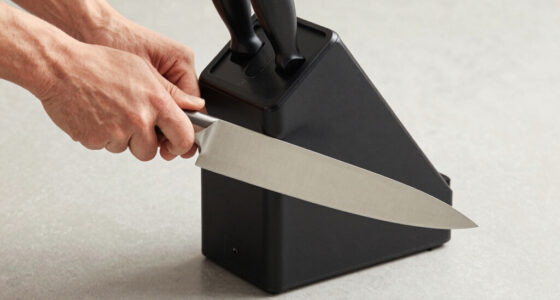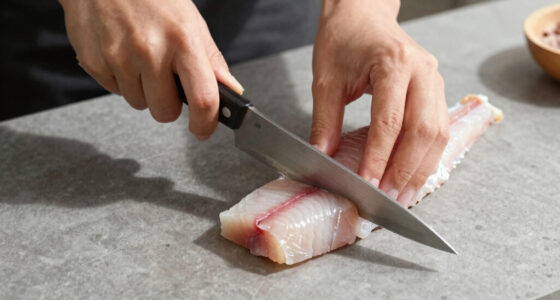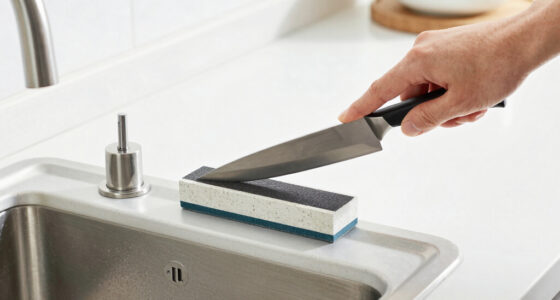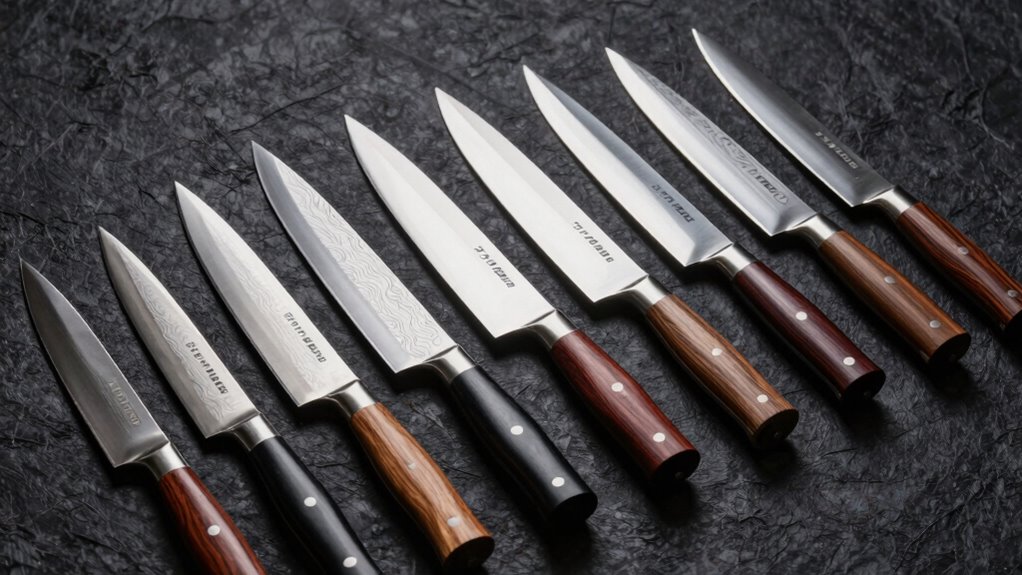

For those seeking a 240mm Japanese chef knife under 400, the options balance quality, performance, and price. The Syosaku Gyuto stands out as the best overall for its sharpness and durability, while the MASAMOTO KS offers excellent craftsmanship at a slightly lower price. The Damascus Carbon Fiber Gyuto appeals to collectors with its layered steel pattern. However, buyers often face tradeoffs between blade steel, handle comfort, and aesthetic appeal. Continue reading for a detailed comparison to help you find the right fit for your kitchen needs.

Get kitchen gear delivered free — and shop member deals
- Fast, free delivery on millions of items
- Access to Prime Big Deal Days deals on October 6–7
- Prime Video, Amazon Music and more included
Complete the kit

Key Takeaways
- The top picks combine high-quality steel with traditional Japanese craftsmanship, ensuring sharpness and longevity.
- Blade steel type and layering significantly impact durability and ease of maintenance.
- Handle comfort and grip style vary, affecting usability during prolonged use.
- Versatility in the knife’s shape and weight influences its suitability for different cutting tasks.
- Price-to-performance ratio remains high across most options, but premium steels tend to cost more and require careful maintenance.
| Syosaku Japanese Chef Knife – Gyuto 240mm, Molybdenum Stainless Steel |  | Best Low-Maintenance Workhorse | Blade Length: 9.5 inches (240mm) | Blade Material: Molybdenum Stainless Steel | Construction: Forged | VIEW ON AMAZON | See Our Full Breakdown |
| MASAMOTO KS Japanese Gyuto Chef’s Knife 240mm |  | Best Premium Cutting Performance | Blade Length: 9.5 inches (240mm) | Blade Material: Gyokuhaku-ko (Shirogami White Steel #2) | Hardness: HRC 62-63 | VIEW ON AMAZON | See Our Full Breakdown |
| Carbon Fiber Gyuto Knife 240mm – 67 Layer Damascus Steel |  | Best for Gifting | Blade Length: 240mm (9.5 inches) | Steel: 67 Layer Damascus Steel | Hardness: 60 HRC | VIEW ON AMAZON | See Our Full Breakdown |
| Sakai Takayuki Hammered Damascus 33 Layer VG-10 Gyuto 240mm |  | Best All-Rounder for Serious Cooks | Blade Length: 240 mm | Total Length: 375 mm | Blade Width: 50 mm | VIEW ON AMAZON | See Our Full Breakdown |
| Aritsugu Gyuto Knife 240mm AUS-10 Steel |  | Best Heritage Craftsmanship | Blade Length: Approx 240 mm (9.44″) | Blade Material: AUS-10 Stainless Steel | Hardness: HRC 60 +/- | VIEW ON AMAZON | See Our Full Breakdown |
| MASAMOTO AT Japanese Chef Knife 9.4″ (240mm) Gyuto Kitchen Chef’s Knife, Sharp Japanese Stainless Steel Blade, Pakkawood Handle, Made in JAPAN |  | Best Overall for Traditional Japanese Craftsmanship | Blade Length: 240 mm | Blade Material: Stainless Steel (Molybdenum Vanadium) | Handle Material: Pakkawood | VIEW ON AMAZON | See Our Full Breakdown |
| Aritsugu Gyuto Knife 240mm (9.44″) AUS-10 Steel Professional Japanese Chef’s Knife Handcrafted Tokyo Tsukiji Kitchen Knife with Magnolia Wood Saya Scabbard |  | Best for Professional Precision and Heritage Craftsmanship | Blade Length: 240 mm | Steel: AUS-10 | Hardness: HRC 60+ | VIEW ON AMAZON | See Our Full Breakdown |
| Kagayaki CarboNext KC-6 Japanese Gyuto Chef’s Knife, 9.4-Inch (240mm) |  | Best for Rust-Resistant High-Performance Steel | Blade Length: 240 mm | Steel: CarboNext carbon tool steel | Hardness: HRC 59-61 | VIEW ON AMAZON | See Our Full Breakdown |
| HOSHANHO 8-Inch Chef’s Knife – Japanese High Carbon Steel with Ergonomic Handle |  | Best for Ergonomic Comfort and Precision | Blade Length: 8 inches | Steel: 10Cr15CoMoV | Hardness: 60 HRC | VIEW ON AMAZON | See Our Full Breakdown |
| SHAN ZU 8 Inch Japanese Chef Knife, 9-Layer 10Cr15MoV High Carbon Steel, Red Sandalwood Handle |  | Best for Layered Forging and Elegant Design | Blade Length: 8 inches | Steel: 10Cr15MoV high carbon steel | Hardness: 62 HRC | VIEW ON AMAZON | See Our Full Breakdown |
| Japanese Chef Knife 8 Inch – Handcrafted Damascus VG10 Steel |  | Best Overall | Blade Length: 8 inches | Steel Core: VG-10 steel | Hardness: 62 HRC | VIEW ON AMAZON | See Our Full Breakdown |
| Kanetsune Seki KC-958 Gyuto 240mm Tsuchime DSR-1K6 Stainless Steel Knife |  | Best for Everyday Use | Blade Length: 240mm | Steel: DSR-1K6 Stainless Steel | Finish: Tsuchime (hammered) | VIEW ON AMAZON | See Our Full Breakdown |
| Tojiro DP Series 240mm Chef’s Knife (FU-809) |  | Best Value Pick | Blade Length: 240mm | Core Material: Cobalt alloy steel | Side Material: 13 chrome stainless steel | VIEW ON AMAZON | See Our Full Breakdown |
| 240mm japanese chef knife under 400 | Blade Length | Hardness | Handle |
|---|---|---|---|
| Syosaku Japanese Chef Knife | 9.5 inches (240mm) | — | — |
| MASAMOTO KS Japanese Gyuto Che | 9.5 inches (240mm) | HRC 62-63 | — |
| Carbon Fiber Gyuto Knife 240mm | 240mm (9.5 inches) | 60 HRC | — |
| Sakai Takayuki Hammered Damasc | 240 mm | — | — |
| Aritsugu Gyuto Knife 240mm AUS | Approx 240 mm (9.44") | HRC 60 +/- | Magnolia Wood with Water Buffalo-Horn Bolster |
| MASAMOTO AT Japanese Chef Knif | 240 mm | HRC 57 | — |
| Aritsugu Gyuto Knife 240mm | 240 mm | HRC 60+ | Magnolia Wood |
| Kagayaki CarboNext KC-6 Japane | 240 mm | HRC 59-61 | Pakkawood with stainless bolster |
| HOSHANHO 8-Inch Chef’s Knife | 8 inches | 60 HRC | — |
| SHAN ZU 8 Inch Japanese Chef K | 8 inches | 62 HRC | Red sandalwood |
| Japanese Chef Knife 8 Inch | 8 inches | 62 HRC | Ergonomic stabilized wood and resin, slip-resistant |
| Kanetsune Seki KC-958 Gyuto 24 | 240mm | — | Red laminated wood, water resistant |
| Tojiro DP Series 240mm Chef’s | 240mm | — | Laminated reinforced material |
More Details on Our Top Picks
Syosaku Japanese Chef Knife – Gyuto 240mm, Molybdenum Stainless Steel
Most knives at this length force a choice between delicate Japanese steel and everyday practicality. The Syosaku Gyuto sidesteps that tradeoff with molybdenum stainless steel, aForged blade, and enough toughness to survive a busy weeknight routine without rusting if you forget to wipe it down. Compared with the MASAMOTO KS, it gives up the breathtaking sharpness of white carbon steel in exchange for near-zero fuss — a trade many home cooks should happily make. Against the Aritsugu AUS-10, the Syosaku feels more conventional and heavier in hand, which helps with heavy prep but reduces agility. This pick makes the most sense for buyers who want one knife for everything and don’t want a care ritual attached to it.
Pros:- Corrosion-resistant stainless steel needs minimal care
- Forged construction gives solid balance and durability
- Versatile gyuto profile handles proteins and vegetables equally well
Cons:- Edge retention falls short of harder steels like the MASAMOTO KS
- Longer blade may feel unwieldy for users with smaller hands
Best for: Home cooks who want a 240mm gyuto they can use daily without babying a carbon steel blade
Not ideal for: Enthusiasts chasing maximum sharpness and edge refinement — molybdenum steel dulls faster than the white steel or AUS-10 blades in this lineup
- Blade Length:9.5 inches (240mm)
- Blade Material:Molybdenum Stainless Steel
- Construction:Forged
- Knife Type:Gyuto (Chef’s Knife)
- Blade Edge:Plain
- Brand:Syosaku
Our verdict“Buy this if you want a dependable, low-drama 240mm gyuto you can actually live with every day.”
MASAMOTO KS Japanese Gyuto Chef’s Knife 240mm
If pure sharpness is the goal, the MASAMOTO KS is the ceiling of this roundup. Shirogami White Steel #2 at HRC 62-63 takes a keener edge than anything else here — the Aritsugu AUS-10 and Syosaku molybdenum blades simply can’t match its bite on delicate produce. That performance comes with a real contract: white steel is not stainless, so the blade will patina and pit if left wet, and it demands drying after every use. The lightweight D-shaped magnolia handle with water buffalo horn ferrule keeps the knife nimble for long sessions, though left-handed users may find the asymmetry takes adjustment. For a buyer who treats knife care as part of the hobby rather than a chore, this stands out as the enthusiast’s choice in the under-$400 bracket.
Pros:- Exceptional edge sharpness from handcrafted White Steel #2 at HRC 62-63
- Lightweight D-shaped handle for comfortable extended use
- 150+ years of authentic Japanese craftsmanship
- Includes sheath for storage and protection
Cons:- Requires immediate drying and oiling to prevent rust
- Premium price for the materials and handwork
- D-shaped handle may not suit left-handed users
Best for: Experienced cooks and knife enthusiasts who will maintain carbon steel in exchange for the sharpest edge available under $400
Not ideal for: Casual home cooks or anyone who leaves knives in the sink — reactive carbon steel will rust and discolor quickly
- Blade Length:9.5 inches (240mm)
- Blade Material:Gyokuhaku-ko (Shirogami White Steel #2)
- Hardness:HRC 62-63
- Handle Material:Magnolia wood and water buffalo horn
- Handle Shape:D-shaped (traditional wa)
- Made In:Japan
Our verdict“This is the pick for sharpening obsessives who want the finest edge money can buy at this price — as long as they’ll maintain it.”
Carbon Fiber Gyuto Knife 240mm – 67 Layer Damascus Steel
This is the knife that gets opened at a wedding and passed around the room. The 67-layer Damascus pattern and octagonal carbon fiber resin handle give it showroom looks, while 60 HRC hardness keeps performance respectable for daily use. Compared with the Sakai Takayuki hammered VG-10, the layer count is higher and the handle is fully moisture-resistant, which matters if the recipient isn’t meticulous about care. The tradeoff is identity: at 60 HRC, it’s a bit softer than the MASAMOTO KS, so it sharpens easily but needs touching up sooner. It also comes from a lesser-known maker than Sakai Takayuki or Aritsugu, so brand heritage is thin. Still, for a gift box that needs to impress before anyone makes a cut, this model leads the lineup.
Pros:- Striking 67-layer Damascus pattern with high durability
- Moisture-resistant octagonal carbon fiber handle
- Good balance and edge retention at 60 HRC
- Lightweight feel for precise cuts
Cons:- Unknown brand with limited track record versus established smiths
- Damascus cladding adds cost without adding cutting performance
Best for: Gift buyers who want a visually striking, presentation-ready knife for someone who cooks regularly
Not ideal for: Buyers who prioritize provenance and long-term resale or collector value — the maker lacks the reputation of Sakai Takayuki or Masamoto
- Blade Length:240mm (9.5 inches)
- Steel:67 Layer Damascus Steel
- Hardness:60 HRC
- Handle Material:Carbon Fiber Resin
- Handle Shape:Octagonal
- Blade Type:Gyuto (double-edged)
Our verdict“Choose this when the unboxing matters as much as the cutting — a gorgeous gift knife with solid, if unremarkable, performance.”
Sakai Takayuki Hammered Damascus 33 Layer VG-10 Gyuto 240mm
The Sakai Takayuki hammered VG-10 hits the sweet spot this roundup is really about: professional-grade performance without carbon steel baggage. VG-10 stainless at this hardness holds an edge far longer than the Syosaku’s molybdenum blade while staying rust-resistant — unlike the MASAMOTO KS, which will punish neglect. At 243 grams, it’s the heaviest knife here, and that weight translates to momentum through dense vegetables and thick-skinned proteins, though it tires the hand faster than the featherweight Aritsugu. The tsuchime hammered finish isn’t just decorative; it reduces food sticking during slicing. The main caveat is that VG-10 edges can chip if twisted through hard squash or used on bone, so technique still matters. This option stands out as the best do-everything knife for cooks who want quality they can use hard.
Pros:- VG-10 stainless core with excellent edge retention and rust resistance
- Tsuchime hammered finish reduces food sticking
- Reputable Sakai Takayuki maker with strong professional following
- Well-balanced 375 mm total length for heavy prep work
Cons:- VG-10 edge can chip on bones, frozen food, or hard surfaces
- Heaviest knife in this batch at 243 g
- Premium price sits near the top of the budget
Best for: Serious home cooks and line cooks who want stainless durability, strong edge retention, and proven Sakai craftsmanship in one knife
Not ideal for: Anyone wanting a lightweight, nimble blade — at 243 g it’s noticeably heavier than the wa-handled Aritsugu
- Blade Length:240 mm
- Total Length:375 mm
- Blade Width:50 mm
- Weight:243 g
- Blade Material:33 Layer Damascus VG-10 Steel
- Finish:Hammered (Tsuchime)
Our verdict“The most complete package here — stainless practicality with genuine craftsman pedigree, as long as the weight doesn’t bother you.”
Aritsugu Gyuto Knife 240mm AUS-10 Steel
Few knives at any price carry a name like Tsukiji Aritsugu’s 460 years of Tokyo smithing history. This wa-gyuto pairs an AUS-10 stainless blade at HRC 60 with a magnolia handle and water buffalo-horn bolster, and at roughly 140 grams it’s dramatically lighter than the 243 g Sakai Takayuki — a difference you feel within minutes of herb prep or fine vegetable work. The forward balance keeps control without wrist fatigue. Compared with the MASAMOTO KS, you trade a little peak sharpness for full stainless convenience, which makes it the more livable daily knife for most cooks. Its thin 2 mm blade is a precision instrument, not a cleaver: twisting through kabocha squash risks a chip. The presentation box adds to the appeal for anyone who values provenance over Damascus flash.
Pros:- 460-year-old Aritsugu smithy heritage with handcrafted build
- AUS-10 stainless at HRC 60 balances edge retention and rust resistance
- Exceptionally light at ~140 g with fatigue-reducing forward balance
- Includes presentation box and care instructions
Cons:- Thin 2 mm blade is chipping-prone on hard or frozen foods
- Wa handle and light weight may feel insubstantial to cooks used to Western heft
Best for: Cooks who value historic craftsmanship, lightweight handling, and stainless convenience for long, detailed prep sessions
Not ideal for: Heavy-duty prep cooks — the thin, hard 2 mm blade chips easily on bones, squash, or anything frozen
- Blade Length:Approx 240 mm (9.44″)
- Blade Material:AUS-10 Stainless Steel
- Hardness:HRC 60 +/-
- Handle:Magnolia Wood with Water Buffalo-Horn Bolster
- Weight:Approx 140 g (4.93 oz)
- Blade Thickness:Approx 2 mm
- Total Length:Approx 400 mm
Our verdict“A knife for buyers who want storied craftsmanship and effortless handling over brute durability.”
MASAMOTO AT Japanese Chef Knife 9.4″ (240mm) Gyuto Kitchen Chef’s Knife, Sharp Japanese Stainless Steel Blade, Pakkawood Handle, Made in JAPAN
This MASAMOTO AT Gyuto stands out for its authentic Japanese craftsmanship combined with a versatile all-purpose design. Compared to the Aritsugu, it offers a slightly more affordable price point while maintaining high-quality Japanese steel and a full tang pakkawood handle. Its HRC of 57 strikes a balance between edge retention and ease of sharpening, making it suitable for both home cooks and professionals seeking traditional performance. The curved profile excels at rocking cuts, but the slightly softer steel may require more frequent honing than hardened options like the Kagayaki CarboNext. The full tang bolster provides durability, yet some users might prefer the lighter feel of a slimmer blade like the HOSHANHO. Overall, this knife offers a compelling blend of heritage, performance, and value.
Pros:- Authentic Japanese craftsmanship with over 150 years of tradition
- High-quality Molybdenum Vanadium stainless steel for durability and sharpness
- Full tang construction with a non-slip pakkawood handle for balance and comfort
Cons:- Steel hardness of HRC 57 may require more frequent sharpening
- Relatively heavier compared to lightweight Western-style knives
Best for: Professional chefs or serious home cooks who value traditional Japanese blade craftsmanship and versatility.
Not ideal for: Those seeking a low-maintenance, rust-resistant blade or a lighter, more modern handle design.
- Blade Length:240 mm
- Blade Material:Stainless Steel (Molybdenum Vanadium)
- Handle Material:Pakkawood
- Hardness:HRC 57
- Construction:Full tang, forged
- Item Length:14.6 inches
Our verdict“This knife is perfect for those who appreciate traditional Japanese forging and need a reliable, versatile chef’s knife under $400.”
Aritsugu Gyuto Knife 240mm (9.44″) AUS-10 Steel Professional Japanese Chef’s Knife Handcrafted Tokyo Tsukiji Kitchen Knife with Magnolia Wood Saya Scabbard
This Aritsugu Gyuto exemplifies centuries of Japanese blade-making artistry, crafted from AUS-10 steel with a remarkable HRC of 60+. Its handcrafted nature from Tokyo’s historic Tsukiji market ensures a level of precision and heritage unmatched by mass-produced knives. Compared to the Kagayaki CarboNext, it offers a slightly softer steel but benefits from traditional hand-forging techniques that enhance cutting edge finesse. The lightweight design and ergonomic Magnolia handle reduce fatigue during long prep sessions, making it ideal for professional chefs. Its double bevel and sharp profile excel at detailed cuts, yet the high maintenance of AUS-10 steel means it demands careful drying and storage. Overall, this knife balances exceptional craftsmanship with practical performance for discerning cooks.
Pros:- Handcrafted in Tokyo with over 460 years of smithing tradition
- AUS-10 steel with HRC 60+ for excellent edge retention
- Lightweight, ergonomic Magnolia handle for comfortable use
Cons:- Requires careful maintenance to prevent rust
- Slightly higher price point and more delicate handling compared to stainless steel options
Best for: Professional chefs or collectors who value handcrafted Japanese blades and traditional techniques.
Not ideal for: Home cooks seeking minimal maintenance or a more modern, rust-resistant handle style.
- Blade Length:240 mm
- Steel:AUS-10
- Hardness:HRC 60+
- Handle:Magnolia Wood
- Total Length:15.74 inches
Our verdict“This knife is ideal for those who prioritize heritage craftsmanship and precise cutting, willing to handle more maintenance for exceptional quality.”
Kagayaki CarboNext KC-6 Japanese Gyuto Chef’s Knife, 9.4-Inch (240mm)
The Kagayaki CarboNext KC-6 combines the sharpness and edge retention of traditional carbon steel with improved rust resistance, thanks to its CarboNext steel core with a HRC of 59-61. Its Hamaguri-ba convex grind allows for smooth, single-stroke cuts, making it ideal for precise slicing of meats, fish, and vegetables. Compared with the HOSHANHO, it offers a more modern, full-tang construction with a stainless bolster, and a plain, utilitarian aesthetic that appeals to those who prefer understated elegance. The full-tang design enhances durability, but the plain appearance and absence of Damascus pattern might be less attractive for users seeking ornate blades. Its versatility and low-maintenance nature make it a strong contender for everyday professional use.
Pros:- Hamaguri-ba convex grind for effortless, precise cuts
- CarboNext steel with high hardness and rust resistance
- Full-tang construction with a stainless bolster for durability
Cons:- Plain appearance may lack visual appeal for some
- Requires wiping dry after use to prevent rust
Best for: Home cooks and professionals who need a high-performance, rust-resistant Japanese chef’s knife with excellent edge sharpness.
Not ideal for: Those who prefer decorative Damascus patterns or are looking for a more ornate, traditional aesthetic.
- Blade Length:240 mm
- Steel:CarboNext carbon tool steel
- Hardness:HRC 59-61
- Grind:Hamaguri-ba convex
- Handle:Pakkawood with stainless bolster
- Origin:Seki City, Japan
Our verdict“This knife suits users seeking a durable, high-performance Japanese gyuto with low maintenance and excellent cutting ability.”
HOSHANHO 8-Inch Chef’s Knife – Japanese High Carbon Steel with Ergonomic Handle
The HOSHANHO 8-inch chef’s knife features Japanese 10Cr15CoMoV steel with a hardness of 60 HRC, combined with an ergonomic wood handle designed for safer pinch grips. Its hand-sharpened 13-degree per side edge ensures precision and sharpness, making it ideal for detailed slicing and delicate work. Compared to the Kagayaki CarboNext, this knife offers a more comfortable handle and a slightly shorter blade, which benefits users with smaller hands or those who prefer more control. The high carbon steel requires diligent drying to prevent rust, but the ergonomic handle and traditional profile make it a favorite for home chefs seeking comfort and performance. Its gift-box presentation adds an extra touch for gifting occasions.
Pros:- High hardness (60 HRC) Japanese steel for durability
- Ergonomic, sloped bolster handle for safer pinch grip
- Hand-sharpened to 13 degrees for razor-sharp edges
Cons:- Requires careful maintenance to prevent rust
- Handle may not suit users who prefer Western-style grips
Best for: Home cooks who prioritize ergonomic comfort and precise control during extended prep work.
Not ideal for: Users willing to handle higher maintenance or those who prefer full-tang, heavier blades.
- Blade Length:8 inches
- Steel:10Cr15CoMoV
- Hardness:60 HRC
- Edge Angle:13 degrees per side
- Handle Material:Wood
- Included Components:Knife, Gift box
Our verdict“This knife is best for home chefs seeking an ergonomic, precise Japanese knife with a focus on comfort and control under $400.”
SHAN ZU 8 Inch Japanese Chef Knife, 9-Layer 10Cr15MoV High Carbon Steel, Red Sandalwood Handle
The SHAN ZU 8-inch chef’s knife offers a 9-layer forged construction with a high-carbon 10Cr15MoV steel core at 62 HRC, resulting in a highly durable and sharp blade. Its 12° edge allows for effortless slicing, and the layered steel provides a subtle Damascus appearance, appealing to those seeking a touch of elegance. The ergonomic octagonal handle made of natural red sandalwood is designed to reduce hand fatigue and provide a secure grip. Compared to the Kagayaki CarboNext, this knife emphasizes layered craftsmanship and a more ornate look, though it requires careful maintenance of the high-carbon core to prevent rust. Its premium presentation makes it suitable for gifting or daily professional use where aesthetics are valued.
Pros:- HRC 62 with 12° edge for long-lasting sharpness
- Layered forged steel with Damascus-like appearance
- Ergonomic octagonal red sandalwood handle
Cons:- High carbon steel core demands careful rust prevention
- Handle shape may not suit all grip preferences
Best for: Home or professional users who want a combination of layered steel aesthetics and high-performance cutting.
Not ideal for: Those who prefer plain, utilitarian blades or are concerned about high-maintenance steel.
- Blade Length:8 inches
- Steel:10Cr15MoV high carbon steel
- Hardness:62 HRC
- Blade Angle:12°
- Handle:Red sandalwood
- Layers:9-layer forged
Our verdict“This layered forged knife is suitable for users who appreciate craftsmanship and layered steel aesthetics alongside top-tier performance under $400.”
Japanese Chef Knife 8 Inch – Handcrafted Damascus VG10 Steel
This handcrafted 8-inch Japanese chef knife stands out for its combination of traditional craftsmanship and high-performance materials. The VG-10 steel core with 62 HRC hardness ensures a sharp, long-lasting edge, while the 67-layer Damascus cladding offers excellent rust resistance and an elegant appearance. Compared to the Kanetsune Seki KC-958, this knife’s hand-sharpened blade delivers superior precision, though the handcrafted nature comes with a higher price tag. Its ergonomic stabilized wood handle minimizes wrist fatigue during prolonged use, making it suitable for serious home cooks or professionals. However, the high-carbon steel core requires careful maintenance to prevent staining, which might be less convenient than stainless options. This knife is ideal for those who value craftsmanship and cutting performance but are willing to handle more maintenance.
Pros:- Exceptional sharpness and edge retention from VG-10 steel core
- Beautiful Damascus pattern with rust and stain resistance
- Comfortable, balanced handle reduces wrist fatigue
- Makes an attractive gift for culinary enthusiasts
Cons:- Requires careful maintenance to prevent staining
- Premium handcrafted construction results in a higher price
Best for: Professional chefs or passionate home cooks seeking a handcrafted, durable, and visually stunning knife.
Not ideal for: Casual cooks or those preferring low-maintenance knives, due to the need for careful cleaning and oiling.
- Blade Length:8 inches
- Steel Core:VG-10 steel
- Hardness:62 HRC
- Layers:67-layer Damascus
- Handle:Ergonomic stabilized wood and resin, slip-resistant
Our verdict“This knife suits experienced cooks who want a handcrafted piece with excellent performance and are prepared for ongoing care.”
Kanetsune Seki KC-958 Gyuto 240mm Tsuchime DSR-1K6 Stainless Steel Knife
The Kanetsune Seki KC-958 offers a dependable Japanese gyuto experience with its premium DSR-1K6 stainless steel, known for sharpness, durability, and corrosion resistance. Its hammered Tsuchime finish helps food release easily, which is a plus over the smoother blade of the Tojiro FU-809. Although the 240mm blade provides excellent versatility, it may feel large for users with smaller hands or limited storage space, making it less suitable for compact kitchens. The water-resistant laminated wood handle adds comfort but demands more care than synthetic handles. This pick is excellent for everyday cooks who want a reliable, low-maintenance knife but may find the size unwieldy for smaller hands.
Pros:- Corrosion-resistant DSR-1K6 stainless steel for longevity
- Tsuchime finish reduces sticking, improving cutting flow
- Authentic Japanese craftsmanship from Seki City
- Comfortable, water-resistant laminated handle
Cons:- Large blade size may be unwieldy for some users
- Wood handle requires careful maintenance to prevent damage
Best for: Home cooks who prioritize durability, ease of maintenance, and everyday versatility.
Not ideal for: Users with smaller hands or those who prefer lightweight, fully synthetic handles for minimal upkeep.
- Blade Length:240mm
- Steel:DSR-1K6 Stainless Steel
- Finish:Tsuchime (hammered)
- Handle:Red laminated wood, water resistant
- Origin:Made in Seki City, Japan
Our verdict“This knife works best for those who want a durable, low-maintenance Japanese gyuto for regular use, despite its size and handle care needs.”
Tojiro DP Series 240mm Chef’s Knife (FU-809)
The Tojiro DP FU-809 offers a compelling balance of quality and affordability. Its cobalt alloy steel core provides excellent sharpness and edge retention, comparable to higher-priced options like the VG-10 but at a more accessible price point. The clad with 13-chrome stainless steel ensures rust resistance and durability, making it suitable for daily kitchen use. The ergonomic laminated handle is designed to resist cracking and warping, providing comfort for extended chopping. Compared to the Kanetsune Seki KC-958, it may lack some of the aesthetic appeal and sophisticated finish but makes up for it in value and consistent performance. A slight drawback is the need for regular maintenance to prevent rust on the steel core, especially if used heavily or in humid environments.
Pros:- High-grade cobalt alloy steel core for sharpness
- Clad with rust-resistant stainless steel
- Ergonomic handle resists cracking and warping
- Hand-finished by Japanese artisans at an accessible price
Cons:- Requires regular maintenance to prevent rust
- Mass-produced line lacks the artisanal feel of handcrafted knives
Best for: Budget-conscious home cooks who want a reliable, Japanese-made chef knife with good performance.
Not ideal for: Cooks seeking a fully handcrafted or premium aesthetic, or those who prefer low-maintenance stainless steel blades.
- Blade Length:240mm
- Core Material:Cobalt alloy steel
- Side Material:13 chrome stainless steel
- Construction:Forged
- Handle:Laminated reinforced material
Our verdict“This knife delivers great value for everyday use, ideal for those who want Japanese quality without the premium price tag.”

How We Picked
Each knife was evaluated based on performance, build quality, steel type, handle ergonomics, and overall value. We prioritized blades made from reputable Japanese steels like VG-10, AUS-10, and Damascus layered steels for their balance of sharpness and durability. Ease of handling and comfort were also key, especially for extended use. We considered user reviews, brand reputation, and design features to rank these options, ensuring that each knife offers a clear advantage within the $400 budget. The final list reflects the best combination of craftsmanship, functionality, and price for a range of user needs.Factors to Consider When Choosing 240mm Japanese Chef Knife Under 400
Choosing a 240mm Japanese chef knife under 400 requires understanding several key factors that influence performance and usability. The right knife depends on your specific cooking style, handling preferences, and maintenance willingness. This guide highlights major considerations to help you make an informed decision and avoid common pitfalls in selecting a quality Japanese chef’s knife.Steel Quality and Composition
The steel used in these knives determines their sharpness, edge retention, and ease of sharpening. Japanese steels like VG-10, AUS-10, and Damascus layered steels offer a good balance of hardness and flexibility. Cheaper steels may dull quickly or chip, while higher-end steels require more delicate maintenance. Understanding the steel’s properties helps you select a knife that matches your skill level and willingness to care for it.
Handle Ergonomics and Comfort
The handle design influences grip security and fatigue during extended use. Traditional octagonal or D-shaped handles often provide better control, especially for precise cuts. Material choices like pakkawood, magnolia, or resin composites affect durability and feel. Avoid handles that are too small or slick, as they can cause discomfort or slippage, impacting your safety and efficiency.
Blade Shape and Weight
The shape of the blade, whether more curved or straighter, impacts your ability to perform different cuts. A well-balanced weight distribution reduces hand fatigue. Heavier blades excel at chopping, while lighter ones offer more control for delicate tasks. Consider your typical kitchen tasks and choose a blade weight and shape that complements your style.
Aesthetics and Craftsmanship
Layered Damascus patterns or hammered finishes add visual appeal and can also influence how the knife handles food release. While aesthetics are personal, they often reflect the quality of craftsmanship. Keep in mind that highly decorative knives may require more maintenance to keep their appearance pristine, especially if layered steel or Damascus patterns are involved.
Price and Maintenance
Even within a $400 budget, prices vary based on steel quality and craftsmanship. Cheaper options may need more frequent sharpening or repairs, whereas higher-quality knives last longer with proper care. Consider whether you’re willing to invest time in maintenance or prefer a low-maintenance steel that stays sharp longer. This decision impacts long-term satisfaction and overall value.
Frequently Asked Questions
Is a higher steel quality worth the extra cost in a under $400 knife?
Higher steel quality generally offers better edge retention and durability, which can reduce sharpening frequency and improve cutting performance. Within the $400 range, steels like VG-10 and Damascus layered steels strike a good balance between quality and price. Investing in better steel can enhance your experience, especially if you cook frequently or require precise cuts, but it also means handling more delicate maintenance in some cases.
Should I prioritize handle comfort over blade material?
Handle comfort is crucial for extended use, but it should not come at the expense of blade quality. A well-designed handle that fits your hand improves control and reduces fatigue, making your work more efficient. Ideally, choose a knife with a handle that feels natural to you while also offering a high-quality steel core. Balancing both aspects ensures better performance and comfort over time.
Are Damascus layered steels worth the extra maintenance?
Damascus layered steels are often prized for their aesthetic appeal and can offer excellent performance, but they may require more careful cleaning and storage to prevent corrosion. The layered pattern can also hide minor chips or scratches, making blemishes less obvious. If you prioritize looks and are willing to maintain it, Damascus can be a rewarding choice; otherwise, simpler steels may be more practical.
Is a 240mm blade more versatile than other sizes?
Yes, a 240mm blade strikes a balance between size and maneuverability, making it suitable for a wide range of tasks from slicing to chopping. It’s often considered the standard for professional and home kitchens. However, if you prefer more delicate work, a slightly smaller knife may provide better control, while larger sizes excel in heavy-duty tasks. Assess your typical cutting style before committing.
Can I sharpen these knives at home, or should I send them out?
Most Japanese knives in this price range can be sharpened at home with the right tools, such as a whetstone or ceramic rod. Proper technique ensures longevity and maintains the original edge geometry. However, delicate steels or layered Damascus blades require careful sharpening to avoid damage. If you’re new to sharpening, practicing with less expensive steels first can build your skills before tackling more demanding blades.
Conclusion
For most home cooks seeking a reliable all-rounder, the Syosaku Gyuto offers the best blend of performance, craftsmanship, and value. Beginners or those who prefer low-maintenance steels might lean toward the Tojiro DP, which is easier to care for yet still delivers solid results. For those willing to invest in a premium aesthetic and edge retention, the Sakai Takayuki Hammered Damascus is an excellent choice. Budget-conscious buyers should consider the Kagayaki CarboNext for high-quality steel at a more accessible price point. Ultimately, your choice depends on your skill level, maintenance willingness, and specific kitchen needs.
As an affiliate, we earn on qualifying purchases.Fall Picks
fall essentials