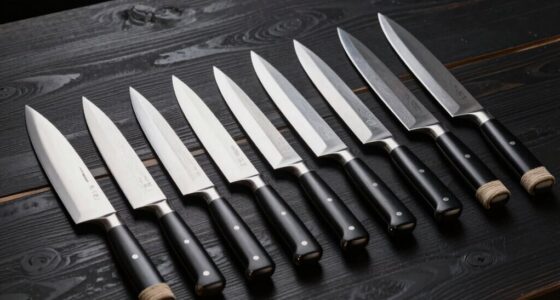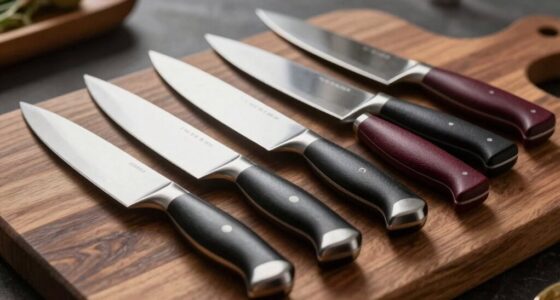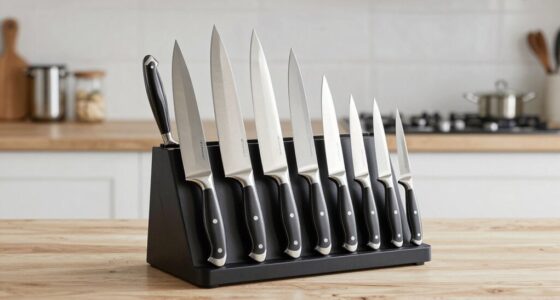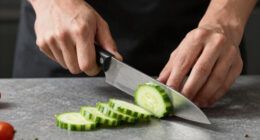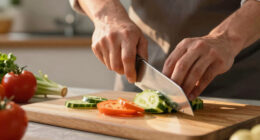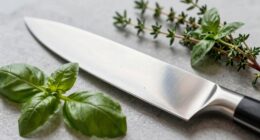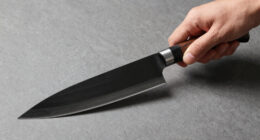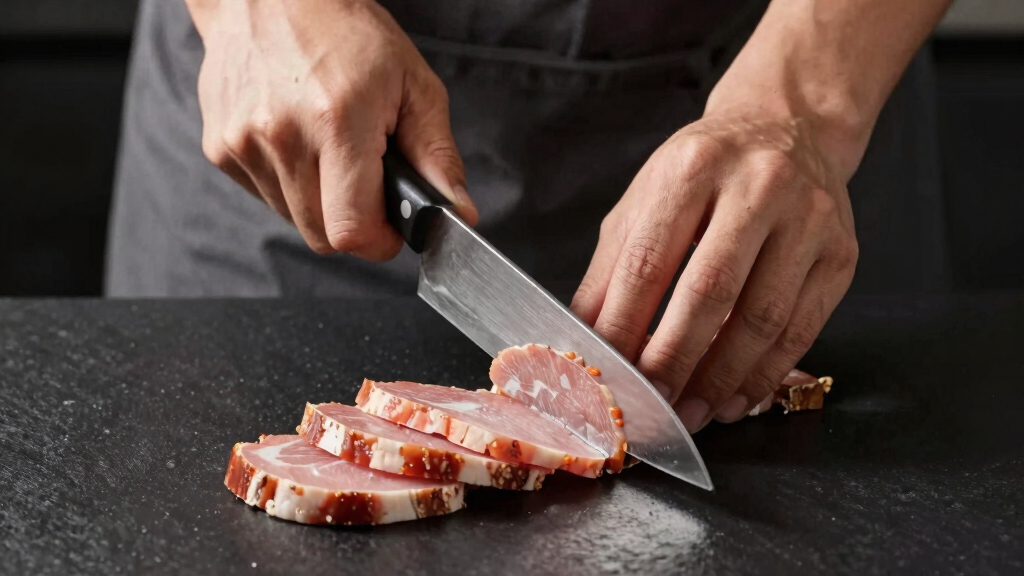
Finding the best Japanese chef knife for meat prep means balancing sharpness, durability, and ease of handling. The HOSHANHO 8-inch High Carbon Steel Chef’s Knife stands out as the overall top pick for its exceptional edge retention and precision. For those seeking a more versatile option, the Sunnecko Damascus 8” Chef Knife offers a stunning layered steel design with excellent slicing ability. A common tradeoff in this category involves choosing between traditional high-carbon steels for sharpness and stainless steels for easier maintenance. Continue reading for a detailed breakdown of these top contenders and what makes each one unique.
Key Takeaways
- The highest-performing knives combine high-carbon steel for edge retention with ergonomic handles for control during meat prep.
- Layered Damascus steel knives offer both aesthetic appeal and sharpness, but may require more careful maintenance.
- Balanced weight and handle design significantly impact ease of slicing large cuts of meat efficiently.
- The best value options often trade some premium features for durability and affordability without sacrificing performance.
- Choosing between traditional and modern steel types depends on how much effort one is willing to put into maintenance and sharpening.


More Details on Our Top Picks
HOSHANHO 8-inch Japanese High Carbon Steel Chef’s Knife
This HOSHANHO 8-inch knife stands out for its exceptional combination of high-quality Japanese high carbon steel and an ergonomic design, making it ideal for precise meat slicing and dicing. Compared with the Imarku 7-inch santoku, it offers a longer blade better suited for larger cuts, though it requires more careful maintenance to prevent rust. Its stylish matte finish adds an aesthetic touch, but the handle may need regular care to avoid cracking. The 60 HRC hardness ensures a sharp edge that holds well, especially for meat prep tasks that demand finesse. This pick makes the most sense for professional chefs or serious home cooks who prioritize cutting accuracy and blade longevity.
Pros:- Exceptional sharpness and edge retention from high carbon steel
- Ergonomic handle for comfort during extended use
- Stylish matte finish enhances aesthetic appeal
Cons:- Handle may require maintenance to prevent cracking
- High carbon steel is prone to rust if not properly cared for
Best for: Experienced home cooks and chefs focusing on meat prep who need a precise, durable edge.
Not ideal for: Casual cooks or those seeking a low-maintenance knife, as high carbon steel needs careful cleaning and storage.
- Material:Japanese high carbon steel 10Cr15CoMoV
- Blade Length:8 inches
- Hardness:60 HRC
- Handle Material:Wood
- Blade Finish:Matte
Bottom line: This knife is best suited for experienced users who need precise, durable meat prep capabilities and are willing to maintain it properly.
Brewin Chefilosophi Japanese Chef Knife Set 5 pcs with Red Pakkawood Handles
This 5-piece set from Brewin offers a comprehensive selection of knives, including two 8-inch blades, making it especially useful for multi-tasking in meat prep and general kitchen work. The high carbon stainless steel blades provide excellent edge retention, similar to the Imarku santoku but in a more complete package. The elegant pakkawood handles balance comfort and style, though they demand careful maintenance to avoid cracking over time. Compared to the single HOSHANHO knife, this set provides versatility for different cuts and techniques, but the premium price might be a barrier for casual users. This set makes the most sense for serious home cooks or small professional kitchens needing a range of sharp, durable knives without breaking the bank on individual pieces.
Pros:- Complete set with multiple knives for various tasks
- Sharp, durable high carbon stainless steel blades
- Elegant, balanced ergonomic handles
Cons:- Premium price may be high for casual users
- Pakkawood handles require careful maintenance
Best for: Home cooks seeking a versatile, all-in-one set that handles meat prep and other tasks with quality and style.
Not ideal for: Beginners or those on a tight budget, as the set’s price may be high relative to casual use, and handles require maintenance.
- Number of knives:5
- Blade material:High Carbon Stainless Steel
- Handle material:Pakkawood
- Blade length:8 inches (two knives), 5 inches (parsing and utility knives)
- Hardness:56+ on Rockwell scale
Bottom line: This set offers excellent value for serious cooks who want versatility and durability for meat and kitchen prep.
Imarku 7-Inch High Carbon Stainless Steel Santoku Chef Knife
The Imarku 7-inch santoku offers a slightly smaller, more maneuverable option for meat slicing and general prep, making it ideal for users who prefer a lighter, more agile blade. Its high carbon stainless steel ensures rust resistance and sharpness, similar to the HOSHANHO but in a more compact form. The hollow edge design reduces sticking, which improves efficiency when working with sticky cuts of meat. While the pakkawood handle provides comfort, it needs regular maintenance to prevent cracking, especially if used frequently for meat. Compared to the Matsato 6.3-inch chef knife, it offers a sharper, more refined edge, but its smaller size may not suit heavy-duty tasks. It’s perfect for those who want a high-performance, easy-to-maintain knife for meat prep in a manageable size.
Pros:- Sharp, rust-resistant high carbon stainless steel blade
- Hollow edge reduces sticking and improves efficiency
- Ergonomic handle for comfortable use
Cons:- Handle may crack if not maintained carefully
- Limited to 7-inch size, less suitable for heavy-duty tasks
Best for: Home cooks or professionals seeking a sharp, easy-to-maintain santoku for precise meat slicing.
Not ideal for: Users needing a larger, more aggressive cleaver or those uncomfortable with regular handle maintenance.
- Blade Length:7 inches
- Material:High carbon stainless steel
- Blade Thickness:2.5mm
- Edge Angle:15-18 degrees per side
- Handle Material:Pakkawood
Bottom line: This santoku makes a great choice for precise, comfortable meat slicing in a convenient size, provided proper handle care.
Matsato Osuren 6.3 Inch Chef Knife – Japanese Stainless Steel Kitchen Knife for Cooking & Food Prep
The Matsato Osuren 6.3-inch chef knife offers a compact, balanced option for slicing, chopping, and cutting meats, making it ideal for home cooks or professionals who prioritize control. Its forged Japanese stainless steel blade combines durability with ease of maintenance, akin to the Pakkawood-handled options but with a slightly smaller footprint, perfect for detailed cuts. While it might be less suited for heavy-duty butchering due to its size, its balanced weight and comfortable handle make it a reliable all-rounder. Compared to larger 8-inch knives, this model emphasizes precision and control, though its smaller size means some heavier tasks might be less efficient. It’s an excellent choice for those seeking a versatile, easy-to-maintain knife for everyday meat prep.
Pros:- Durable forged stainless steel blade
- Balanced and comfortable handle
- Versatile for slicing, chopping, and dicing
Cons:- Not dishwasher safe, requires hand washing
- Blade length may be small for heavy-duty tasks
Best for: Home cooks and professionals needing a manageable, balanced knife for routine meat slicing and food prep.
Not ideal for: Heavy-duty butchering or large-scale meat processing where larger blades are more efficient.
- Blade Length:6.3 inches
- Material:Japanese stainless steel
- Construction:Forged
- Handle Type:Wooden
- Dishwasher Safe:No
Bottom line: This knife offers balanced, versatile performance for everyday meat prep where control is more important than size.
Huusk Upgraded Serbian Chef Knife – Japanese Meat Cleaver with Sheath, Full Tang, High Carbon Steel, Ergonomic Handle, for Kitchen and Outdoor Use
The Huusk Serbian chef knife excels as a heavy-duty cleaver, constructed from high carbon ATS-34 steel with a full tang oak handle, making it ideal for cutting through tough meats, bones, and outdoor tasks. Its hammered blade design helps reduce sticking, and the robust build provides leverage and power unavailable in thinner blades like the HOSHANHO or Imarku santoku. Compared with the more delicate Japanese knives, this cleaver prioritizes strength and stamina over finesse, which means it may be overkill for small, precise cuts. The weight and size could be a drawback for users who need delicate cuts or have limited hand strength. This knife makes the most sense for those tackling large cuts, outdoor butchering, or needing a rugged, multipurpose tool.
Pros:- Razor-sharp high carbon steel edge
- Robust, full tang construction for strength
- Hammered blade reduces sticking and improves efficiency
Cons:- Heavy and large, less suitable for delicate cuts
- Requires hand washing and maintenance to prevent rust
Best for: Professionals or outdoor enthusiasts who need a powerful, durable meat cleaver capable of handling heavy cuts and bones.
Not ideal for: Home cooks who require finesse or small, precise cuts, as the size and weight may hinder delicate work.
- Material:High carbon steel ATS-34
- Hardness:59-61 Rockwell
- Blade Angle:13-15 degrees
- Handle Material:Oak wood
- Full Tang:Yes
- Additional features:Hammered blade, lanyard hole
Bottom line: This cleaver is best for heavy-duty meat processing, outdoor butchery, and those prioritizing power over finesse.
Japanese Chef Knife, 8 Inch Damascus Kitchen Knife with VG10 Steel, Handcrafted Sharp Knife with Ergonomic Handle
This 8-inch Damascus knife stands out for its combination of exceptional sharpness and stunning craftsmanship. Its VG-10 steel core paired with 67-layer Damascus cladding offers a durable, razor-sharp edge that rivals high-end options like the KAWAHIRO. While its premium price may be a barrier for some, the knife’s ergonomic, slip-resistant handle ensures comfort during prolonged use. Compared to the Sunnecko, which favors precision at a slightly lower cost, this model emphasizes aesthetics and balance, making it perfect for those who appreciate artistry as well as function. The main tradeoff involves careful handling to preserve its sharpness and appearance over time.
Pros:- Outstanding sharpness and stain resistance due to VG-10 steel
- Elegant Damascus pattern enhances visual appeal
- Ergonomic handle offers comfort and slip resistance
- Excellent for detailed, precise meat cuts
Cons:- High price may deter budget-conscious buyers
- Requires careful handling and maintenance to prevent damage
Best for: Serious home cooks and professionals who value craftsmanship and aesthetics without sacrificing performance
Not ideal for: Casual cooks on a tight budget or those seeking a low-maintenance, easy-care knife
- Blade Length:8 inches
- Steel Core:VG-10 Steel
- Layering:67-layer Damascus
- HRC:60
- Handle Material:Stabilized wood and resin
Bottom line: This knife is ideal for those who want a beautifully crafted, high-performance meat prep tool and are willing to invest in quality.
Sunnecko Japanese Damascus Chef Knife 8” – 15° Precision Edge VG10 Core, 67-Layer Damascus Steel, Full Tang, Professional Kitchen Knife
This 8-inch knife is tailored for precision with its 15° sharp edge and full tang construction, making it a standout for effortless, accurate meat slicing. Its VG10 core and 67-layer Damascus steel ensure durability, comparable to the KAWAHIRO but with a focus on sharpness and balance. While the premium price reflects its quality, it demands careful maintenance to prevent corrosion, especially if not hand-sharpened regularly. Unlike the Damascus option, which emphasizes aesthetic appeal, Sunnecko prioritizes cutting efficiency and control—ideal for chefs or serious enthusiasts who need precision.
Pros:- 15° edge provides outstanding slicing precision
- Full tang offers excellent stability and balance
- Durable VG10 core with Damascus steel for longevity
- Ergonomic handle enhances comfort during extended use
Cons:- Requires regular hand-sharpening for optimal performance
- Higher maintenance to prevent corrosion
Best for: Professional cooks or advanced home chefs who require precise, effortless meat cuts
Not ideal for: Beginners or casual users who prefer low-maintenance knives or are not comfortable sharpening regularly
- Blade Length:8 inches
- Steel Type:Damascus with VG10 core
- Layer Count:67 layers
- Edge Angle:15°
- Handle Material:Ergonomic
Bottom line: This knife is best suited for those who prioritize precision and are comfortable with careful maintenance for professional results.
HOSHANHO 7 Inch Nakiri Knife, Japanese High Carbon Stainless Steel Chef Knife with Pakkawood Handle
The HOSHANHO Nakiri excels at precise vegetable and meat cuts thanks to its ultra-sharp, hand-polished blade made from high carbon stainless steel. Its 7-inch size favors control and maneuverability, making it a smart choice for those who cut a variety of ingredients. Compared with the 8-inch models like the imarku, it offers more agility but less surface area for large meat cuts. Its scalloped hollow pit helps reduce sticking, improving efficiency. The main drawback is the need for careful handling to maintain its edge and prevent moisture damage to the pakkawood handle, which may be less durable than synthetic grips.
Pros:- Ultra-sharp, hand-polished blade for precise cuts
- High carbon stainless steel offers excellent durability
- Ergonomic pakkawood handle provides comfort and style
- Hollow scallop design reduces sticking during slicing
Cons:- Handle may require maintenance to prevent moisture issues
- Less suited for large meat cuts due to smaller blade size
Best for: Home cooks who want a versatile, easy-to-handle knife for meat, vegetables, and fruits
Not ideal for: Professional chefs or those with large cutting tasks that require a longer blade
- Blade Length:7 inches
- Material:High carbon stainless steel
- Blade Hardness:60 HRC
- Handle Material:Pakkawood
- Design Features:Scallop-shaped hollow pit
Bottom line: This Nakiri balances precision and comfort, making it perfect for multipurpose kitchen use, especially if space and agility matter.
imarku Japanese Chef Knife – 8 Inch High-Carbon Stainless Steel Gyutou Knife with Pakkawood Handle and Gift Box
The imarku Gyutou makes a compelling case for versatile meat prep with its high-carbon stainless steel blade that offers good edge retention and durability. Its 8-inch size suits a wide range of cutting tasks, making it a flexible choice compared to specialized knives like the Sunnecko or KAWAHIRO. The ergonomic Pakkawood handle adds comfort, and the included gift box makes it appealing for gifting. However, the high-carbon steel demands diligent care to prevent rust, especially if not hand-washed and dried thoroughly. While it trades some edge longevity for convenience, it remains a reliable, all-purpose choice for everyday use.
Pros:- Sharp, durable blade suitable for slicing and chopping
- Ergonomic handle reduces fatigue
- Versatile for a variety of ingredients
- Gift box included for an attractive presentation
Cons:- High-carbon steel requires careful maintenance to prevent rust
- Less specialized for fine meat slicing compared to premium options
Best for: Home cooks seeking a reliable, multi-purpose knife that also makes a great gift
Not ideal for: Professional chefs or those who want a specialized meat-cutting tool with maximum precision
- Blade Material:High-carbon stainless steel
- Blade Length:8 inches
- Hardness:HRC 56-58
- Handle Material:Pakkawood
- Included:Gift box
Bottom line: This knife offers reliable performance for everyday use and makes an excellent gift for culinary enthusiasts on a budget.
KAWAHIRO Japanese Chef Knife, 8 Inch Hand Forged VG10 Kitchen Knife with Octagonal Handle
The KAWAHIRO 8-inch VG10 chef knife combines hand-forged craftsmanship and an elegant layered steel pattern to appeal to serious chefs and collectors alike. Its razor-sharp edge and excellent edge retention make it a prime choice for precise meat slicing, outshining many in its class. The octagonal handle offers a unique grip, providing both comfort and control, especially during intensive meat prep. Compared with the Damascus options, it emphasizes performance and visual appeal, but its higher price and need for hand washing can be drawbacks for everyday use. It’s a well-crafted piece for those who value artistry and precision equally.
Pros:- Exceptional sharpness and edge retention
- Beautiful layered steel pattern with unique aesthetics
- Ergonomic octagonal handle for precise control
- Hand-forged quality enhances durability
Cons:- Higher price point limits accessibility
- Requires hand washing and careful handling to preserve quality
Best for: Professional chefs or connoisseurs who appreciate craftsmanship and detailed presentation
Not ideal for: Casual cooks or those seeking a low-maintenance, all-rounder kitchen knife
- Blade Length:8 inches
- Material:VG10 layered steel
- Handle Material:Ruby wood, turquoise, ebony
- Design:Japanese-inspired layered pattern
- Finish:Black forged
Bottom line: This knife caters to those who want a handcrafted, visually stunning tool that delivers professional-level meat prep performance.
How We Picked
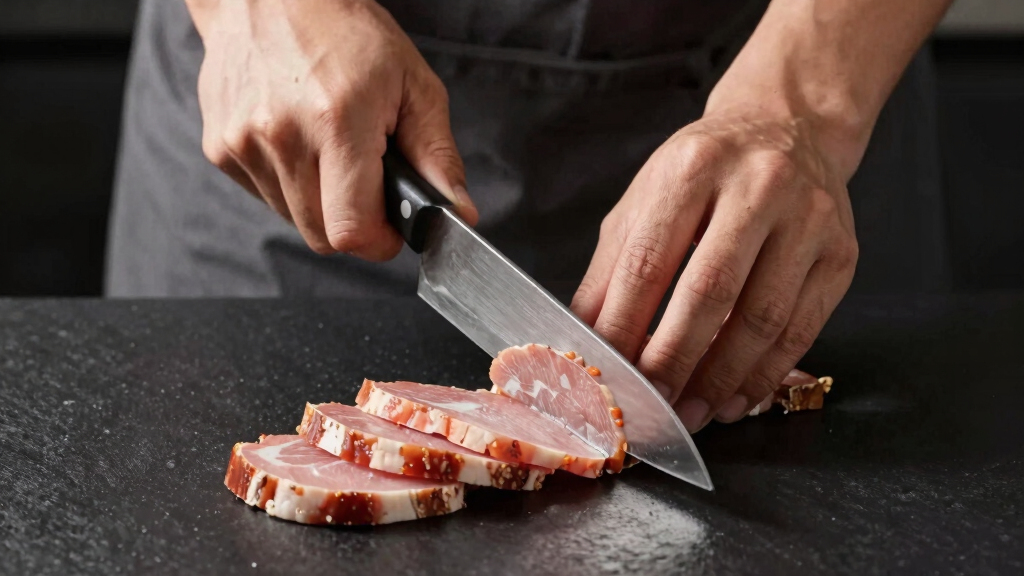
These knives were selected based on their performance specifically for meat prep tasks, including slicing, trimming, and portioning. We evaluated edge sharpness, retention, handle ergonomics, build quality, and ease of maintenance. Durability in repeated cuts and versatility across different types of meat also played key roles. Knives were ranked with a focus on value for money, user comfort, and how well they performed during typical meat preparation scenarios, ensuring the recommendations serve both professional chefs and home cooks alike.Factors to Consider When Choosing Best Japanese Chef Knife For Meat Prep
Choosing the best Japanese chef knife for meat prep involves understanding several key factors that influence performance, durability, and usability. Beyond aesthetics, the steel type and blade geometry directly affect how efficiently you can cut through various meats. Handle design impacts comfort during longer prep sessions, while maintenance needs determine how much effort you’ll put into keeping your knife in prime condition. Being aware of these factors helps avoid common pitfalls like choosing a blade that’s too delicate or uncomfortable for daily use.Steel Type and Edge Retention
High-carbon steels like VG10 and White Steel are prized for their ability to hold a razor-sharp edge longer, which is essential when slicing through tough or thick cuts of meat. However, these steels can be more prone to rust and require careful maintenance. Stainless steels, such as AUS-10 or high-quality stainless alloys, offer easier upkeep but might need more frequent sharpening. Your choice depends on your willingness to maintain the blade versus prioritizing consistent sharpness during heavy use.
Blade Geometry and Profile
The curvature and thickness of the blade influence how smoothly you can make clean cuts. A thinner, more curved blade allows for precise, effortless slicing—ideal for delicate meat textures. Conversely, a slightly thicker blade provides more strength for heavy-duty tasks like trimming and breaking down larger cuts. Understanding your typical meat prep tasks helps select the right profile that balances control and power.
Handle Design and Comfort
An ergonomic handle reduces fatigue and enhances control, especially during extended prep sessions or when working with large quantities of meat. Traditional octagonal or D-shaped handles offer a secure grip, but some users prefer modern materials like pakkawood or composite for moisture resistance and aesthetic appeal. Test the handle size and shape in your hand if possible to avoid discomfort or slips during use.
Maintenance and Durability
Some knives require regular honing and careful cleaning to prevent rust and maintain edge sharpness, especially those made from high-carbon steels. Others, like stainless steel options, are more forgiving and easier to clean after meat contact. Consider your willingness and ability to care for the knife regularly—this can significantly affect its lifespan and performance over time.
Price and Value
Premium Japanese knives often come at a higher cost but offer superior steel quality, craftsmanship, and edge retention. More affordable options may sacrifice some of these qualities but still deliver excellent performance for casual or home use. Striking a balance between price and features depends on your intended frequency of use and how much you value investment in a long-lasting, high-performance tool.
Frequently Asked Questions
Should I choose a traditional high-carbon steel knife or a stainless steel one for meat prep?
High-carbon steel knives generally provide sharper edges and better edge retention, making them excellent for precise cuts. However, they require more maintenance to prevent rust and staining. Stainless steel knives are easier to care for and more resistant to corrosion, which makes them practical for regular use, especially in humid environments or if you prefer low-maintenance tools. The best choice depends on your willingness to maintain the blade versus your need for convenience.
How important is handle ergonomics when selecting a meat prep knife?
Handle ergonomics play a critical role in controlling the knife and reducing fatigue during extended use. A comfortable, well-balanced handle allows for precise cuts and less strain on your hand and wrist, especially when dealing with large or tough cuts of meat. Trying different handle shapes and materials—if possible—can help you find a secure grip that feels natural, making your prep work safer and more efficient.
Can I use a general-purpose Japanese chef knife for meat prep?
While many Japanese chef knives are versatile and can handle a variety of tasks, those specifically designed for meat prep—like thinner blades or those with a curved profile—perform better when slicing through large cuts or delicate meats. General-purpose knives may not offer the same level of precision or ease for heavy-duty butchering. For dedicated meat work, choosing a knife optimized for those tasks enhances efficiency and results.
How often should I sharpen my Japanese chef knife for meat prep?
The frequency of sharpening depends on how often you use the knife and the steel type. High-carbon steels tend to hold an edge longer but require regular honing to maintain sharpness. For home cooks, sharpening every 6-12 months, or as needed based on cutting performance, is typical. Professional chefs might sharpen more frequently, especially if the knife is used daily for demanding tasks. Regular honing can extend the intervals between sharpening sessions.
Is a Damascus steel knife better for meat prep than a single-layer steel knife?
Damascus steel knives often feature layered construction that combines beauty with functional advantages like flexibility and strength. They tend to have a keen, sharp edge suitable for slicing meats cleanly. However, they can be more delicate and require careful maintenance to prevent chipping or corrosion. Single-layer high-carbon steels might sharpen more easily and be more straightforward to maintain, but Damascus offers a compelling blend of performance and aesthetics for those willing to care for it properly.
Conclusion
For serious meat enthusiasts or professional chefs, the HOSHANHO 8-inch High Carbon Steel Chef’s Knife offers unmatched sharpness and precision. Home cooks seeking a reliable, low-maintenance option should consider the Sunnecko Damascus 8” Chef Knife for its combination of beauty and performance. Beginners or those on a budget may find the imarku 7-Inch High Carbon Stainless Steel Santoku a balanced choice that handles most prep work well. For those needing a versatile, premium investment, the Japanese Damascus VG10 Steel Knife delivers both luxury and cutting excellence. Tailor your choice based on how much effort you’re willing to invest in maintenance and your specific meat prep needs.