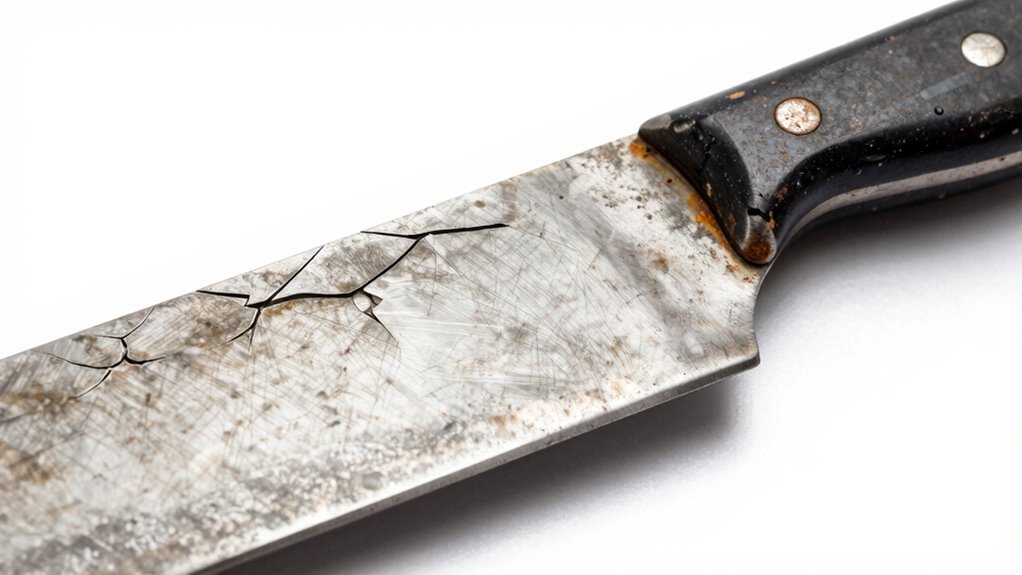

To safely retire a dangerous knife with cracks, severe chips, or a loose handle, start by wearing cut-resistant gloves and eye protection. Wrap the entire blade securely in thick newspaper, cardboard, or bubble wrap, taping it tightly to prevent any sharp edges from sticking out. Avoid repairs or reuse; instead, check with local recycling centers or hazardous waste facilities for proper disposal options. Following these steps guarantees your safety and environmental responsibility—learn more about safe disposal practices below.
Key Takeaways
- Wear protective gloves and eye gear before handling damaged knives to prevent injury.
- Wrap the entire knife securely in thick materials like bubble wrap or cardboard, taping it tightly.
- Do not attempt repairs; treat cracked, chipped, or loose-handle knives as hazardous waste.
- Dispose of wrapped knives through local hazardous waste programs or specialized collection sites.
- Follow community guidelines for environmentally responsible disposal to prevent injury and environmental harm.
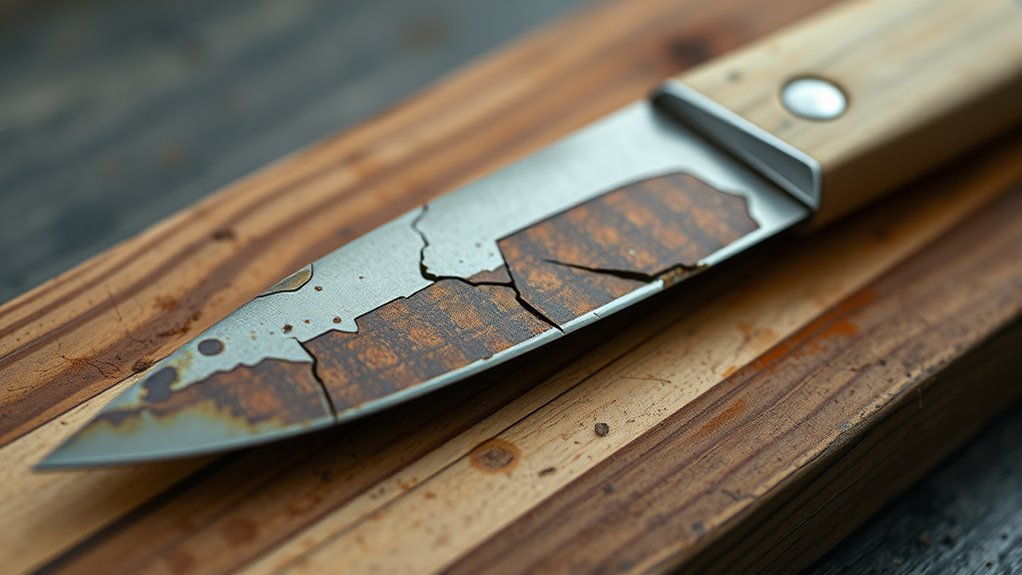
A dangerous knife can pose serious risks if not handled properly when you decide to retire it. Whether it has cracks, severe chips, or a loose handle, you need to approach its disposal with caution. First, confirm you’re wearing the right safety gear—cut-resistant gloves, eye protection, and sturdy clothing—to protect yourself from accidental cuts or flying debris during the process. Safety gear isn’t just an extra precaution; it’s essential to prevent injuries, especially when dealing with compromised blades that might break or splinter unexpectedly.
Always wear proper safety gear when disposing of a damaged or dangerous knife.
When it comes to disposing of a damaged knife, never toss it in your regular trash without proper preparation. Sharp edges and broken parts can pose hazards to sanitation workers or anyone handling the waste. The best approach involves selecting appropriate disposal methods to safely contain the blade. Start by wrapping the knife thoroughly in thick newspaper, cardboard, or bubble wrap. For added security, tape the wrapping tightly to ensure no sharp edges protrude. This step minimizes the risk of accidental cuts during handling or transport.
If you have a local recycling program that accepts metal, check their guidelines for knife disposal. Some facilities may accept blades if they are securely wrapped, but you should confirm specific requirements beforehand. Alternatively, consider taking the knife to a hazardous waste collection site if your community offers one. These sites are equipped to handle sharp objects safely and prevent environmental contamination.
Another effective disposal method involves using a designated sharps container, typically used for medical waste. While these containers are intended for needles, some communities accept small metal objects like knives. If your area allows, you can purchase a puncture-proof sharps container and deposit the wrapped knife inside. Once filled, follow guidelines for safely disposing or recycling the container.
Never attempt to fix a cracked or severely chipped knife by gluing or taping it back together. Doing so can be unsafe and unreliable, risking further damage or injury later. Instead, treat the knife as a hazardous waste item and prioritize safe disposal. Remember, a loose handle also makes the knife hazardous; in these cases, the handle might detach unexpectedly, exposing the blade. Always secure or wrap the entire knife tightly before disposal to prevent accidental injury. Additionally, consider consulting sauna and cold-plunge safety and disposal guidelines to ensure environmentally responsible practices.

Dowellife Cut Resistant Gloves Food Grade Level 5 Protection, Safety Kitchen Cut Gloves for Chef Oyster Shucking Mandolin Knife Butcher Meat Cutting
Protect your hand from cuts and abrasions—The high performance cut resistant material HDPE is adopted and the gloves…
As an affiliate, we earn on qualifying purchases.
As an affiliate, we earn on qualifying purchases.
Frequently Asked Questions
Can I Still Use My Knife After Minor Cracks?
You shouldn’t use your knife after noticing minor cracks, as they can worsen and compromise safety. For blade maintenance, it’s best to inspect the cracks regularly and avoid using it until you repair or retire the knife. Always follow safety precautions to prevent accidents. If cracks appear, consider professional sharpening or replacement to ensure safe, effective use, rather than risking injury or damaging your tools further.
What Types of Knives Are Safest to Retire?
Fragile, flawed, and fearsome—these knives are safest to retire. When it comes to knife maintenance, safety gear like gloves and eye protection is essential. Dull, damaged, or dangerously cracked knives pose risks, so replace them promptly. Always prioritize safety by retiring knives with severe chips, cracks, or loose handles. Trust your instincts—if a knife feels unsafe, it’s time to retire it and prevent potential accidents.
How Long Does It Take to Safely Retire a Knife?
Retiring a dangerous knife typically takes about 10 to 15 minutes, depending on its condition. You should follow a clear retirement timeline, including safety considerations like wearing gloves and eye protection. First, disarm the blade by safely cutting or dulling it, then dispose of or recycle it properly. This process guarantees you avoid injury and properly deactivate the knife, making it safe for disposal or storage.
Are There Eco-Friendly Methods for Disposing of Old Knives?
Think of your old knife as a story that needs a gentle ending. You can choose biodegradable disposal, like wrapping it in compostable material, so it decomposes naturally. Recycling options are also available—many metal recycling centers gladly accept knives. These eco-friendly methods ensure your knife’s final chapter respects the environment, turning it into new materials instead of waste, making your part in caring for the planet a little easier.
Can a Damaged Knife Be Repaired Instead of Retired?
You can sometimes repair a damaged knife by sharpening the blade to remove minor chips or cracks, but severe damage often requires handle replacement or professional repairs. If the handle is loose or broken, replacing it can restore safety and functionality. However, if the blade has deep cracks or chips, it’s safer to retire the knife and avoid injury. Always evaluate the extent of damage before attempting repairs.

ZOMCHI Blade Disposal Container for Safety Razor Blade Storagement,Razor Blade Disposal Container (Silver)
SEALED DESIGN MUCH SAFER: ZOMCHI Blade Bank with its SEALED DESIGN, The used blades can only slip into…
As an affiliate, we earn on qualifying purchases.
As an affiliate, we earn on qualifying purchases.
Conclusion
Remember, retiring a dangerous knife isn’t just about safety—it’s about respecting the tool’s power and knowing when to say goodbye. By properly disposing of or recycling a cracked, chipped, or loose-handle knife, you prevent accidents and honor the craftsmanship behind it. Think of it as closing a chapter with dignity; a responsible farewell guarantees your safety and the safety of others. Don’t let a hazardous tool linger—know when to part ways and keep your kitchen secure.
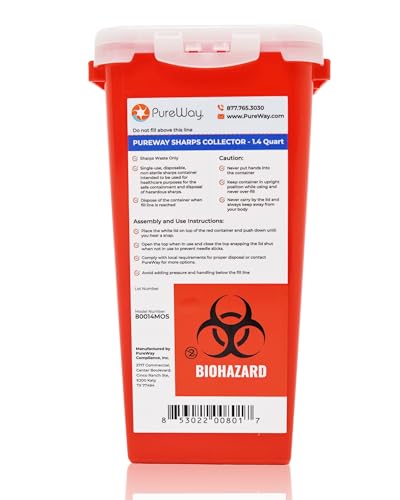
PureWay 1.4 Quart MailBack Sharps Disposal Container – Secure Needle Box for Safe Medical Waste & Used Syringe Disposal | Sharps Container for Home Use, Travel, Clinics, and Professional Settings
PREPAID RETURN & COMPLETE DISPOSAL – Sharps container mail back kit includes a 1.4 Quart sharps disposal container,…
As an affiliate, we earn on qualifying purchases.
As an affiliate, we earn on qualifying purchases.

THOMEN 4 PCS (M+L) Cut Resistant Gloves Level 5 Protection for Kitchen, Upgrade Safety Anti Cutting Gloves for Meat Cutting, Wood Carving, Mandolin Slicing and More
Protect Your Hand – Throw away the normal gloves and try to use our THOMEN cut resistant gloves….
As an affiliate, we earn on qualifying purchases.
As an affiliate, we earn on qualifying purchases.