You might feel your knife is incredibly sharp because the edge seems fine when you run your finger along it, but that doesn’t mean it cuts well. Surface sharpness often hides underlying issues like a dull edge, poor steel quality, or damage from improper use. Even if the knife feels sharp, factors such as blade material, durability, and technique can reduce actual performance over time. Understanding why sharpness isn’t everything can help you improve your cutting skills and choose better tools.

Get kitchen gear delivered free with Prime
- Fast, free delivery on millions of items
- Prime Video, Amazon Music and more included
- Member-only deals all year
Key Takeaways
- A knife can feel sharp due to a fine edge but still lack the cutting ability if the edge is dull or damaged.
- Initial sharpness doesn’t ensure long-term performance if the blade is made of soft or poorly tempered steel.
- Proper technique, including correct angle and pressure, is essential; poor technique can cause poor cutting despite sharpness.
- Dull or worn edges may still feel sharp to the touch but struggle with actual cutting tasks.
- The material being cut and blade durability influence performance, regardless of how sharp the edge feels.
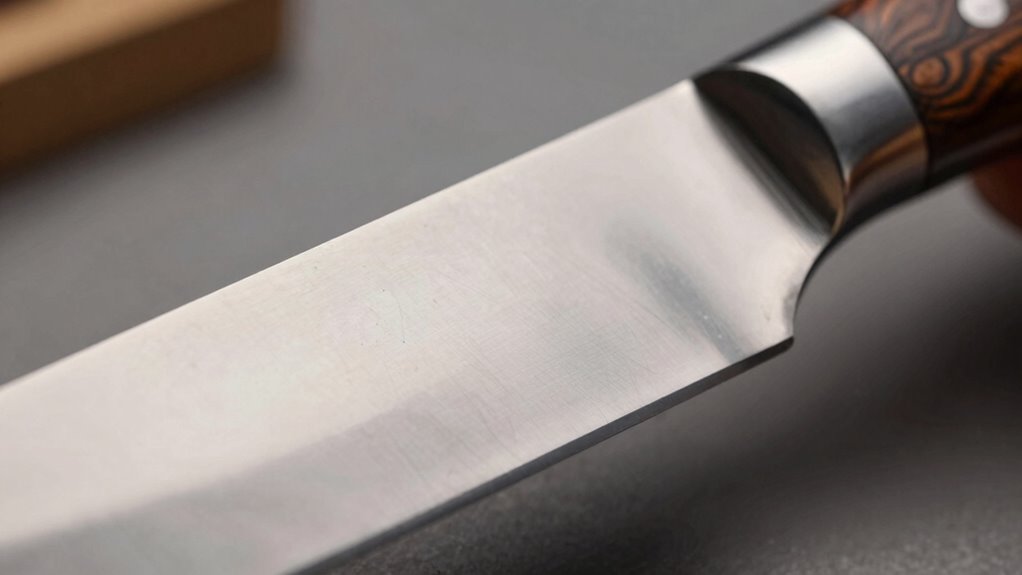
You might notice that a knife feels extremely sharp when you run your finger along its edge, but that doesn’t always mean it cuts well. A sharp feeling can be deceiving because it’s primarily about the edge’s finesse, not its overall ability to perform. One of the main reasons a knife can seem sharp yet perform poorly is because of its blade durability. If the blade is made from softer steel or poorly tempered metal, it may become dull quickly, even after only a few uses. This dullness doesn’t always show up immediately; the edge might look fine but lose its ability to cut efficiently over time. When the blade lacks durability, it’s prone to chipping, rolling, or dulling, which considerably hampers its cutting performance, regardless of how sharp it feels initially. Proper blade maintenance also plays a critical role in sustaining performance and preventing premature dulling. Additionally, the quality of the steel and the manufacturing process directly influence the blade’s hardness and toughness, affecting its longevity and resistance to damage. Understanding metal properties can help you choose a more durable knife for long-term use.
A knife can feel sharp but still cut poorly if made from soft steel or poorly tempered metal.
Your cutting technique also plays a vital role. Even a well-made, durable blade can underperform if you don’t use the right method. For example, pressing too hard or using a sawing motion can cause unnecessary stress on the edge, leading to quicker dulling or damage. Conversely, a proper cutting technique involves a smooth, controlled motion that leverages the blade’s geometry and sharpness without exerting excessive force. This not only preserves the blade’s edge but also maximizes its cutting efficiency. If you’re not maintaining the correct angle or applying uneven pressure, the knife might seem sharp but won’t cut through materials cleanly or effortlessly. Proper technique ensures you’re using the knife as intended and reduces unnecessary wear.
Additionally, the type of material you’re cutting matters. Soft items like ripe tomatoes or bread require less force and can reveal a dull or poorly maintained blade more quickly. Harder or denser items, like bones or frozen foods, demand a sturdier, more durable blade. If your knife’s blade isn’t built to withstand these stresses, it’ll perform poorly even if it feels sharp.
In essence, feeling sharp doesn’t guarantee cutting prowess. Blade durability determines how well a knife maintains its edge over time, and your cutting technique influences how efficiently that edge performs in real-world tasks. When both aspects are aligned—using a high-quality, durable blade with proper technique—you’ll notice a marked improvement in performance. Otherwise, even the sharpest-looking knife can disappoint, struggling to cut through even the simplest ingredients.
As an affiliate, we earn on qualifying purchases.
Frequently Asked Questions
Can a Dull Knife Still Feel Sharp to the Touch?
Yes, a dull knife can still feel sharp to your skin because of sensor sensitivity and skin perception. Your fingertips can detect slight differences in edge tension, making a dull knife feel sharp initially. However, this sensation doesn’t reflect the knife’s actual cutting ability. Over time, you’ll notice the duller edge struggles with slicing, revealing that the initial tactile perception isn’t a true indicator of performance.
How Does Blade Material Affect Cutting Performance?
Your cutting experience hinges on blade material, where blade composition plays a crucial role. High-quality steels and advanced alloys enhance material durability, ensuring your knife stays sharp longer and cuts smoothly. Cheaper materials may feel fine at first but quickly lose their edge, causing frustration. So, investing in a blade with excellent material durability makes all the difference—your knife remains sharp, effective, and reliable for every task.
Does Handle Design Influence a Knife’s Effectiveness?
Yes, handle design markedly influences a knife’s effectiveness. When you focus on handle ergonomics, it guarantees a comfortable grip, reducing fatigue during extended use. A well-designed handle also enhances grip stability, preventing slips and allowing precise control. This improved control translates to better cutting performance. So, even if a knife feels sharp, an ergonomic handle guarantees you can leverage that sharpness effectively, making your cutting tasks safer and more efficient.
Can Improper Sharpening Techniques Damage a Knife?
Improper sharpening techniques can subtly compromise your knife’s edge retention, making it less durable over time. When you don’t pay attention to proper angles or use the wrong tools, you risk damaging the steel composition, which weakens the blade’s structure. This “gentle misstep” can dull your knife faster, even though it might initially feel sharp. To keep your blade performing its best, always sharpen carefully and maintain consistent technique.
How Often Should a Knife Be Professionally Serviced?
You should have your knife professionally serviced at least once a year, especially if you use it frequently. Proper knife storage helps prevent blade corrosion, which can degrade performance over time. Regular professional servicing ensures your knife stays sharp and well-maintained, reducing the risk of damage from improper sharpening. In between, take good care of your knife by storing it properly and cleaning it thoroughly after use.
As an affiliate, we earn on qualifying purchases.
Conclusion
So, even if your knife feels incredibly sharp, it might not cut like one. Remember, appearances can be deceiving—like judging a book by its cover. Regular maintenance, proper technique, and understanding your knife’s true condition are key. Don’t rely solely on that initial sharp feeling; a well-kept blade performs best. Keep in mind, a sharp-looking knife isn’t always a sharp tool—sometimes, you need to look beneath the surface to see the real quality.
As an affiliate, we earn on qualifying purchases.
As an affiliate, we earn on qualifying purchases.
Fall Picks
fall essentials
As an affiliate, we earn on qualifying purchases.