If your knife slips on onions, it’s likely due to a dull blade or improper technique. Check if the edge is sharp; a dull knife requires more force, increasing slipping risk. Also, verify you’re using the correct grip—hold the handle firmly but not too tightly and keep your fingers tucked in a claw shape for control. Attention to both edge sharpness and technique can make a big difference in safety and efficiency, so keep exploring for more tips.
Key Takeaways
- A dull knife edge can cause slips; ensure your blade is sharp for better control.
- Proper grip and finger positioning reduce slipping, regardless of knife sharpness.
- Slippery onion surfaces, like damp or uneven peel, can lead to slips even with sharp edges.
- Technique matters: controlled, deliberate cuts prevent the knife from slipping, even with a sharp edge.
- Consistently maintaining both a sharp edge and correct chopping technique minimizes slipping risks.

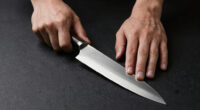
Chopping onions can be tricky, especially when your knife slips and causes frustration or even injuries. One common reason for this is how you’re holding your knife. Your knife grip plays a vital role in maintaining control and preventing slips. If you’re gripping the handle too loosely, your blade can easily slide off the onion, especially when working with the onion peel, which can be slippery and uneven. On the other hand, gripping too tightly can also cause issues, reducing your dexterity and making it harder to make precise cuts. The key is to find a balance—hold the knife firmly enough to control it but relaxed enough to maintain fluid movement. When you’re chopping, try gripping the handle with your dominant hand, wrapping your fingers around it comfortably, and keeping your thumb along the side for stability. This grip offers both control and safety, helping you guide the blade smoothly through the onion.
The onion peel itself can be a hidden culprit in your slipping issues. The outer layer is often slick and uneven, especially when it’s damp or slimy, which makes it harder for your knife to grip and cut cleanly. If you try to slice through a stubborn onion peel with a loose grip, the knife may slide because there isn’t enough friction or stability. To combat this, make sure you’re removing the onion peel properly before you start chopping. Use your fingers or a paring knife to peel away the outer layer carefully, exposing a clean, manageable surface. When you do this, your knife will have better contact with the onion itself, reducing the chances of slipping and giving you more control. Proper peeling techniques can also help improve your grip and ensure a safer, more efficient chopping process.
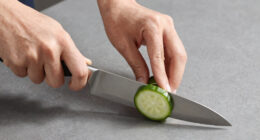
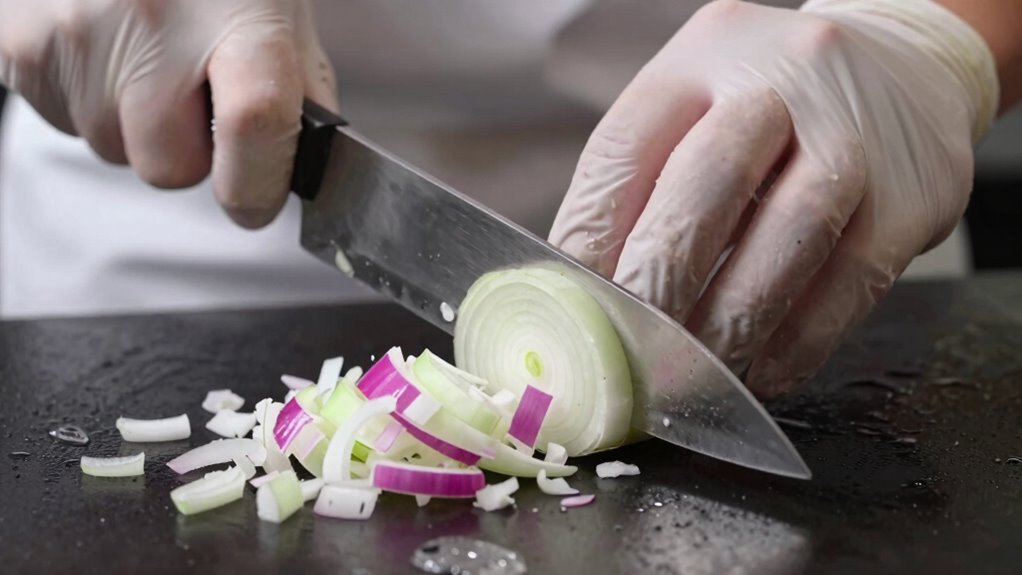
Additionally, the technique you use when slicing matters just as much as your grip or the onion peel. Keep your fingers tucked under your knuckles when holding the onion—this is known as the claw grip—and press the knife against the side of your knuckles rather than your fingertips. This technique not only protects your fingers but also provides consistent guidance for your knife, preventing slips. As you work through the onion, focus on making deliberate, controlled cuts rather than rushing. This approach helps you develop better muscle memory, which improves your overall technique and reduces the chances of the knife slipping, regardless of the onion’s peel or texture.
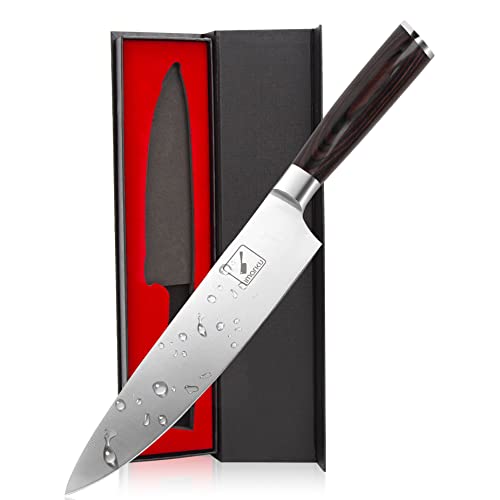
imarku Japanese Chef Knife – Sharp Kitchen Knife 8 Inch Chef's Knives HC Steel Paring Knife, Unique Gifts for Men and Women, Gifts for Mom or Dad, Kitchen Gadgets with Gift Box, Gyutou Knives
High-Carbon Stainless Steel Blade: It is manufactured from high-quality stainless steel that maintains its functionality for a long…
As an affiliate, we earn on qualifying purchases.
As an affiliate, we earn on qualifying purchases.
Frequently Asked Questions
Can Using a Dull Knife Cause Slipping on Onions?
Yes, using dull blades can cause slipping on onions because they don’t cut cleanly, forcing you to apply more pressure. This often leads to improper grip as you try to stabilize the knife, increasing the risk of slipping. Keep your blades sharp and focus on a proper grip to guarantee safety and precision, making your onion chopping easier and safer.
What Are the Best Knives for Slicing Onions?
For slicing onions, opt for a high-quality, sharp chef’s knife with a well-maintained edge. Look for knives made of high-carbon stainless steel, which hold their edge longer. Maintain your knife regularly through honing and proper sharpening. Use a non-slip cutting board material like wood or silicone to enhance control. These choices guarantee safe, precise cuts, preventing slips caused by dull blades or unstable surfaces.
How Does Onion Variety Affect Cutting Difficulty?
You’ll find that onion variety impacts cutting difficulty because different types have varied onion flavor profiles and textures. For example, sweet onions are milder and easier to slice, while pungent varieties like yellow onions can be more challenging. Proper onion storage methods, like keeping onions in a cool, dry place, help maintain their firmness. This makes slicing smoother, reducing slips and improving your overall technique.
Are There Specific Cutting Techniques to Prevent Slipping?
A stitch in time saves nine, so master your technique early. You should focus on proper cutting hand positioning and grip stability techniques to prevent slipping. Keep your fingers curled under your knuckles and hold the knife firmly but comfortably. Use a pinch grip for better control, and maintain steady, deliberate movements. These habits will improve your grip stability and reduce the chance of slipping on slippery onions.
Does Onion Moisture Level Influence Knife Grip?
Yes, onion moisture level considerably influences your grip. High moisture can make the onion slippery, so you should focus on moisture control by patting the onion dry before cutting. Adjust your grip by tightening your hold and using a claw grip to maintain control. Keeping your knife sharp and your fingers safe helps prevent slips, especially when moisture is high. Proper grip adjustment and moisture management are key to safer, more effective onion slicing.

DDF iohEF Kitchen Knife, Chef's Knife In Japanese Stainless Steel Professional Santoku Cooking Knife, 7 Inch Non-slip Ultra Sharp Knife with Ergonomic Handle
【Premium Japanese Stainless Steel Chef's Knife】: This chef's knife is made of professional Japanese stainless steel with a…
As an affiliate, we earn on qualifying purchases.
As an affiliate, we earn on qualifying purchases.
Conclusion
Remember, a sharp knife is a safe knife, and technique makes all the difference. If your knife slips on onions, it’s time to check your edge and your grip. Practice proper cutting methods and keep your blades well-maintained. As the saying goes, “A stitch in time saves nine.” Addressing small issues now prevents bigger accidents later. Stay attentive, sharpen your skills, and enjoy safer, more confident cooking every time.

Stainless Steel Green Onion Slicer 2 PCS, Multi-Blade Kitchen Herb Cutter, Professional Scallion Shredding Tool Shred Silk The Knife, Upgrade Stainless Steel Chopped Green Onion Knife Vegetable
VERSATILE DESIGN: Set includes 2 professional-grade stainless steel slicers with multiple sharp blades for precise cutting of green…
As an affiliate, we earn on qualifying purchases.
As an affiliate, we earn on qualifying purchases.

Intelitopia Complete Knife Sharpening Stone Set – Dual Grit Whetstone 400/1000 3000/8000 Knife Sharpener with Leather Strop, Flattening Stone, Bamboo Base, 3 Non-slip Rubber Bases & Angle Guide
【Complete Knife Sharpening Stone Kit】You don't need to be a Pro to sharpen your blades, all you need…
As an affiliate, we earn on qualifying purchases.
As an affiliate, we earn on qualifying purchases.