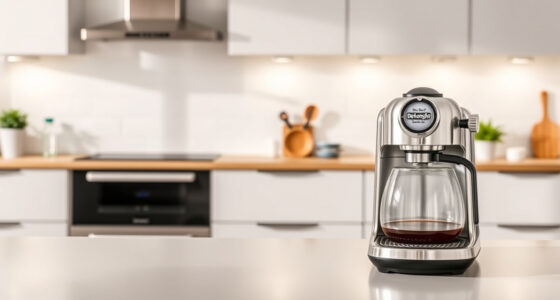
If your De’Longhi espresso machine is leaking water, it can disrupt your coffee routine and potentially damage the machine. Fortunately, many leaks are fixable with basic troubleshooting steps. This guide will walk you through the most common causes and effective solutions to get your machine back in working order safely and efficiently.
Before starting, ensure your machine is unplugged and cooled down to prevent injury or further damage. Regular maintenance and proper use can also help prevent future leaks.
Key Takeaways
| Identify the leak source | Locating where water leaks from helps determine the fix. |
| Check water connections | Loose or damaged hoses and fittings are common causes. |
| Inspect the water tank | Cracks or improper seating can cause leaks. |
| Maintain the machine regularly | Regular descaling and filter replacement prevent buildup. |

De'Longhi Magnifica Evo Next Automatic Espresso Machine, Frother, Silver
- Worldwide Espresso Machine Leader: Top global manufacturer in 2025
- 13 One-Touch Beverage Recipes: Espresso, Latte, Cappuccino, and more
- Built-In Conical Burr Grinder: 13 grind settings for optimal extraction
As an affiliate, we earn on qualifying purchases.
Step 1: Turn Off and Unplug the Machine
Always disconnect your De’Longhi espresso machine from the power source before troubleshooting to ensure safety. Allow the machine to cool down completely to avoid burns or other injuries.

De'Longhi Replacement Water Filter for Select Espresso Machines, DLSC002
- Enhances water quality: Optimizes water for better taste
- Prevents lime scale: Improves machine performance
- Ensures cleaner water: For better coffee flavor
As an affiliate, we earn on qualifying purchases.
Step 2: Examine the Water Tank and Connections
- Remove the water tank carefully and inspect it for cracks or damage.
- Ensure the tank is properly seated and locks securely into place.
- Check the rubber gasket or seal around the tank for wear or misalignment.
Step 3: Inspect Internal Hoses and Fittings
Open the machine’s access panels if possible, and look for loose or damaged hoses. Tighten any fittings that appear loose, and replace any cracked or brittle hoses.
Step 4: Check the Water Filter and Descale if Needed
A clogged water filter or mineral buildup can cause pressure issues leading to leaks. Consider replacing the water filter with a compatible model and descaling your machine using a descaler like the De’Longhi EcoDecalk if buildup is suspected.
Step 5: Test the Machine
Once you’ve inspected and addressed potential issues, reassemble the machine, refill the water tank, and plug it in. Run a test brew to see if the leak persists. If water leaks again, further inspection or professional repair may be necessary.
The Products in This Guide
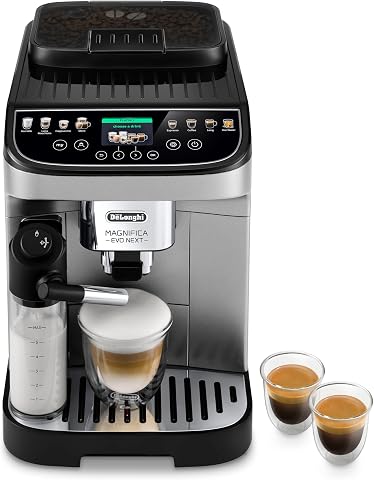
De’Longhi Magnifica Evo Next Fully Automatic Espresso Ma
- ✔ Power: 1450W
- ✔ Water Tank Capacity: 1.8 liters
- ✔ Grind Settings: 13

De’Longhi Replacement Water Filter
- ✔ Filter Life: Up to 3 months
- ✔ Compatibility: Select De’Longhi models
- ✔ Ease of Installation: Quick clip-in
De’Longhi Magnifica Evo Next Fully Automatic Espresso Ma
The De’Longhi Magnifica Evo Next offers a comprehensive brewing experience with programmable settings, built-in grinder, and milk frother. Its design and features make it a popular choice for home baristas.
Pros:
- Automatic and customizable drinks
- Built-in grinder with 13 settings
- Milk frother for lattes and cappuccinos
- Supports hot & cold beverages
Cons:
- Complex maintenance for troubleshooting
- Potential for leaks if not properly maintained
- Higher price point
Best for: Home users seeking convenience and quality espresso drinks
Not ideal for: Users uncomfortable with regular machine maintenance
Bottom line: A top-tier fully automatic espresso machine ideal for coffee enthusiasts.
De’Longhi Replacement Water Filter
Replacing your water filter with the De’Longhi Replacement Water Filter can significantly improve water quality, reduce lime scale buildup, and prevent leaks caused by mineral deposits.
Pros:
- Improves water taste
- Prevents lime scale
- Easy to install
- Extends machine lifespan
Cons:
- Requires periodic replacement
- Additional cost
Best for: Maintaining optimal water quality and machine health
Not ideal for: If your machine is leaking due to cracked hoses or internal damage
Bottom line: A simple upgrade to ensure water quality and prevent leaks.
Frequently Asked Questions
Why is my De’Longhi espresso machine leaking water?
Leaking can be caused by a damaged water tank, loose fittings, cracked hoses, or mineral buildup leading to pressure issues. Inspect these components to identify the source.
How often should I descale my De’Longhi machine?
It’s recommended to descale your machine every 2-3 months, especially if you use hard water, to prevent mineral buildup and leaks.
Can I fix internal leaks myself?
If you’re comfortable with basic repairs, inspecting and tightening hoses or replacing the water tank are manageable. For internal component damage, consider professional servicing.
What products are recommended for descaling?
De’Longhi EcoDecalk Descaler is an effective, eco-friendly solution designed to safely remove limescale and mineral deposits, improving machine performance.
Keep Your Espresso Machine Running Smoothly
Regular maintenance, proper assembly, and timely replacement of components like filters and hoses can prevent leaks and extend the life of your De’Longhi espresso machine. If problems persist despite troubleshooting, professional repair is advised to avoid further damage and ensure your coffee remains perfect.
Affiliate disclosure: As an Amazon Associate we earn from qualifying purchases. Prices and availability are accurate as of the time of publishing.