
To figure out whether the issue is your knife or cutting board, start by testing your blade’s sharpness with a tomato or paper; if it struggles, you need sharpening or honing. Next, check your board’s surface—run your hand over it to feel for roughness or deep cuts. If the surface feels uneven or damaged, it might be the problem. Improving technique and maintenance for both tools can make a big difference—more tips await if you keep exploring.

Get kitchen gear delivered free with Prime
- Fast, free delivery on millions of items
- Prime Video, Amazon Music and more included
- Member-only deals all year
Key Takeaways
- Test the knife on a different, smooth surface to see if cuts improve, indicating a surface issue.
- Use the knife on a new or well-maintained board; improved performance suggests board problems.
- Assess the knife’s sharpness by slicing paper or a tomato; dullness indicates knife maintenance is needed.
- Examine the cutting board for grooves or rough spots that may hinder clean cuts.
- Try different knives on the same board; consistent difficulty points to the surface, while varied results suggest tool issues.
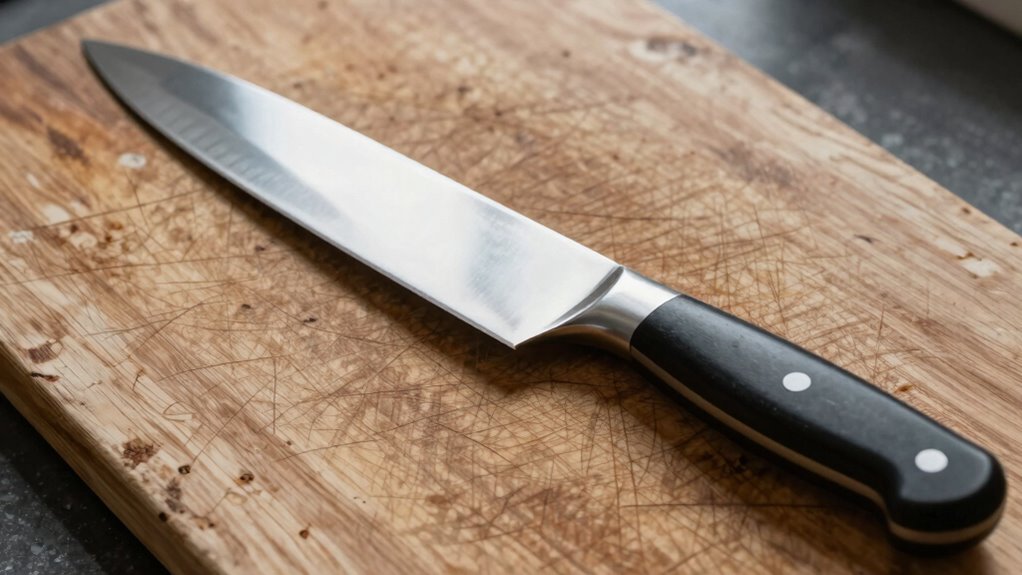
Ever wonder whether your chopping issues stem from your cutting board or your knife? It’s a common question, and the answer isn’t always obvious at first glance. If you find your slices are uneven, your cuts are slipping, or your food is tearing rather than slicing cleanly, it’s time to evaluate both your cutting technique and your tools. Sometimes, the problem lies in the knife’s dullness, and other times, the cutting board’s surface can be the culprit. To determine which one needs attention, you need to approach the problem systematically.
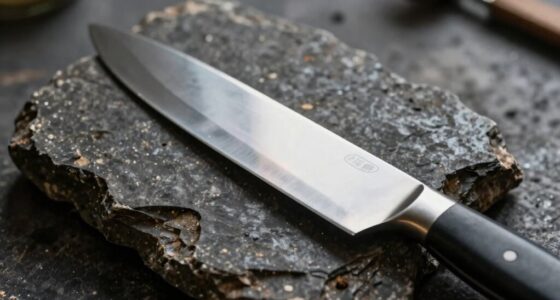
Start by examining your knife. A dull blade can make all the difference in your chopping experience. If your knife isn’t sharp, you’ll notice increased effort, inconsistent cuts, and a higher risk of slipping and injury. To test whether your knife needs sharpening, try slicing through a tomato or a piece of paper. If it struggles or drags, then it’s time for a good honing or knife sharpening. Regular sharpening keeps the edge crisp, so you get cleaner cuts with less force. Remember, a sharp knife isn’t just about efficiency; it’s also safer because you exert less pressure, reducing the chance of slips. Once you’ve sharpened your knife, pay attention to your cutting technique. Proper cutting technique involves using a rocking motion, guiding the knife smoothly with your fingers curled under your knuckles for control. If you’re still having trouble, it might be your cutting technique rather than the blade itself. Improving your technique can often make a significant difference, even with a slightly duller knife. Additionally, maintaining the sharpness of your knife through regular honing can prolong its effectiveness and make your cutting more consistent.
A sharp knife makes cutting easier, safer, and ensures cleaner slices with less effort.
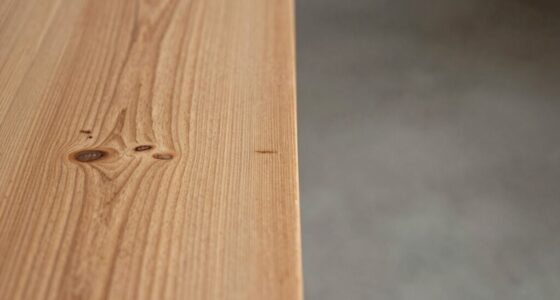
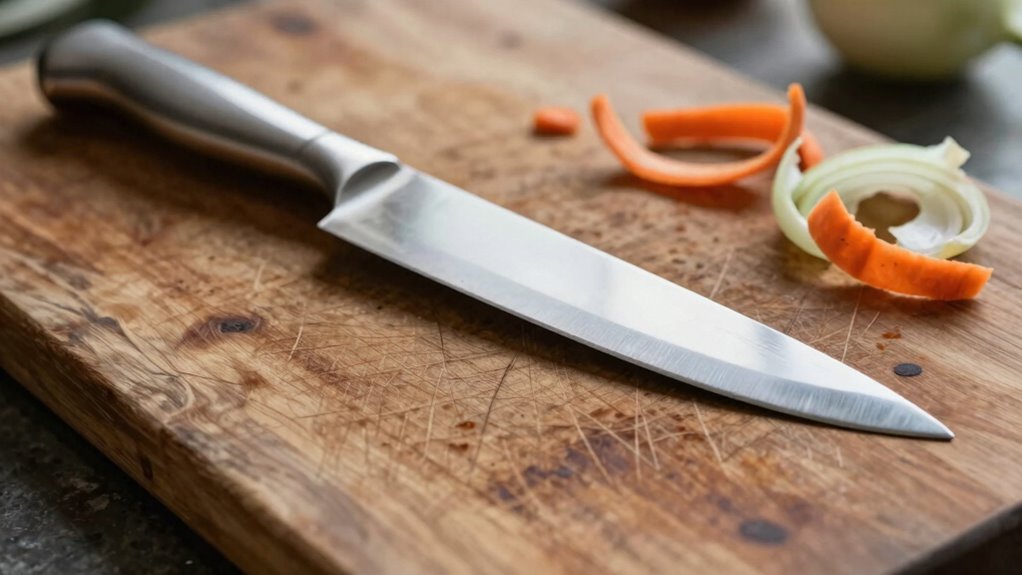
Next, turn your attention to your cutting board. Even a sharp knife can struggle to make clean cuts if the surface is uneven or grooved. Wooden boards can develop deep cuts over time, trapping bits of food and creating an irregular surface. Plastic boards may warp or get scored, impacting your cutting precision. Run your hand over the surface—if it feels rough or uneven, it could be affecting your cuts. To test if the board is the issue, try cutting on a different surface or a newer board. If the cuts improve, then your original board is likely the problem. Keep in mind that the surface should be stable and non-slip for maximum safety and performance. Additionally, biodiversity in the environment can influence the types of cutting surfaces available and their maintenance. Being aware of cutting surface quality can help you choose the best tools for efficient prep work. An ideal cutting surface should also be easy to clean and resistant to bacteria growth, further contributing to food safety. Properly maintaining and replacing your cutting board when necessary can prevent damage that hampers your cutting efficiency.
Ultimately, solving chopping issues involves a combination of sharpening your knife properly and refining your cutting technique while ensuring your cutting surface is in good condition. Regularly maintaining your knife and choosing the right cutting board can make a significant difference in how well you chop, slice, and dice. Pay attention to both tools, and your kitchen prep will become safer, easier, and more precise.
As an affiliate, we earn on qualifying purchases.
Frequently Asked Questions
Can a Dull Knife Still Be Sharp Sometimes?
Yes, a dull knife can still feel sharp sometimes, especially if you use a different cutting technique or apply more pressure. Knife sharpening can restore its edge, but if you don’t use proper technique, it might seem dull again quickly. Sometimes, a dull knife appears sharp due to a misaligned edge, so paying attention to your cutting technique and regularly sharpening your knife helps maintain its true sharpness.
How Often Should I Replace My Cutting Board?
You should replace your cutting board every 1-3 years, depending on usage and wear. Regular knife maintenance and proper board cleaning help prolong its life, but deep cuts, grooves, or bacterial buildup signal it’s time for a new one. If your board shows significant damage or becomes difficult to sanitize, replacing it guarantees food safety. Keep up with these practices to maintain a safe, clean cutting surface.
Are Certain Materials Better for Knives or Boards?
Did you know that bamboo boards are 20% more durable than hardwoods? When comparing materials, bamboo excels in cutting surface durability, making it less likely to dull your knives quickly. Plastic boards are affordable and easy to sanitize but can stain and scar easily, while wooden boards are gentle on knives but require more maintenance. For best results, pick a material suited to your cutting needs and knife longevity.
Does the Type of Food Affect Knife or Board Wear?
The type of food you cut definitely impacts knife and board wear. Foods with tough textures, like meats or hard vegetables, can dull knives faster and scratch cutting surfaces more. Soft foods, like fruits, cause less damage. So, always match your cutting surface to the food’s texture. Using the right board and knife for different foods helps preserve their sharpness and prevents unnecessary wear, making your kitchen tools last longer.
Can Improper Cutting Techniques Damage Both?
Yes, improper cutting techniques can damage both your knife and cutting board. Using excessive force or wrong angles causes dulling, chips, or cracks. To prevent this, practice safe cutting habits, such as proper grip and controlled motion, and prioritize knife maintenance like regular honing. Good cutting safety guarantees your tools stay sharp and functional longer, reducing the risk of injury and extending the lifespan of your equipment.
As an affiliate, we earn on qualifying purchases.
Conclusion
Think of your cutting tools as partners in a dance—when one leads awkwardly, the whole performance falters. If your board feels uneven or dulls your knife quickly, it’s like a shaky floor beneath your partner’s steps. By paying close attention, you can identify whether the board’s surface or the knife’s edge is at fault. Fixing the issue restores harmony, allowing your culinary dance to flow smoothly and confidently, every step precise and graceful.
As an affiliate, we earn on qualifying purchases.
wooden cutting board with groove repair
As an affiliate, we earn on qualifying purchases.
As an affiliate, we earn on qualifying purchases.
Halloween Picks
halloween
As an affiliate, we earn on qualifying purchases.