
TL;DR

Get kitchen gear delivered free — and shop member deals
- Fast, free delivery on millions of items
- Access to Prime Big Deal Days deals on October 6–7
- Prime Video, Amazon Music and more included
House Beautiful’s granite-care report recommends wiping up acidic spills promptly, using cleaners made for stone and checking the seal with a water test. It advises resealing at least annually, or about every six months for heavily used kitchens; the timing can vary with wear and finish.
House Beautiful has published a care guide for granite countertops that recommends prompt spill cleanup, stone-safe products and periodic resealing to help limit stains and surface damage. The advice matters to homeowners because granite has a protective seal, but that layer can wear down with routine kitchen use.
The report says granite is naturally porous and typically receives a protective seal before installation. That seal slows absorption, but it does not make the surface impervious. The guide recommends wiping acidic liquids such as vinegar, wine and coffee quickly, particularly on light-colored stone, where a mark may be more visible.
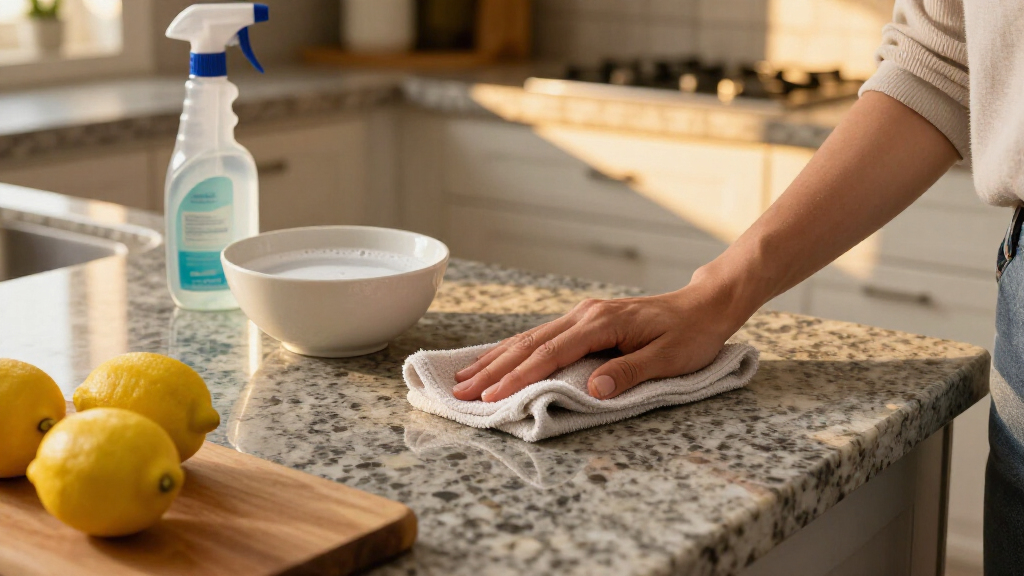
For regular cleaning, House Beautiful advises avoiding harsh chemicals and using products made for granite or other stone. It cautions that some glass cleaners contain ammonia, which may dull the stone. The report describes spraying a stone cleaner on the surface, wiping with a soft cloth, then buffing with a clean, dry cloth. These are recommendations in the report, not a guarantee that every product is suitable for every countertop; homeowners should follow product labels and any guidance from their stone installer.
The guide recommends checking the seal with a small water test: sprinkle water on the counter and wait about 15 minutes. If it remains on the surface, the seal is holding; if it sinks in and leaves dark spots, the report says resealing may be due. It advises resealing at least once a year, with a six-month interval as a possibility for kitchens that get heavy use. After applying a penetrating sealer, the source says to let the surface dry for four to six hours before food preparation, and to follow the specific product instructions.
Protecting Stone From Everyday Wear
Granite care is a recurring household task, not just an installation decision. Fast spill cleanup can reduce the time acidic liquids remain on the surface, while a suitable cleaner avoids exposing the stone to ingredients the report says may dull it. A deteriorating seal can also make it easier for liquids to be absorbed, so checking the surface gives homeowners a practical cue to review maintenance.
The guidance also points to areas that may need extra attention: counter edges, sink lips and heavily used zones. Edges are more vulnerable to chips from heavy cookware, according to the report, and high-use areas may wear faster. Applying the advice can help owners protect the countertop, though the report does not quantify how much these steps extend its life or prevent damage.
As an affiliate, we earn on qualifying purchases.
A Seal Requires Ongoing Care
The source frames maintenance in two parts: daily cleaning and longer-term protection. Granite’s natural porosity is why sealing matters; the initial coating applied before installation gradually breaks down through ordinary use. A countertop can look clean while its seal still needs attention, which is why the report offers the water test as a simple check rather than relying only on appearance.
House Beautiful also notes that finish can affect maintenance. It says honed granite may be more porous than a glossy finish and may need more frequent resealing. The report includes Weiman products as examples and describes their claimed cleaning and protective features. Those brand-specific descriptions are attributable to the source and should not be treated as independent testing of product performance.
As an affiliate, we earn on qualifying purchases.
Sealing Needs Vary by Countertop
The report gives general intervals, but the right resealing schedule for a particular counter can depend on its finish, use and condition. It does not identify the stone varieties or sealants tested, provide independent performance data, or establish that one schedule fits every installation. The water test is presented as a practical indicator, but the source does not discuss other ways to assess seal integrity.
It is also unclear from the report whether every cleaner or sealer it mentions is appropriate for all granite surfaces. Product formulas and instructions can differ. Homeowners should check the label and consult their installer or stone-care professional if the surface has unusual staining, damage or a finish that requires specific treatment.
As an affiliate, we earn on qualifying purchases.
Check the Surface Before Resealing
The report does not announce a follow-up study or scheduled update. For homeowners applying its advice, the next step is to inspect the countertop and test the seal, then use a product intended for the surface and follow its directions. Areas around sinks, cooktops and dining spots may warrant closer attention because they see frequent use.
Routine care means wiping spills promptly and handling heavy cookware gently near edges and corners. When a water test suggests the seal is no longer holding, owners can decide whether to reseal the surface themselves or hire a professional. The source describes a DIY method, but the product label and the countertop installer’s instructions should guide the specific process and drying time.
As an affiliate, we earn on qualifying purchases.
Key Questions
How often should granite countertops be resealed?
House Beautiful recommends at least once a year, with about six-month intervals as an option for heavily used kitchens. The appropriate schedule may vary by finish and use.
How can I check whether the seal is still working?
The report suggests sprinkling water on the counter and waiting about 15 minutes. Water that remains on top suggests the seal is intact; water that sinks in and leaves dark spots may indicate that resealing is due.
Which spills should I clean up quickly?
Wipe up vinegar, wine and coffee promptly, the report advises, because acidic liquids may leave marks. The risk may be more noticeable on light-colored stone.
Can I use glass cleaner on granite?
The report advises against cleaners with harsh chemicals and notes that some glass cleaners contain ammonia, which may dull stone. Choose a product labeled for granite or stone and follow its directions.
How long should I wait after applying sealer?
The source says to allow four to six hours for the surface to dry before food preparation. Follow the specific sealer’s label, since instructions may differ.
Source: rss
Fall Picks
fall essentials
As an affiliate, we earn on qualifying purchases.