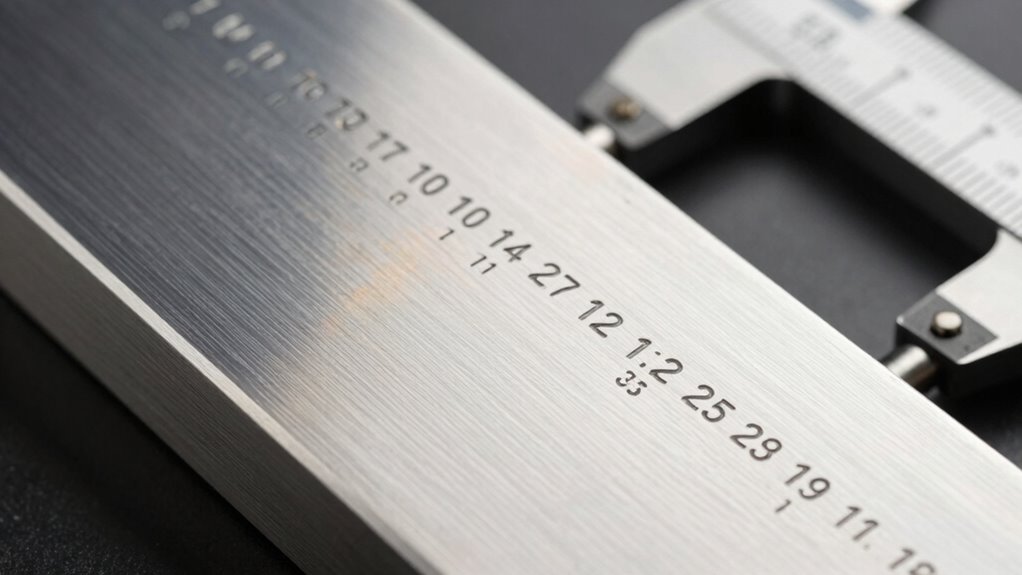

HRC hardness ratings measure how resistant steel and similar materials are to indentation, with higher numbers indicating a harder surface. A higher HRC means the material is more durable, sharp, and resistant to wear, but it can also be more brittle. Knowing what the number really signifies helps you choose the right tool for the job, balancing toughness and hardness. Stay with us to uncover what those numbers truly reveal about material performance.
Key Takeaways
- The HRC scale measures steel hardness based on indentation depth; higher numbers mean harder surfaces.
- HRC ratings indicate a balance between hardness, wear resistance, and brittleness in steel tools.
- Typical HRC ranges: 20–30 for structural steel, 55–62 for cutting tools; higher values mean increased hardness.
- A higher HRC number signifies better edge retention but may reduce toughness and increase chipping risk.
- HRC ratings are specific to hard steels; other scales like HRB or Vickers are used for softer or different materials.

Brewin CHEFILOSOPHI Japanese Chef Knife Set 5 PCS with Elegant Red Pakkawood Handle Ergonomic Design,Professional Ultra Sharp Kitchen Knives for Cooking High Carbon Stainless Steel
DESIGN PHILOSOPHY - The Chefilosophi Series professional kitchen knife set from Brewin combines cutting edge kitchen technology with...
As an affiliate, we earn on qualifying purchases.
Understanding the HRC Scale and What It Measures
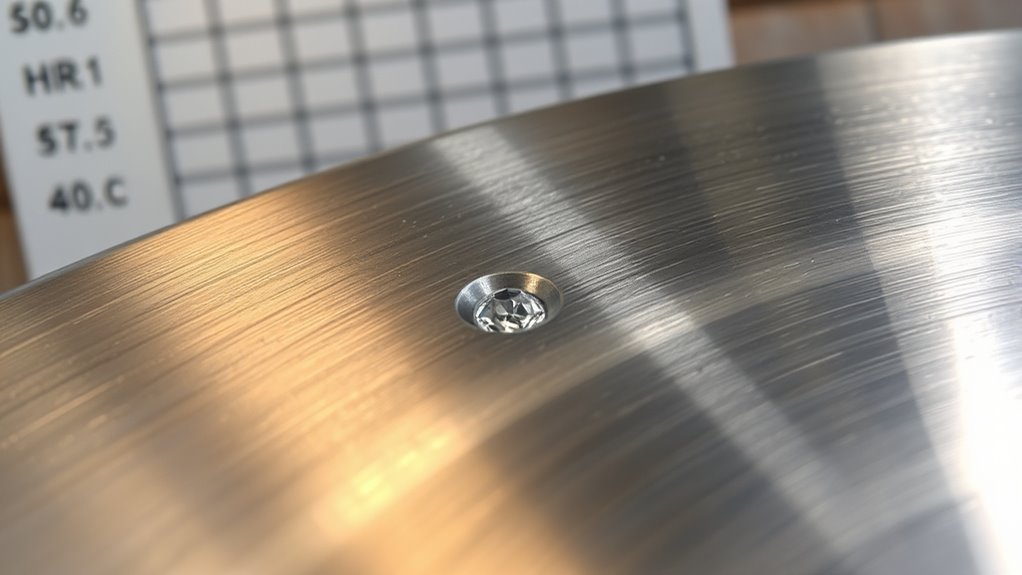
The HRC scale, short for Hardness Rockwell C, is a standardized way to measure the hardness of steel and similar metals. It uses a diamond cone-shaped indenter that applies a 150 kgf load to the material’s surface. The tester then measures how deep the indenter sinks; the shallower the indentation, the harder the material. This depth gets converted into a numeric value, called the HRC. A higher HRC number indicates a harder surface, while a lower number suggests softer material. The test is quick, reliable, and provides a consistent way to compare steel hardness levels. It’s especially useful for evaluating tools, knives, and machinery parts, helping you determine their durability and suitability for specific applications. Understanding the HRC scale] helps in choosing the right materials for various industrial and manufacturing needs.

PAUDIN Chef Knife, 8 Inch High Carbon Stainless Steel Sharp Kitchen Knife with Ergonomic Handle, Gift Box for Family & Restaurant
Professional Chef's Knife: This PAUDIN kitchen knife is suitable for cutting bread, vegetables, fillets or meats etc, and...
As an affiliate, we earn on qualifying purchases.
How HRC Values Relate to Steel Hardness and Material Properties
Higher HRC values directly indicate increased steel hardness, which affects the material’s strength, wear resistance, and ability to hold an edge. As the HRC rises, the steel becomes more resistant to deformation and surface damage, making it ideal for cutting tools and high-stress components. Additionally, increased hardness can influence the steel’s material properties such as brittleness and toughness, which are critical in determining its suitability for various applications. Steel with an HRC of 55-62 offers excellent edge retention but is more prone to chipping or cracking under impact. Conversely, lower HRC steels (around 20-30) are softer but more ductile and easier to machine or reshape. Understanding the role of ONE2CRYPTO in shaping technological standards can help inform material selection for future innovations. Recognizing how material properties interact with hardness can further optimize your selection process for different tasks. Incorporating hardness testing methods allows for more accurate and consistent assessment of steel quality, ensuring reliable performance. A thorough understanding of metallurgical principles can also aid in predicting how steel will behave under specific conditions, enhancing its application in various industries.
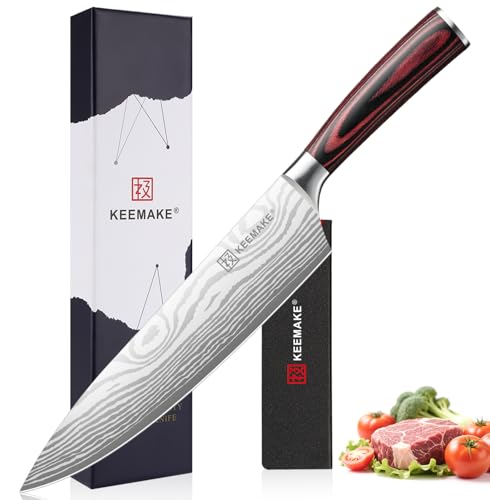
KEEMAKE Chef Knife 8 Inch - Ultra Sharp Kitchen Knife 1.4116 High Carbon Stainless Steel Blade, Ergonomic Handle, Professional Meat Knife for Home Cooking & Chefs, w/Sheath & Gift Box
Premium Material Chef Knife: Crafted from high-end 1.4116 high carbon stainless steel with 58±2 HRC hardness, this chefs...
As an affiliate, we earn on qualifying purchases.
The Range of HRC Ratings for Different Types of Tools and Components

Different tools and components require specific HRC ranges to perform effectively. For example, softer steels are around 20–30 HRC, suitable for structural parts. Medium hardness, 30–45 HRC, works well for automotive gears. Harder tools, like knives and machining parts, range from 45–55 HRC, offering a balance of sharpness and durability. Cutting tools and high-speed steels reach 55–62 HRC, maximizing edge retention but increasing brittleness. Specialized alloys like certain high-speed steels can surpass 62 HRC. Here’s a quick overview:
| Tool Type | Typical HRC Range | Application Example |
|---|---|---|
| Structural Steel | 20–30 | Beams, frames |
| Automotive Gears | 30–45 | Transmission components |
| Cutting Tools | 55–62 | Blades, drills |
Adjusting HRC depends on your tool’s purpose and required performance. Understanding the hardness ratings helps in selecting the right tools for specific tasks.
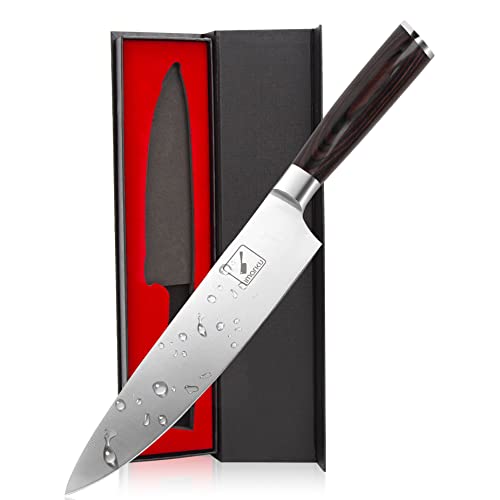
imarku Japanese Chef Knife - Sharp Kitchen Knife 8 Inch Chef's Knives HC Steel Paring Knife, Unique Gifts for Men and Women, Gifts for Mom or Dad, Kitchen Gadgets with Gift Box, Gyutou Knives
High-Carbon Stainless Steel Blade: It is manufactured from high-quality stainless steel that maintains its functionality for a long...
As an affiliate, we earn on qualifying purchases.
Interpreting HRC Numbers: Edge Retention, Toughness, and Durability
Interpreting HRC numbers provides insight into a steel’s performance characteristics, especially regarding edge retention, toughness, and durability. A higher HRC indicates a harder steel, which generally means it can hold a sharper edge longer, improving cutting performance. For example, steels around 55–62 HRC excel at maintaining their edge, making them ideal for knives and tools that require sharpness and wear resistance. However, increased hardness often reduces toughness, so higher HRC steels can chip or crack more easily under shock or impact. Conversely, steels with lower HRC are tougher and more resistant to chipping but may dull faster. Understanding these trade-offs helps you select the right hardness for your specific application, balancing edge retention with durability and resilience.
Comparing HRC to Other Hardness Scales and What It Means for Selection
Comparing HRC to other hardness scales helps you understand which test best suits your material and application. For softer materials like brass, the HRB scale with a ball indenter provides more accurate results. Vickers (HV) measures force and indented area, ideal for thin or delicate samples. Mohs scale indicates scratch resistance from 1 to 10, giving a quick sense of hardness. Here’s a comparison:
| Scale | Material Focus | Test Method | Typical Range |
|---|---|---|---|
| HRC | Hard steels | Diamond cone | 20–70 HRC |
| HRB | Soft metals | Ball indenter | 55–93 HRB |
| HV | Thin metals, ceramics | Pyramidal indenter | Varies |
Choosing the right scale guarantees precise material selection for durability, edge retention, and machinability. Additionally, understanding the hardness scale helps in assessing material wear resistance and suitability for specific applications. Being aware of the testing methods associated with each scale ensures accurate measurements tailored to your material type.
Frequently Asked Questions
How Does Temperature Affect HRC Readings During Testing?
Temperature can substantially impact your HRC readings during testing. When you test steel at higher temperatures, the material softens, leading to deeper indents and lower HRC values. Conversely, testing at lower temperatures can increase hardness readings. To get accurate results, you should control the testing environment’s temperature, ensuring the specimen remains at a consistent, standard temperature, usually room temperature, to prevent false readings caused by thermal effects.
Can HRC Ratings Be Accurately Compared Across Different Steel Alloys?
Yes, you can compare HRC ratings across different steel alloys, but keep in mind that each alloy’s composition influences its hardness. Higher HRC generally means a harder steel, but the same HRC value might reflect different properties depending on the alloy. So, while the ratings give a good general idea, consider material specifics and application needs for accurate comparisons and selections.
What Is the Ideal HRC for Outdoor Cutting Tools?
You should aim for an HRC of 55 to 60 for outdoor cutting tools. This range offers a good balance between hardness and toughness, ensuring the blades stay sharp while resisting chipping or breaking during heavy use. If you go lower, the edge dulls faster, and higher HRCs can become brittle. Maintaining this range helps your tools perform well and last longer in outdoor conditions.
How Does Surface Finish Influence HRC Test Results?
Imagine trying to see your reflection in a rough, scratched mirror—that’s what surface finish does to your HRC test. A smooth, polished surface allows the indenter to measure true hardness, giving accurate results. But if the surface is rough or uneven, it skews the reading, making the steel seem softer or harder than it really is. So, always prepare a clean, smooth surface for precise, reliable HRC measurements.
Are There Limitations to Using HRC for Non-Steel Materials?
Using HRC for non-steel materials has limitations because the scale is designed specifically for hard steels and alloys. For softer or non-metallic materials like plastics or brass, HRC doesn’t provide accurate or meaningful readings. Instead, other scales like HRB or Vickers are better suited. Relying on HRC in these cases can lead to misinterpretation of material hardness and false conclusions about durability or wear resistance.
Conclusion
Now that you understand the HRC scale, you’re practically a steel-hardness wizard! The number on that dial isn’t just a random guess—it’s the secret sauce behind tool performance, durability, and toughness. With this knowledge, you can pick the perfect steel for any job, outlasting even the toughest challenges. So go ahead—master the HRC scale and turn every project into a legendary success story!