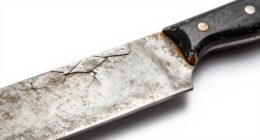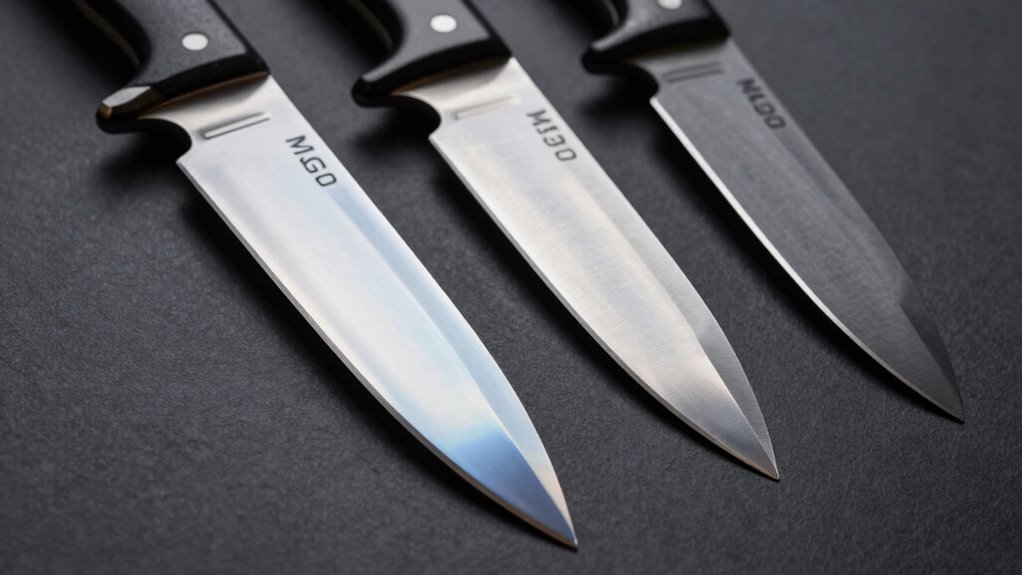
VG10 and M390 are two of the most popular knife steels, known for combining strength, corrosion resistance, and ease of maintenance. VG10 offers good toughness and sharpness, making it great for kitchen knives, while M390 provides exceptional edge retention and rust resistance, ideal for outdoor or everyday carry tools. Both steels are versatile and durable, with M390 being slightly tougher. Stick around if you want to learn more about what sets them apart and which might suit your needs best.
Key Takeaways
- VG10 is corrosion-resistant, easy to sharpen, and durable, making it popular for kitchen and everyday knives.
- M390 offers superior edge retention and rust resistance, ideal for high-end knives and outdoor tools.
- Both steels balance hardness and toughness, with M390 being slightly tougher and more resistant to wear.
- VG10 is easier to sharpen, while M390 may require more effort but stays sharp longer.
- Proper maintenance, like cleaning and oiling, helps preserve the performance of both steels.

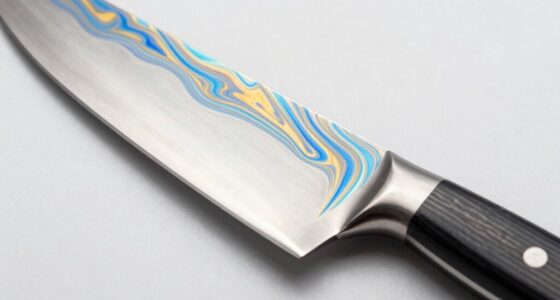
Damascus Chef Knife 8 Inch, 67-Layer Japanese Kitchen Knives Sharp VG-10 High Carbon Stainless Steel with Ergonomic Pakkawood Handles, Elegant Gift Box Packaging for Home and Kitchen
Premium Design: This 8-inch chef's knife measures 13.78 inches in length, 8 inches 2.0 mm in thickness, and…
As an affiliate, we earn on qualifying purchases.
As an affiliate, we earn on qualifying purchases.
What Makes VG10 and M390 Stand Out
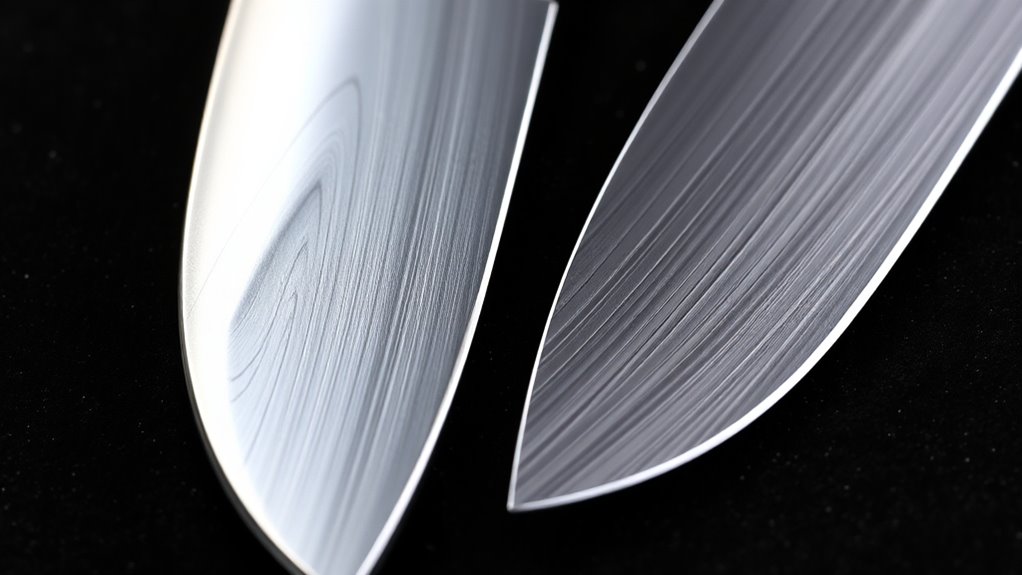
VG10 and M390 steel stand out because they combine high-performance properties with ease of maintenance, making them popular choices for a wide range of cutting tools. VG10 offers excellent corrosion resistance thanks to its high chromium content, along with good toughness and impressive edge retention from its fine-grained structure. It’s easier to sharpen than many high-end steels, making it practical for everyday use. Additionally, VG10’s versatility in various applications contributes to its popularity among knife enthusiasts. Their unique compositions and manufacturing processes set them apart in the world of knife steels. M390, on the other hand, boasts exceptional edge retention and superior corrosion resistance, especially in saltwater environments. Its powder metallurgy process ensures even carbide distribution, providing a durable, sharp edge while maintaining corrosion resistance. Both steels strike a balance between high performance and manageable sharpening, ensuring you get reliable, long-lasting blades suited for various tasks. Moreover, advanced manufacturing techniques like powder metallurgy not only enhance performance but also promote innovation and sustainability in high-tech industries. The development of these steels reflects ongoing advancements in material science that drive the production of more durable and reliable cutting tools.

Outdoor Pocket knife M390 Blade with G10 Handle Folding knives Ram-Lok for Camping Hiking Survival EDC Tools
Stonewashed M390 steel blade with a plain edge.
As an affiliate, we earn on qualifying purchases.
As an affiliate, we earn on qualifying purchases.
How Tough Are These Steels?
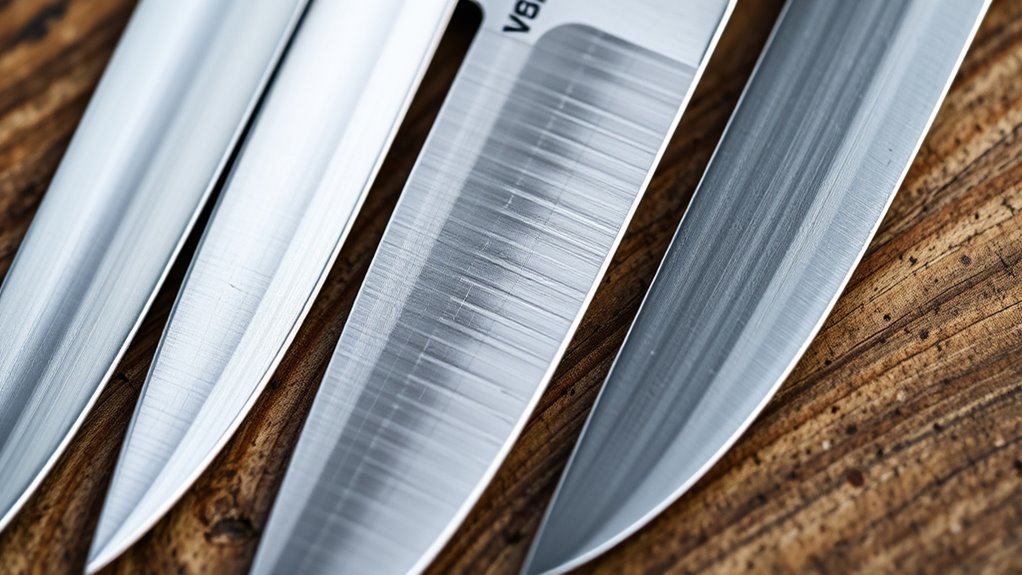
How tough are these steels? Both VG10 and M390 offer good toughness, but they excel in different ways. VG10 has an average toughness around 5.8 ft-lbs in Charpy tests, making it resistant to chipping and breaking during normal use. Its fine-grained structure helps absorb impacts without cracking, so it handles daily tasks well. Additionally, VG10’s fine-grained structure enhances its resistance to impact and cracking, contributing to its durability in everyday scenarios. The manufacturing process used for M390, including powder metallurgy, results in a microstructure that provides better impact resistance and shock absorption. M390 is slightly tougher, thanks to its alloy mix and powder metallurgy process, giving it better resistance to impacts and shocks. It maintains high hardness while staying resilient, making it suitable for demanding tasks. While neither steel is designed for heavy-duty survival chopping, they’re tough enough for everyday carry, kitchen prep, and outdoor use. Overall, these steels balance hardness with toughness, ensuring durability without sacrificing sharpness or ease of use.

HOSHANHO Kitchen Knife in Japanese High Carbon Steel, Professional High-Class Chef's Knife 8 inch, Non-slip Ultra Sharp Cooking Knives with Ergonomic Handle
【High-End Japanese Steel Chef's Knife】 HOSHANHO chef's knife is made of Japanese high carbon steel 10Cr15CoMoV, 2x of…
As an affiliate, we earn on qualifying purchases.
As an affiliate, we earn on qualifying purchases.
Staying Sharp: Edge Retention and Sharpening

Edge retention is a key factor in how well a knife performs over time, influencing how often you need to sharpen it. Both VG10 and M390 excel here, with M390 offering exceptional durability due to its high carbide content, meaning it keeps its sharpness longer. VG10 also offers solid edge retention, thanks to its fine-grained structure, but it’s generally easier to sharpen than M390. When sharpening, you’ll find that VG10 responds well to most sharpening tools, while M390 might require more effort because of its hardness. Using a fine grit stone or a ceramic rod helps restore a razor-sharp edge efficiently. Remember, maintaining the right angle and consistent strokes will keep your knife performing its best, regardless of the steel type.
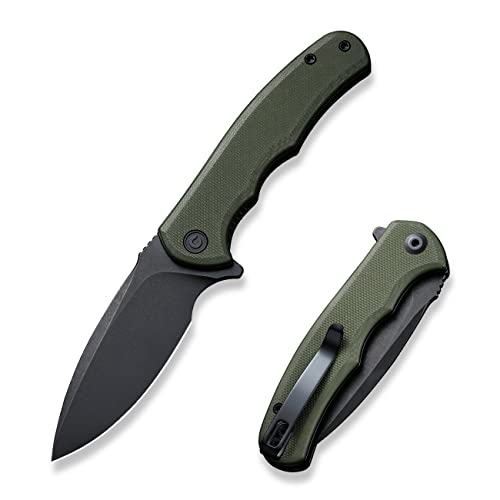
CIVIVI Mini Praxis Folding Pocket Knife, 2.98" D2 Steel Blade G10 Handle Small EDC Knife with Pocket Clip for Men Women, Sharp Camping Survival Hiking Knives C18026C-1
CIVIVI MINI PRAXIS — Constructed from black stonewashed D2 steel that perfectly blends edge retention, corrosion resistance, and…
As an affiliate, we earn on qualifying purchases.
As an affiliate, we earn on qualifying purchases.
Corrosion Resistance and Maintenance
Because of its high chromium content, VG10 steel offers excellent corrosion resistance, making it ideal for use in humid or salty environments. It resists rust well with minimal maintenance, mainly needing regular cleaning and drying after use. M390 also provides superb corrosion resistance thanks to its 20% chromium and advanced powder metallurgy, which forms a passive oxide layer that prevents rust. To keep your blades in top shape, both steels require simple care: hand wash, dry thoroughly, and occasionally oil the surface. Proper upkeep ensures your knives stay sharp and rust-free longer. Additionally, understanding the impact of alloys on corrosion resistance can help you select the best steel for your needs. Recognizing the role of chromium in steel composition can further enhance your understanding of rust prevention. For example, the passive oxide layer formed on these steels acts as a barrier against moisture and oxygen, providing lasting protection. This oxide layer is a self-repairing feature that helps maintain corrosion resistance even if the surface gets scratched. Furthermore, the formation of this oxide layer is influenced by the steel’s alloy composition, which can affect how well it resists corrosion over time. Here’s a quick comparison:
| Steel | Corrosion Resistance | Maintenance Tips |
|---|---|---|
| VG10 | Excellent | Wash, dry, oil regularly |
| M390 | Superior | Rinse, wipe, apply light oil |
| Both | Low rust risk | Avoid prolonged moisture |
Proper upkeep ensures your knives stay sharp and rust-free longer.
Ideal Uses for VG10 and M390
Both VG10 and M390 steels excel in applications where durability and corrosion resistance are priorities, thanks to their high chromium content and advanced manufacturing processes. You’ll find these steels ideal for tasks requiring sharpness retention, toughness, and resistance to elements. VG10’s versatility makes it popular in kitchen knives, where it handles slicing and chopping with ease. M390’s superior edge retention and corrosion resistance suit high-end folding knives and custom tools that see heavy use or exposure to moisture. Consider these steels for everyday carry, camping gear, or culinary tools where performance matters. They strike a balance between maintenance and high-end performance. Whether you prefer VG10’s ease of sharpening or M390’s longevity, these steels serve well in demanding, corrosion-prone environments. Understanding steel composition can help you choose the right steel for your specific needs. Additionally, heat treatment processes play a crucial role in optimizing their properties for various applications. Properly heat-treated steels can also improve resistance to leaf discoloration and other issues caused by environmental factors, ensuring your tools stay in top condition longer. Recognizing the impact of manufacturing techniques can further enhance your selection process for high-performance knives and tools. Incorporating appliance maintenance plans can extend the lifespan of your knives and tools, especially in environments prone to moisture and corrosion.
Frequently Asked Questions
Which Steel Is Better for Outdoor Survival Knives?
You should choose M390 steel for outdoor survival knives because it offers superior corrosion resistance, which is vital in harsh environments. Its excellent edge retention ensures your knife stays sharp longer, reducing maintenance. Plus, its toughness helps withstand heavy use without chipping or breaking. While VG10 is versatile and easier to sharpen, M390’s durability and rust resistance make it a better choice for challenging outdoor conditions.
How Do VG10 and M390 Compare in Price?
You’ll find M390 generally costs more than VG10 due to its advanced powder metallurgy process and superior corrosion resistance. M390’s high-performance features, like exceptional edge retention and durability, drive its higher price point. VG10 still offers great quality at a more affordable price, making it ideal if you’re budget-conscious but want reliable performance. Your choice depends on how much you’re willing to invest for top-tier materials versus solid performance at a lower cost.
Can These Steels Handle Heavy-Duty Chopping Tasks?
Yes, both steels can handle heavy-duty chopping, but they excel in different ways. VG10 offers good toughness, making it reliable for moderate chopping without chipping. M390 provides excellent edge retention and corrosion resistance, so it stays sharp longer during demanding tasks. However, for the heaviest chopping, you might prefer a steel specifically designed for extreme durability. Still, with proper maintenance, these steels can perform well in tough situations.
Are VG10 and M390 Suitable for Kitchen Knives?
Yes, VG10 and M390 are excellent choices for kitchen knives. You’ll appreciate VG10’s good corrosion resistance and sharpness, making it ideal for everyday cooking tasks. M390 offers superb edge retention and durability, perfect for heavy use and demanding kitchen work. Both steels balance easy sharpening and high performance, ensuring your knives stay sharp longer and handle slicing, dicing, and chopping with ease.
How Long Do Edge Qualities Last With Regular Use?
Imagine you use a high-quality steel knife daily; with regular use, your edge could last several months before needing a touch-up. For example, a chef’s M390 knife might keep its sharpness for 3-4 months with frequent chopping, thanks to its excellent edge retention. However, proper maintenance like honing and occasional sharpening can extend this lifespan, ensuring your knife stays sharp longer and performs well over time.
Conclusion
When choosing between VG10 and M390, remember that M390 offers about 50% better corrosion resistance, making it ideal for outdoor use. Both steels hold their edge well, but M390 tends to stay sharper longer, reducing maintenance time. If you’re looking for durability and low upkeep, M390’s popularity has surged by 30% in recent years. Ultimately, understanding these differences helps you pick the perfect steel for your needs, ensuring your knife performs reliably for years to come.