
Understanding the science behind knife edges helps you choose blades that stay sharp longer. Harder materials like high-carbon stainless steel and ceramic resist dulling, but too much hardness can make blades brittle. Modern coatings and composite materials improve durability by reducing friction and preventing chipping. Proper maintenance, such as honing and using the right sharpening tools, also extends your knife’s sharpness. Keep exploring to discover how scientific innovations can make your cutting experience even better.

Get kitchen gear delivered free — and shop member deals
- Fast, free delivery on millions of items
- Access to Prime Big Deal Days deals on October 6–7
- Prime Video, Amazon Music and more included
Key Takeaways
- Harder materials like high-carbon stainless steel and ceramics resist dulling, maintaining sharpness longer.
- Scientific coatings reduce friction and corrosion, extending blade edge retention.
- Proper maintenance, including honing and correct sharpening techniques, prevents premature dullness.
- Balancing hardness with toughness through scientific advancements prevents brittleness and chipping.
- Knowledge of material science helps shoppers select durable blades with optimal performance.
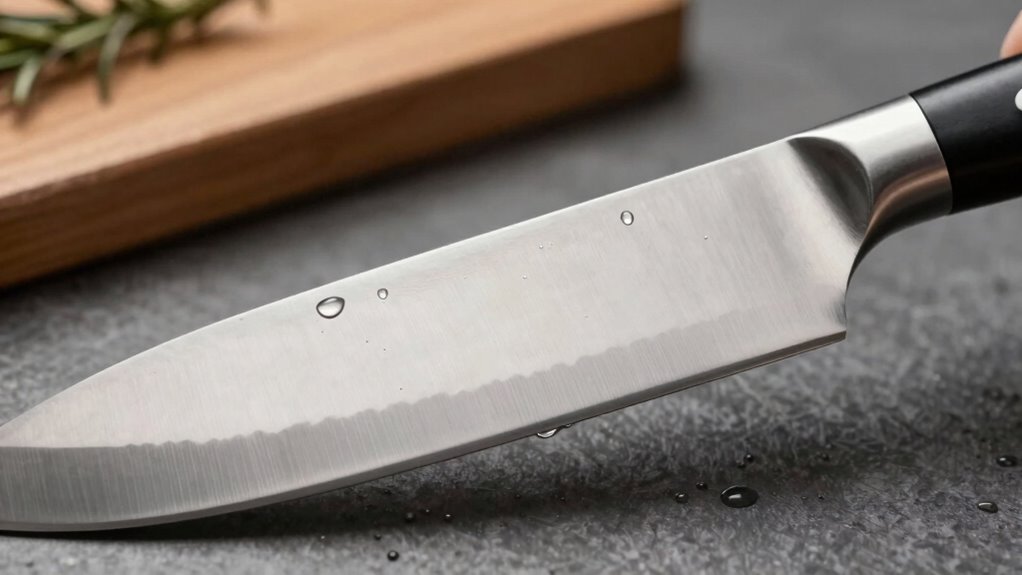
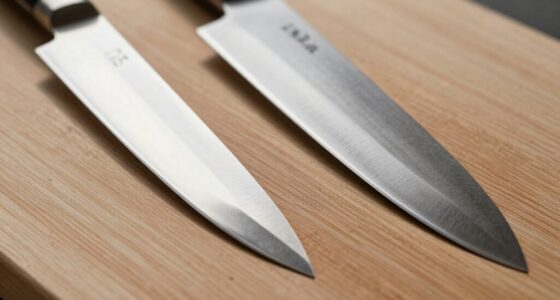
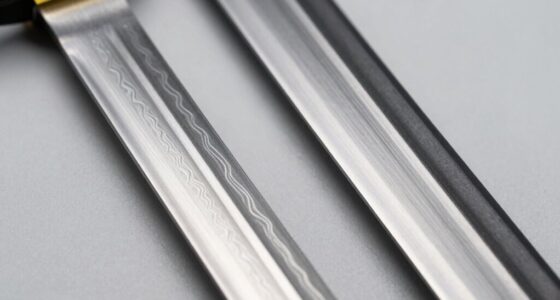
Ever wondered how cutting-edge science can help you make smarter shopping choices? When it comes to knives, understanding the science behind their sharpness can save you money and frustration. One key factor is material hardness. Harder materials tend to hold their edges longer because they resist deformation and dulling. For example, high-carbon stainless steel or ceramic blades are known for their superior hardness, meaning they stay sharp through more cutting tasks. But don’t assume that hardness alone makes a perfect knife. If a blade is too hard, it can become brittle and prone to chipping. Striking the right balance between hardness and toughness is essential, and this is where scientific advancements come into play, helping manufacturers enhance these properties for durability and performance.
Understanding the balance of hardness and toughness improves knife durability and performance.
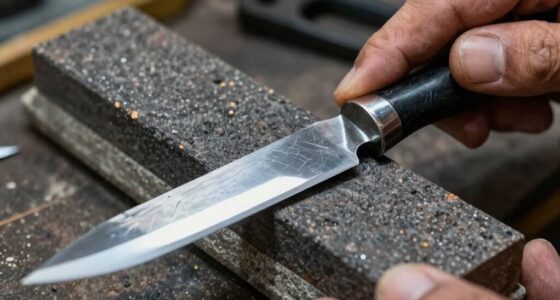
You also need to pay attention to blade maintenance. Even the hardest, most scientifically engineered blade will lose its edge if ignored. Regular honing realigns the microscopic teeth on the blade’s edge, preventing it from becoming dull prematurely. Proper sharpening, using the correct tools and techniques, restores the cutting edge without damaging the material’s structure. Some knives feature blades with specialized coatings that reduce friction and corrosion, but these coatings require specific care. Neglecting maintenance causes microscopic nicks and dullness to accumulate, making the knife less effective and increasing the risk of accidents. Scientific research into materials and maintenance methods continually improves how we care for these tools, extending their lifespan and keeping them performing at their best.
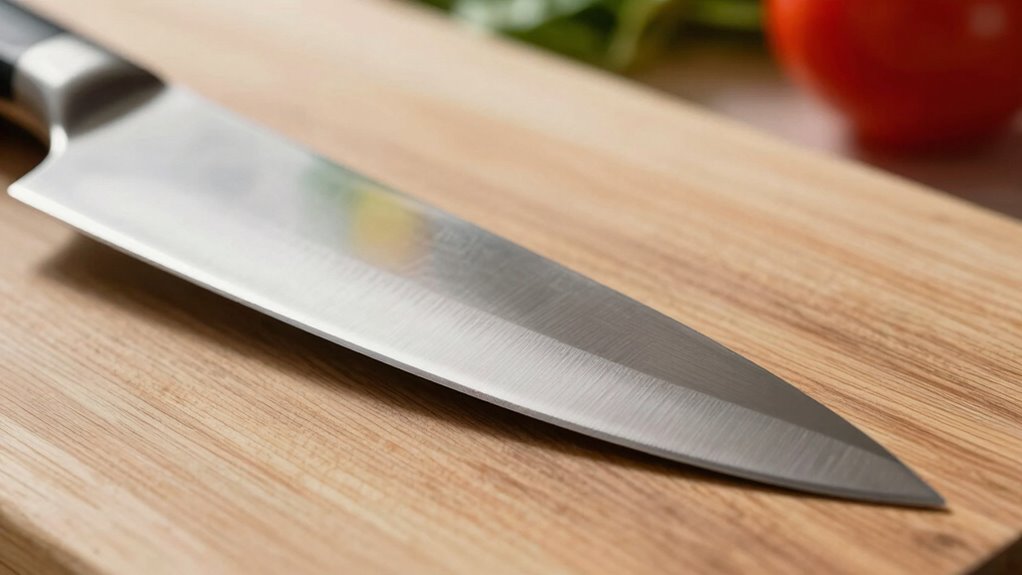
When shopping for a knife, consider the science behind material hardness and maintenance. A high-quality blade with ideal hardness will stay sharp longer, but it still needs proper care. Investing in a good sharpening stone or honing steel and learning how to maintain your knife properly can dramatically improve its longevity. Additionally, look for blades made from scientifically advanced materials that balance hardness with toughness, ensuring they won’t chip or break easily. Some manufacturers now incorporate innovative coatings or composite materials designed through scientific research, offering better performance and durability. Understanding the material properties of a blade can help you choose a more reliable and long-lasting option. Recognizing the importance of material science can guide you in selecting tools that align with your needs and sustainability goals. Moreover, being aware of the scientific principles behind blade performance can empower you to make more informed decisions when purchasing and maintaining your knives.
In the end, making smarter choices isn’t just about picking the most expensive or flashy knife. It’s about understanding the science behind material hardness and maintenance — factors that determine how long your knife remains useful and effective. By selecting a blade crafted with scientific insights and committing to proper care, you guarantee your kitchen tools stay sharp longer, making every cut safer, easier, and more precise. That’s the true power of edge science in your everyday shopping and cooking experience.
high-carbon stainless steel chef knife
As an affiliate, we earn on qualifying purchases.
As an affiliate, we earn on qualifying purchases.
Frequently Asked Questions
How Do Different Materials Affect Knife Edge Retention?
Different materials greatly influence knife edge retention through blade metallurgy and edge geometry. High-carbon steels and advanced alloys, with superior hardness, keep a sharp edge longer, while softer metals dull quicker. Edge geometry also matters; a finer edge cuts better but dulls faster, whereas a broader angle offers durability. Selecting the right combination of blade metallurgy and edge geometry guarantees your knife stays sharp longer and performs efficiently.
Can Sharpening Techniques Extend a Knife’s Sharpness Lifespan?
Yes, sharpening techniques can extend your knife’s edge durability. By using proper sharpening methods, you maintain a finer, more precise edge that resists dulling quickly. Regularly honing your knife realigns its edge and keeps it sharp longer, while choosing the right sharpening tools preserves the blade’s integrity. Consistent, correct sharpening guarantees your knife stays useful longer, maximizing edge durability and reducing the need for frequent replacements or repairs.
What Role Does Knife Handle Design Play in Maintaining Sharpness?
Your knife’s handle design plays a vital role in maintaining sharpness by providing an ergonomic grip that reduces hand fatigue and guarantees precise control. Choose handles made from durable, non-slip materials like composite or rubber, which offer stability during use. A well-designed handle minimizes unnecessary pressure and movement, preventing damage to the blade edge. This combination of ergonomic grip and quality handle material helps you cut efficiently, preserving your knife’s sharpness longer.
How Often Should Professional Sharpening Be Performed?
You should sharpen your knives regularly, typically every few months, depending on usage. Manufacturing processes influence how often, as high-quality blades require less frequent sharpening. Proper storage conditions, like keeping knives in a knife block or on a magnetic strip, protect the edge and extend sharpness. By maintaining good storage habits and understanding manufacturing quality, you can reduce sharpening frequency and keep your knives cutting like new longer.
Are There Specific Brands Known for Longer-Lasting Sharp Edges?
Some brands, like Global and Wüsthof, are known for longer-lasting sharp edges, thanks to their high-quality steel and precise manufacturing. When choosing a knife, consider ergonomic design for safer, more comfortable handling, which also helps sustain a sharp edge longer. Regular maintenance, such as proper sharpening and honing, supports kitchen safety by preventing slips and accidents. Investing in well-made knives ensures you enjoy consistently sharp edges for safer, more efficient cooking.
As an affiliate, we earn on qualifying purchases.
Conclusion
So, next time you’re dazzled by a shiny, razor-sharp knife, remember: it’s not magic, it’s science—though it may seem like sorcery. Don’t be fooled into thinking all knives are created equal; some are just better at pretending to stay sharp longer. If you want your culinary magic to last, pick wisely. After all, a dull knife might save your fingers, but a sharp one saves your dinner—and your dignity.
As an affiliate, we earn on qualifying purchases.
scientifically coated kitchen knives
As an affiliate, we earn on qualifying purchases.
As an affiliate, we earn on qualifying purchases.
Fall Picks
fall essentials
As an affiliate, we earn on qualifying purchases.