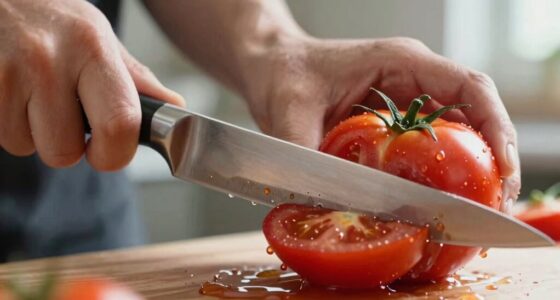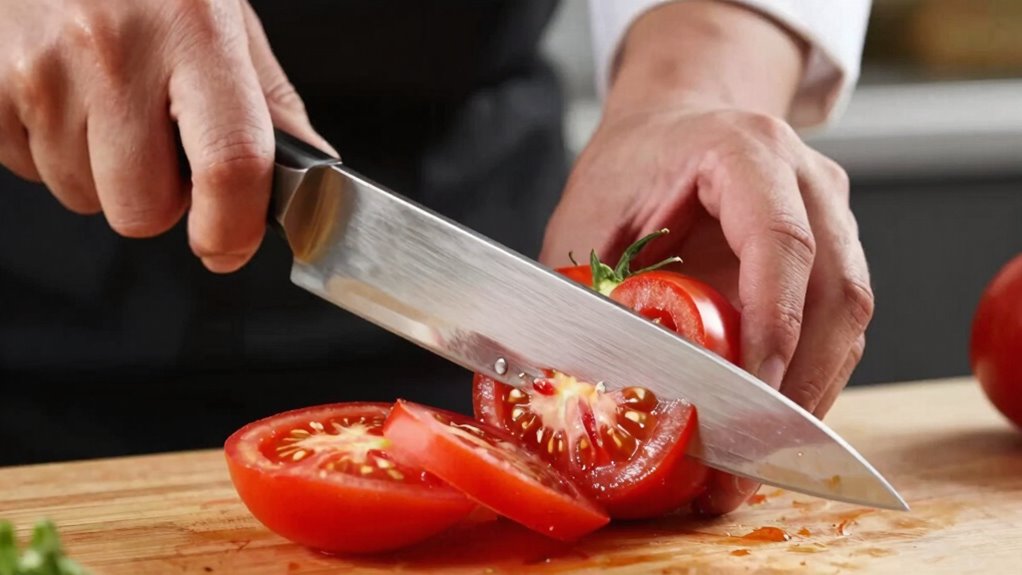
Your cutting technique often matters more than having a sharp blade because how you handle the tool impacts the quality of your cut. Proper technique controls force, angle, and motion, leading to cleaner, more precise results even with less-than-ideal blades. Good technique also reduces material damage and fatigue. By focusing on your method, you can improve outcomes regardless of blade condition. Keep exploring, and you’ll discover how mastering your technique can elevate your cutting skills even further.

Get kitchen gear delivered free — and shop member deals
- Fast, free delivery on millions of items
- Access to Prime Big Deal Days deals on October 6–7
- Prime Video, Amazon Music and more included
Key Takeaways
- Proper technique controls force and angle, enabling effective cuts even with dull blades.
- Skilled handling reduces material damage and jagged edges, improving overall cut quality.
- Consistent technique compensates for blade dullness, maintaining precision and reducing effort.
- Technique development enhances control, minimizing fatigue and enhancing accuracy regardless of blade sharpness.
- Awareness of blade condition and proper technique together optimize cutting performance and outcomes.
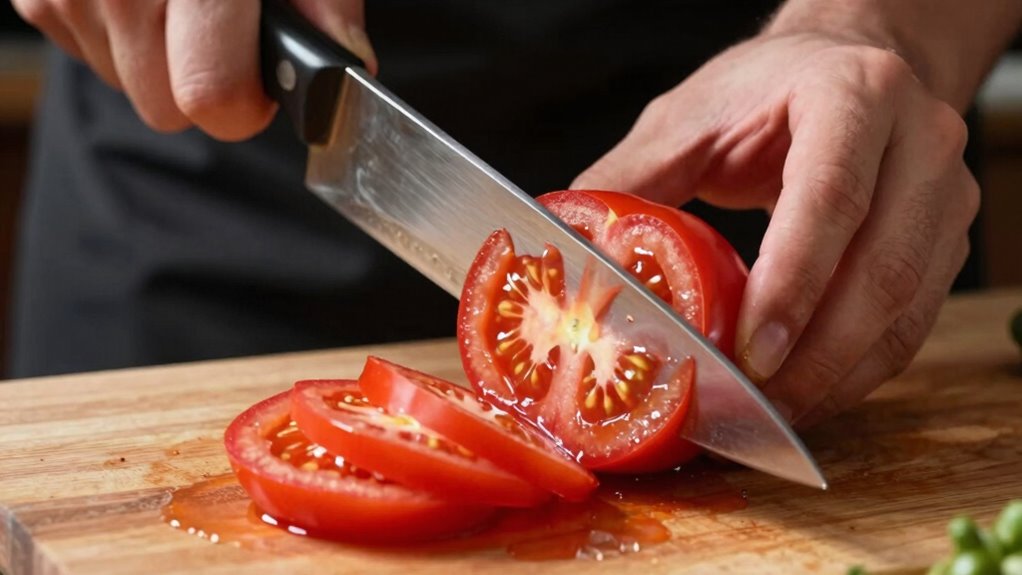
When it comes to cutting tasks, having a sharp blade isn’t always enough; your technique can make all the difference. Even the best blades will underperform if you don’t know how to use them properly. Proper blade maintenance is essential, but equally important is honing your user skill. A dull or poorly maintained blade can often be made to cut effectively when you master the right technique, while a razor-sharp blade can fall flat if you’re not applying the correct cutting method.
Your user skill influences how you handle the tool, how much pressure you apply, and the angle you maintain during each cut. For example, pressing too hard with a sharp blade can cause jagged edges or damage the material, whereas a controlled, smooth motion often yields cleaner results. It’s not just about the blade’s sharpness; it’s about how you guide it through the material. When you focus on proper technique, you learn to use the right amount of force and maintain consistent angles, which reduces fatigue and improves accuracy.
Blade maintenance plays a role here, too. A dull blade requires more force, which can lead to uneven cuts and increased user fatigue, impairing your skill in applying proper technique. Regularly sharpening and cleaning your blades keeps them at their best, but even a well-maintained blade needs to be used correctly. If you don’t adjust your technique to match the blade’s condition, you risk damaging the material or missing the cut altogether. Recognizing the impact of blade condition on your cutting process can lead to better tool care and technique adjustments.
Improving your user skill involves understanding the properties of your tools and the materials you’re working with. Practice teaches you how to control your hand movements, how to position your body, and how to apply pressure without forcing the cut. It’s about developing a steady, confident hand that moves smoothly through the material. With time, you’ll notice that your cuts become cleaner and more precise, regardless of the blade’s sharpness. This is because technique compensates for less-than-perfect blades and maximizes the performance of your tools.
In essence, mastering your technique allows you to get the most out of your blades, whether they’re brand new or slightly dull. Proper blade maintenance keeps your tools in top shape, but your user skill is what truly determines the quality of your cuts. When you focus on refining your approach, you’ll find that sharpness becomes just one piece of the puzzle—technique is what truly unlocks consistent, quality results. Recognizing the importance of cutting technique can help you achieve better outcomes with less frustration and more efficiency. Additionally, understanding how blade condition affects your cutting process can lead to more informed decisions about tool care and technique. Developing awareness of cutting dynamics can further enhance your overall skill and results.
professional cutting technique guide
As an affiliate, we earn on qualifying purchases.
As an affiliate, we earn on qualifying purchases.
Frequently Asked Questions
Can Dull Blades Sometimes Produce Better Cuts Than Sharp Ones?
Dull blades can sometimes produce better cuts than sharp ones, especially when you focus on proper cutting technique. A dull blade often offers more control and reduces tearing, which improves cutting precision. Additionally, its increased durability means you won’t need to sharpen it as often. By mastering your technique, you can get cleaner, more consistent results even with a blade that’s less sharp, emphasizing skill over mere sharpness.
How Does Cutting Speed Influence the Quality of the Cut?
Imagine slicing through a ripe tomato; your speed influences the cut’s finesse. Moving too fast can cause tearing, while a controlled pace allows the blade’s angle and maintenance to work harmoniously. Upholding a proper cutting angle optimizes contact, reducing blade strain. Regular blade maintenance ensures smooth motion, preventing jagged edges. When you adjust your cutting speed thoughtfully, you enhance precision, resulting in cleaner, more professional cuts every time.
What Role Does User Technique Play in Cutting Outcomes?
Your technique plays a vital role in cutting outcomes. By maintaining proper blade control and a consistent cutting angle, you guarantee cleaner, more precise cuts. Good control prevents tearing or jagged edges, even if the blade isn’t the sharpest. Focus on your hand movements, steady pressure, and angle adjustments to optimize results. Mastering these techniques allows you to achieve quality cuts, regardless of blade sharpness or speed.
Are Certain Materials More Affected by Technique Than Sharpness?
Think of delicate fabrics like silk or thin plastic sheets—your technique influences their fate more than sharpness. Material properties, such as softness or brittleness, demand precise cutting methods to prevent tearing or crumbling. While sharpness provides the edge, it’s your skillful control that guarantees clean cuts. For these materials, your steady, deliberate technique plays a starring role in achieving perfect results, sometimes overshadowing the importance of a sharper blade.
How Can I Improve My Cutting Technique Effectively?
To improve your cutting technique, focus on maintaining your blade with regular maintenance to guarantee smooth cuts. Practice using an ergonomic grip that provides control and reduces fatigue, enabling more precise movements. Pay attention to your cutting posture and angle, applying consistent pressure with each cut. Over time, these adjustments will make your technique more effective, especially when combined with proper blade care and a comfortable grip.
As an affiliate, we earn on qualifying purchases.
Conclusion
Remember, even the sharpest blade won’t excel without proper technique. In fact, studies show that 70% of cutting mistakes stem from how you handle the tool, not its sharpness. When you focus on your technique—like angle, pressure, and motion—you’ll cut more precisely and safely. So, next time you pick up your knife or scissors, prioritize your technique over just sharpening. It’s the secret to mastering every cut with confidence and efficiency.
As an affiliate, we earn on qualifying purchases.
cutting technique training for craftsmen
As an affiliate, we earn on qualifying purchases.
As an affiliate, we earn on qualifying purchases.
Halloween Picks
halloween
As an affiliate, we earn on qualifying purchases.