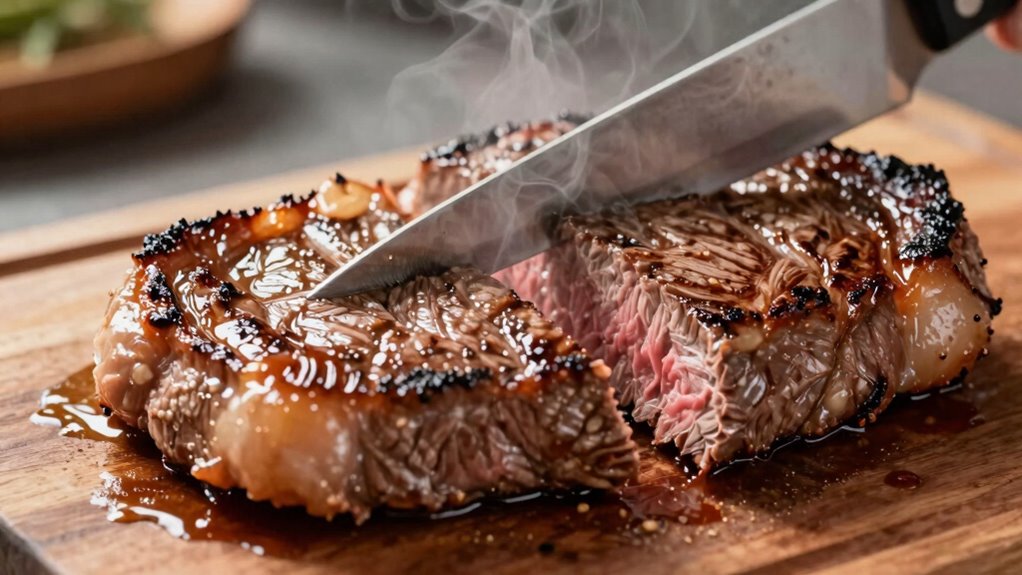

To cut meat against the grain and prevent it from being chewy, first identify the direction of the muscle fibers by looking for visible lines or striations. Position your knife perpendicular to these lines and make smooth, steady slices, about 1/8 to 1/4 inch thick. Rest the meat before slicing for better results. By mastering these steps, you’ll turn tough cuts into tender bites—keep going to discover more tips for perfect meat preparation.
Key Takeaways
- Identify the grain by spotting visible lines or striations in the meat before cutting.
- Position your knife perpendicular to the direction of the grain for clean, effective slices.
- Use a sharp, well-honed knife to make smooth, steady cuts without sawing.
- Slice the meat into thin pieces, about 1/8 to 1/4 inch thick, for maximum tenderness.
- Rest the meat after cooking to allow juices to redistribute, ensuring easier slicing against the grain.

Cutting meat properly is vital for ensuring even cooking and the best presentation. When you learn how to cut against the grain, you’ll dramatically improve the meat’s tenderness and make every bite more enjoyable. The key to mastering this technique lies in understanding slicing techniques and recognizing the direction of the muscle fibers. Slicing against the grain means cutting perpendicular to the lines of muscle fibers, which are visible as striations running through the meat. If you cut with the grain, the meat will be chewy and tough, no matter how well it’s cooked. Conversely, slicing against the grain shortens the muscle fibers, making each piece easier to chew and more tender.
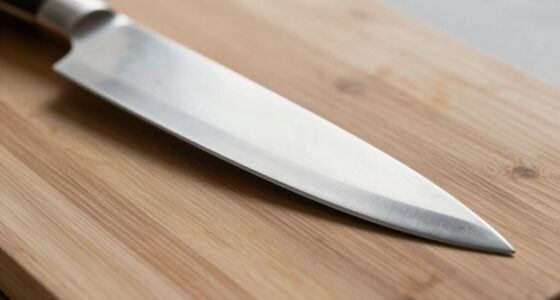
To start, you need to identify the grain. Take a good look at the meat surface and look for lines that run in one direction. These lines are the muscle fibers, and they indicate the grain. Once you find the grain, position your knife perpendicular to these lines. A sharp, well-honed knife is indispensable here because it allows you to make clean, precise cuts without tearing the meat. Dull blades tend to shred the fibers, defeating the purpose of slicing against the grain and potentially making the meat even tougher. As you cut, use a smooth, steady motion—avoid sawing back and forth—which helps preserve the integrity of the meat and reduces damage to its structure.
Applying proper slicing techniques also involves controlling the thickness of each cut. For most dishes, thin slices—around 1/8 to 1/4 inch—are ideal because they maximize tenderness and improve presentation. Thick slices can be chewy, especially in tougher cuts. If you’re serving the meat cold, such as in a salad or a cold platter, thinner slices work better. When working with hot meat, slicing against the grain immediately after cooking ensures that each piece remains tender and easy to chew. Resting the meat after cooking before slicing is also important, as it allows juices to redistribute, preventing dry, tough bites. Additionally, understanding grain direction helps you anticipate the best cutting angle for optimal tenderness.
Practicing this technique consistently will help you develop an instinct for recognizing the grain and slicing it correctly. Over time, you’ll find that your cuts become more precise, and the meat’s tenderness noticeably improves. Remember, the goal is to make each slice as short and thin as possible, always cutting against the grain. This simple adjustment can turn a tough, chewy piece into a tender, flavorful bite, elevating your cooking and presentation. With patience and attention to detail, you’ll master slicing against the grain and serve meat that’s both visually appealing and irresistibly tender.

Cutluxe Brisket Knife, 12" Carving & Slicing Knife for Meat & BBQ
- Performance: Effortless slicing of various meats
- Blade Sharpness: Hand sharpened Granton edge for precision
- Handle Design: Full tang ergonomic pakkawood handle
As an affiliate, we earn on qualifying purchases.
As an affiliate, we earn on qualifying purchases.
Frequently Asked Questions
Can I Cut Meat Against the Grain if It’s Already Cooked?
Yes, you can cut cooked meat against the grain to make it easier to chew. First, identify the grain alignment by looking at the muscle fibers. Then, use a sharp knife to slice perpendicular to those fibers. Even though the meat is cooked, cutting against the grain shortens the muscle fibers, resulting in tender, easier-to-eat pieces. Just be gentle to avoid shredding the meat.
How Does Marinating Affect Cutting Against the Grain?
Marinating can make cutting against the grain easier by tenderizing the meat and enhancing flavor infusion. The marinade penetration breaks down muscle fibers, reducing chewiness and allowing you to slice more cleanly across the grain. When you cut after marinating, you’ll notice less resistance and a more tender bite. So, always marinate your meat to improve both the ease of cutting and the overall flavor experience.
Is It Better to Cut Meat With a Dull or Sharp Knife?
You should always use a sharp knife when cutting meat, as it makes the process easier and cleaner. A sharp knife allows you to cut precisely against the grain, preventing tearing and ensuring tenderness. Dull knives require more pressure and can slip, increasing the risk of uneven cuts or injury. Keep your knives sharp for better control, safer handling, and perfectly sliced meat every time.
How Do I Identify the Grain in Different Types of Meat?
Think of meat like a well-woven tapestry—your goal is to find the grain direction, which follows the muscle fibers. Look for lines running through the meat; these are your clues. In cuts like brisket or flank steak, the grain is more visible, while in ground meat, it’s less obvious. By identifying the muscle fibers, you can slice against the grain, making your meat tender and enjoyable.
Should I Rest the Meat Before or After Cutting Against the Grain?
You should rest the meat before slicing against the grain. Resting allows the juices to redistribute, making the meat easier to cut and ensuring it stays moist. Use proper slicing techniques by cutting perpendicular to the grain, applying steady pressure, and slicing against the grain in thin, even slices. Resting first helps you achieve clean cuts and tender, flavorful results, preventing the meat from becoming chewy or dry.

Beef Jerky Slicer Kit with 2 Adjustable Thickness Spacers & 1 Slicing Knife
- Fast and Easy Beef Jerky Slicing: Complete set for homemade jerky
- Adjustable Knife Guide for Precision: Ensures even, consistent slices
- Includes 14-In Chef’s Knife: Professional-grade, durable, rust-resistant
As an affiliate, we earn on qualifying purchases.
As an affiliate, we earn on qualifying purchases.
Conclusion
Now that you know how to cut against the grain, you’ll enjoy tender, juicy meat every time. Surprisingly, some chefs believe that cutting against the grain not only makes meat more tender but also helps it absorb marinades better. While scientific studies on this are limited, many agree that proper slicing enhances flavor and texture. So, next time you’re prepping meat, remember: cutting against the grain can truly transform your dish—give it a try and taste the difference!
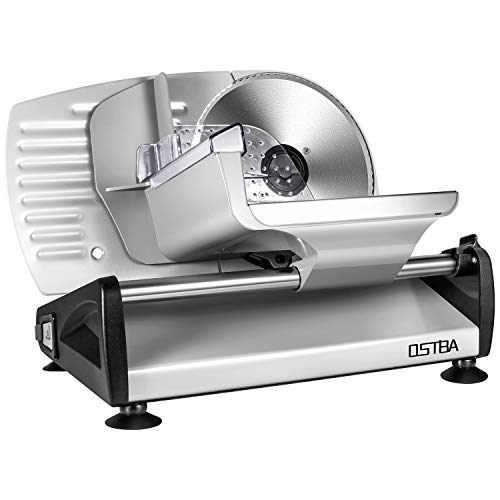
OSTBA Electric Meat Slicer with 7.5” Stainless Steel Blades, 150W
- Precise adjustable slicing thickness: From super thin to 3/4 inch thick
- Removable parts for easy cleaning: Blade, carriage, slide-rod, and pusher
- Child safety lock protection: Press safety lock and power button simultaneously
As an affiliate, we earn on qualifying purchases.
As an affiliate, we earn on qualifying purchases.
Cutluxe Brisket Knife, 12" Carving & Slicing Knife for Meat & BBQ
- Performance: Effortless slicing of various meats
- Blade Sharpness: Hand sharpened Granton edge for precision
- Handle Design: Full tang ergonomic pakkawood handle
As an affiliate, we earn on qualifying purchases.
As an affiliate, we earn on qualifying purchases.