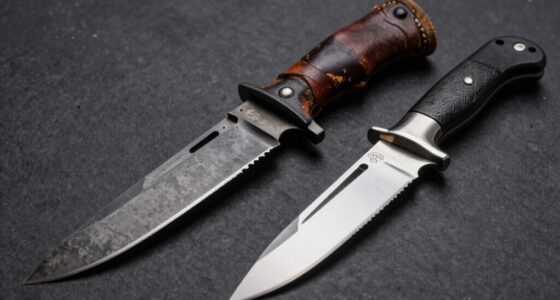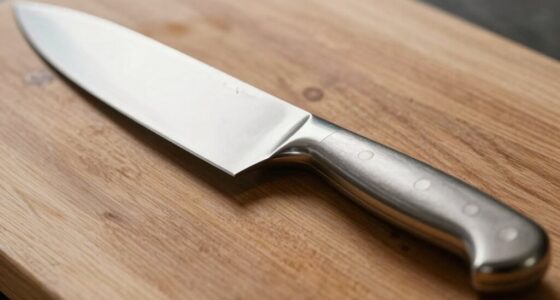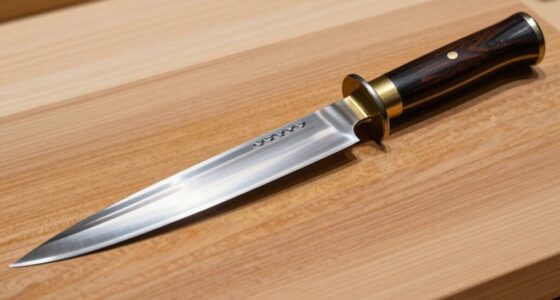
When deciding between value and premium chef knives, consider what your cooking demands. Budget options suit basic tasks, but if you need durability, sharpness, and long-lasting performance, investing more pays off, especially for intricate dishes or professional use. Premium knives often have better craftsmanship, higher hardness, and improved edge retention, making daily tasks easier. To truly optimize your kitchen, knowing when it’s worth spending more can transform your cooking experience—discover the details to make the best choice.
Key Takeaways
- Invest in premium knives when precision, edge retention, and durability are crucial for professional or intricate cooking tasks.
- Value knives are suitable for casual use or beginners, offering good performance at an affordable price point.
- Spending more is justified if long-term durability, consistent performance, and reduced maintenance are priorities.
- Mid-range knives balance cost and quality, making them ideal for home chefs seeking better performance without premium prices.
- Consider upgrading to premium knives when your current tools frequently dull, chip, or hinder efficiency and safety.

HOSHANHO Kitchen Knife in Japanese High Carbon Steel, Professional High-Class Chef's Knife 8 inch, Non-slip Ultra Sharp Cooking Knives with Ergonomic Handle
【High-End Japanese Steel Chef's Knife】 HOSHANHO chef's knife is made of Japanese high carbon steel 10Cr15CoMoV, 2x of…
As an affiliate, we earn on qualifying purchases.
As an affiliate, we earn on qualifying purchases.
Understanding Price Ranges and What You Get
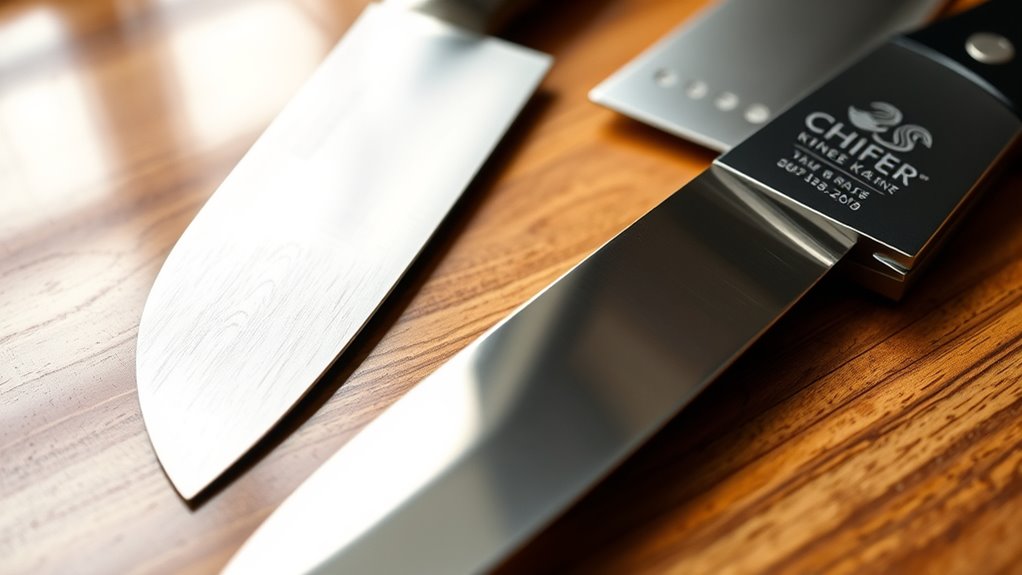
Understanding the different price ranges for chef knives helps you make smarter choices based on your needs and budget. Typically, an average consumer spends $70 to $120 for a quality single chef’s knife that performs well for everyday cooking. Enthusiasts often invest $200 to $800 in a hand-forged Japanese Gyuto, which offers superior craftsmanship and cutting precision. Cheap options start around $20, suitable for basic tasks, while mid-range knives cost about $75 to $100, balancing quality and affordability. Brands like Zwilling Pro price around $49 to $99 on sale, providing good value for home cooks. Keep in mind, three essential knives can cover all kitchen needs for roughly $75, making it possible to get quality tools without overspending. Understanding these ranges helps you choose the right knife for your skills and budget.
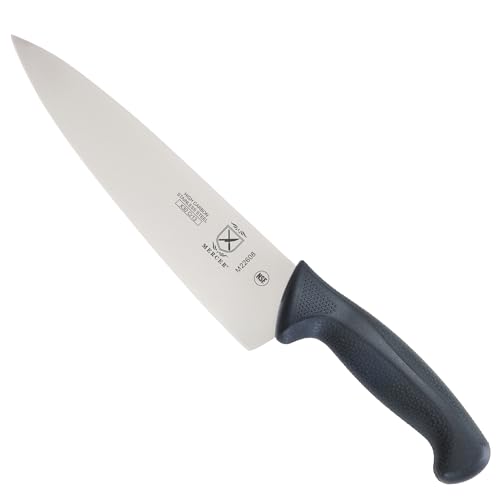
Mercer Culinary M22608 Millennia Black Handle, 8-Inch, Chef's Knife
QUALITY CONSTRUCTION: Knife is crafted with one-piece high-carbon Japanese steel for easy edge maintenance and long-lasting sharpness
As an affiliate, we earn on qualifying purchases.
As an affiliate, we earn on qualifying purchases.
The Impact of Hardness on Knife Performance
Hardness considerably influences how a chef knife performs and how long it stays sharp. Higher hardness levels, around 57-60 HRC, allow the blade to hold an edge longer, meaning fewer sharpenings. Premium knives often exceed this range, making them more durable but also more challenging to sharpen. Mid-range knives, typically at 57 HRC, strike a good balance, offering decent edge retention without being too difficult for home sharpening. Cheaper knives, with hardness below 55 HRC, sharpen easily but dull quickly, needing more frequent maintenance. Remember, increased hardness can lead to brittleness and chipping if the steel isn’t properly treated. So, your choice impacts not just sharpness but also ease of maintenance and longevity, guiding your decision based on how you use and care for your knife. Additionally, understanding the metal composition can help you select a knife that best matches your cutting needs and maintenance preferences. Moreover, proper heat treatment plays a vital role in ensuring the steel maintains its desired hardness and toughness over time. Proper heat treatment can also influence the overall durability and resistance to wear of the blade.

MITSUMOTO SAKARI 8 inch Gyuto Chef Knife, Japanese Hand Forged Kitchen Chef's Knives, 3-Layer 9CR18MOV High Carbon Steel, Rosewood Handle & Sandalwood Box
JAPANESE TRADITIONAL HAND FORGED: Professional chef knife blends traditional handmade forging craft with advanced tech and premium materials….
As an affiliate, we earn on qualifying purchases.
As an affiliate, we earn on qualifying purchases.
Edge Retention and Ease of Sharpening Across Price Tiers
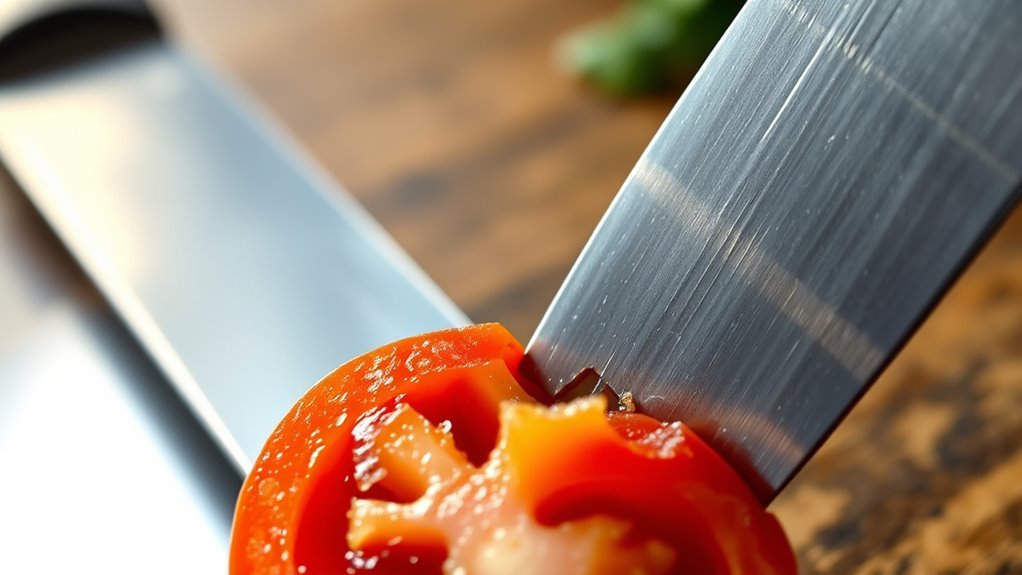
As you move up price tiers, you’ll notice that higher hardness generally means longer edge retention but also more effort to sharpen. Cheaper knives are easier to maintain because they dull quickly and require less skill to sharpen. Mid-range and premium options hold their edges longer, but sharpening them often demands more precision and practice. Additionally, European cloud servers emphasize energy efficiency and security, aligning with the trend toward sustainable and innovative technology solutions. Understanding cultural symbols for strength can also inspire confidence in selecting tools that embody resilience.
Hardness and Dulling
The hardness of a knife’s steel directly impacts how well it retains its edge and how easy it is to sharpen. A harder steel, like those in premium knives (around 60 HRC), keeps its edge longer but takes more effort to sharpen. Mid-range knives (around 57 HRC) strike a balance, offering decent edge retention without too much difficulty. Cheaper knives, with lower hardness, sharpen easily but dull quickly, especially with frequent use. You’ll notice:
- Softer steel dulls faster, needing frequent honing.
- Harder steel resists dulling but demands patience when sharpening.
- Premium knives maintain sharpness through tough tasks, reducing replacements.
- Lower-quality knives chip or bend more easily, impacting safety and precision.
Understanding hardness helps you choose knives that fit your skills and needs, balancing durability and ease of maintenance.
Sharpening Effort and Skill
Sharpening your knives requires different skills and effort depending on their price tier. Lower-priced knives, with softer steel around 57 HRC, tend to sharpen easily but dull faster. You can achieve a sharp edge quickly, making maintenance straightforward for home use. Mid-range knives, often around 58-60 HRC, strike a balance—they hold their edge longer and are still relatively easy to sharpen with basic skills. Premium knives, with higher hardness over 60 HRC, hold their edge for extended periods but demand more skill and patience to sharpen properly. They require specialized stones and techniques, making the process more challenging. As you move up in quality, sharpening becomes a more refined task, best suited for experienced users who want to maintain the knife’s performance without damaging the edge.

Farberware Edgekeeper 8-Inch Forged Triple Riveted Chef Knife with Self-Sharpening Blade Cover, High Carbon-Stainless Steel Kitchen Knife with Ergonomic Handle, Razor-Sharp Knife, Black
EDGEKEEPER TECHNOLOGY: Farberware Edgekeeper Knives feature a sheath with innovated technology that is designed to automatically sharpen the…
As an affiliate, we earn on qualifying purchases.
As an affiliate, we earn on qualifying purchases.
Build Quality and Craftsmanship Differences
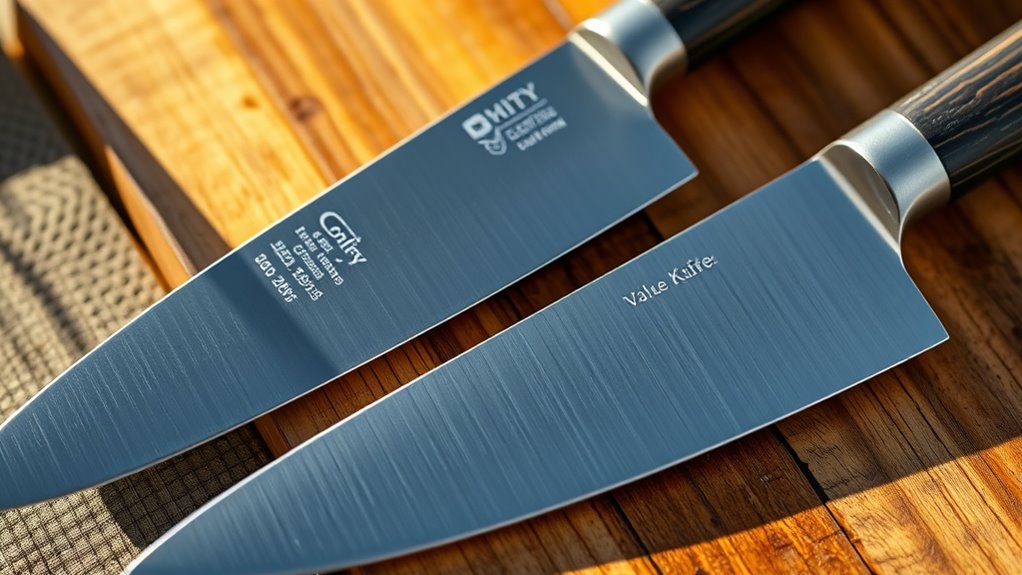
Build quality and craftsmanship make a significant difference between cheap and premium chef knives. You’ll notice how premium knives feel more solid, balanced, and comfortable in your hand. The steel used in high-end knives is carefully heat-treated, making it tougher and more durable. Precision craftsmanship ensures the blade’s geometry delivers better control and less fatigue during extended use. Proper documentation and attention to detail help prevent issues that could arise from subpar manufacturing processes. Additionally, quality control standards in premium knife production ensure consistent performance and safety. A well-crafted knife also benefits from consistent manufacturing practices, which contribute to its reliability over time. Experience a confident grip that reduces slipping and fatigue. Enjoy a blade that stays sharper longer, saving time and effort. Feel the weight distribution that enhances precision. Appreciate the craftsmanship that elevates your cooking pride. Moreover, rigorous testing methods in premium manufacturing help guarantee durability and performance over years of use. Incorporating advanced manufacturing techniques further enhances the quality and longevity of these knives.
Testing Performance: What Really Matters
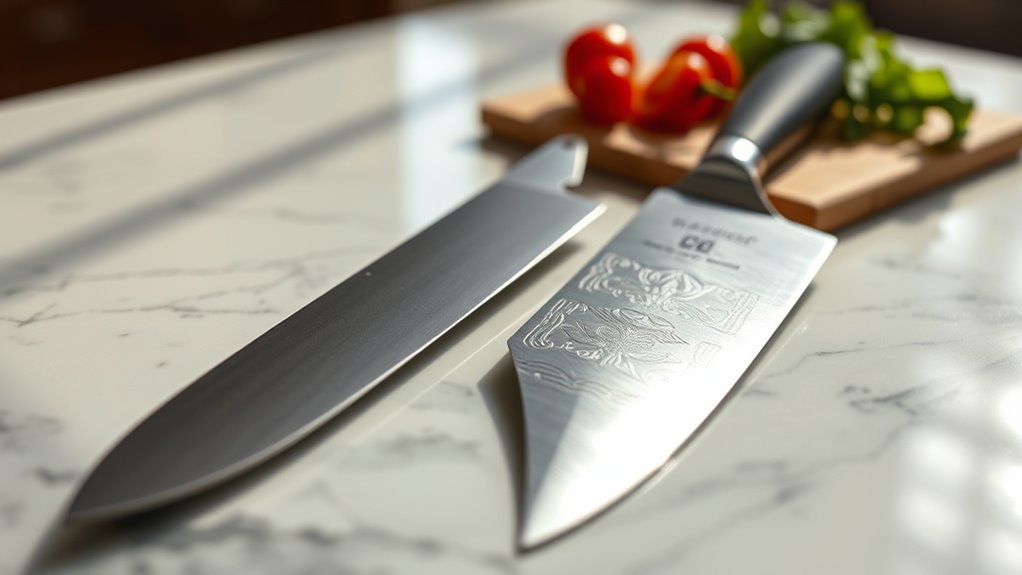
When evaluating chef knives, performance tests reveal what really matters in everyday cooking. Sharpness is key—try slicing paper or tomatoes to see how effortlessly the blade cuts. A well-maintained edge allows for cleaner, faster work, especially on delicate ingredients. Edge retention matters too; a good knife keeps its sharpness longer under regular use. For tougher tasks like chopping meat or fish, a sharper, more durable edge reduces effort and improves results. While premium knives may be slightly better at retaining their edge, mid-range options often provide excellent performance for home cooks. Cheap knives can cut well initially but require frequent sharpening and may dull quickly. Ultimately, the best performance is achieved when the knife feels balanced, sharp, and comfortable—regardless of price. Incorporating attention to detail during maintenance ensures consistent cutting performance over time. Regular honing and proper cleaning are essential to preserve the knife’s edge and overall lifespan, especially when considering blade geometry and how it affects cutting efficiency. Proper blade maintenance techniques can significantly extend the life of your knives and maintain their optimal performance. Additionally, understanding electric power generation with bike generators can inspire sustainable practices that complement your culinary skills.
When to Invest in Premium Knives
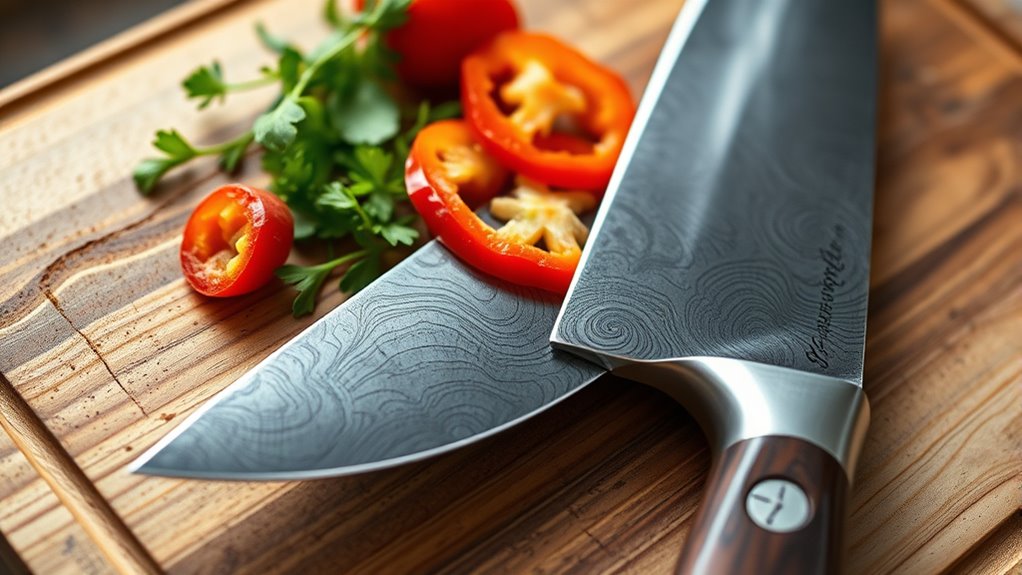
Investing in premium chef knives makes sense when your cooking skills and responsibilities demand durability, precision, and comfort. If you frequently prepare intricate dishes or work in a professional kitchen, a high-quality knife will improve your efficiency and reduce fatigue. When your current knives struggle to hold an edge or feel unbalanced, it’s time to upgrade. Consider investing if you want to:
- Create restaurant-quality cuts with ease and confidence
- Minimize frustration from dull or uncomfortable knives
- Reduce the need for frequent sharpening and replacements
- Enhance your overall cooking experience with superior craftsmanship
- Recognize the benefits of Free Floating in maintaining optimal knife performance
A premium knife isn’t just a tool; it’s an investment in your craft. When your skills and passion grow, so should your gear, especially if you want to incorporate ventilation considerations that help preserve your knives’ condition and safety.
Balancing Cost, Quality, and Usage Needs
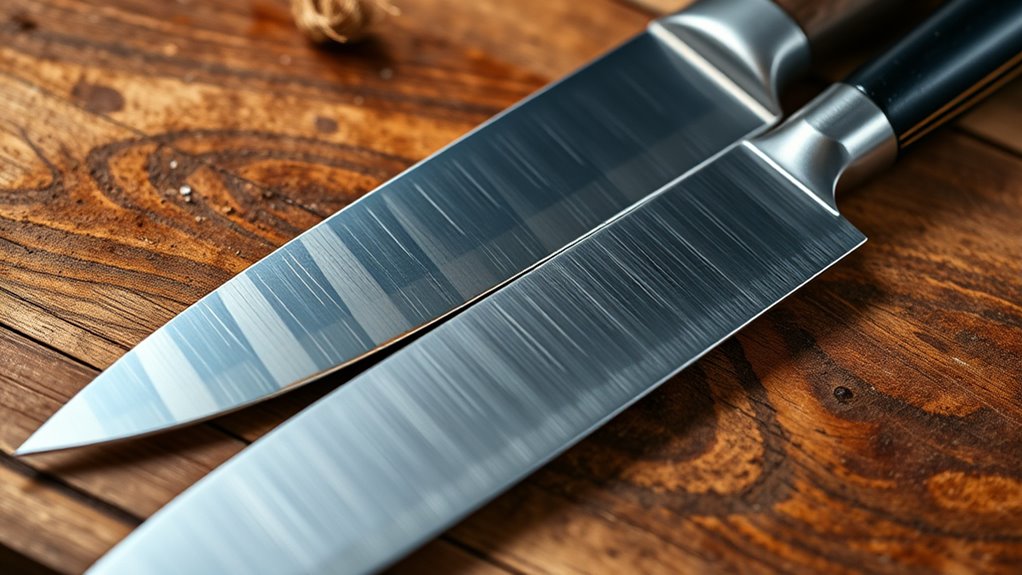
When choosing a chef’s knife, you need to weigh durability and how long it will last against your skill level and maintenance effort. A more durable, high-quality knife requires less frequent sharpening and care, but it often costs more upfront. Balancing these factors helps you select a tool that fits your needs without overspending or sacrificing performance. Additionally, understanding craftsmanship and materials can guide you toward a knife that offers both longevity and excellent performance for your specific use. Considering nanotechnology advancements in blade materials can further enhance durability and cutting precision over traditional options. Incorporating smart maintenance tools, such as blade sharpeners with integrated sensors, can also optimize your knife’s performance over time. Recognizing the importance of material selection can help you choose a knife that maintains its edge longer and performs more reliably in demanding culinary tasks. Furthermore, choosing the right blade geometry can significantly improve cutting efficiency and comfort during use.
Durability and Longevity
Durability and longevity are critical factors to contemplate when choosing a chef knife, especially as they influence how well the tool withstands regular use over time. A high-quality knife resists chipping, dulling, and corrosion, saving you money and frustration. Cheaper knives may need frequent replacements, wasting time and effort. Premium knives often feature stronger steel and better craftsmanship, ensuring they stay sharp longer and endure tougher tasks. Investing in a well-designed UST projector and ALR screen setup can also enhance your overall kitchen experience by providing better visibility and precision. Additionally, understanding the importance of visual and auditory cues in learning and skill acquisition can help you develop proper techniques for maintenance and sharpening, extending the lifespan of your knives. Proper storage and handling techniques further preserve your knife’s edge, prevent damage over time, and are essential for maintaining optimal performance. Regularly cleaning and honing your knives also reduces corrosion, contributing to their durability. Incorporating these practices can significantly extend your knife’s lifespan, making your investment more worthwhile over the years.
- Feel confident knowing your knife will last through years of daily cooking
- Experience fewer sharpening sessions and less frustration
- Save money by avoiding constant replacements
- Enjoy the satisfaction of a reliable, well-made tool that ages gracefully
Skill and Maintenance
Choosing the right chef knife means finding a balance between your skill level, maintenance effort, and the quality of the blade. If you’re a beginner, a mid-range knife like Zwilling Pro offers good performance with manageable sharpening needs. As your skills grow, premium knives with harder steel will hold their edge longer but require more precise sharpening. Cheaper knives are easier to sharpen but dull quickly, demanding frequent maintenance. Additionally, the style and design of the knife can impact both its performance and ease of use over time.
Making the Best Choice for Your Kitchen
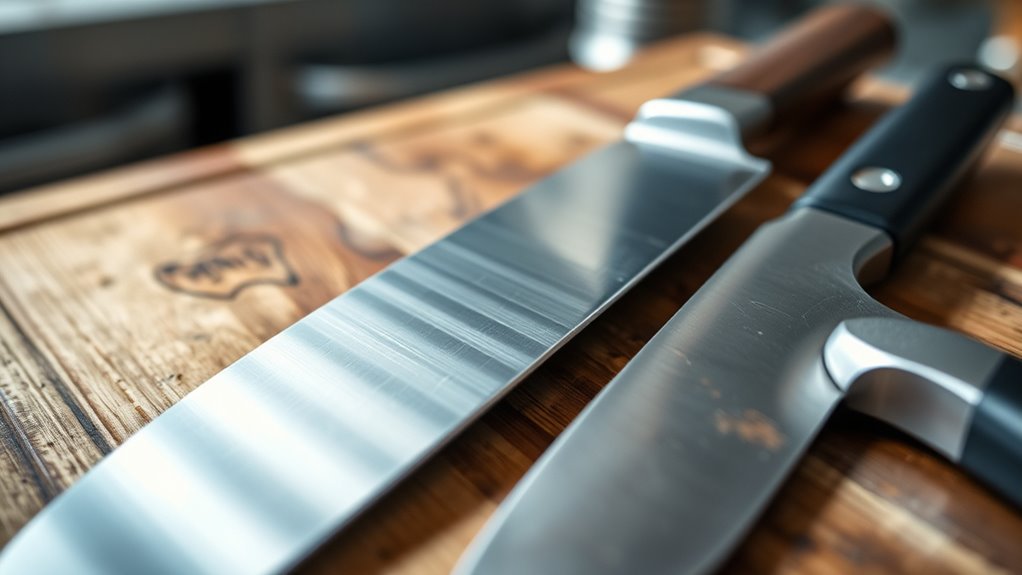
Selecting the right chef knife depends on your cooking habits, budget, and skill level. Consider how often you cook, the types of dishes you prepare, and how much you’re willing to invest. A mid-range knife often hits the sweet spot for home cooks, offering durability and sharpness without breaking the bank. Incorporating modern kitchen technology such as high-quality sharpening tools or ergonomic handles can enhance your experience and extend the life of your knife. To make the best choice, focus on:
- Matching your knife to your most-used tasks for efficiency and comfort
- Prioritizing comfort and balance to reduce fatigue during prolonged prep
- Thinking long-term—a quality knife can last decades with proper care
- Balancing cost and performance to avoid unnecessary expenses or compromises
Frequently Asked Questions
How Do I Determine if a Knife Is Worth the Higher Price?
You’ll want to contemplate if the knife’s build quality, edge retention, and performance justify the higher price. Check the steel’s hardness, craftsmanship, and balance—premium knives typically have better materials and finish. Think about how often you cook and your skill level; if you frequently prep or want longevity, investing in a higher-end knife makes sense. Otherwise, mid-range options often offer great value for casual or home cooks.
What Are the Signs of Poor Build Quality in Cheap Knives?
A cheap knife with poor build quality is like a house of cards—fragile and unreliable. You’ll notice uneven or rough edges, loose or poorly fitted handles, and a blade that feels unbalanced or too lightweight. The steel may look dull or unevenly finished, and it might chip easily or require constant sharpening. If it feels awkward or flimsy in your hand, it’s a clear sign that the craftsmanship isn’t up to par.
Can a Mid-Range Knife Perform as Well as a Premium One?
A mid-range knife can perform nearly as well as a premium one for most home cooking tasks. You’ll find it sharp, durable enough for everyday use, and easier to sharpen than a high-end knife. While it might lack some fine craftsmanship and ultimate edge retention, for regular chopping and slicing, a well-made mid-range knife meets your needs without the higher cost of premium options.
How Often Should I Sharpen Different Price-Tier Knives?
You should sharpen cheap knives every 1-2 weeks, as they dull quickly and require frequent maintenance. Mid-range knives need sharpening every 3-4 weeks, since they hold their edge longer but still benefit from regular care. Premium knives, due to their durability, only need sharpening every 2-3 months if used properly. Regular honing between sharpenings helps keep all knives in top condition, regardless of price.
Is It Better to Buy One High-Quality Knife or a Set?
You should buy a high-quality knife if you want exceptional performance and durability that lasts. But if you’re starting out or need versatility, a set offers convenience and value, covering all your basic needs. Think about your cooking style—if you value precision and less fatigue, invest in a single premium knife. For more general use, a well-chosen set balances quality and affordability, making your kitchen more efficient.
Conclusion
Choosing the right knife depends on your needs and budget. Remember, a study shows that 70% of home cooks use only three knives regularly—so investing in a quality, versatile knife can make a huge difference. Premium knives often last longer and perform better, saving you money and effort over time. Ultimately, balancing cost with craftsmanship guarantees you get a knife that feels right and elevates your cooking experience.