Patina is the natural, attractive surface change that develops on materials like metal and wood over time, adding character and showing signs of authenticity. It often appears as a subtle, varied coloration or texture, reflecting proper aging. However, if patina turns into rust, peeling paint, or mold, it signals damage or deterioration. Recognizing the difference helps maintain or restore items properly—if you want to understand how to tell genuine patina from problems, there’s more to learn.

Get kitchen gear delivered free with Prime
- Fast, free delivery on millions of items
- Prime Video, Amazon Music and more included
- Member-only deals all year
Key Takeaways
- Authentic patina develops gradually, adding depth and character, and signals natural aging and history of an object.
- Desirable patina typically appears as subtle discoloration, softening, or surface changes, not rust or peeling.
- Undesirable patina shows signs of corrosion, rust, cracking, or mold, indicating deterioration or damage.
- Artificial or distressed patina is intentionally created for aesthetic purposes, differing from naturally aged surfaces.
- Proper maintenance preserves authentic patina, while neglect or damage can turn patina into a sign of deterioration.
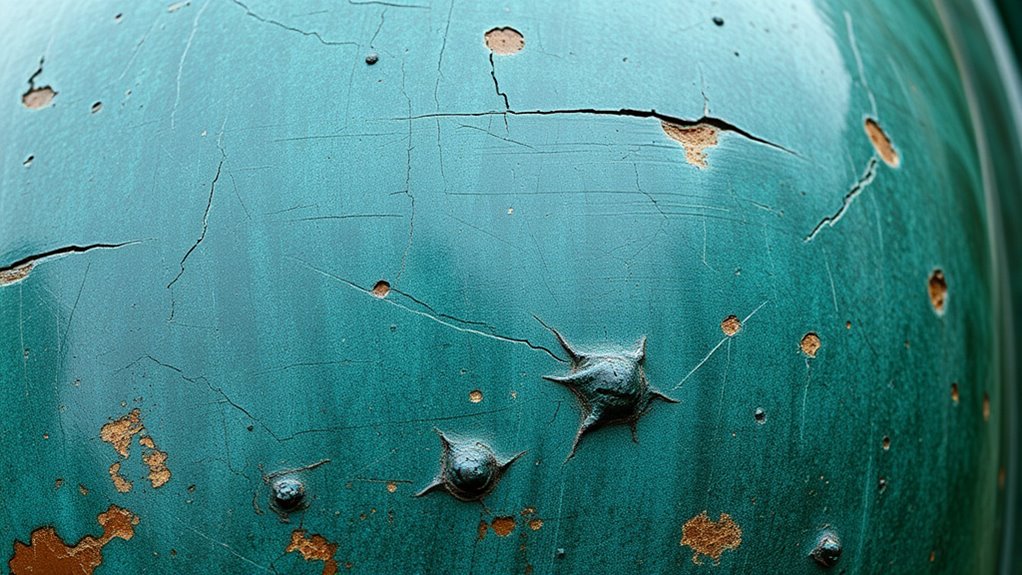
Patina is the natural surface change that occurs on metal, wood, and other materials over time, giving objects a unique character and aesthetic appeal. When you see a soft, bluish-green hue on copper or a warm, aged glow on wood, you’re witnessing patina at work. This natural aging process develops gradually, influenced by exposure to air, moisture, and environmental elements. It’s often celebrated for adding depth and history to an item, making it more than just a surface—it’s a story etched into the material. Many appreciate patina because it signals authenticity and a sense of time passed; it’s the mark of a piece that’s lived and been loved.
Patina reveals the story and character of aged, loved materials over time.
However, not all patina is desirable. Sometimes, the natural aging process results in corrosion or deterioration that compromises the integrity or appearance of an object. In such cases, what might seem like a charming patina is actually a problem. For example, excessive rust on metal or peeling, cracking paint on wood can indicate damage rather than character. When patina appears uneven or develops in areas where it shouldn’t, it might be a warning sign of underlying issues. Recognizing when patina becomes a problem requires understanding its origin—whether it’s the natural aging process or damage caused by environmental factors or neglect. AI cybersecurity advancements also highlight how crucial it is to protect valuable objects from digital threats, just as physical items need proper care.
Intentional distressing is another aspect to ponder. Some artisans and homeowners deliberately create a patina or aged look to evoke a vintage or rustic vibe. This process involves controlled techniques to simulate natural aging, such as applying chemicals or abrasives to achieve a specific patina effect. When you intentionally distress a piece, you’re guiding the aging process to enhance its aesthetic appeal, rather than letting it happen haphazardly. This approach can add charm and character to furniture or décor, giving it a sense of history and authenticity without waiting decades for natural aging to occur.
In contrast, unintentional patina—especially when it’s a result of neglect or improper maintenance—can diminish a piece’s value and appeal. For example, neglecting to protect metal surfaces from moisture or failing to maintain wooden furniture can lead to unwanted corrosion or mold growth. Recognizing the difference between a beautiful, intentional patina and damage that needs addressing helps you maintain the value and integrity of your possessions. Whether you embrace the natural aging process or use intentional distressing to craft a desired look, understanding what patina should look like helps you make informed decisions about preservation, restoration, or decorative enhancement.
patina preservation wax for metal
As an affiliate, we earn on qualifying purchases.
As an affiliate, we earn on qualifying purchases.
Frequently Asked Questions
Can Patina Be Restored if It Deteriorates?
Yes, patina can be restored if it deteriorates. You can try simple DIY cleaning techniques like gentle soap and water, or use specialized restoration techniques for more stubborn spots. Be careful not to over-clean, as this can strip the natural look. For significant deterioration, consider consulting a professional to guarantee proper restoration, preserving the authentic character without damaging the surface.
Is All Discoloration Considered Undesirable?
Not all discoloration is undesirable; some oxidation effects create a desirable patina that enhances aesthetic appeal. You should consider the overall look and your personal taste when evaluating discoloration. If the oxidation effects add character and authenticity, they’re usually a positive feature. However, if they indicate damage or deterioration, especially when it compromises the piece’s integrity, it might be a problem. Always balance aesthetic considerations with structural health.
How Can I Prevent Unwanted Patina Formation?
To prevent unwanted patina formation, you should apply protective coatings like wax or sealants regularly. Keep your items clean using gentle cleaning methods—avoid harsh chemicals or abrasive scrubbing—that can accelerate discoloration. Store your pieces in dry, low-humidity environments, and handle them with clean gloves to minimize oils and dirt transfer. Consistent maintenance and proper storage are key to maintaining the original appearance and preventing unwanted patina buildup.
Does Patina Increase or Decrease a Piece’s Value?
Think of your piece like a fine wine, where aging effects add character and deepen its story. Patina often increases a piece’s value because it enhances its aesthetic appeal, showing authenticity and history. When it develops naturally, it’s a sign of genuine age and craftsmanship. However, if it’s unwanted or uneven, it can detract from its worth. Embrace authentic patina to preserve or boost your item’s value.
Are There Different Types of Patina for Various Materials?
Yes, there are different types of patina for various materials. For example, metallic finishes develop unique natural aging patterns that give each piece character and depth. Copper and bronze often turn green or brown, while silver forms a dark tarnish. Wood and stone also develop natural aging effects, creating a protective, aesthetic layer. Each material’s patina varies based on environmental exposure, and understanding these differences helps you appreciate their beauty and value.
As an affiliate, we earn on qualifying purchases.
Conclusion
Remember, a gentle touch keeps your pieces looking their best. While a subtle patina can add charm and character, too much or uneven wear might hint at underlying issues. Think of it as a quiet story told over time—sometimes, a little more care can help it shine without losing its soul. By paying attention and maintaining your items thoughtfully, you preserve their beauty and history, letting their quiet elegance continue to inspire.
As an affiliate, we earn on qualifying purchases.
As an affiliate, we earn on qualifying purchases.
Halloween Picks
halloween
As an affiliate, we earn on qualifying purchases.