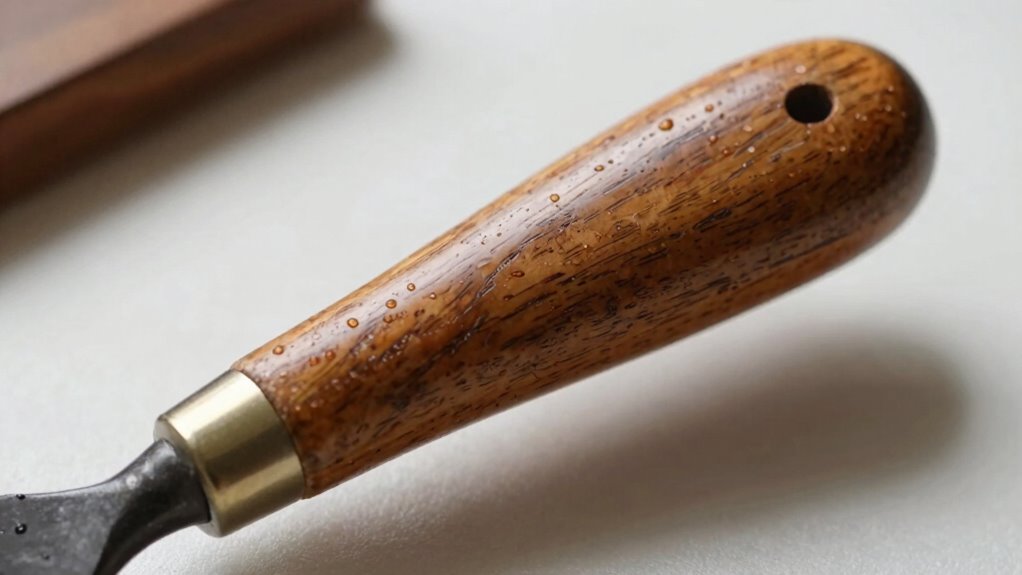

You need a different care routine for wooden handles because wood is sensitive to moisture, dirt, and harsh chemicals that can cause cracking, warping, or loss of natural luster. Proper nourishment with oils and gentle cleaning help bring out the grain, while avoiding abrasive products prevents damage. Regular maintenance protects the wood’s durability and appearance over time. If you want to keep your handles in top shape, keeping these tips in mind will make a noticeable difference.

Get kitchen gear delivered free — and shop member deals
- Fast, free delivery on millions of items
- Access to Prime Big Deal Days deals on October 6–7
- Prime Video, Amazon Music and more included
Key Takeaways
- Wooden handles are porous and absorb moisture, requiring specific cleaning and nourishment to prevent damage.
- They need regular oiling or finishing to maintain natural luster and prevent cracking or warping.
- Harsh chemicals can strip natural oils, so gentle, eco-friendly products are essential for proper care.
- Unique grain patterns require tailored methods like sanding and staining to enhance appearance.
- Routine maintenance extends lifespan and preserves the aesthetic and functional qualities of wooden handles.
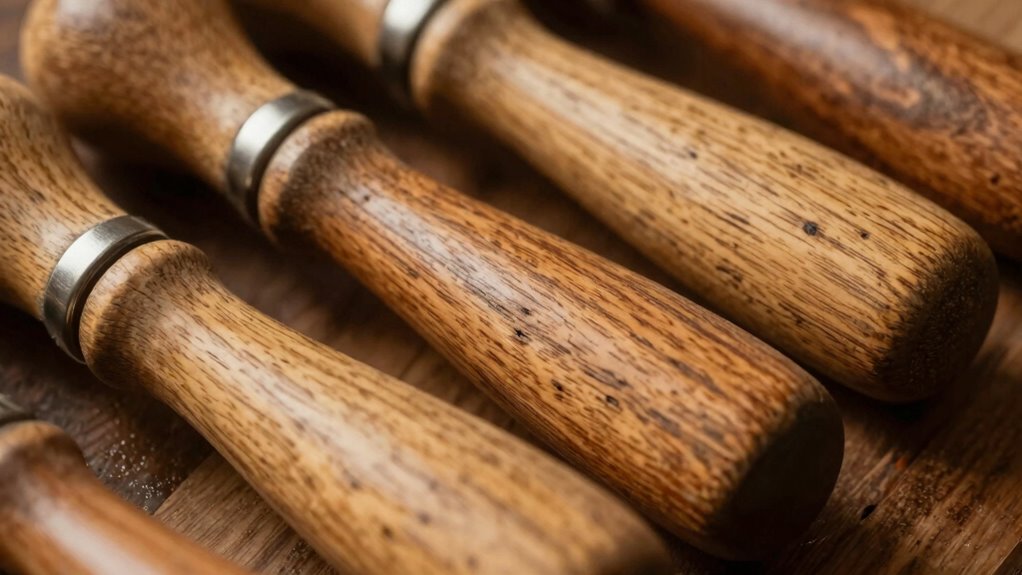
Have you ever wondered how to keep your wooden handles looking their best and lasting longer? Wooden handles are more than just functional parts of your tools or utensils; they add character and warmth to your items. To preserve their beauty, you need a care routine tailored specifically for wood. Unlike other materials, wood requires special attention to maintain its natural luster and prevent damage. A key part of this is understanding wood grain enhancement, which involves nourishing the wood to deepen its natural patterns and colors. When you regularly care for your handles, you help bring out their unique grain, making it more vibrant and appealing. Additionally, understanding biodiversity can inspire more sustainable and eco-friendly care practices that protect wood resources over time. This awareness also encourages the use of natural cleaning methods**, reducing exposure to harsh chemicals that can harm the environment. However, this process also involves knowing how to handle stain removal techniques effectively. Over time, dirt, grime, or even old finishes can dull the wood’s appearance and obscure its grain. Removing stains carefully is essential to restoring its original beauty without harming the wood itself. Incorporating sustainable practices** into your routine can further enhance the longevity and eco-friendliness of your care approach.
Using appropriate stain removal techniques, you can eliminate stubborn spots or discoloration that develop from everyday use. For instance, mild solutions like a mixture of vinegar and water can help lift minor stains, while more persistent marks might require gentle sanding. When you sand, it’s vital to follow the wood grain; this ensures you don’t scratch or damage the surface, which could lead to uneven spots or a dull appearance. After cleaning and stain removal, you should focus on nourishing the wood with suitable oils or finishes. These products penetrate the grain, enhancing its natural patterns and providing a protective barrier against moisture and dirt. Regularly applying a high-quality wood oil not only enhances the wood grain but also helps prevent cracking or warping, extending the life of your handles.
Additionally, understanding the importance of wood grain enhancement can help you choose the right products and techniques for optimal results. A tailored care routine also involves avoiding harsh chemicals that can strip the wood’s natural oils or cause discoloration. Instead, opt for gentle, natural cleaning methods and always follow up with a nourishing treatment. This approach guarantees your wooden handles stay resilient and attractive. Remember, the key to a successful care routine is consistency. Regular maintenance—cleaning, stain removal, and wood grain enhancement—keeps your handles looking their best and functioning well over time. By paying attention to these details, you’re not only preserving their aesthetic appeal but also ensuring they remain durable and reliable. With the right care routine, your wooden handles will continue to showcase their natural beauty for years to come, becoming a true reflection of your attention to detail and respect for quality craftsmanship.
As an affiliate, we earn on qualifying purchases.
Frequently Asked Questions
Can Wooden Handles Be Cleaned With Harsh Chemicals?
No, you shouldn’t clean wooden handles with harsh chemicals. Harsh chemicals can damage the wood, strip its natural oils, and cause cracking or splintering. Instead, you should use gentle cleaning methods, like wiping with a damp cloth and mild soap. Proper care preserves the wood’s appearance and durability, ensuring your wooden handles stay in great condition longer. Always avoid aggressive cleaners to protect your wooden handles from unnecessary harm.
How Often Should I Re-Oil Wooden Handles?
Did you know that re-oiling wooden handles every 3 to 6 months can greatly extend their lifespan? You should re-oil your handles when they start looking dry or dull. This routine helps with wood grain preservation and keeps handles smooth and resistant to cracking. Follow handle longevity tips by cleaning them gently first, then applying a quality oil. Regular maintenance ensures your wooden handles stay beautiful and functional for years.
Are Wooden Handles Dishwasher Safe?
Wooden handles are generally not dishwasher safe because the high heat and moisture can cause warping or cracking. For your kitchen safety, hand wash wooden handles with mild soap and warm water to preserve their integrity. Avoid soaking them or using harsh cleaners. Proper care keeps wooden handles durable, safe, and looking great, ensuring they remain a reliable part of your kitchen tools.
What Signs Indicate My Wooden Handle Needs Maintenance?
Signs that your wooden handle needs maintenance include visible cracking, dull discoloration, and a rough, splintering surface. You’ll notice its wooden durability waning, and handle aesthetics fading, which signals it’s time for some tender loving care. When the finish looks worn or the wood feels brittle, it’s clear you should sand, oil, or treat the handle to restore its strength and beauty, ensuring it stays functional and visually appealing.
Can I Use Synthetic Polish on Wooden Handles?
You can use synthetic polish on wooden handles, but choose one formulated for wood to guarantee handle protection. Synthetic polish can enhance the handle’s appearance and provide a protective layer, but avoid harsh chemicals that could damage the wood. Always test a small area first. Regularly applying a suitable polish helps maintain the handle’s durability and keeps it looking good, ensuring it stays protected from wear and tear over time.
As an affiliate, we earn on qualifying purchases.
Conclusion
In conclusion, caring for your wooden handles means respecting their natural beauty and longevity. Follow a routine that keeps them clean, dry, and occasionally oiled—think of it as tending to a trusty steed. Just like a knight’s armor, your handles need gentle care to stay resilient through time’s relentless march. Remember, neglect now can turn your prized tool into a relic, reminding us that even in this modern age, tradition’s wisdom still holds sway.
As an affiliate, we earn on qualifying purchases.
As an affiliate, we earn on qualifying purchases.
Fall Picks
fall essentials
As an affiliate, we earn on qualifying purchases.