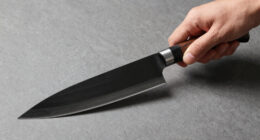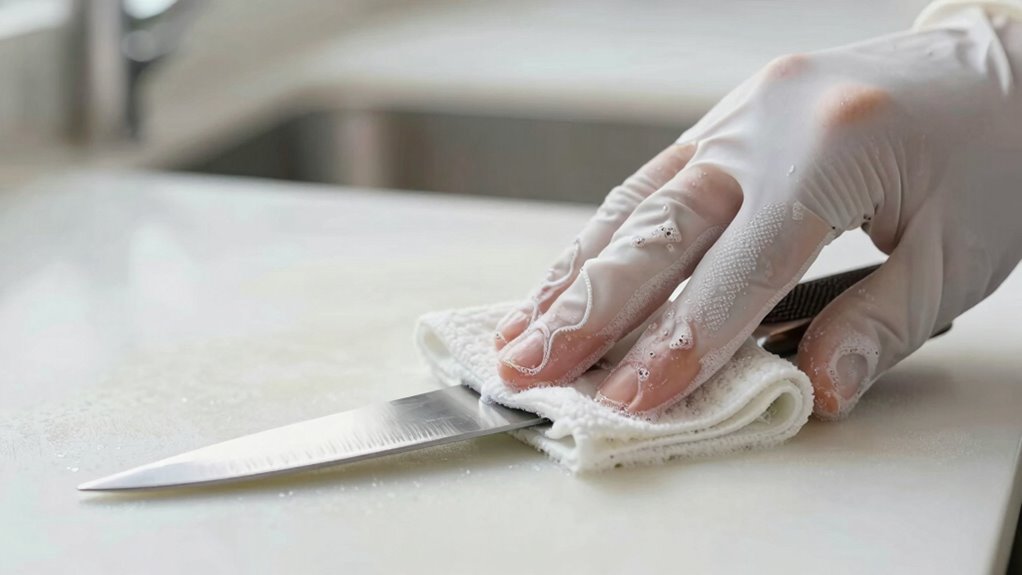
To safely clean a knife with a finger guard grip, hold the handle firmly with your fingers curled inward, pressing gently against the side of the blade to create a barrier. Use a soft sponge or cloth, moving from the handle to the tip and always away from the edge to avoid cuts. Keep control throughout, avoid submerging wooden handles, and dry immediately. For more tips on maintaining safety and ensuring thorough cleaning, keep exploring helpful techniques.
Key Takeaways
- Maintain a firm finger guard grip on the handle to ensure control during cleaning.
- Wipe the blade from handle to tip, moving away from the sharp edge to prevent injury.
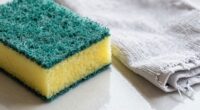
- Use a soft sponge or microfiber cloth to clean, avoiding abrasive scrubbers that could damage the blade.
- Keep your fingers curled inward and pressed against the blade side to create a safety barrier.
- Rinse carefully while holding the knife securely, then dry immediately with a soft cloth to prevent accidents.
Cleaning a knife safely is essential to prevent accidents and keep your blades in good condition. When it comes to knife safety, using the right technique is just as important as choosing the proper cleaning tools. A finger guard grip is an effective method that helps you maintain control during cleaning, reducing the risk of slips and cuts. To start, make sure your knife is completely dry and free of food debris before proceeding. Use a sturdy, non-abrasive cleaning tool, such as a soft sponge or a microfiber cloth, to avoid scratching the blade. Avoid steel wool or harsh scrubbers, as they can damage the knife’s edge and compromise its safety.
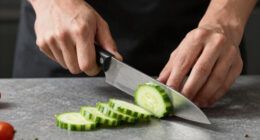
When you’re ready to clean, hold the knife with your finger guard grip. This means curling your fingers inward around the handle, with your knuckles gently pressing against the side of the blade. This grip creates a barrier between your fingers and the sharp edge, giving you better control and reducing the chance of accidental cuts. With your other hand, use your cleaning tool to gently wipe along the blade, working from the base near the handle toward the tip. Always move away from the edge, not toward it, to prevent slipping and injury. If you need to clean the side of the blade or the handle, do so carefully, maintaining your finger guard grip to keep your fingers insulated from the cutting edge.
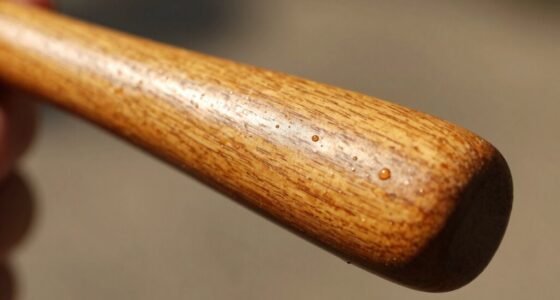
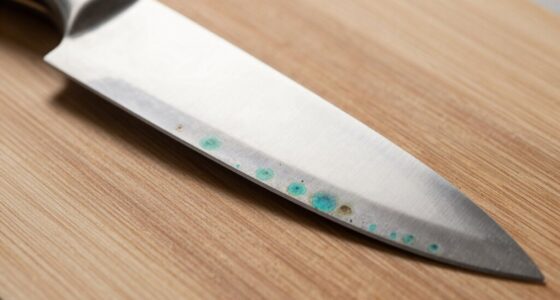
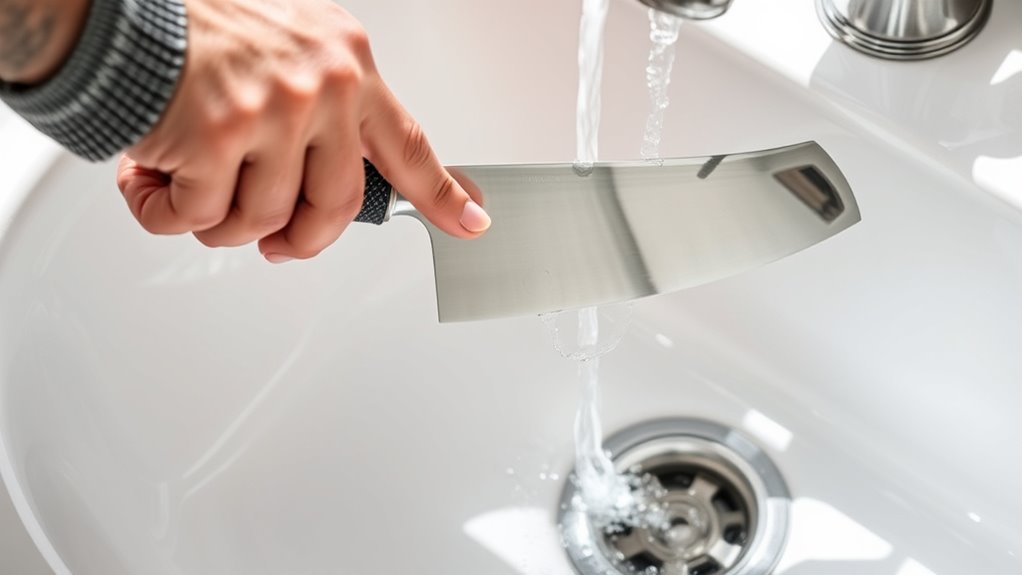
Pay close attention to the knife’s edge and any crevices where food particles may hide. For thorough cleaning, some prefer to use a small brush, like a toothbrush, to reach tight spots. When rinsing, hold the knife securely with your finger guard grip and tilt it away from your body to avoid splashes. Use the least amount of water necessary, and avoid submerging the entire knife if it has a wooden handle, as excess moisture can cause damage. After rinsing, dry the knife immediately with a clean, soft cloth, maintaining your grip to keep control. This step is indispensable to prevent rust and corrosion. Additionally, understanding the importance of contrast ratio can help you evaluate the clarity and depth of your knife’s shine after cleaning, ensuring it looks as good as it performs.
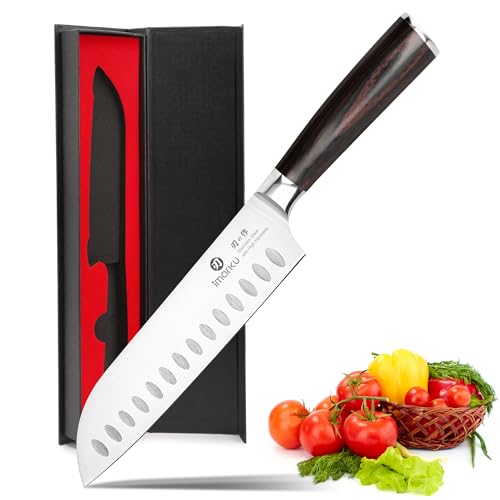
imarku Chef Knife 7 Inch Kitchen Knife Ultra Sharp Santoku Knife - High Carbon Japanese Chefs Knife, Kitchen Gadgets 2025, Apartment Essentials, Birthday Gifts for Him Her, Best Gifts for Women Men
Professional Santoku Knife: This imarku super sharp santoku knife is made of high carbon stainless steel that resists...
As an affiliate, we earn on qualifying purchases.
Frequently Asked Questions
Can I Put the Knife in a Dishwasher With a Finger Guard Grip?
You shouldn’t put a knife with a finger guard grip in the dishwasher. Dishwasher safety is compromised because the high heat and strong detergents can damage the grip and dull the blade. Hand washing is best for grip maintenance, ensuring the guard stays intact and effective. Plus, hand cleaning allows you to carefully remove food particles, keeping your knife safe and sharp for longer.
Is It Safe to Clean the Knife With a Wet Finger Guard Grip?
Cleaning a knife with a wet finger guard grip is generally safe if you follow proper knife safety and cleaning techniques. You might worry about slipping, but stay calm—use a gentle scrub and avoid soaking the handle excessively. Keep your fingers clear of the blade, and dry the knife thoroughly afterward. Remember, careful handling and proper cleaning techniques protect you from accidents and keep your knife in top shape.
How Often Should I Replace the Finger Guard Grip?
You should replace your finger guard grip based on your maintenance schedule and replacement frequency recommendations, typically every 6 to 12 months. Regularly inspect it for signs of wear, such as cracks or looseness, and replace it sooner if needed. Proper maintenance guarantees safety and peak performance. Staying attentive to these cues helps prevent accidents, so make it part of your routine to check and replace your finger guard grip regularly.
Can I Use Abrasive Cleaners on a Finger Guard Grip?
Like a knight tending to armor, you might wonder if abrasive cleaners can be used on your grip. It’s best to avoid them, as they can damage the protective layer and compromise grip maintenance. Instead, opt for gentle cleaning methods that preserve the grip’s integrity. Using abrasive cleaners risks scratching or degrading the material, making your grip less effective and less safe during your next culinary adventure.
What Should I Do if the Finger Guard Grip Becomes Loose?
If your finger guard grip becomes loose, you should first try tightening it using the appropriate tightening method, such as gently adjusting or securing any screws or clasps. If tightening doesn’t work or the grip is damaged, consider replacement options like purchasing a new grip or seeking professional repair. Ensuring a snug fit keeps your knife safe to use and maintains your safety during handling.

HOSHANHO Kitchen Knife in Japanese High Carbon Steel, Professional High-Class Chef's Knife 8 inch, Non-slip Ultra Sharp Cooking Knives with Ergonomic Handle
【High-End Japanese Steel Chef's Knife】 HOSHANHO chef's knife is made of Japanese high carbon steel 10Cr15CoMoV, 2x of...
As an affiliate, we earn on qualifying purchases.
Conclusion
Remember, cleaning your knife with a finger guard grip is like handling a delicate but powerful tool—respect it, and you’ll avoid accidents. Always stay attentive, and never rush the process. Think of your knife as a trusted companion that needs gentle care to stay sharp and safe. By following these steps, you’re not just cleaning a blade; you’re nurturing a reliable partner in your kitchen adventures. Stay careful, stay sharp, and enjoy safe cooking!
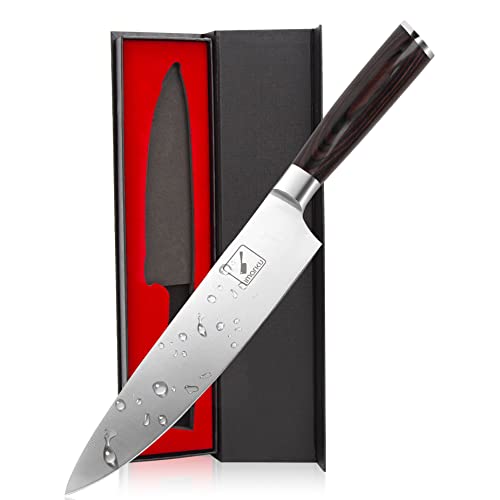
imarku Japanese Chef Knife - Sharp Kitchen Knife 8 Inch Chef's Knives HC Steel Paring Knife, Unique Gifts for Men and Women, Gifts for Mom or Dad, Kitchen Gadgets with Gift Box, Gyutou Knives
High-Carbon Stainless Steel Blade: It is manufactured from high-quality stainless steel that maintains its functionality for a long...
As an affiliate, we earn on qualifying purchases.

Japanese Chef Knife, 8 Inch Damascus Kitchen Knife with VG10 Steel, Handcrafted Sharp Knife with Ergonomic Handle, Cooking Knives for Home Chefs, Cooking Gifts for Men and Women
【Premium Damascus Chef Knife with VG-10 Steel Core】Our Japanese knives feature a VG-10 steel core (60 HRC) for...
As an affiliate, we earn on qualifying purchases.