Patina is a natural or artificially developed colorful surface layer on metals caused by oxidation over time, adding character and often protecting the material. Staining, however, results from external substances or chemicals causing superficial discoloration that’s usually easy to clean away. Rust, on the other hand, forms when iron reacts with water and oxygen, leading to a flaky, corrosive film that damages the metal. Understanding these differences helps you preserve and maintain metal surfaces effectively—discover more about their unique qualities below.

Get kitchen gear delivered free — and shop member deals
- Fast, free delivery on millions of items
- Access to Prime Big Deal Days deals on October 6–7
- Prime Video, Amazon Music and more included
Key Takeaways
- Patina is a stable, often colorful, protective surface layer that develops naturally or artificially over time on metals.
- Rust is a flaky, porous, and corrosive oxidation of iron and steel, indicating metal decay.
- Staining causes superficial discoloration from external substances, without affecting the metal’s integrity.
- Patina adds aesthetic and historical value, while rust signifies damage and deterioration.
- Prevention involves protective coatings and proper maintenance to avoid staining and rust formation.
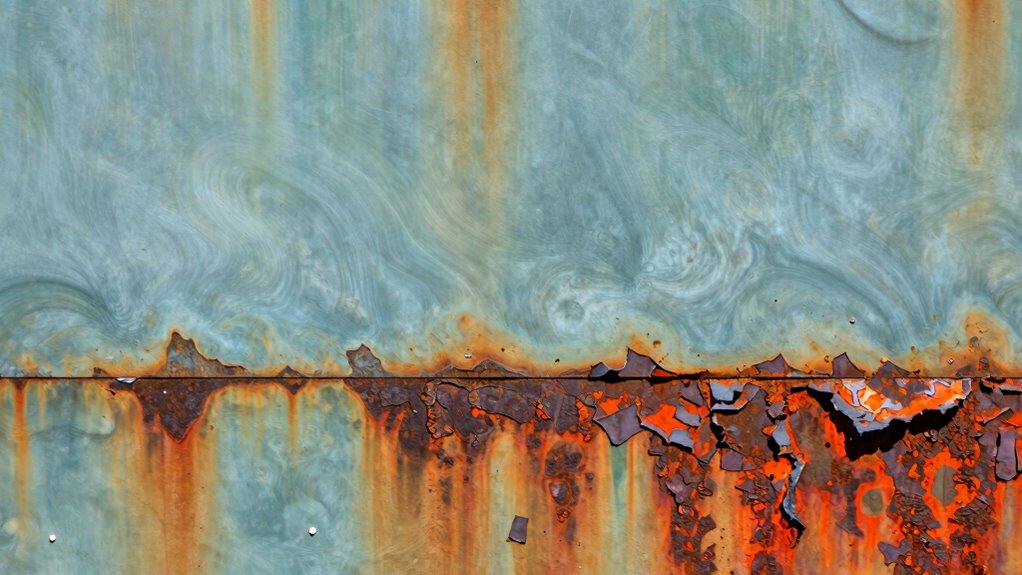
Understanding the differences between patina, staining, and rust is essential if you’re working with metals or aging materials. Each of these processes changes the surface coloration of metal in unique ways and tells a different story about its history or condition. Recognizing these distinctions helps you manage projects more effectively, whether you’re restoring antique furniture, working on jewelry, or maintaining outdoor sculptures.
Patina, for example, is a natural or artificially induced layer that forms over time on metal surfaces. It often appears as a thin, colorful film—think of the greenish hue on aged copper or bronze—that results from oxidation reactions. Metal aging causes this surface coloration to develop gradually, and many consider patina desirable because it adds character and a sense of history. Artists and restorers sometimes accelerate patina formation for aesthetic purposes, but in most cases, it’s a sign that the metal has been exposed to the elements for a long period. Patina is generally stable and can even protect the underlying metal from further corrosion. Understanding oxidation helps in appreciating how patina develops naturally over time. Additionally, knowing how to differentiate between genuine patina and artificial corrosion can be crucial for accurate restoration work. Recognizing the chemical composition of patina can also aid restorers in preserving its authenticity.
Patina is a stable, colorful surface layer that forms naturally or artificially, adding character and protecting the metal.
Staining, on the other hand, is usually a result of external substances or chemicals that cause discoloration without necessarily affecting the metal’s protective properties. You might notice staining from mineral deposits, dirt, or chemical reactions with cleaning agents. Unlike patina, staining often appears as uneven patches or blotches, and it doesn’t have the uniformity or layered look that patina develops. It’s typically considered unwanted because it detracts from the appearance, but it’s easier to remove or clean than rust or genuine patina. Surface coloration caused by staining can sometimes be mistaken for natural aging, but a closer examination reveals that staining is often superficial and reversible with proper cleaning. Additionally, the chemical reactions that cause staining can sometimes be minimized with protective coatings or preventative measures. Being aware of environmental influences can help prevent staining from occurring in the first place, and understanding these factors allows for better maintenance practices. Proper knowledge of surface chemistry can assist in choosing the right cleaning agents to avoid damaging the metal further.
patina protective coating for metals
As an affiliate, we earn on qualifying purchases.
As an affiliate, we earn on qualifying purchases.
Frequently Asked Questions
Can Patina Be Controlled or Prevented During Metal Aging?
Yes, you can control or prevent patina during metal aging by applying chemical treatments or protective coatings. Chemical treatments can slow down oxidation, reducing patina formation, while protective coatings act as barriers against moisture and pollutants. Regular maintenance and choosing appropriate coatings help you manage the aging process, keeping the metal looking fresh longer. Just make certain you select the right treatment for your specific metal to achieve the best results.
How Long Does It Take for Rust to Form Naturally?
Rust forms naturally within days to weeks, depending on environmental conditions like moisture and oxygen exposure. The oxidation process causes metal corrosion, transforming the surface into reddish-brown rust. If you leave metal outdoors in humid or rainy conditions, expect rust to develop faster. Conversely, dry, protected environments slow down oxidation. Regular maintenance, protective coatings, or controlling moisture levels can help delay or prevent rust formation altogether.
Are There Safe Methods to Remove Staining Without Damaging the Surface?
Yes, you can safely remove staining using gentle cleaning solutions like vinegar or baking soda mixed with water, applied carefully to avoid surface damage. After cleaning, consider applying protective coatings such as sealants or wax to prevent future staining. Always test a small, hidden area first, and avoid abrasive tools that could harm the surface. Regular maintenance with suitable cleaning solutions helps keep your surface looking its best without damage.
Is Patina Always Considered Desirable or Aesthetically Pleasing?
Imagine restoring an antique copper statue; you notice its rich green patina, which adds to its charm. Patina isn’t always considered desirable, but many value its preservation for historic and aesthetic appeal. Whether you see patina as a sign of age or beauty depends on personal taste and the piece’s context. In some cases, maintaining patina enhances the item’s character, while in others, removing it might better suit modern aesthetics.
Can Rust Be Restored to Its Original Metal Condition?
Yes, you can restore rust to its original metal condition, but it requires removing the metallic corrosion caused by surface oxidation. You’ll need to clean the rust with rust removers, abrasives, or electrolysis to strip away the corrosion. Afterward, applying protective coatings prevents future oxidation. Keep in mind, complete restoration depends on the extent of damage; some surfaces may not fully regain their original look.
As an affiliate, we earn on qualifying purchases.
Conclusion
Remember, understanding the difference between patina, staining, and rust helps you care for your metal and surfaces better. Patina adds character, staining can be a temporary change, and rust signals damage. Stay proactive in maintenance, and you’ll keep things looking their best. As the saying goes, “A stitch in time saves nine”—address issues early, and you’ll preserve your surfaces for years to come.
As an affiliate, we earn on qualifying purchases.
As an affiliate, we earn on qualifying purchases.
Fall Picks
fall essentials
As an affiliate, we earn on qualifying purchases.