
When passing a knife at home, hold the handle securely with your dominant hand and extend it with the blade pointed downward or away from others. Make sure the recipient is ready and has a firm grip before releasing the handle gently. Use clear verbal cues to confirm they’re prepared, and always transfer the knife in a controlled manner. Keep safety in mind throughout the process—continue exploring to learn even more about safe knife handling techniques.

Get kitchen gear delivered free — and shop member deals
- Fast, free delivery on millions of items
- Access to Prime Big Deal Days deals on October 6–7
- Prime Video, Amazon Music and more included
Key Takeaways
- Hold the knife firmly by the handle, ensuring fingers are away from the blade.
- Extend your arm with the handle facing the recipient, signaling readiness verbally.
- Gently transfer the handle, making sure the recipient has a secure grip before releasing.
- Keep the blade pointed downward or away from both parties during transfer.
- Confirm the recipient is prepared and clear before stepping back after the transfer.
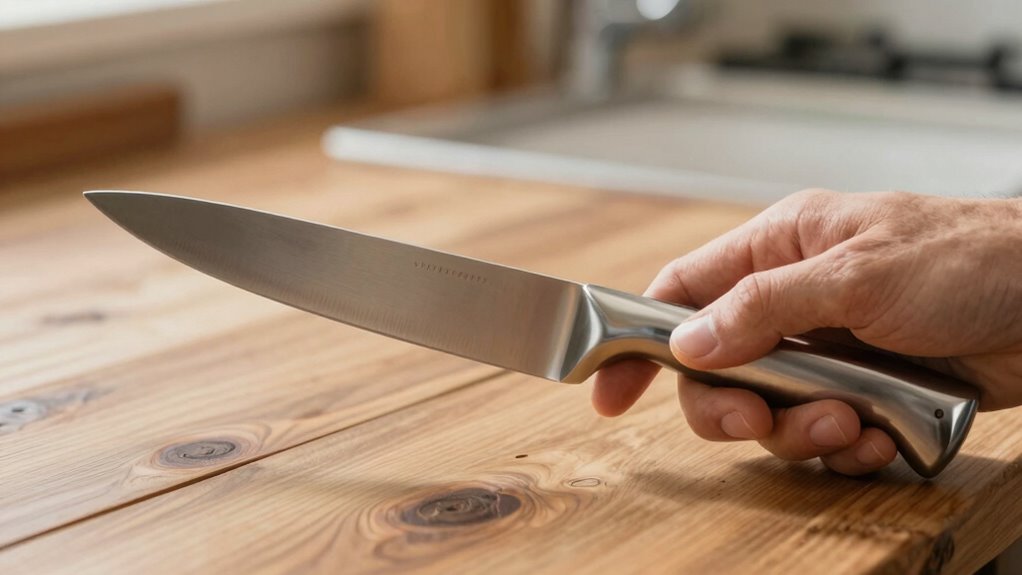
Passing a knife at home might seem simple, but doing it safely is essential to prevent accidents. Whether you’re helping a family member in the kitchen or sharing a task with someone else, understanding proper knife safety is crucial. The most important aspect of passing a knife is ensuring that both you and the person receiving it are protected from injury. You should always communicate clearly before handing over the knife so everyone knows what to expect. This prevents sudden movements and surprises that could lead to cuts or slips.
Passing a knife safely requires clear communication and careful handling to prevent accidents.
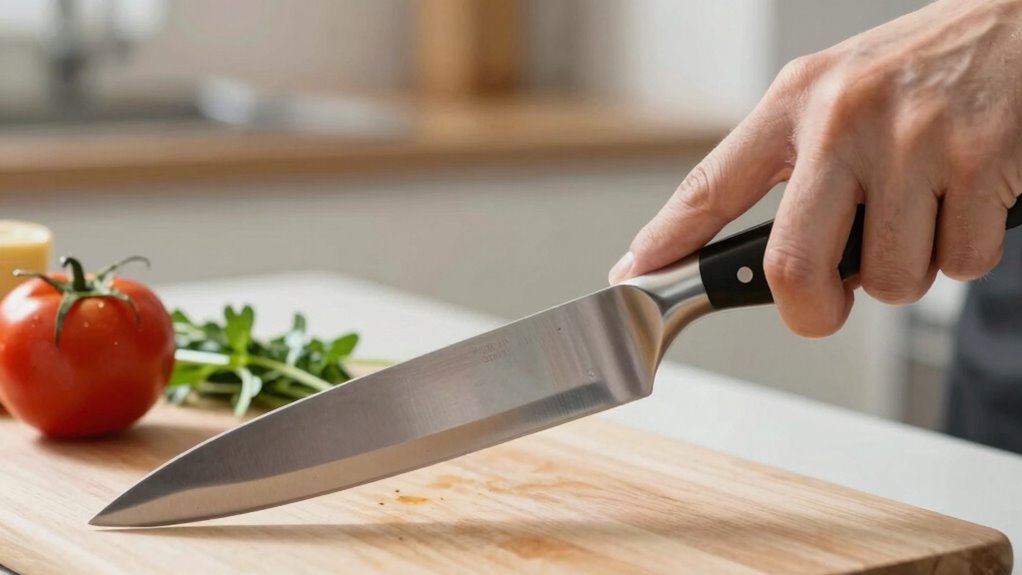
The key to safe passing is maintaining a proper grip on the knife. When you hold the knife, grasp it firmly around the handle with your dominant hand, ensuring your fingers are wrapped securely without covering the blade. A proper grip gives you control and stability, reducing the risk of dropping or mishandling the knife during the transfer. When passing the knife, always hold it by the handle and keep the blade pointed downward or away from both yourself and the person receiving it. This safety measure minimizes the chance of accidental cuts if the knife slips or if someone pulls it unexpectedly. Additionally, being aware of your surroundings and ensuring a clear workspace can help prevent mishaps during the transfer.
As you approach to pass the knife, extend your arm with the handle facing the recipient. Use your other hand to signal that you’re ready, and wait until the person is prepared to receive it. When they reach out, gently transfer the handle into their hand, making sure they have a secure grip before releasing your hold. Never toss or flick the knife toward someone—that’s dangerous and can cause injuries. Instead, aim for a steady, controlled transfer, ensuring the recipient has full control of the knife before pulling your hand away. Clear communication is key here; ask if they’re ready or if they need you to hold the knife momentarily.
Once the knife has been safely handed over, step back slightly to give the other person space to work. This allows them to focus on their task without feeling rushed or nervous. When returning the knife to a safe location or putting it away, do so with the same care—hold it by the handle, point the blade downward, and ensure the area is clear of obstructions. Remember, practicing proper knife safety and grip not only protects you but also builds confidence and trust in handling sharp tools at home. Respecting these safety measures makes your kitchen a safer space for everyone involved. Additionally, understanding the importance of proper safety techniques can help prevent injuries and promote a culture of caution in your home. Practicing proper handling methods regularly reinforces good habits and reduces the risk of accidents. Being aware of your surroundings is a fundamental part of maintaining safety during these transfers, especially in busy or cluttered kitchens.
As an affiliate, we earn on qualifying purchases.
Frequently Asked Questions
What Type of Knife Is Safest to Pass at Home?
The safest knife to pass at home is a chef’s knife with a secure grip, ideally held by the handle rather than the blade. You should use proper cutting techniques, keeping your fingers tucked and the knife stable. When passing, offer the handle with a clear, steady grip, ensuring the other person can grasp it safely. This minimizes the risk of accidents and maintains control during the handoff.
Should I Verbally Communicate When Passing a Knife?
You should definitely use verbal confirmation when passing a knife. Studies show that clear communication reduces accidents in the kitchen by 50%. Relying solely on non-verbal cues can lead to misunderstandings or missteps. By saying “Here’s the knife,” and making eye contact, you guarantee the recipient is prepared and aware. This simple step enhances safety, keeps everyone focused, and minimizes the risk of cuts or injuries during kitchen tasks.
How Do I Handle a Dull Knife Safely?
When handling a dull knife, you should be extra cautious to avoid accidents. First, sharpen the knife regularly to keep it safe and effective. Use proper cutting techniques, like slicing gently and avoiding excessive force. When passing the knife, verbally communicate to guarantee safety. Always hold the dull knife by the handle, keeping fingers clear of the blade, and never force it through food to prevent slips and injuries.
Is It Okay to Pass a Hot or Greasy Knife?
Passing a hot or greasy knife is like handing over a flickering flame—dangerous and unpredictable. You should never do it because it risks burns or slipping. When practicing knife handling, safety precautions are essential; always let the knife cool and make sure it’s free of grease before passing. Use a cloth or a tool to avoid direct contact, safeguarding yourself and others from potential accidents.
What’s the Best Way to Teach Kids Knife Safety?
You should teach kids knife safety by starting with the proper knife grip, showing them how to hold it securely but carefully. Emphasize the importance of maintaining a safety zone, keeping fingers away from the blade’s path. Demonstrate slow, controlled cuts and supervise closely. Reinforce that they should never run or play with knives, and always focus on respect for the tool to build good habits early.
As an affiliate, we earn on qualifying purchases.
Conclusion
Remember, passing a knife safely is like passing a trusted friend—treat it with respect and care. When you do, you’re not just sharing a tool; you’re passing a symbol of trust and safety within your home. Each careful handover strengthens the bond of understanding and responsibility. So, handle your knives with mindfulness, and let each passing be a reminder of your commitment to safety and respect—gifts that keep everyone protected.
As an affiliate, we earn on qualifying purchases.
cut-resistant gloves for cooking
As an affiliate, we earn on qualifying purchases.
As an affiliate, we earn on qualifying purchases.
Fall Picks
fall essentials
As an affiliate, we earn on qualifying purchases.