To prep aromatics for sauces, soups, or braises, start with fresh onions, garlic, and herbs, finely chopping or tearing them to release more flavor. Sauté onions in oil over medium heat until translucent, then add garlic and cook briefly to avoid bitterness. Use a wide pan and stir regularly to promote even flavor extraction. Timing is key—add delicate herbs later to preserve aroma. If you want to master layers of flavor, there’s more to discover beyond this quick guide.

Get kitchen gear delivered free — and shop member deals
- Fast, free delivery on millions of items
- Access to Prime Big Deal Days deals on October 6–7
- Prime Video, Amazon Music and more included
Key Takeaways
- Choose fresh aromatics like onions, garlic, and herbs for vibrant, potent flavors.
- Finely chop or mince garlic and onions to maximize surface area and flavor extraction.
- Tear or bruise herbs to release aromatic oils and enhance their scent.
- Sauté aromatics in oil over medium heat until translucent, adding garlic after onions soften.
- Layer herbs early for infusion and add delicate herbs later to preserve aroma.
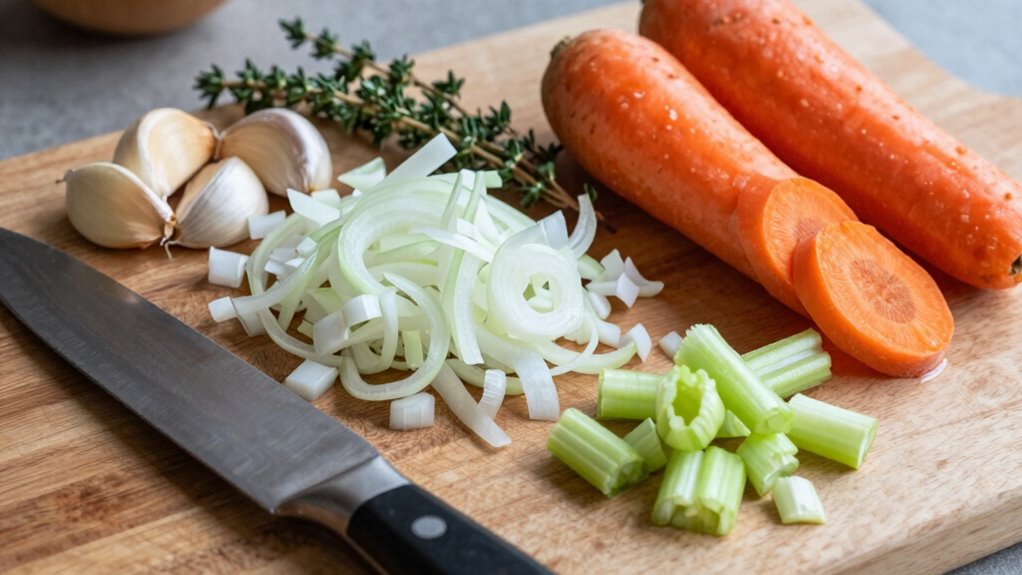
Aromatics like onions, garlic, and herbs form the flavor base for many dishes, and preparing them correctly is essential for building a tasty meal. When you start with well-prepped aromatics, you set the stage for effective flavor extraction and aroma layering, which are crucial for deep, savory results. The way you handle these ingredients influences how their flavors release and meld into your sauce, soup, or braise, so attention to detail matters.
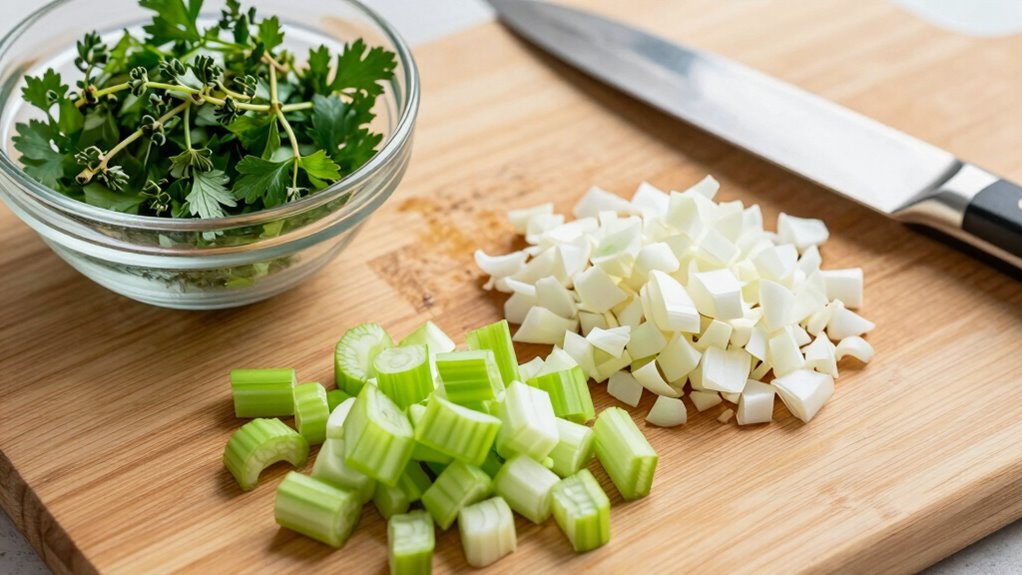
Begin by choosing fresh aromatics whenever possible. Fresh onions, garlic, and herbs will provide a brighter, more vibrant flavor. To maximize flavor extraction, chop or mince garlic and onions finely. Smaller pieces expose more surface area, allowing heat to penetrate quickly, releasing their essential oils and flavors efficiently. When working with herbs, consider tearing or bruising them slightly before adding to release their aromatic oils. This step enhances aroma layering, giving your dish complexity and depth.
Proper preparation also involves timing. For onions, start by sautéing them in oil over medium heat until they turn translucent. This gentle cook releases their sugars and softens their texture, unlocking sweetness and flavor. Garlic should be added later, once the onions are softened, to prevent burning, which can produce bitterness. Using low to medium heat ensures you extract the most flavor without scorching, preserving the aromatic integrity of your ingredients.
If you’re adding herbs like thyme or rosemary, incorporate them early in the cooking process to allow their oils to infuse the base. For delicate herbs like parsley or basil, add them toward the end to preserve their fresh aroma. This layering of flavors, from the initial sauté to finish, creates a dynamic profile in your dish. You’ll notice how the aroma builds gradually, filling your kitchen and enticing your senses while intensifying the dish’s overall flavor.
Remember that the quality and freshness of your aromatics influence how well they contribute to your dish. Fresh aromatics provide more potent oils and flavors, translating into richer aroma layering. Also, consider the cooking vessel; a wide pan allows for better surface contact and more efficient flavor extraction. As you cook, stir regularly to prevent sticking and ensure even heat distribution, helping all the aromatics release their flavors uniformly.
Mastering the prep of aromatics ultimately enhances your ability to build complex, layered flavors in your cooking. When you focus on flavor extraction and aroma layering, your dishes will develop a depth that makes every bite memorable. Proper prep isn’t just about following a step; it’s about understanding how each ingredient’s preparation affects the final taste, elevating your cooking to a new level. Additionally, understanding the importance of flavor extraction can help you optimize your techniques for better taste results.
As an affiliate, we earn on qualifying purchases.
Frequently Asked Questions
Can Aromatics Be Prepped Ahead of Time Safely?
Yes, you can prep aromatics ahead of time safely. To guarantee flavor enhancement and proper storage, keep them in an airtight container in the refrigerator. Avoid leaving them out at room temperature for extended periods to prevent spoilage. Proper storage techniques help maintain their freshness and aroma, making your cooking more efficient. Just be sure to use them within a few days for maximum flavor and safety.
What’s the Best Way to Store Prepped Aromatics?
You should store prepped aromatics in airtight containers to maximize flavor enhancement and prevent spoilage. Keep them in the refrigerator, ideally within 1-2 days of prep, to maintain freshness. For longer storage, consider freezing them in small portions—this preserves their aroma and flavor. Use proper storage techniques to guarantee your aromatics stay flavorful and safe to use, helping you save time and boost the taste of your dishes later.
How Do Different Cuisines Vary in Aromatics Prep?
Different cuisines vary in aromatics prep to reflect their unique cultural flavor profiles. For example, Asian dishes often use minced garlic and ginger, prepared through traditional techniques like pounding or slicing thinly, to release robust flavors. In French cuisine, aromatics like shallots are finely chopped and sweated gently. These methods enhance authenticity and depth, highlighting regional tastes through tailored preparation techniques that preserve or intensify specific aromatic qualities.
Are There Health Benefits to Prepping Aromatics?
Prepping aromatics offers health benefits by releasing essential oils packed with antioxidants and anti-inflammatory compounds. When you create herbal combinations, you enhance flavor intensities naturally, reducing the need for added salt or preservatives. This process boosts your immune system, improves digestion, and may lower chronic disease risks. By properly prepping aromatics, you maximize their health benefits while elevating your dishes’ taste, making your meals both nourishing and flavorful.
Can Aromatics Be Frozen for Future Use?
Yes, you can freeze aromatics for future use. Freezing preserves flavor, extends shelf life, and simplifies storage techniques. To do this, chop or leave aromatics whole, place them in airtight containers or freezer bags, and remove excess air. Label and date your packages. When needed, simply take out the desired amount, avoiding waste and ensuring your dishes always have fresh, flavorful aromatics.
stainless steel chef's knife for chopping onions
As an affiliate, we earn on qualifying purchases.
As an affiliate, we earn on qualifying purchases.
Conclusion
Mastering aromatics is key to building flavorful sauces, soups, and braises. When you prep them right, you release layers of taste that elevate your dishes. Did you know that properly prepared aromatics can boost flavor extraction by up to 50%? So, take a moment to chop, sauté, or toast your ingredients carefully. A little prep goes a long way in creating rich, delicious meals that keep everyone coming back for more.
As an affiliate, we earn on qualifying purchases.
non-stick sauté pan for aromatics
As an affiliate, we earn on qualifying purchases.
As an affiliate, we earn on qualifying purchases.
Fall Picks
fall essentials
As an affiliate, we earn on qualifying purchases.